
The Nigerian luxury automotive sector continues its upward trajectory, yet amidst volatile economic conditions, buyers are increasingly discerning, prioritising durability, parts accessibility, and proven resale value. At the close of 2025, the Lexus brand—rooted in Toyota’s legendary reliability—stands as the undisputed leader in the executive SUV segment. This dominance is driven by a unique ability to blend Japanese luxury with the rugged mechanical underpinnings required to navigate the nation’s diverse infrastructure, from the polished streets of Victoria Island to the unpaved highways connecting major regions.
This comprehensive market review leverages data from listing platforms such as Jiji and Autochek, coupled with authentic owner feedback, to rank the top five most popular Lexus SUVs by their current ‘road presence’ and market demand. While new unit prices have soared into the ₦120 million to ₦400 million range due to currency devaluation and high import tariffs, the overwhelming majority of transactions involve ‘tokunbo’ (foreign-used) units, typically model years 2010–2022. This preference underscores a practical reality: Nigerian buyers seek proven longevity and value retention, qualities that the Lexus GX and LX series deliver in abundance, even in older iterations.
1. Lexus RX 350 – The Undisputed King of Everyday Luxury
The Lexus RX 350 commands between 60% and 70% of the entire Lexus SUV market share in Nigeria, solidifying its status as the default choice for the upper middle class and corporate executives. Its design, particularly the post-2015 generation, features Lexus’s signature spindle grille, flanked by sharp headlights, projecting a modern, yet non-aggressive, presence. Many owners opt for post-2016 models and frequently upgrade them to adopt the styling cues of the 2022 facelift, ensuring a contemporary aesthetic and a highly sought-after road profile in Lagos and Abuja.

Inside, the RX 350 is dedicated to comfort and quiet efficiency. Popular tokunbo models (2015–2022) often feature desirable configurations, including the plush beige leather interior, panoramic roofs, 360-degree cameras, and heads-up displays. Powered by the reliable 3.5-litre V6 engine, producing up to 306 horsepower, and paired with an 8-speed automatic gearbox, the RX delivers a smooth, plush ride perfectly suited for navigating urban traffic. Its fuel economy remains class-leading for a luxury SUV, with owners consistently reporting 8–10 km/l even in stop-start Lagos conditions. Clean tokunbo units from 2018–2020 are currently priced between ₦58 million and ₦78 million, offering premium features at a fraction of the ₦120 million–₦165 million cost of a brand-new equivalent.

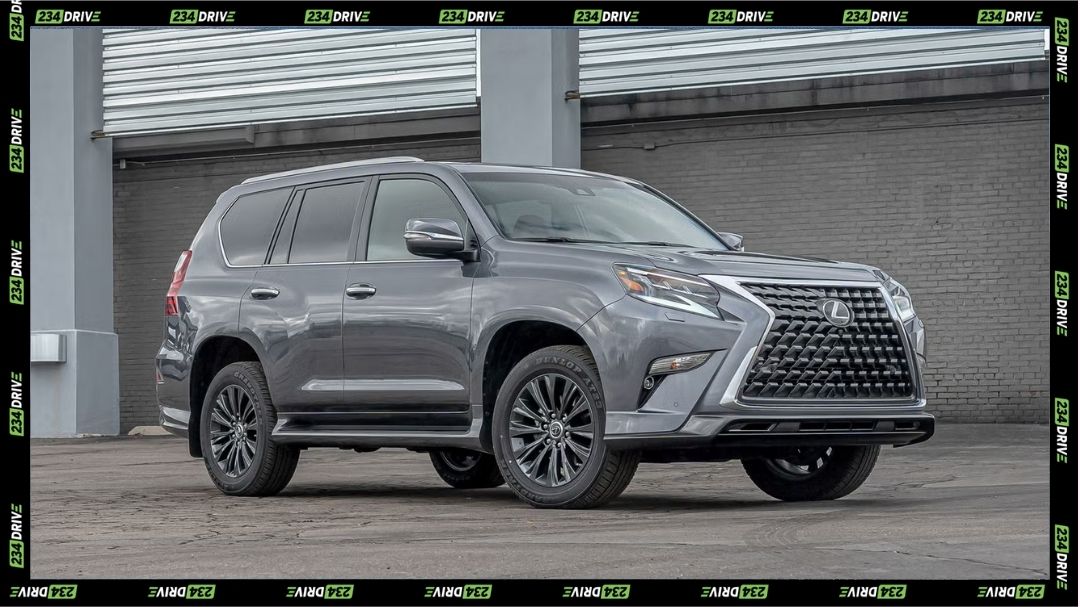
2. Lexus GX 460 – The Durable Off-Road Gentleman
The GX 460 holds a niche appeal as the discreetly luxurious sibling of the legendary Toyota Prado. Built on a body-on-frame architecture, it presents an inherently rugged and upright stance, prioritising height and durability over the RX’s swooping elegance. Its large, muscular profile and high ground clearance make a strong statement of capability on the road, signalling readiness for any terrain. This focus on engineering resilience over aesthetic trends ensures the 2014–2022 models remain visually relevant, with many units benefiting from upgrades to the sharper 2022 fascia.

The cabin of the GX 460 is defined by strong build quality and functional luxury. Higher specifications, particularly the ones sought after in Nigeria, include the highly valued cool box (fridge), adjustable height control, and night vision capabilities, proving invaluable on long-distance journeys. Under the bonnet lies the formidable 4.6-litre V8 (1UR-FE) engine, developing 301 horsepower. This V8 provides prodigious low-end torque, essential for serious off-roading and tackling heavily flooded urban areas. While the fuel consumption is notably higher at 6–8 km/l, its perceived ‘indestructibility’ and powerful performance justify the operating cost for owners. Tokunbo models from 2018–2024, often upgraded, command prices ranging from ₦36 million to ₦220 million.

3. Lexus LX 570 – The Old King of Status
The LX 570 embodies old-school automotive status and authority in Nigeria. Its monumental size, particularly the pre-2022 models (2013–2021), coupled with its sheer height and imposing grille, ensures unmatched road presence. The LX 570 is a favourite for political figures and established moguls, functioning as a luxury Land Cruiser capable of serious convoy duty. The trend of upgrading older models to the post-2022 visual style is particularly rampant here, allowing owners to retain the proven V8 mechanicals while projecting the latest aesthetic.

Inside, the LX 570 is defined by uncompromising opulence. Features like the flawless Mark Levinson audio system, hydraulic suspension, and extensive use of real leather and wood trim create a formidable sanctuary. The 5.7-litre V8 (3UR-FE) engine, producing 383 horsepower, delivers effortless performance but is exceptionally thirsty, returning only 5–7 km/l in heavy city traffic. However, for the demographic that purchases this vehicle—with clean tokunbo 2016–2018 units trading between ₦82 million and ₦116 million—fuel economy is secondary to the reliability and profound societal statement the vehicle makes.

4. Lexus LX 600 – The Current Emperor
The LX 600, launched for the 2022 model year, is the ultimate statement car for the current generation of Nigerian elites. Its design refines the intimidating stature of its predecessor with modern angularity and a dominant grille. This model is rapidly ascending the popularity charts, particularly after its official adoption by government entities, cementing its VIP status.

The LX 600’s interior is a technological and luxurious leap forward, highlighted by the executive 4-seater configuration which includes rear massage seats and a cool box. The major mechanical change is the introduction of a 3.4-litre Twin-Turbo V6 engine, which, while smaller, delivers a potent 409 horsepower and 649 Nm of torque, improving the 0–100 km/h time to approximately 6.9 seconds. Crucially, the downsized engine offers a noticeable improvement in efficiency over the old V8, with owners reporting 7–9 km/l. The price of this modern luxury is steep: clean 2023 tokunbo units fetch between ₦220 million and ₦280 million, while new VIP specifications are priced from ₦380 million to ₦450 million.

5. Lexus GX 550 – The New Contender
As the replacement for the revered GX 460, the new GX 550, especially in the rugged Overland+ specification, is rapidly gaining traction among a younger demographic of wealthy buyers. Its boxier, more aggressive styling marks a distinct departure from the previous generation, blending utility with a contemporary, aspirational look. Its imposing height and large wheel arches confidently project capability and adventure.

Inside, the GX 550 has finally shed the outdated interior of its predecessor, introducing a massive 14-inch infotainment screen and features like E-KDSS and massage seats in higher trims. Performance comes from the same 3.4-litre Twin-Turbo V6 found in the LX 600, albeit tuned to 349 horsepower and 650 Nm of torque. This powertrain provides ample power with significantly better fuel economy than the old 4.6-litre V8, achieving 8–10 km/l. For the price of a 2024 tokunbo unit, ranging from ₦185 million to ₦245 million, buyers are opting for a blend of proven body-on-frame durability and modern, efficient performance.

Regional Relevance and Ownership Experience in Nigeria
The success of these five Lexus models in Nigeria is not merely a testament to their inherent luxury, but a reflection of their practical resilience tailored to the local environment. Nigeria’s mixed road conditions, featuring frequent potholes, speed bumps, and seasonal flooding, demand vehicles with high ground clearance, robust suspension, and durable construction. This explains the overwhelming preference for the body-on-frame GX and LX series, whose Land Cruiser lineage ensures mechanical longevity that softer, unibody rivals often cannot match under continuous stress.
Furthermore, the ownership experience is heavily influenced by maintenance and parts availability. The strong affiliation between Lexus and Toyota means that spare parts, both genuine and quality aftermarket components, are readily available and comparatively inexpensive at major automotive hubs. This drastically reduces downtime and long-term running costs for older tokunbo models compared to European rivals. The V8 engines of the LX 570 and GX 460, while fuel-heavy, are mechanically simple and well-understood by local mechanics, ensuring that the vehicles can withstand the punishing demands of Nigerian driving for hundreds of thousands of kilometres.
Comparison with Segment Rivals
In the fiercely competitive Nigerian luxury SUV segment, the primary rivals to Lexus are the Range Rover, Mercedes-Benz GLE, and, within the Toyota family, the Land Cruiser Prado and Land Cruiser 300 Series. The Lexus lineup, particularly the RX 350, offers a significant cost advantage over the German rivals (Mercedes GLE, BMW X5) in the tokunbo market, translating to lower entry prices and vastly reduced long-term maintenance costs. While a Range Rover Autobiography offers unparalleled prestige, its maintenance expenses and technical complexity are notorious, making the Lexus the more financially prudent choice for extended ownership.


The true competitive edge of Lexus lies in its superior durability and resale value. The LX 570 and GX 460 are almost universally considered more durable than equivalent Range Rover or Mercedes-Benz models when subjected to consistent abuse on rough roads. Critically, the strong demand for Lexus models ensures one of the highest resale values in the luxury class; a well-maintained LX or GX retains its worth exceptionally well, far exceeding the depreciation rates of most European and even some Japanese competitors. This high retention rate is the silent dividend that savvy Nigerian buyers rely upon.
Conclusion
The top five Lexus SUVs in Nigeria—the city-focussed RX 350, the rugged GX 460/550, and the flagship LX 570/600—collectively define modern luxury mobility in the region. They offer a rare combination of plush comfort and mechanical robustness, providing the necessary prestige without compromising on real-world practicality or maintenance affordability. Whether opting for the budget-conscious reliability of a tokunbo RX 350 or the statement-making executive power of a brand-new LX 600, these vehicles stand as smart investments engineered to withstand the unique rigours of the Nigerian road network.
Which of these luxury SUVs best suits your lifestyle and budget? Share your thoughts and experiences with the top Lexus models below, or let us know which specific model you would like us to review next!