
South Africa’s automotive landscape has witnessed a remarkable shift towards compact crossovers and SUVs, with sales figures through November 2025 revealing fascinating trends in consumer preferences. The market has embraced vehicles that balance affordability, fuel efficiency, and practicality, with Chinese manufacturers making significant inroads alongside established Japanese brands. Year-to-date passenger vehicle sales have surged by 20.1% compared to 2024—reaching 386,826 units—driven by economic recovery and stable interest rates.
The top five SUVs dominating South African roads in 2025 represent a diverse mix of value propositions, from locally-built reliability champions to budget-friendly newcomers offering premium features. Leading the pack is the Toyota Corolla Cross with approximately 19,425 units sold, followed by the Chery Tiggo 4 Pro at 15,180 units, the Haval Jolion with 12,376 units, the Toyota Urban Cruiser at 9,434 units, and the stylish Suzuki Fronx. These models have captured the imagination of South African buyers through their ability to tackle varied terrain whilst keeping running costs manageable in an environment where petrol hovers around R23 per litre.
Toyota Corolla Cross: The Market Leader
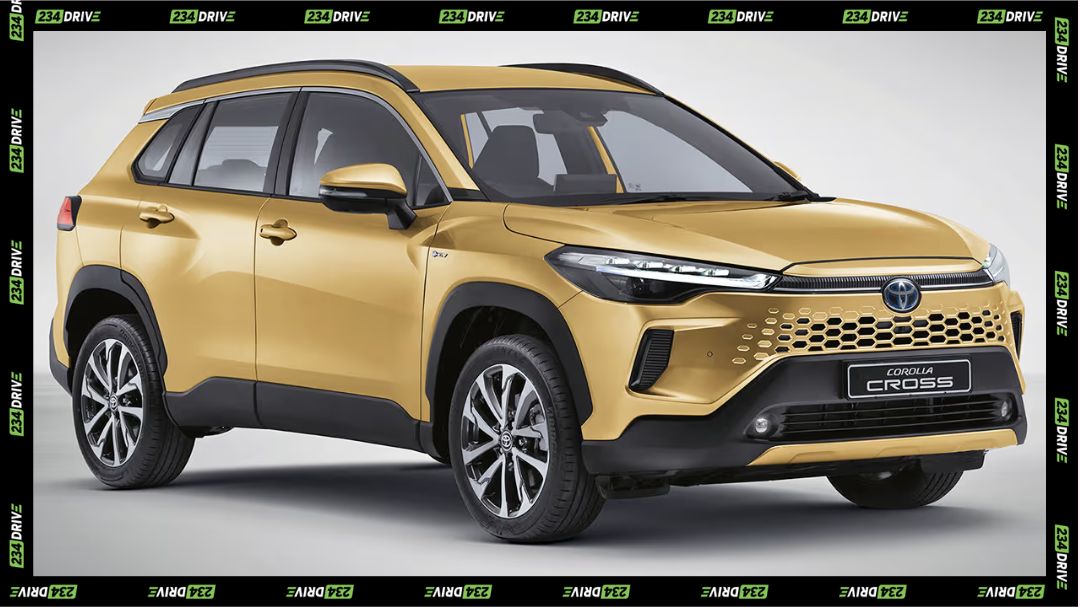
The Toyota Corolla Cross commands attention with its confident, contemporary styling that blends the practicality of an SUV with the refinement of a sedan. Its elevated stance and sculpted bodywork create a commanding road presence, whilst the front fascia features Toyota’s signature grille flanked by sharp LED headlights. The locally-built crossover measures approximately 4,460mm in length, 1,825mm in width, and 1,620mm in height, providing generous proportions without being unwieldy in urban environments. The design language strikes a balance between sophistication and ruggedness, appealing to families and professionals alike who appreciate its smart, uncluttered exterior that ages gracefully.
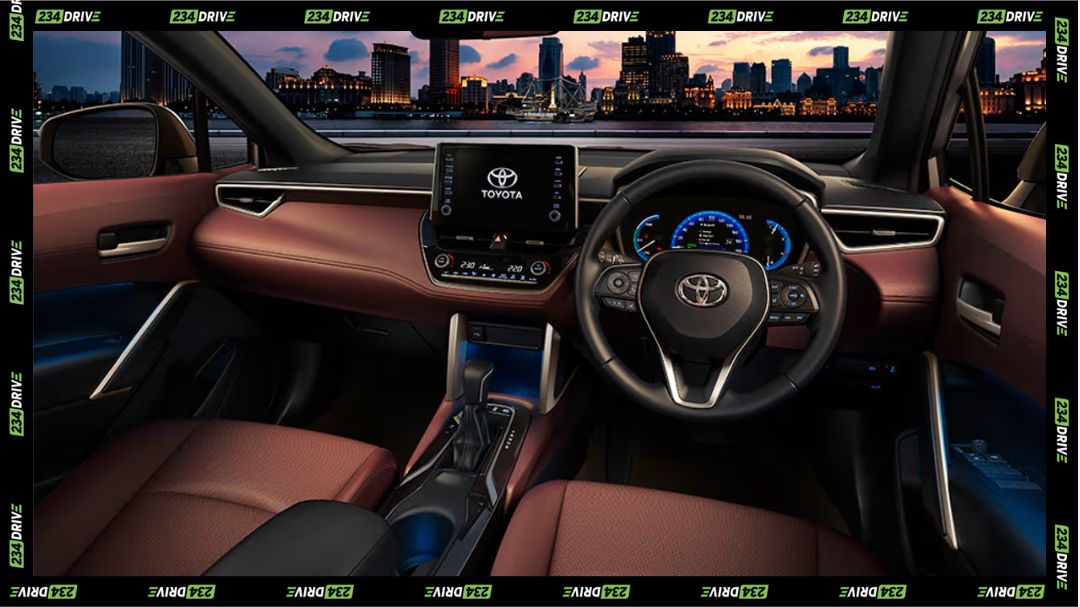
Inside, the Corolla Cross delivers on comfort with well-bolstered seats, quality materials, and intuitive ergonomics that reflect Toyota’s decades of refinement. The cabin feels spacious for five occupants, with a 440-litre boot offering practical cargo capacity for family adventures or weekly shopping trips. Technology includes Toyota Safety Sense with adaptive cruise control, lane-keeping assist, and pre-collision systems, ensuring peace of mind on South African highways. The 1.8-litre petrol engine produces 103kW and 172Nm, providing adequate performance for most driving scenarios, whilst the hybrid variant offers remarkable efficiency at approximately 6.8 litres per 100km. Priced from R414,800 to R561,700, the driving dynamics are composed and predictable, with a suspension setup that absorbs potholes admirably whilst maintaining stability at speed.
Chery Tiggo 4 Pro: The Value Disruptor
The Chery Tiggo 4 Pro announces itself with bold styling that punches above its price point, featuring aggressive front-end design elements, sculpted flanks, and contemporary LED lighting signatures. At 4,318mm long, 1,831mm wide, and 1,662mm tall, it offers substantial presence without excess bulk, whilst the 2,610mm wheelbase ensures generous interior space. The exterior design incorporates modern touches like chrome accents and sporty alloy wheels that belie its budget-friendly positioning, making it an attractive proposition for first-time SUV buyers who refuse to compromise on aesthetics.
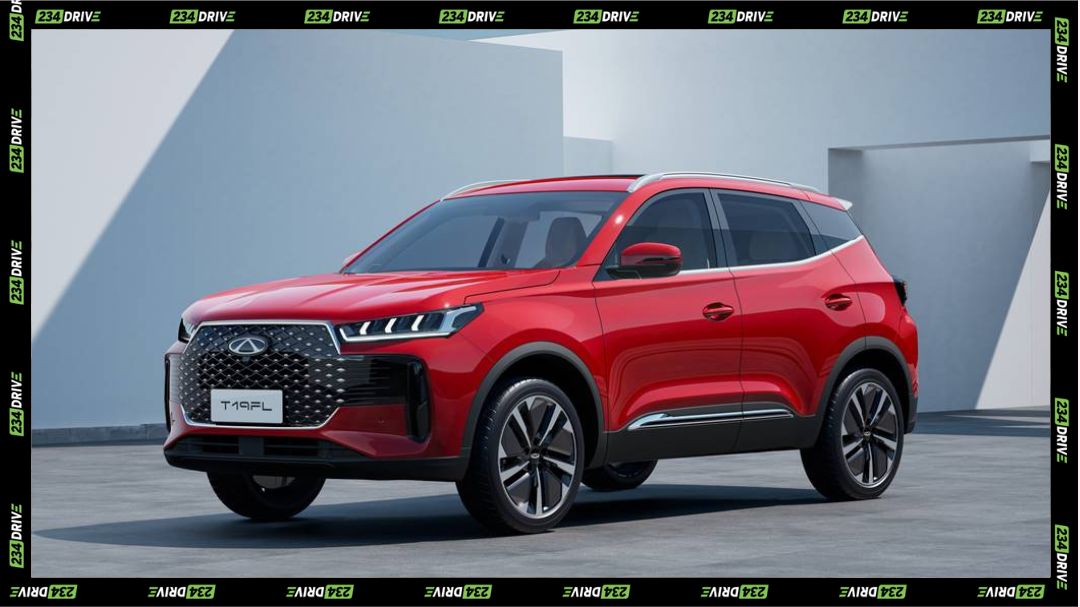
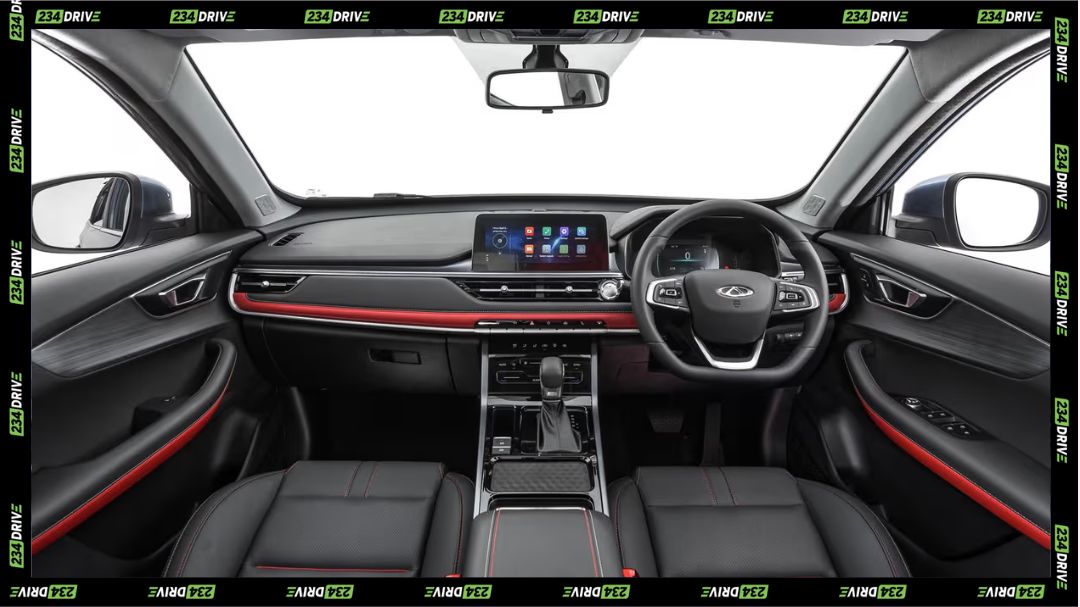
Step inside, and the Tiggo 4 Pro impresses with a surprisingly upmarket cabin featuring a touchscreen infotainment system, decent material quality, and thoughtful storage solutions throughout. The seating is comfortable for long journeys, and the Chinese manufacturer has clearly studied competitors to deliver a competitive interior package. Safety equipment includes surround airbags, tyre pressure monitoring, ABS, and ESP, addressing concerns about build quality that once plagued Chinese imports. Under the bonnet, buyers choose between 1.5-litre naturally aspirated or turbocharged engines, with the turbo variant delivering up to 108kW and 210Nm for spirited performance. Fuel consumption ranges from 7.0 to 8.0 litres per 100km, whilst the price span of R269,900 to R386,900 represents exceptional value. The driving experience is competent if not thrilling, with adequate refinement and a five-year/150,000km warranty providing reassurance. November sales of 1,838 units actually surpassed the Corolla Cross, highlighting the brand’s rapid ascent.
Haval Jolion: The Tech-Forward Contender
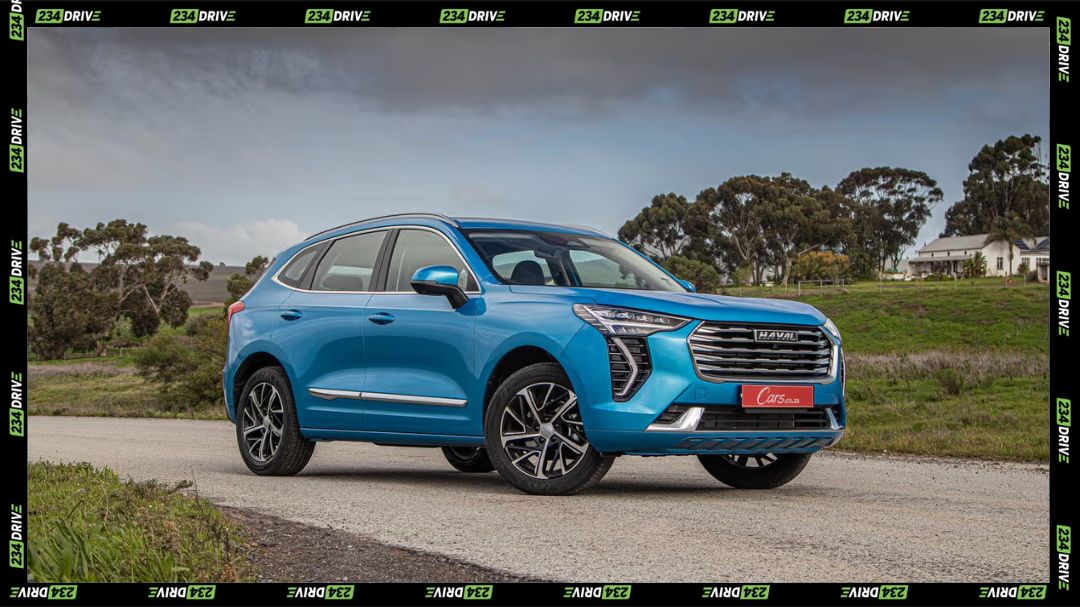
The Haval Jolion showcases GWM’s ambitions with a sporty, contemporary design that incorporates sharp character lines, an assertive front grille, and sleek LED lighting elements. Measuring approximately 4,472mm in length, 1,874mm in width, and 1,619mm in height, it offers substantial road presence and interior volume. The exterior styling leans towards European sophistication rather than overtly aggressive SUV cues, with a coupe-like roofline that adds visual dynamism. Chrome detailing and well-integrated body panels demonstrate impressive build quality that challenges perceptions about Chinese manufacturing standards.
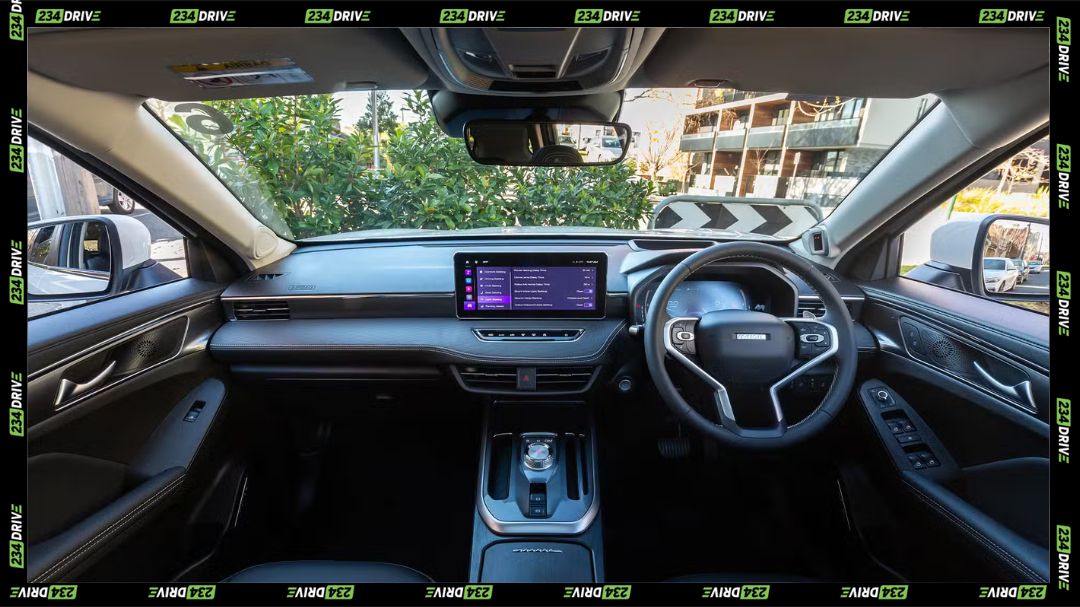
The interior represents the Jolion’s strongest suit, with a tech-rich environment centred around a 12.3-inch touchscreen, digital instrument cluster, and features like wireless charging on higher specifications. Material quality impresses for the segment, with soft-touch surfaces and thoughtful design creating an upmarket ambience. The 1.5-litre turbocharged engine produces between 105kW and 130kW depending on specification, whilst a hybrid variant delivers 140kW for those prioritising efficiency. Fuel consumption averages 7.8 litres per 100km for petrol variants, with the hybrid achieving notably better figures. Priced from R347,950 to R521,450, the Jolion’s standout feature remains its industry-leading seven-year warranty, demonstrating manufacturer confidence whilst reducing ownership anxiety. Higher trims include a 360-degree camera and multiple airbags, with stability control across the range. The driving dynamics are composed, with good body control and adequate power delivery for South African conditions, though refinement trails the Toyota at motorway speeds.
Toyota Urban Cruiser: The Budget Gateway
The Toyota Urban Cruiser presents a compact, unpretentious design that prioritises function over flash, with conservative styling cues that ensure broad appeal. At approximately 3,995mm long, 1,790mm wide, and 1,640mm tall, it’s notably smaller than its stablemate, making it ideal for congested city centres and tight parking spaces. The exterior incorporates Toyota’s familiar design language with swept-back headlights, a modest grille, and practical proportions that maximise interior space. Whilst it won’t turn heads like more expensive siblings, the Urban Cruiser’s honest, straightforward appearance resonates with buyers seeking dependable transport without pretence.
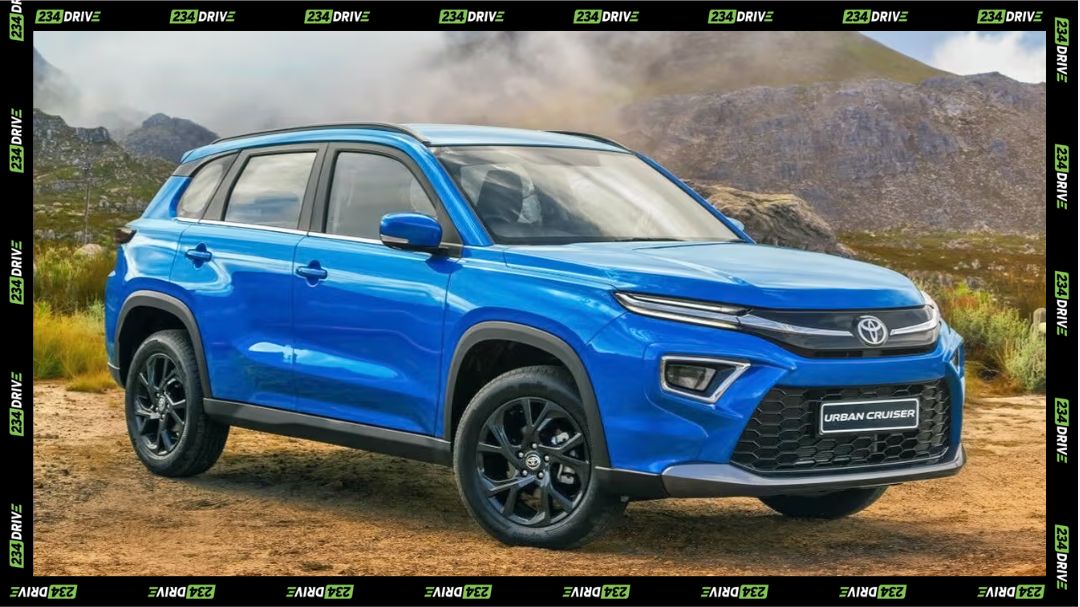
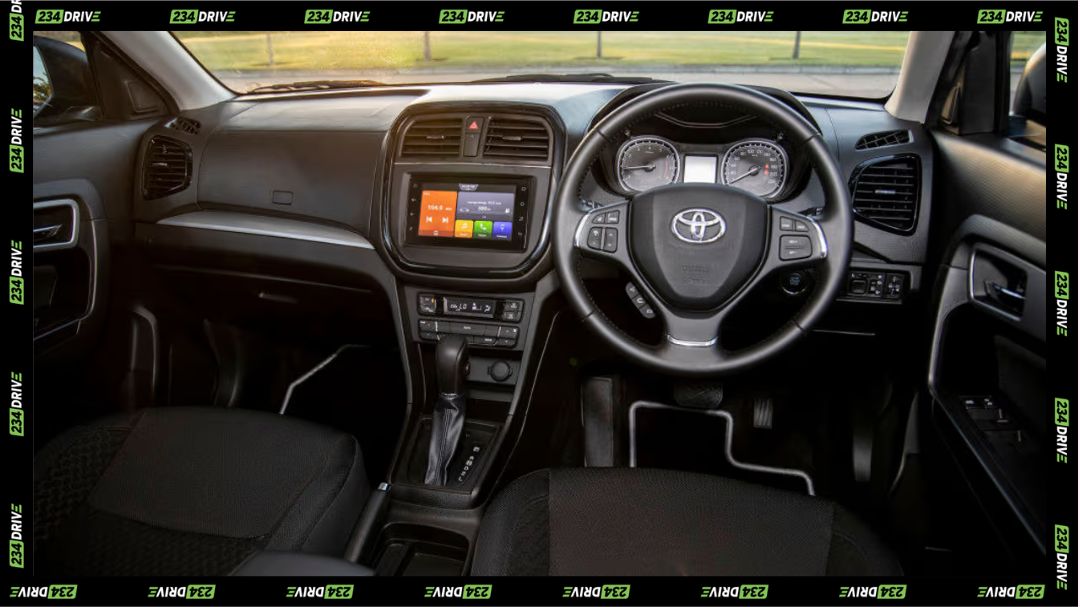
Inside, the cabin is basic but functional, with hard-wearing plastics, straightforward controls, and seating for five adults in reasonable comfort. The 328-litre boot suffices for daily needs, though larger families might find it limiting for holiday trips. Technology is deliberately sparse, keeping costs down and complexity minimal, with essential safety features like ABS, EBD, multiple airbags, and hill-start assist ensuring adequate protection. The 1.5-litre petrol engine generates 77kW and 138Nm, providing modest but sufficient performance for urban driving, with an impressive fuel economy of 6.1 litres per 100km appealing to budget-conscious buyers. Priced between R342,700 and R373,800, it represents an affordable entry into the Toyota ecosystem, with the brand’s legendary reliability and extensive dealer network justifying the premium over competitors. The driving experience is predictable and easy, with light steering and a compact footprint making city navigation effortless, though highway overtaking requires planning.
Suzuki Fronx: The Stylish Newcomer
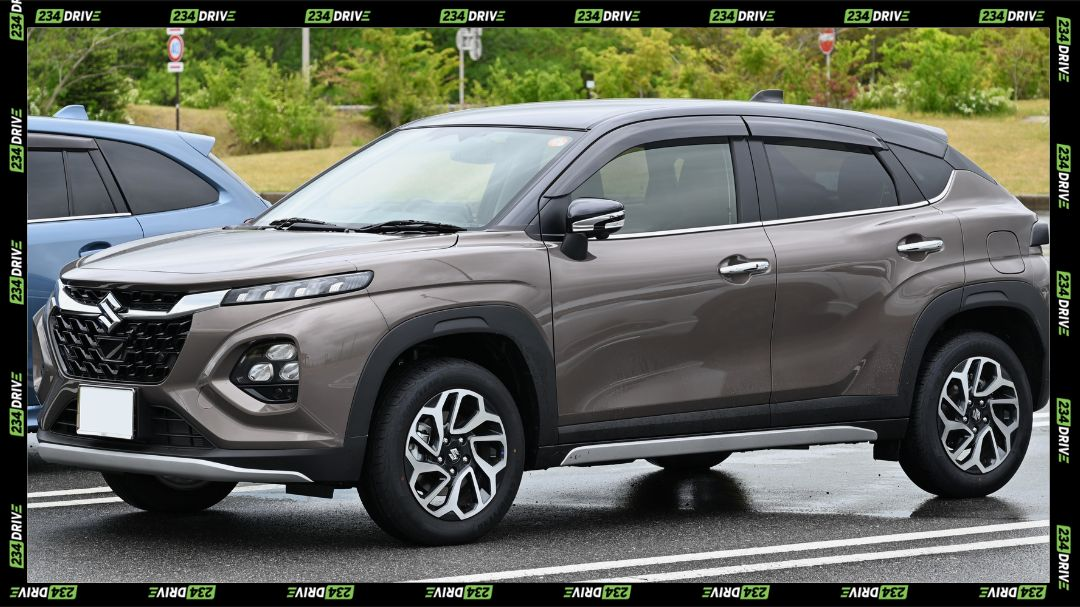
The Suzuki Fronx distinguishes itself through coupe-SUV styling that injects personality into the segment, with a sloping roofline, distinctive front fascia, and sporty proportions. Measuring approximately 3,995mm in length, 1,765mm in width, and 1,550mm in height, it’s compact yet visually striking, appealing to younger buyers who prioritise style alongside practicality. The exterior design incorporates bold colour options, contrasting roof treatments on certain specifications, and modern LED lighting that creates a premium impression. Suzuki has clearly targeted urban professionals who want their vehicle to reflect personal style whilst remaining practical for daily use.
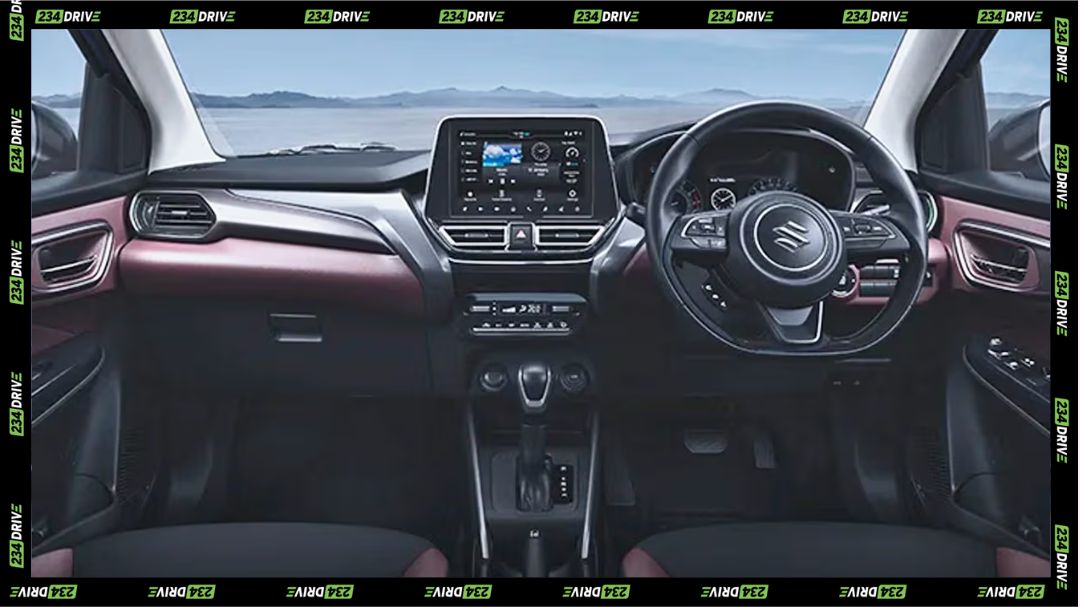
The interior impresses with a nine-inch infotainment system featuring Apple CarPlay and Android Auto, ensuring seamless smartphone integration that resonates with tech-savvy buyers. Build quality is solid, with decent materials and ergonomic design creating a pleasant driving environment. Six airbags, ESP, ABS/EBD, and hill-hold assist provide comprehensive safety coverage unusual for this price point. The 1.5-litre engine produces 77kW and 138Nm, identical to the Urban Cruiser, but the Fronx achieves remarkable efficiency at just 5.5 litres per 100km, making it the most frugal in this group. Starting from R298,900, it offers exceptional value for those prioritising running costs. The driving dynamics are nimble and engaging, with light weight and responsive handling making it enjoyable on twisty roads, though highway refinement could be better. November sales of 1,176 units, up 32.4% year-on-year, demonstrate growing acceptance of Suzuki’s stylish approach to the compact crossover segment.
How Well Do These Cars Handle South African Roads?
South Africa’s diverse terrain demands vehicles capable of handling everything from smooth highways to deteriorating urban roads and occasional gravel tracks, making raised ground clearance essential. These five SUVs offer between 160mm and 200mm of clearance, sufficient for navigating potholes, speed humps, and unmaintained surfaces without constant anxiety about undercarriage damage. The climate varies dramatically across regions, from coastal humidity to inland temperature extremes, requiring robust air conditioning systems and durable materials that resist degradation—areas where Japanese manufacturers traditionally excel, though Chinese brands have improved considerably. Maintenance accessibility proves crucial, with Toyota’s extensive dealer network across even remote areas providing peace of mind, whilst newer entrants like Chery and Haval have rapidly expanded their service footprints to compete effectively.
Vehicle prestige remains important in status-conscious South African society, with Toyota’s brand equity providing intangible value beyond specifications, justifying price premiums through perceived reliability and resale strength. Chinese manufacturers combat this through aggressive pricing and extended warranties that reduce financial risk, gradually shifting perceptions through consistent quality improvements. Fuel efficiency has become paramount with petrol prices remaining elevated, explaining the strong performance of hybrids and economical models like the Fronx, which can save thousands of rands annually compared to larger, thirstier alternatives. Security considerations also influence choices, with all five models featuring remote central locking and increasingly sophisticated alarm systems, whilst their popularity means parts availability and specialist knowledge remains strong even outside major centres.
Competitive Positioning and Market Comparison
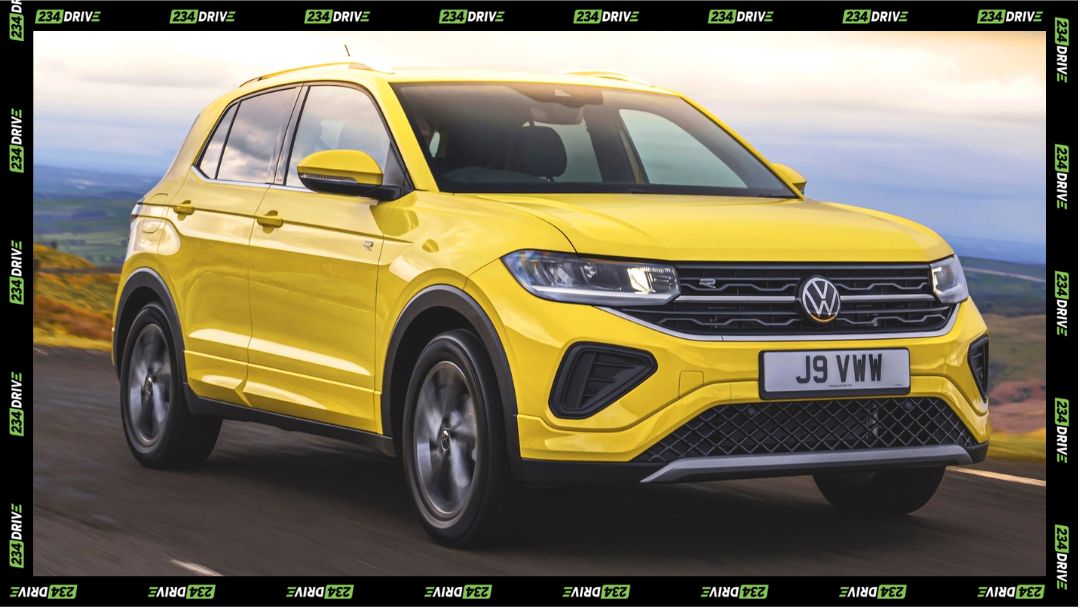
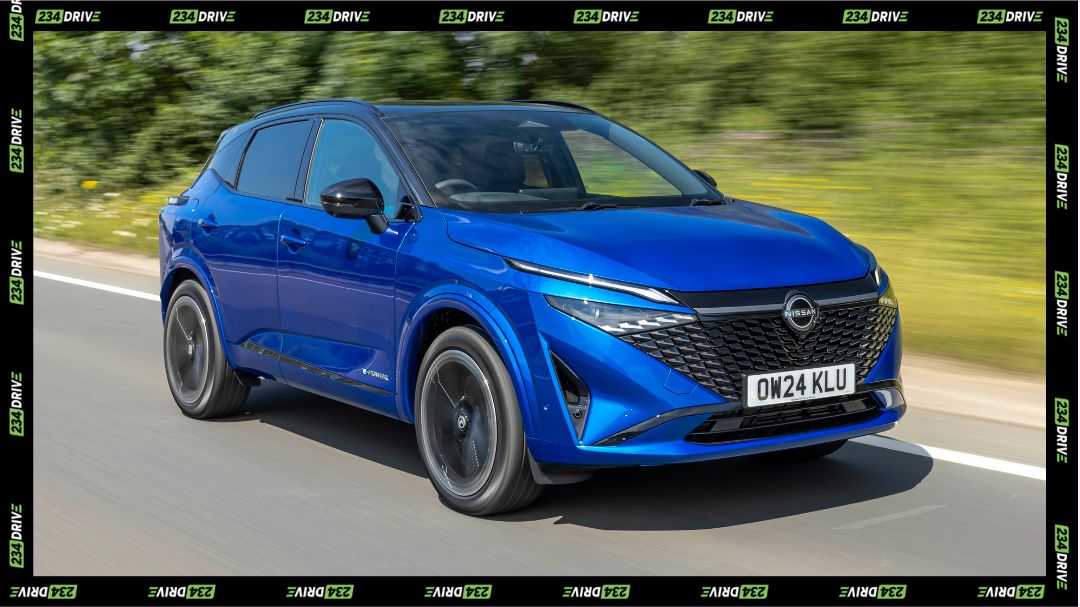
The Toyota Corolla Cross competes directly with established players like the Volkswagen T-Cross and Nissan Qashqai, commanding premium pricing justified through brand reputation and hybrid availability. Its resale value remains exceptional, with three-year retention rates around 80%, significantly outperforming Chinese rivals who depreciate more rapidly despite improving quality. Service costs are reasonable given Toyota’s extensive network and competitive parts pricing, with six-service/90,000km plans keeping ownership predictable. The Chery Tiggo 4 Pro and Haval Jolion target price-sensitive buyers who might otherwise consider used premium SUVs, offering more features and warranties than equivalent Japanese alternatives at similar money. Their depreciation remains steeper, though extended warranties partially offset this concern, and increasing market acceptance is gradually improving residual values as reliability perceptions shift positively.
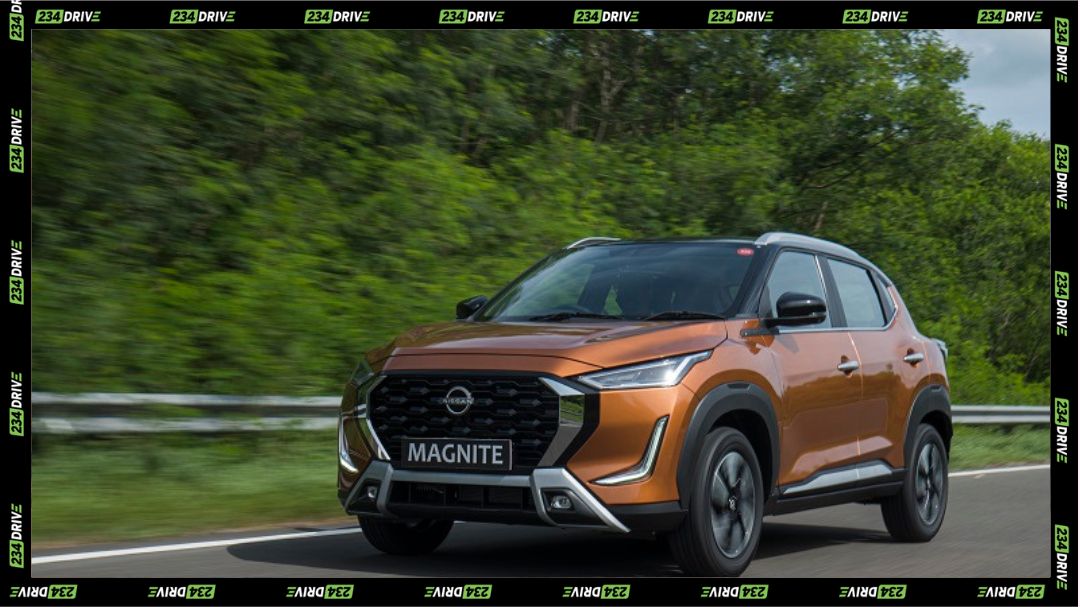
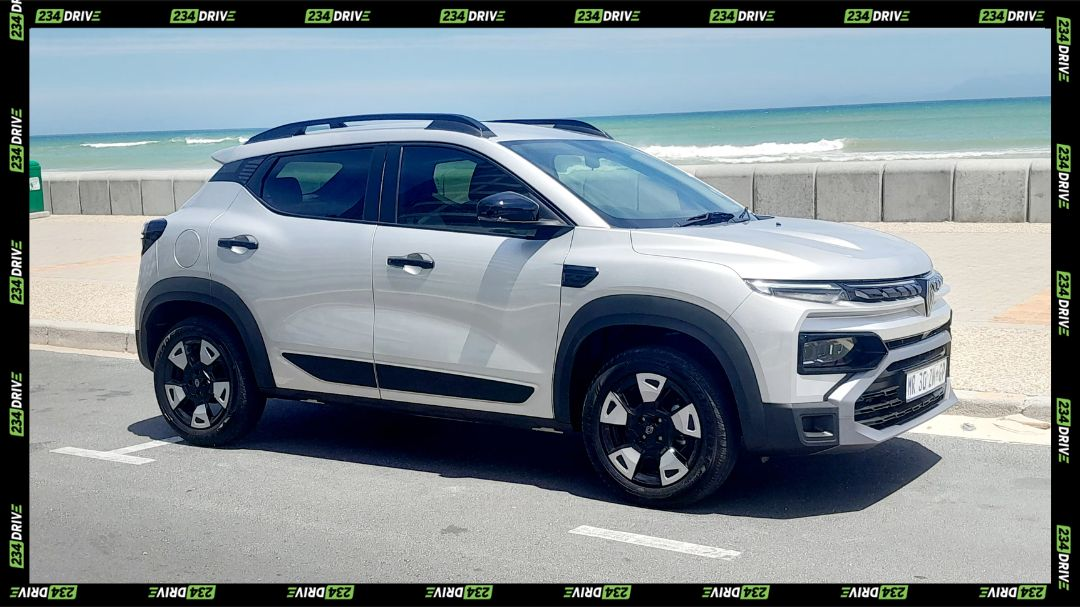
The Toyota Urban Cruiser faces competition from the Nissan Magnite and Renault Kiger in the budget crossover segment, with its Toyota badge commanding loyalty despite fewer features than rivals. Durability and low maintenance costs justify the premium for buyers prioritising long-term ownership over initial specification. The Suzuki Fronx occupies a unique position, competing on style and efficiency rather than pure value, with strong residuals for Suzuki products and affordable service costs through the brand’s growing dealer network. Across the segment, maintenance accessibility favours established Japanese brands, though Chinese manufacturers have invested heavily in infrastructure to overcome historical weaknesses. Insurance costs vary minimally between these models, averaging around R1,000 monthly for comprehensive coverage, though individual quotes depend on driver profile and location.
Conclusion
South Africa’s top five SUVs for 2025 demonstrate that modern buyers prioritise practicality, efficiency, and value over traditional prestige, with Chinese manufacturers successfully challenging Japanese dominance through aggressive pricing and improved quality. The Toyota Corolla Cross leads through brand strength, local manufacturing, and hybrid technology, whilst the Chery Tiggo 4 Pro and Haval Jolion prove that affordability needn’t mean compromise. The Toyota Urban Cruiser and Suzuki Fronx cater to budget-conscious buyers without sacrificing essential features or reliability. Together, these models represent the perfect balance of capability, economy, and modern features for South African conditions, whether navigating city traffic, family road trips, or occasional gravel adventures.
Which of these SUVs best suits your needs? Share your thoughts and ownership experiences in the comments below.