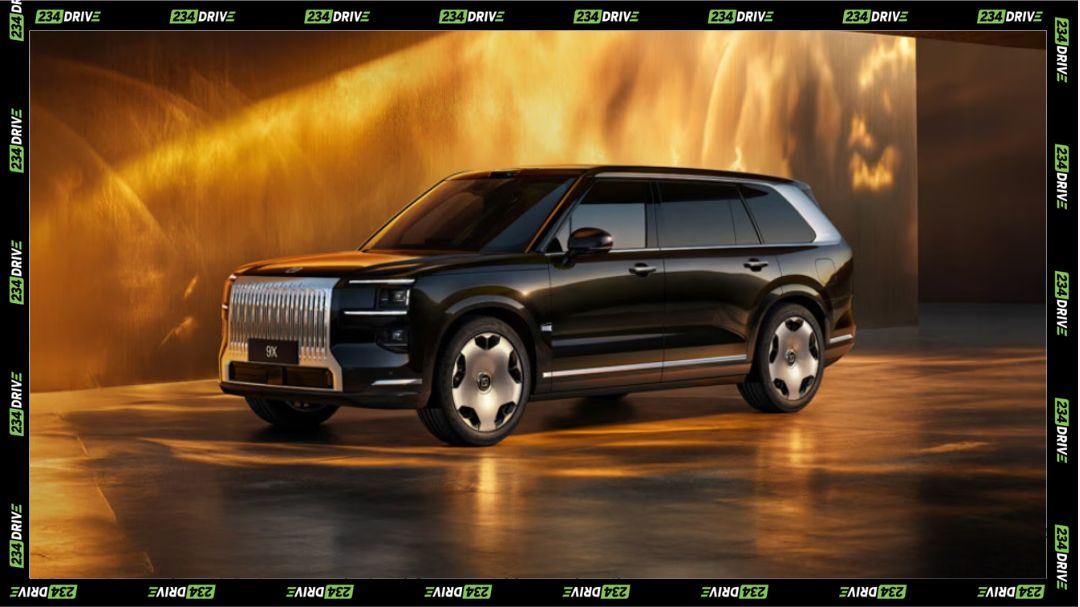


The Land Cruiser FJ draws heavy attention at the Japan Mobility Show, showing the simple, rugged design that excited long-time Toyota fans. | Source: Autoblog
It had its build-up phase, and the excitement among Toyota regulars for the new Land Cruiser FJ felt almost tangible. But despite all the noise, the compact off-roader will not land in the United States, Australia, or Europe. These three major markets have already ruled it out before it even gets a chance to prove itself.
What’s Inside the Land Cruiser FJ That Turns Major Markets Away?
Toyota revealed the Land Cruiser FJ just ahead of the Japan Mobility Show on October 21, where the model instantly became one of the event’s biggest crowd-pullers. Its simple, functional shape echoes the old FJ Cruiser, and its positioning as an entry-level companion to the broader Land Cruiser lineup helped fuel the early attention. The model runs on Toyota’s familiar 2TR-FE 2.7-litre gasoline engine, a unit that has long powered vehicles like the Hilux Surf, Tacoma, Innova, Fortuner, Hiace, and earlier Prado generations. It is a durable, well-known workhorse built for regions where reliability and low-cost maintenance matter more than cutting-edge efficiency.
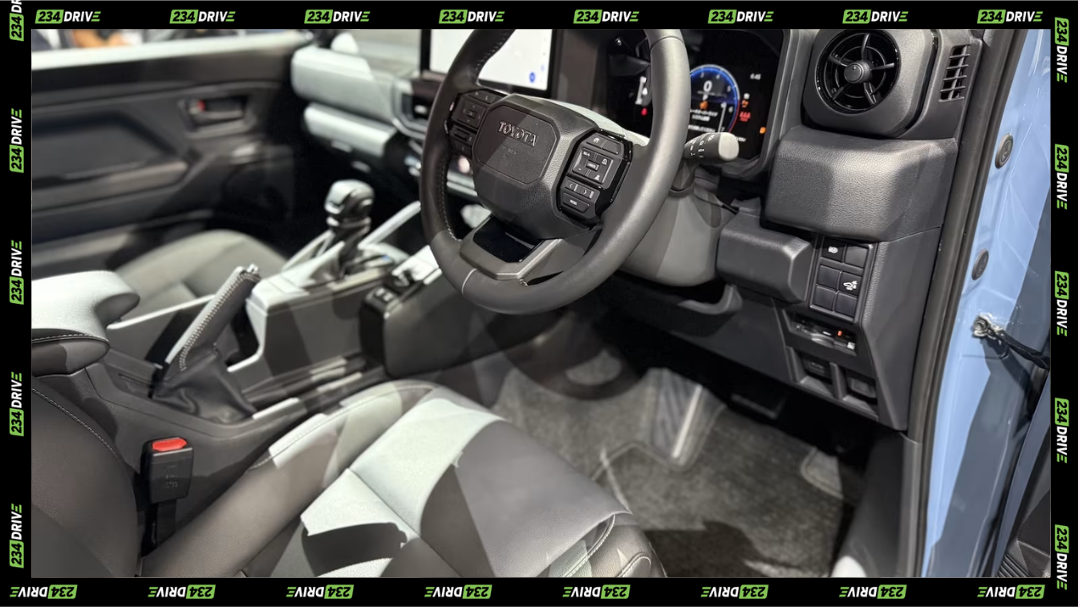
Inside, the FJ keeps a straightforward, functional cabin built for durability, reflecting Toyota’s focus on practicality over premium complexity. | Source: Autoblog
That mechanical choice is also the reason stricter markets are shutting the FJ out. Its 2.7-litre engine fails to meet Euro 6 emissions standards, which now apply across Europe, the US, and Australia. Toyota Australia says the vehicle is a “no-go zone” in its current form because it cannot clear modern emissions tests. Toyota built the model mainly for Asian markets with lighter regulations, and without a cleaner, fully compliant powertrain, its global reach will stay limited.

Built for emerging markets, the Land Cruiser FJ showcases its rugged stance and workhorse setup in configurations aimed at everyday adventure. | Source: Autoblog
Africa Is Also Tightening Its Auto Market and Raising Vehicle Import Standards
Africa sits in a similar moment of tightening rules. Nigeria recently enforced a 10-year age limit on imported used vehicles, shifting from a previous 12-year limit earlier this year. Customs officials now only allow vehicles built in 2015 or later, citing safety concerns, pollution risks, and the long-term cost of running older fleets. Kenya bars imports older than eight years; Ghana also maintains a 10-year limit. Across the continent, governments are making it clear that older, higher-emission vehicles will no longer slip through.
With these policies tightening in Africa and strict emissions rules blocking access in the West, the Land Cruiser FJ may find its strongest footing in the Asian markets it was built for. But as global standards rise, questions like, “Will models like this continue to be forced to a single market after production, or will they be tweaked for worldwide use?”