
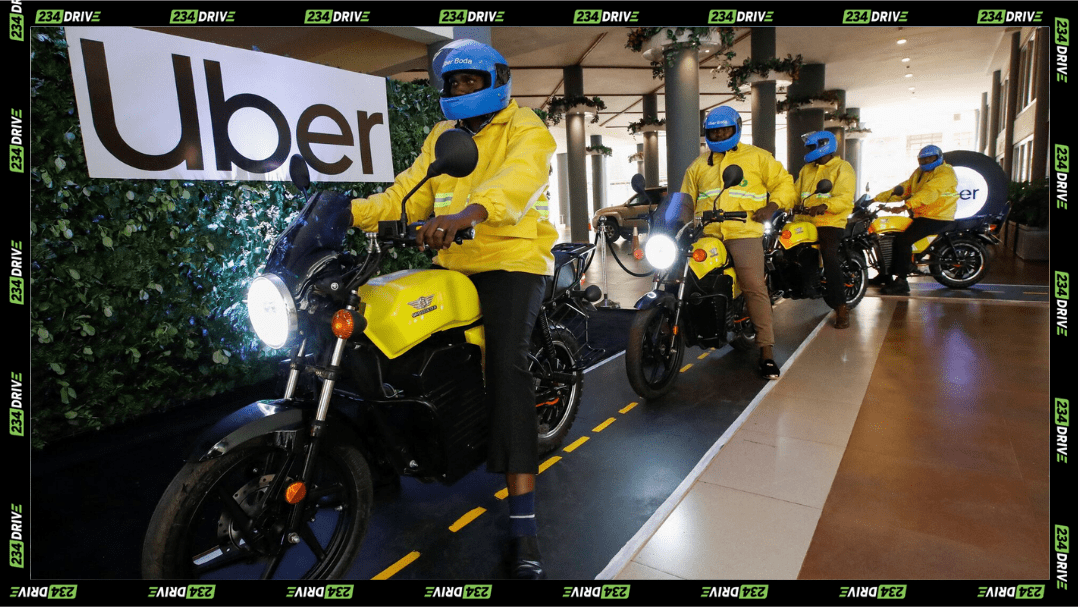
Uber riders display the company’s electric boda fleet in Kenya, showcasing its push toward cleaner two-wheel transport. | Source: Reuters
One of the easiest ways to move across short distances is also becoming one of the most practical ways to help the world breathe a little better—by turning our everyday trips green. It’s a drive that is now gaining momentum as Uber in South Africa considers introducing electric motorbikes to its Moto service.
Two years after launching electric bodas in Kenya, the company is testing several models to see how electric two-wheelers could boost reliability and lower running costs while keeping fares predictable across major cities. The effort builds on Uber Moto’s rapid growth in Johannesburg since its 2025 pilot and follows the rollout of Uber Go Electric, which already has dozens of EVs on the road.
The timing reflects a simple reality, which is that South Africans increasingly prefer two-wheel options for short trips, especially as fuel prices fluctuate and road congestion worsens. Uber believes electric bikes could help drivers work longer hours with fewer breakdowns and refuelling stops, while giving riders cheaper, steady pricing during peak travel windows.
How Soon Could Uber Roll Out Electric Bikes in South Africa?
However, the transition to electric bikes might not be lightning fast, as a shift to electric also brings practical challenges. Uber must consider charging and battery-swap access in high-traffic zones, create financing plans for drivers, and ensure electric bikes meet safety standards on major roads. But the company says internal assessments and consultations with partners are underway as part of its long-term plan to support an all-electric global fleet by 2040.
South Africa’s broader mobility landscape shows why this move feels natural. Delivery firms and logistics companies have already normalised motorcycle fleets, making commuters comfortable with two-wheel transport for errands, neighbourhood trips, and last-mile connections. Uber Moto now operates in more than 20 areas of Johannesburg, completing thousands of monthly rides at fares starting around R18.
Could Electrifying Africa’s Last-Mile Transport Be the Key to a Greener Continent?
Additionally, Uber isn’t entering this electric pivot alone. Bolt has already taken a similar approach, piloting electric kekes (tricycles) in Nigeria to reduce operating costs and ease last-mile commutes. Spiro, one of Africa’s fastest-growing EV players, is already producing and servicing electric motorbikes across multiple countries, proving that electric two-wheel transport can scale in African conditions.
If Uber proceeds, South Africans could soon experience a quieter, cleaner transport option that keeps daily travel affordable while giving drivers a more efficient way to earn. The continent’s mobility sector is in a transition, and electric bikes may become one of the simplest, most visible ways people contribute to a greener future—one short trip at a time.