
Vehicle licence renewal is a fundamental aspect of responsible vehicle ownership in South Africa, governed by the National Road Traffic Act, 1996 (Act No. 93 of 1996). This process ensures that all motor vehicles on public roads are legally compliant, contributing to road safety and administrative efficiency through the National Administration Traffic Information System (NaTIS). While the core requirements are standardised nationally, fees and certain procedural nuances vary by province in light of local administrative structures.
This guide provides an exhaustive overview of the essential facts, processes, costs, penalties and best practices to assist motorists in navigating the renewal landscape effectively.
Understanding Vehicle Licensing in South Africa
In South Africa, every registered motor vehicle must display a valid licence disc on the windscreen. This disc serves as physical proof that the vehicle is licensed with the relevant provincial authority and that the required annual fees have been settled.
The Annual Requirement
For the vast majority of motorists, vehicle licensing is an annual requirement. The licence is valid for 12 months from the date of issue. However, there are exceptions:
- Buses and heavy goods vehicles: Vehicles exceeding 3,500kg or those used for public transport must be licensed every six months. This is often tied to more frequent roadworthiness certification requirements.
- The Grace Period: South African law provides a 21-day grace period following the expiry date printed on the disc. During these three weeks, you may still drive the vehicle and renew the licence without incurring late-payment penalties. If the 21st day falls on a weekend or public holiday, the grace period usually extends to the next working day.
The Role of NaTIS and RTMC
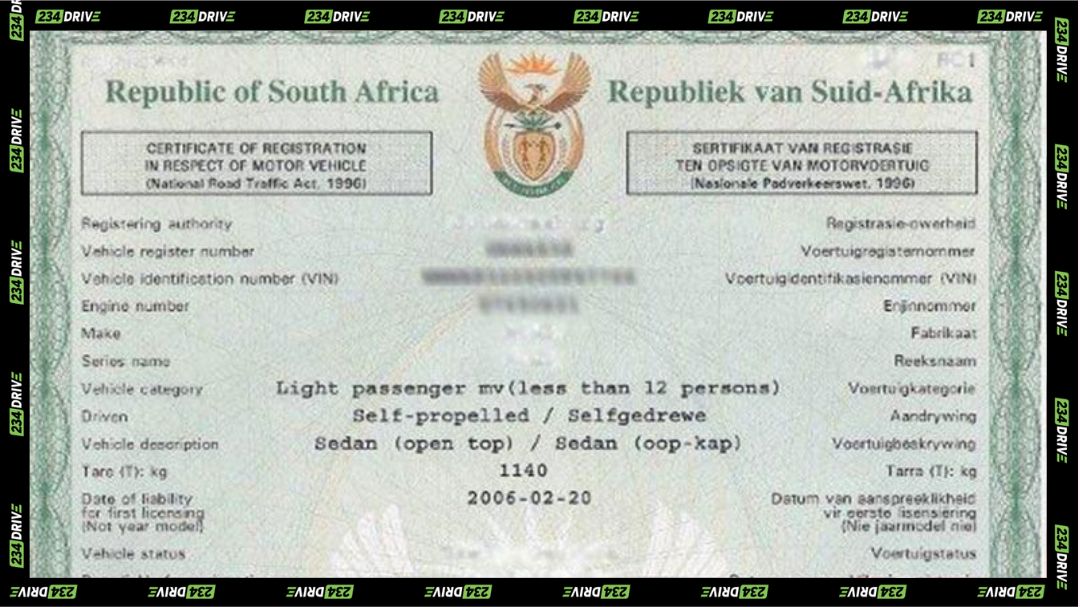
The system is managed by the Road Traffic Management Corporation (RTMC) via the NaTIS Home platform. While the national government sets the framework, the actual registration and “over-the-counter” services are handled by local registering authorities, Driving Licence Testing Centres (DLTCs) and designated partners like the South African Post Office (SAPO).
Renewal Channels: How and Where to Renew
South Africa has significantly modernised its licensing systems over the last five years, moving away from a purely “queue-based” model to a hybrid system that includes digital and private-sector solutions.
A. Online Renewal (NaTIS Online)
The official NaTIS platform is now the primary digital channel for those who wish to renew motor vehicle licence credentials remotely.
- Registration: Users must create a profile using their ID number, contact details, and residential address.
- Vehicle Selection: Once logged in, the system displays all vehicles registered to that ID number.
- Payment: Payment is made via credit or debit card. A transaction fee (approximately R72) is added to the provincial licence fee.
- Delivery: The RTMC uses a courier service to deliver the disc directly to the owner’s doorstep. This typically takes between 3 to 10 working days, though users are advised to allow up to 21 days during peak periods.
B. In-Person Renewal (DLTCs and Post Offices)
For those who prefer immediate physical possession of the disc, in-person renewal remains popular.
- Post Offices: Over 400 South African Post Office branches are equipped to process renewals. If you lack a reminder notice, you can use a printed vehicle license renewal form to apply.
- DLTCs and Municipal Offices: These are the traditional hubs for licensing. Some provinces, particularly the Western Cape, have introduced online booking systems to manage queues.
- Drive-Through Facilities: Innovative solutions like the drive-through renewal centres managed by the City of Cape Town allow motorists to renew without leaving their vehicles.
C. Private Services and Banking Apps
Several banks and private entities act as intermediaries for a convenience fee (ranging from R150 to R350).
- Banking Apps: Institutions like Nedbank and FNB allow users to renew through their mobile apps.
- Retailers: Shoprite and Checkers Money Market counters also offer renewal services.
- Private Services: Companies like RENEWONLINE or LicenceZA handle the administrative legwork and courier the disc to you. These are particularly useful for corporate fleet managers.
Documentation Requirements
To ensure a smooth renewal process, motorists must have the correct documentation ready. While the online system automates much of this, the following are required for in-person visits or profile setup:
- Identity Document: A valid South African Green Barcoded ID or Smart ID card. Foreign nationals require a valid passport and a Traffic Register Number (TRN).
- Proof of Residence: A utility bill (water, electricity, or rates) or a bank statement not older than three months. If you live in an informal settlement, a letter from a ward councillor or traditional leader is usually sufficient.
- Renewal Notice (MVL2): This is the form sent to owners via post or email. If you did not receive one, you must complete form ALV (Application for Licensing of Motor Vehicle), available at the testing centre or for download online.
- Company Vehicles: If the vehicle is registered to a business, a Business Registration Certificate (BRC), an ID copy of the appointed proxy and an authorisation letter on the company letterhead are required.
- Roadworthiness: For buses and heavy vehicles, a valid Roadworthy Certificate must be presented.
Costs and Provincial Fee Structures (2025 Estimates)
Licence fees in South Africa are not uniform; they are determined by the vehicle’s tare (unladen) weight and the province in which it is registered. Each province gazettes its own fee increases annually, typically ranging between 5% and 7%.
Comparative Table: Annual Fees for Passenger Vehicles (2025)
| Tare Weight (kg) | Gauteng (R) | Western Cape (R) | KZN (R) | Limpopo (R) | North West (R) |
| 0 – 500 | 348 | 336 | 312 | 294 | 366 |
| 751 – 1,000 | 432 | 390 | 474 | 390 | 366 |
| 1,001 – 1,250 | 492 | 462 | 534 | 420 | 444 |
| 1,251 – 1,500 | 684 | 642 | 672 | 600 | 636 |
| 1,501 – 1,750 | 804 | 708 | 810 | 696 | 732 |
| 1,751 – 2,000 | 1,032 | 810 | 948 | 792 | 864 |
| 2,001 – 2,500 | 1,368 | 1,200 | 1,314 | 1,080 | 1,140 |
Note: Fees are subject to change based on provincial budget adjustments. Gauteng and KwaZulu-Natal generally remain the most expensive provinces for licensing, while Limpopo and the North West often offer more competitive rates.
Penalties and Enforcement
Failure to renew your vehicle licence within the 21-day grace period triggers a series of financial and legal consequences.
Financial Penalties
The penalty for late renewal is calculated at 10% of the annual licence fee for every month the licence remains unpaid. This is calculated from the date of the original expiry, not the end of the grace period.
- Example: If your annual fee is R1,000 and you are four months late, you will owe the R1,000 arrears plus R400 in penalties, totalling R1,400.
Traffic Enforcement
Driving with an expired disc is a contravention of the National Road Traffic Act.
- Fines: Traffic officers can issue fines ranging from R500 to R1,000 depending on the duration of the expiry and local municipal bylaws.
- Impoundment: In extreme cases (usually when the licence has been expired for many months or years), the vehicle may be impounded until the licensing is brought up to date.
- Insurance Risks: Many insurance providers include a clause stating the vehicle must be roadworthy and legally licensed. If you are involved in an accident with an expired disc, your claim could be rejected.
Challenges and Troubleshooting
Despite the system’s improvements, motorists often encounter hurdles:
Blocked Renewals (The “Enforcement Order” Problem)
The most common reason for a renewal being blocked is an outstanding Enforcement Order against the owner’s ID. Under the AARTO (Administrative Adjudication of Road Traffic Offences) system, if you have unpaid traffic fines that have progressed to the enforcement stage, the NaTIS system will not permit the issuance of a new licence disc until the fines are settled or challenged.
Delivery Delays
Online renewals rely on third-party couriers. During civil unrest or severe weather, delivery times can spike. It is highly recommended to start the renewal process at least 30 days before the current disc expires to account for these potential delays.
Dormant Licences
If a vehicle’s licence has not been renewed for more than four years, the record is “cancelled” on the NaTIS system. To get the vehicle back on the road, the owner must re-register the vehicle, pay all back-dated arrears (which can be substantial), and put the vehicle through a fresh roadworthy test.
Practical Tips for Motorists
- Check Your Disc Monthly: Do not wait for a reminder in the post. Many post offices no longer send physical notices due to budget constraints.
- Update Your Address: If you move provinces, you must notify the registering authority within 21 days. Failure to do so can result in renewal notices being sent to the wrong address and potential mismatches in fee calculations.
- Use Fleet Management Tools: For households with multiple vehicles or small businesses, apps like Cartrack or banking platforms provide automated reminders to prevent late-payment penalties.
- Beware of Scams: Only pay for renewals through official government portals, reputable banks, or verified private services. Be wary of unsolicited SMS messages asking for “unpaid licensing fees” with suspicious links.
Conclusion
The vehicle licence renewal process in South Africa, while seemingly complex due to provincial variations, is a vital component of the country’s road management strategy. By leveraging the new online systems and staying mindful of the 21-day grace period, motorists can avoid the mounting costs of penalties and the legal risks associated with unlicensed driving. Whether opting for the convenience of a courier or the immediacy of a post office visit, staying proactive is the key to ensuring your vehicle remains legally compliant on South African roads.