
The Volkswagen Golf Mk7, produced between 2012 and 2020, stands as an enduring benchmark in the compact hatchback segment globally, and its reputation for quality and versatility is firmly cemented within the Moroccan automotive landscape. Across cities like Casablanca, Rabat, and Marrakech, the Golf 7 is consistently one of the most visible and sought-after models on the used car market, particularly through major classifieds like Avito.ma. It is a vehicle that successfully balances the efficiency and practicality demanded by high-mileage drivers with the refined driving dynamics expected of German engineering, making it a powerful contender for the discerning Moroccan buyer.
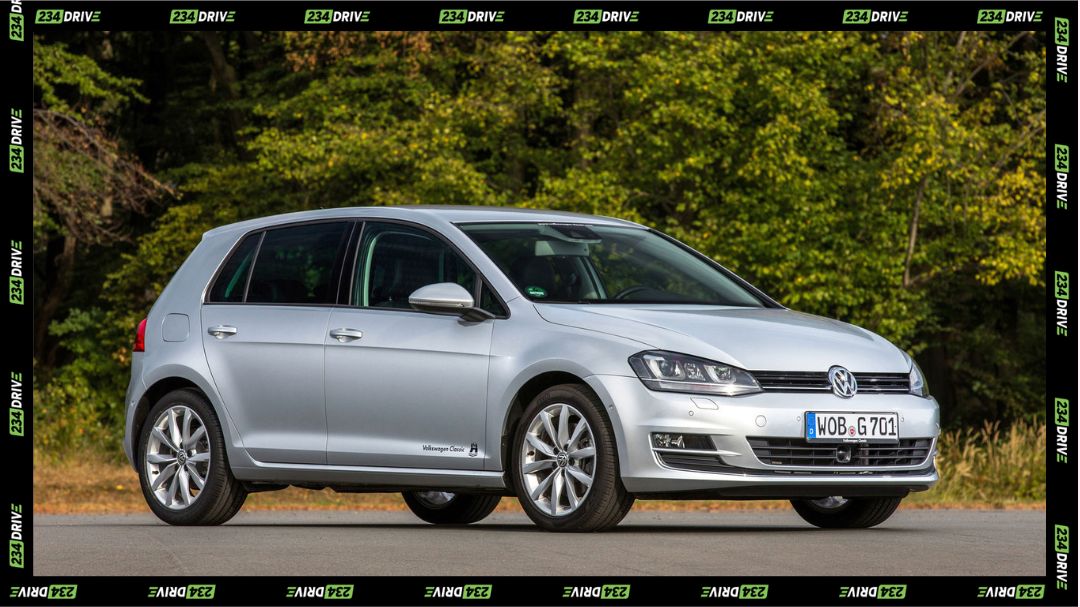
This sustained popularity is rooted in the car’s proven engineering and high perceived value. For many Moroccan drivers, the Golf badge signifies reliability and a premium experience without the running costs typically associated with larger luxury vehicles. Its strong local presence, coupled with a robust supply of imported, “dédouanée” (customs-cleared) units, ensures a vibrant secondary market. However, prospective owners must navigate the common reliability concerns, especially regarding popular diesel and automatic gearbox variants, to secure a worthwhile long-term investment.
Exterior Design, Styling Features, and Road Presence
The Golf 7’s exterior design adheres to Volkswagen’s philosophy of understated, timeless aesthetics. It is an evolution, rather than a revolution, of the iconic hatchback shape, characterised by clean lines, a strong horizontal grille, and a wide stance that lends it an air of sophisticated confidence. Unlike some flashier rivals, the Golf 7 prioritises engineering maturity over transient design trends, ensuring it still looks modern and competent on Moroccan roads today.
The compact footprint, measuring approximately 4.2 metres in length, is perfectly suited for navigating busy urban environments while still providing a reassuring road presence, particularly in the premium variants. Models equipped with optional features such as LED running lights, R-Line body kits, or larger alloy wheels (often sought after in the Moroccan market for their aesthetic appeal) elevate its visual status from reliable family runabout to something more aspirational. This blend of subtle prestige and practicality contributes significantly to its strong resale value across the region.
Interior Comfort and Technology Integration
Inside, the Golf 7 continues to impress with a cabin renowned for its high build quality and ergonomic design, a major factor in its class-leading reputation. The materials used, even in standard specification, feel robust and durable, a critical attribute for long-term ownership. Space is ample for five adults, offering superior refinement and noise insulation compared to many direct segment rivals, which enhances comfort during long-distance highway travel between cities.
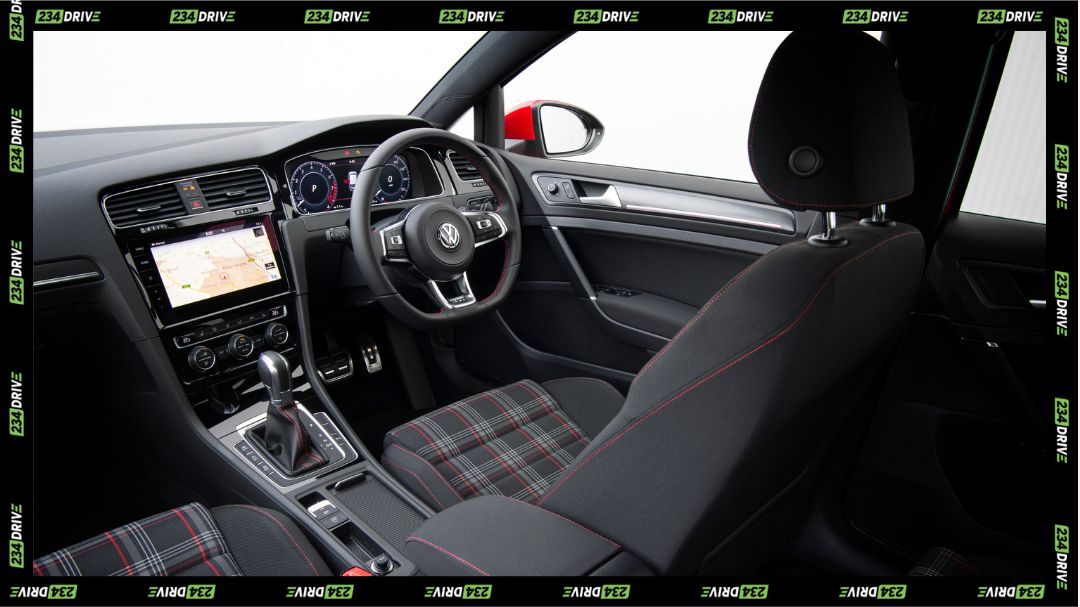
In terms of technology, later Mk7 and Mk7.5 models introduced responsive touchscreen infotainment systems (often eight-inch units) that included features like navigation, Bluetooth connectivity, and smartphone integration (where available). While the digital interfaces were advanced for their time, owner feedback often highlights that earlier system versions can suffer from occasional electrical glitches or software freezes. Buyers should also prioritise models with sought-after comfort features, such as dual-zone climate control and rear parking sensors/cameras, which provide essential utility in high-traffic Moroccan city centres.
Performance Details and Powertrain Versatility
The heart of the Golf 7’s popularity in Morocco lies in its powertrain options, with diesel variants overwhelmingly dominating the market due to their torque and efficiency. The highly effective 1.6-litre and 2.0-litre TDI engines are celebrated for delivering punchy low-end torque (the 2.0-litre GTD often provides around 380 Nm) combined with exceptional fuel economy, typically achieving real-world consumption figures of 5–6 litres per 100 km. This makes them economically viable for both daily urban use and crossing vast distances across the Kingdom.
Performance variants, such as the petrol GTI and the diesel GTD, elevate the driving dynamics significantly. The GTI, with its turbocharged 2.0-litre petrol engine, offers exhilarating performance (exceeding 200 hp), while the GTD provides a diesel equivalent, blending high-end performance with continued fuel efficiency. While manual transmission models are available, the DSG automatic gearbox is highly popular for its quick shifts, though it remains a key area of potential reliability concern requiring diligent, scheduled maintenance.
Current Market Pricing and Valuation in Morocco
The used market for the Volkswagen Golf 7 in Morocco is highly active, with hundreds of listings frequently found on platforms such as Avito.ma. This constant demand helps maintain the car’s value, placing it at a premium compared to many non-European rivals. Generally, used Volkswagen Golf 7 models range from 150,000 to 250,000 MAD (Moroccan Dirham), with prices fluctuating based on condition, import status (“dédouané”), and specifications.
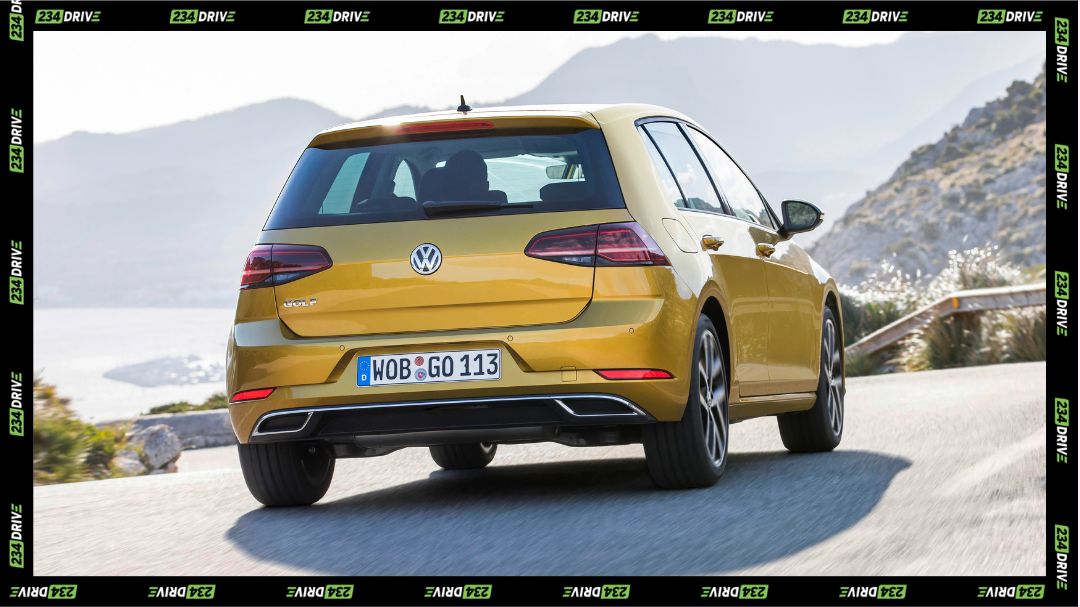
Entry-level models from the earlier 2013–2015 production years, often featuring higher mileage (over 200,000 km), typically start at the lower end of the range, around 150,000–170,000 MAD. Conversely, later models (2018–2020) with lower mileage (below 150,000 km) and premium options—such as the panoramic roof, advanced infotainment, or the desirable GTD/R-Line packs—can command prices well over 220,000 MAD, occasionally reaching up to 250,000 MAD for impeccable, full-option examples. The dominance of diesel variants means they often attract a higher price point than their less common petrol counterparts. Buyers should always check for full service records and verify the customs clearance status.
Relevance to the Moroccan Driving Environment and Lifestyle
The Volkswagen Golf 7 is exceptionally well-suited to the Moroccan driving environment and lifestyle, largely due to its adaptability and prestige. In major urban centres like Casablanca and Rabat, the car’s relatively compact dimensions and precise handling make it easy to manoeuvre and park, a significant advantage over larger saloon or SUV competitors. Furthermore, its reputation for refinement ensures a comfortable daily commute, shielding occupants from the typical noise and stress of city traffic.
For drivers who regularly use Morocco’s extensive network of toll roads and highways, the diesel-powered Golf 7 truly comes into its own. Its outstanding fuel efficiency and stable high-speed performance offer a cost-effective and secure way to cover long distances, such as travelling between Tangier and Agadir. The car’s high ground clearance (relative to older low-profile hatches) is generally adequate for handling the varying quality of secondary roads, though its complexity means that sourcing parts and finding competent mechanics for specialised repairs (e.g., DSG mechatronics) requires diligence, particularly outside the major metropolitan hubs.
Comparison to Segment Rivals
In the highly competitive compact hatchback segment, the Volkswagen Golf 7 primarily contends with established Asian rivals, most notably the Toyota Corolla and the Hyundai i30. In terms of cost positioning, the used Golf 7 typically commands a higher initial purchase price (often 10,000–30,000 MAD more for comparable age/mileage) than its rivals. This premium is justified by its superior interior quality, more advanced driving dynamics, and the inherent prestige of the Volkswagen brand in the Moroccan context.
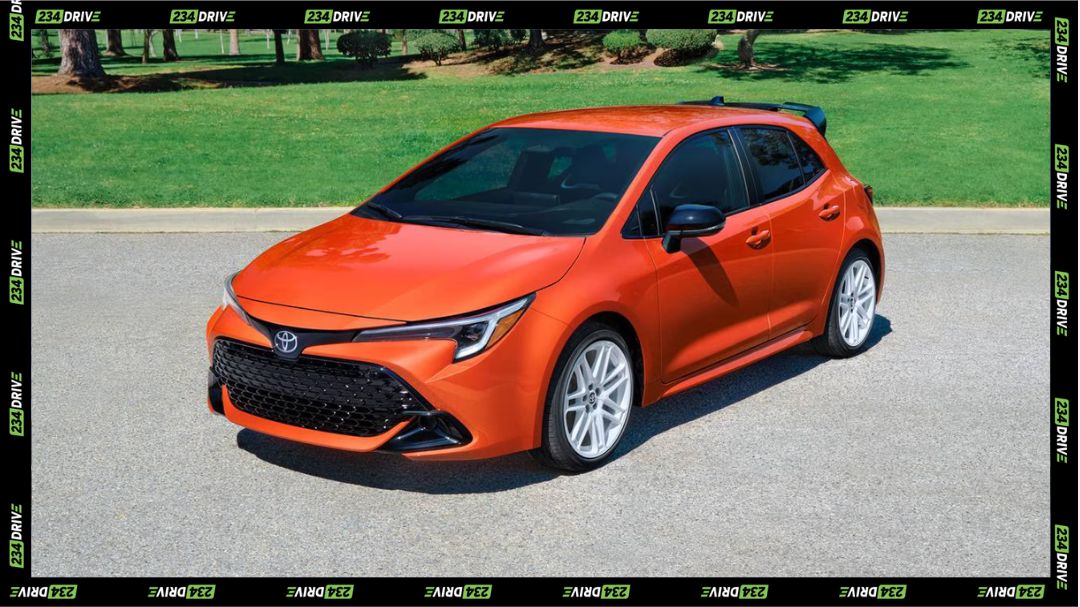
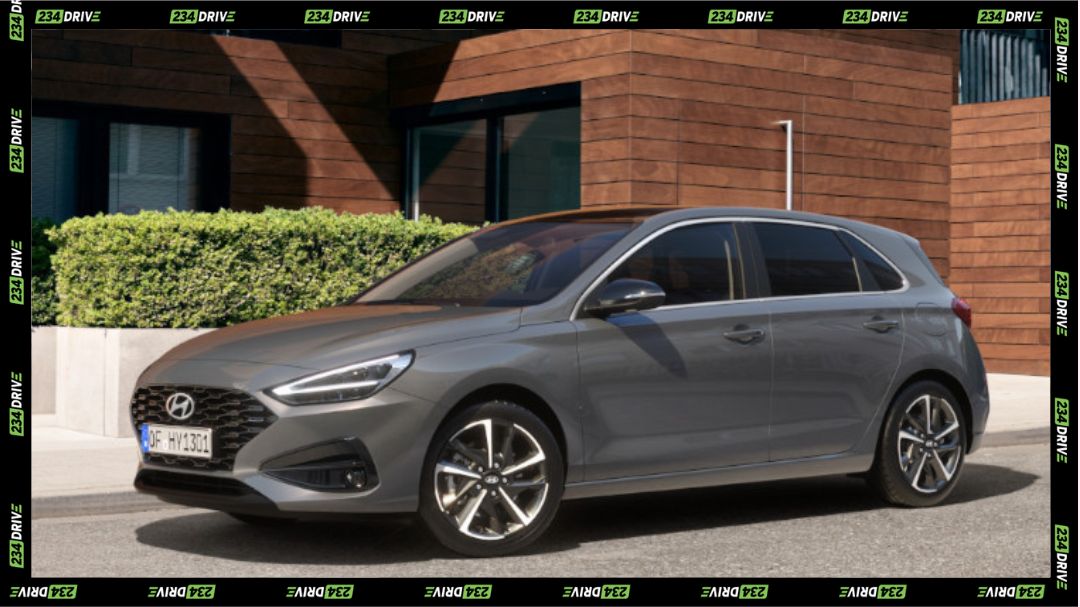
However, the comparison shifts when evaluating long-term durability and maintenance. Japanese and Korean rivals like the Corolla and i30 are frequently lauded for their simplicity and robustness, often offering lower routine maintenance costs and higher resistance to major mechanical failures, particularly in their non-turbo, non-DSG configurations. While the Golf 7 boasts better performance and luxury features, potential buyers must budget for the more expensive scheduled maintenance required by the DSG gearbox and be prepared for potential electrical or air conditioning issues, which are exacerbated by Morocco’s high temperatures and dusty climate. Resale value remains strong for all three, but the Golf 7’s desirability ensures low depreciation, making it a sound financial choice despite the higher initial outlay.
Conclusion
The Volkswagen Golf 7 remains a highly compelling and prestigious choice in the Moroccan used car market. It offers a winning combination of efficient, torque-rich diesel engines, a supremely refined driving experience, and a high-quality, practical interior that has aged exceptionally well. While its advanced technology, particularly the DSG transmission and complex climate control systems, necessitates careful inspection and a commitment to rigorous maintenance schedules, its strong resale value and enduring desirability mitigate many of these risks.
Ultimately, the Golf 7 provides a European benchmark experience on Moroccan roads, offering superior comfort and handling compared to many of its segment rivals. For buyers who prioritise a premium feel and performance and are willing to invest in proactive maintenance, the Golf 7 is an excellent choice. Do you currently own a Golf 7 in Morocco, or are you considering one? Share your thoughts and experiences in the comments below!