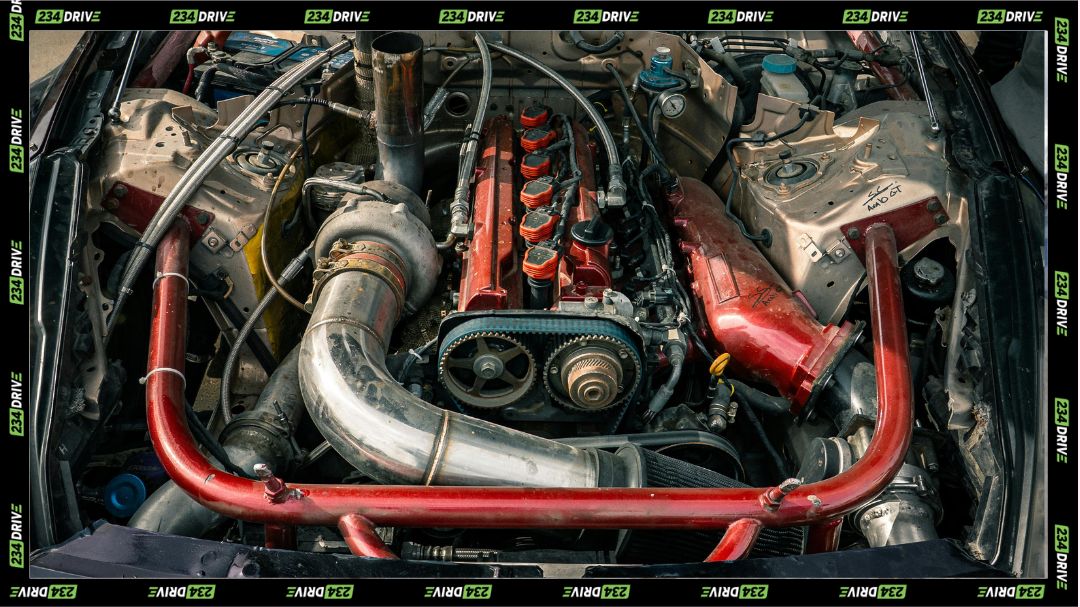

In the automotive world, few terms carry as much weight or as much confusion as ‘touring cars’. Depending on who you ask, the phrase might conjure images of a 1915 Ford Model T, a luxury-trimmed Honda Accord, or a door-banging race car flying around a rain-slicked British circuit.
At its core, the concept of touring cars suggests a journey. It implies a machine designed not just for a five-minute commute, but for the open road and high-performance endurance. To truly understand why the name persists today, we have to look at the evolution of touring cars through the lenses of history, luxury engineering, and high-octane motorsport.
The Historical Roots: The Original Touring Cars (1900s–1930s)
In the infancy of the automobile industry, cars weren’t categorised by modern labels like “SUV” or “Crossover.” Instead, body styles were borrowed from horse-drawn carriage terminology. The touring car was the quintessential family vehicle of the early 20th century.
What Defined a Vintage Touring Car?
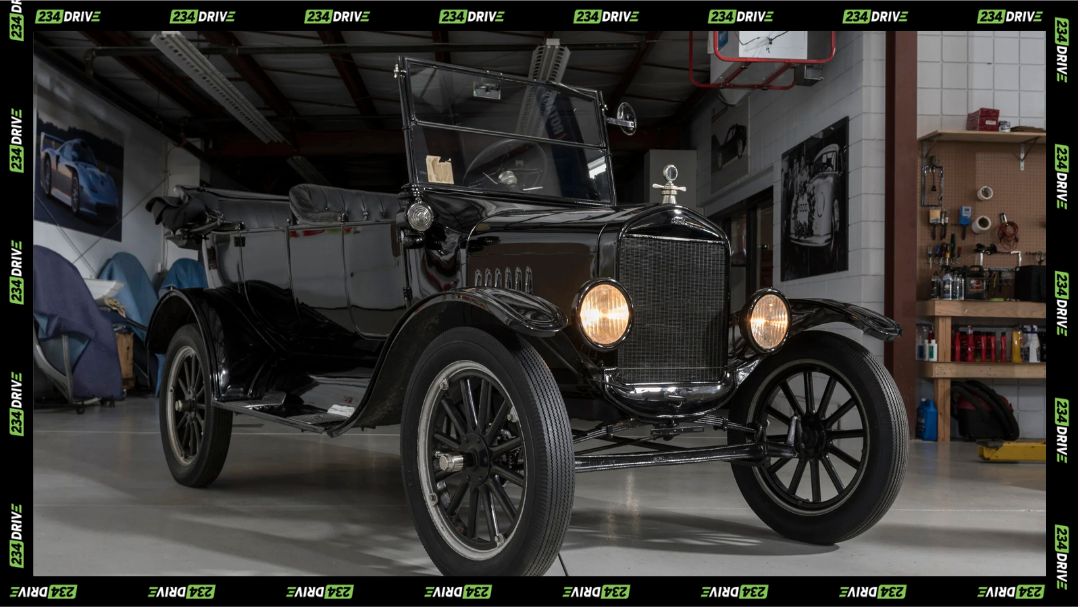
A historical touring car was an open-bodied vehicle designed to seat four or more passengers. Unlike a “Roadster,” which was a smaller, two-seat vehicle for sportier use, the touring car was built for the literal act of touring the countryside with a group or family.
- Open-Air Design: These early touring cars had no fixed roof or side windows. Instead, they featured a folding fabric top and detachable side curtains to protect against the elements.
- The Tonneau Compartment: One of the defining features of these touring cars was the “tonneau”, the rear passenger compartment. In the earliest models, the tonneau was sometimes a separate piece of bodywork bolted onto the chassis.
- The Ford Model T Influence: The most iconic example is the Ford Model T Touring. It was the most-produced variant of the “Tin Lizzie,” accounting for nearly 44% of all Model Ts ever made. This specific version of the touring car put the world on wheels, offering enough space for families to explore the newly developing road systems.
By the 1930s, as manufacturing technology improved, fully enclosed steel bodies (sedans) became cheaper to produce. While we are seeing the G-Wagon V8 era come to a close in modern times, the shift from open-air tourers to enclosed sedans in the 1930s was the first major transformation in automotive body standards.
Modern “Touring” Trim Levels: Comfort for the Long Haul
If you walk into a dealership today and see a “Touring” badge on a tailgate, you aren’t looking at a vintage convertible. In the 21st century, the name has become industry shorthand for high-end comfort and long-distance capability.
The Touring Package Philosophy
Manufacturers like Honda, Subaru, Acura and Mazda use the name to designate their top-tier or flagship trim levels. When you research Accord trims, you’ll find that the Touring badge often represents the pinnacle of that model’s luxury and technological features.
Typical features of a modern touring-spec car include:
- Acoustic Refinement: Extra sound deadening, thicker acoustic glass, and active noise-canceling technology to ensure a quiet cabin at highway speeds.
- Premium Seating: High-grade leather upholstery with multi-way power adjustment, heating, and ventilation for all-season comfort.
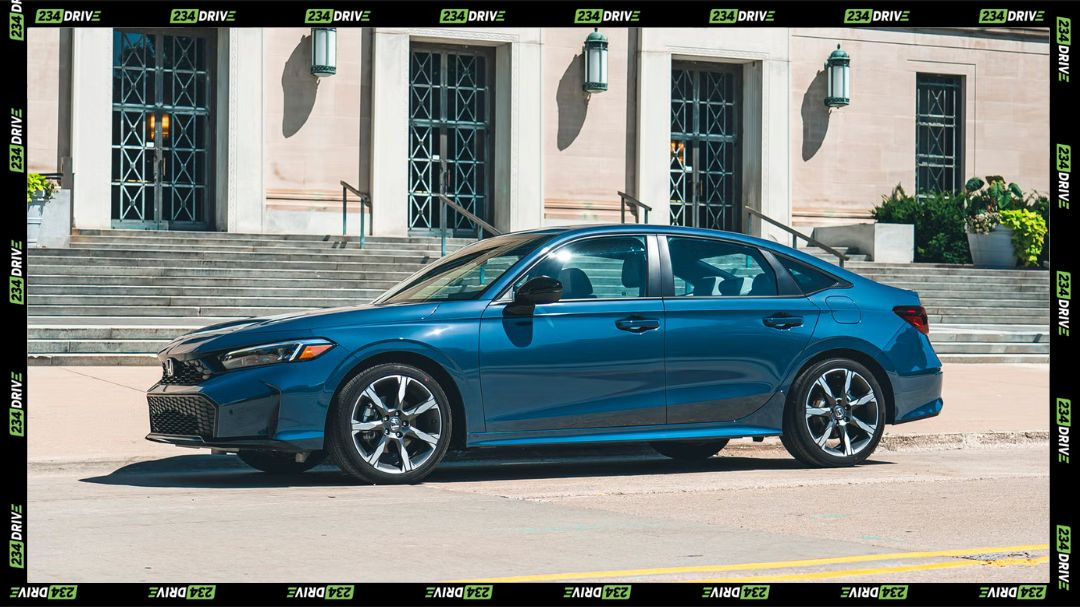
- Advanced Infotainment: For example, the 2024 Accord Touring feels like a stealthy luxury car due to its sophisticated built-in navigation suites. This trend continues with the latest 2025 Civic Hybrid, which blends efficient performance with high-end interior amenities.
- Safety Technology: Manufacturers usually bundle their entire suite of driver-assist features into these models to minimise driver fatigue.
In this context, touring cars represent the most refined version of a specific model, the “Grand Tour” experience translated for the everyday commuter.
Adrenaline on the Track: Modern Touring Car Racing
While a touring-trim road car emphasises quietness, touring car racing is the exact opposite. It is one of the most aggressive, exciting, and relatable forms of motorsport in existence.
The “Relatable” Race Car
The fundamental rule of touring car racing is that the vehicles must be based on production-based saloons (sedans) or hatchbacks. Unlike Formula 1, where the cars are bespoke prototypes, a race-spec touring car looks like something you might see in a suburban driveway just with wider fenders, massive wings, and a fire-spitting exhaust.
- BTCC (British Touring Car Championship): One of the world’s most famous series, renowned for “rubbing is racing” where touring cars often make physical contact during intense overtakes.
- TCR (Touring Car Racing): A global category that allows manufacturers like Hyundai, Honda, Audi, and Lynk & Co to build touring cars to a standardised set of rules (2.0L turbo engines, ~350 hp).
- DTM (Deutsche Tourenwagen Masters): Germany’s elite take on the sport, which historically pushed the technical limits of what touring cars could be, using high-tech “silhouette” designs that look like Audi or BMW road cars but feature carbon-fibre tubs underneath.
Fans love this sport because of the “Win on Sunday, Sell on Monday” factor. Seeing touring cars that resemble your own daily driver winning a race builds a level of brand loyalty that million-dollar supercars simply cannot match.
The Grand Tourer (GT) vs. Touring Cars
One of the most common points of confusion is between touring cars and Grand Tourers (GTs). While they share an etymological root, they are fundamentally different machines.
The GT Philosophy
A Grand Tourer is a high-performance luxury car designed specifically for high speed and cross-continental travel. To many enthusiasts, the coolest GT cars follow a classic formula: a front-engine, rear-wheel-drive 2-door coupe with a 2+2 seating arrangement.
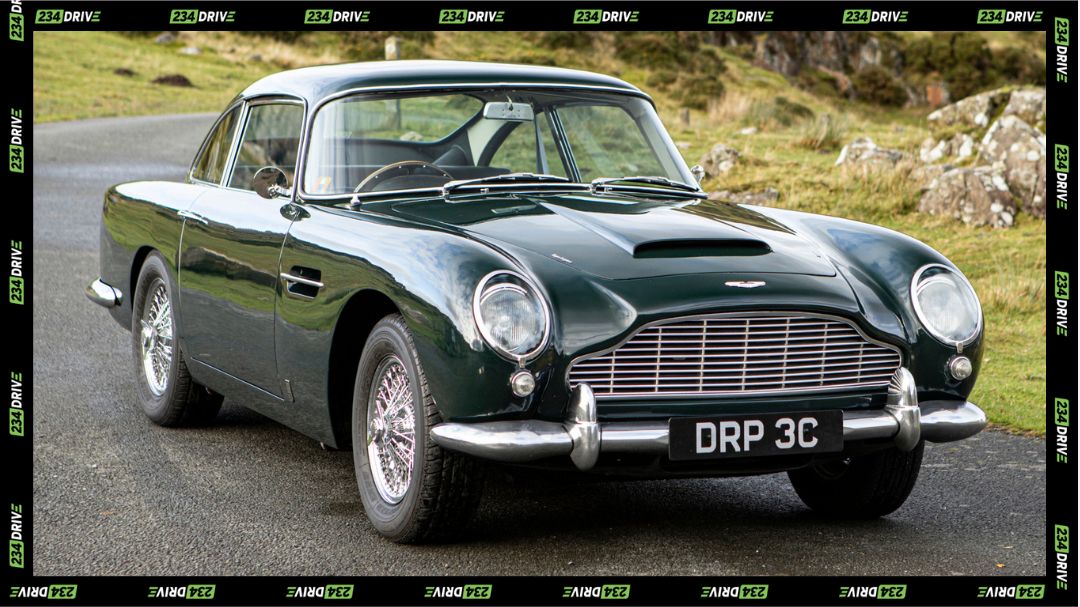
- Classic Icons: Consider the Aston Martin DB5, the Ferrari Roma, or the Bentley Continental GT.
- The Key Distinction: While modern touring cars are often luxury versions of standard sedans, a GT is a purpose-built high-speed cruiser. It is more exotic, more powerful, and significantly more expensive than almost anything carrying a “Touring” badge on a dealer lot. Even high-performance sedans have reached new heights, as seen with the premium BMW M5 price in various markets, reflecting the overlap between daily usability and supercar performance.
Regional Nuances: BMW and the “Wagon” Factor
In Europe, and specifically within the BMW lineup, the word “Touring” has a very practical, specific meaning: it refers to a station wagon.
While Americans might use terms like “Estate” or “Wagon,” many European drivers consider the 3 Series Touring the perfect blend of performance and utility. This tradition began in the late 1980s. Legend has it that a BMW engineer built the first prototype in his garage because he needed a car to carry his family’s luggage for a vacation without sacrificing the legendary handling of a BMW sport sedan.
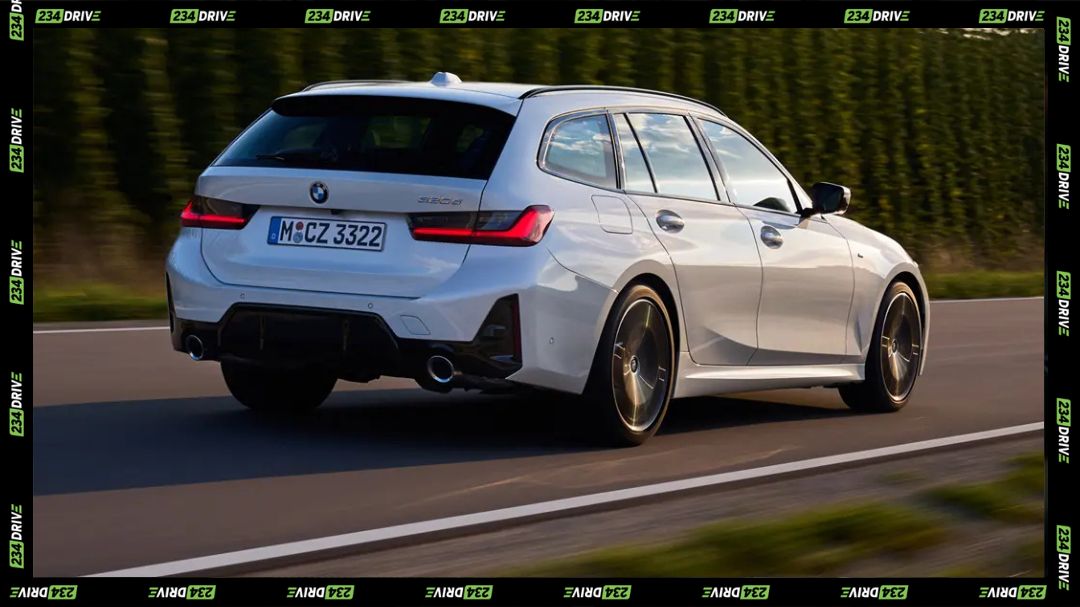
In this niche, these touring cars represent the ultimate “do-it-all” vehicle providing enough space for a family trip to the Alps without losing the agility of a track-bred machine.
Pro-Touring: The Classic Muscle Connection
Finally, we have a modern subculture known as Pro-Touring. This refers to classic American muscle cars (like 1960s Camaros or Mustangs) that have been heavily modified with modern suspension, brakes, and fuel-injected engines.
The “Touring” part of the name signifies that these aren’t just “drag racers” meant for a quarter-mile sprint. Instead, they have been re-engineered as touring cars that can handle curves, stop on a dime, and provide enough comfort for a cross-country road trip.
Why the Legend of Touring Cars Endures
The term touring cars has survived for over a century because it taps into our innate desire to explore. Whether it’s a 1910 open-air vehicle taking a family to a park, a modern sedan with cooled seats and adaptive cruise control, or a race-bred machine fighting for a championship, the name promises capability.
Next time you see a “Touring” badge, don’t just think of it as a marketing term. Think of it as a legacy that stretches back to the very first paved roads, a legacy of the “long drive” and the machines built to master it.