
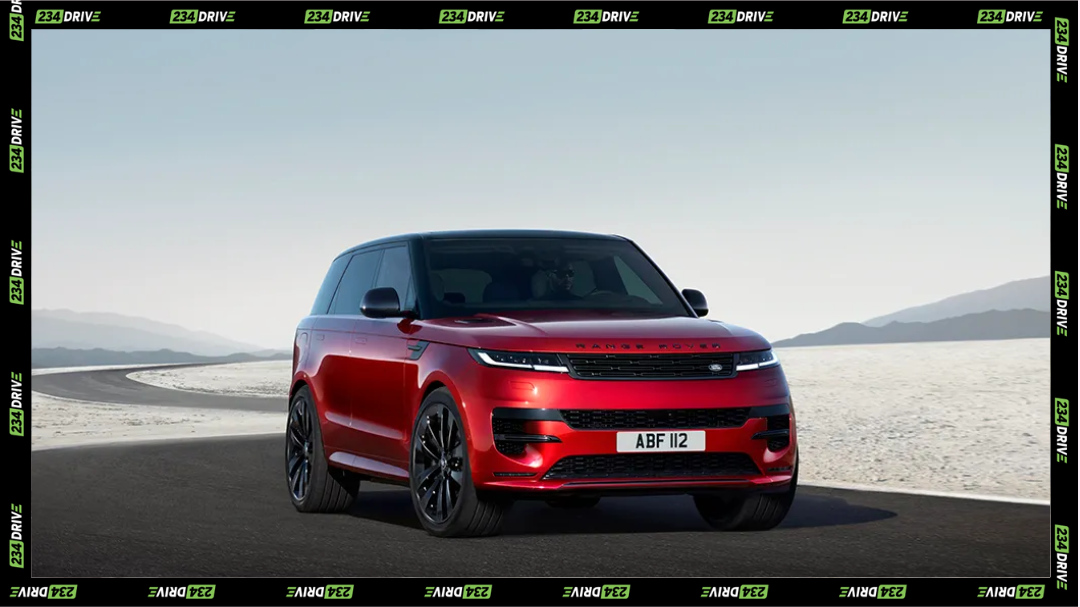
The Range Rover 2023 blends presence, performance, and off-road strength, yet ownership rewards preparation as much as it punishes neglect. | Source: Robbreport
Even before you get to buy a car, chances are you have already heard about the issues surrounding the Range Rover. It has long been a common discussion, usually framed as a warning, but rarely explained in clear terms. Today, those warnings are easier to understand, shaped by years of owner feedback, repair data, and a steady stream of online chatter that reflects real ownership frustrations.
On X, the Range Rover has become a recurring character in reliability jokes. Equity investor and former BBN contestant Leo Dasilva (@SirLeoBDasilva on X) has pushed much of the conversation, with stories that come across as a mix of humour and lived experience. One popular line that generated nearly 200k impressions alone was the suggestion that buying a Range Rover is enough to “make the devil walk out of your life by himself”, while another claims the car alone could send an owner into fasting and prayer. But honestly, these comments are not technical reviews, and they don’t even highlight exactly what would “make the devil walk out of your life by himself”. Still, they ultimately reflect a perception that seems to be growing, which is that owning a Range Rover will surely be emotionally and financially demanding.
What We Found So Far About the Range Rover Issues
234Drive did a surface evaluation and found some consistent themes that align with online owner reports. A sizeable number of Range Rovers find themselves experiencing at least one of these issues within the first few years of ownership, largely due to the vehicle’s complexity.
Electrical Issues
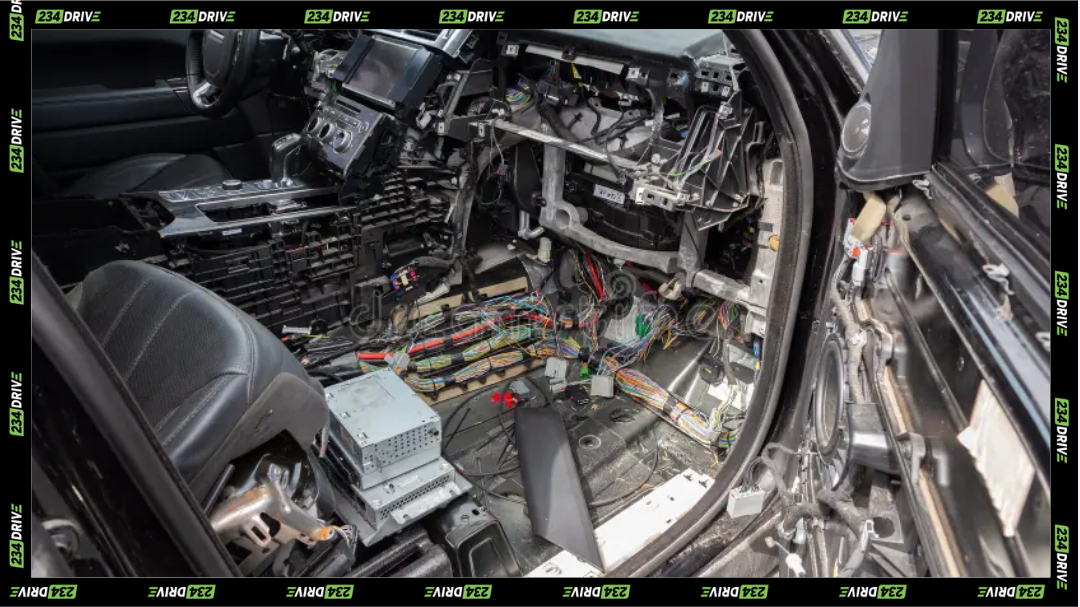
The Range Rover 2023 blends presence, performance, and off-road strength, yet ownership rewards preparation as much as it punishes neglect. | Source: Dreamstime
Electrical problems sit at the top of the list. Owners often deal with malfunctioning infotainment systems, unexplained warning lights, sensor failures, and, in some cases, persistent battery drain. In environments where diagnostic tools and software updates are not always readily available or affordable, these faults tend to feel even more severe and difficult to manage.
Air Suspension
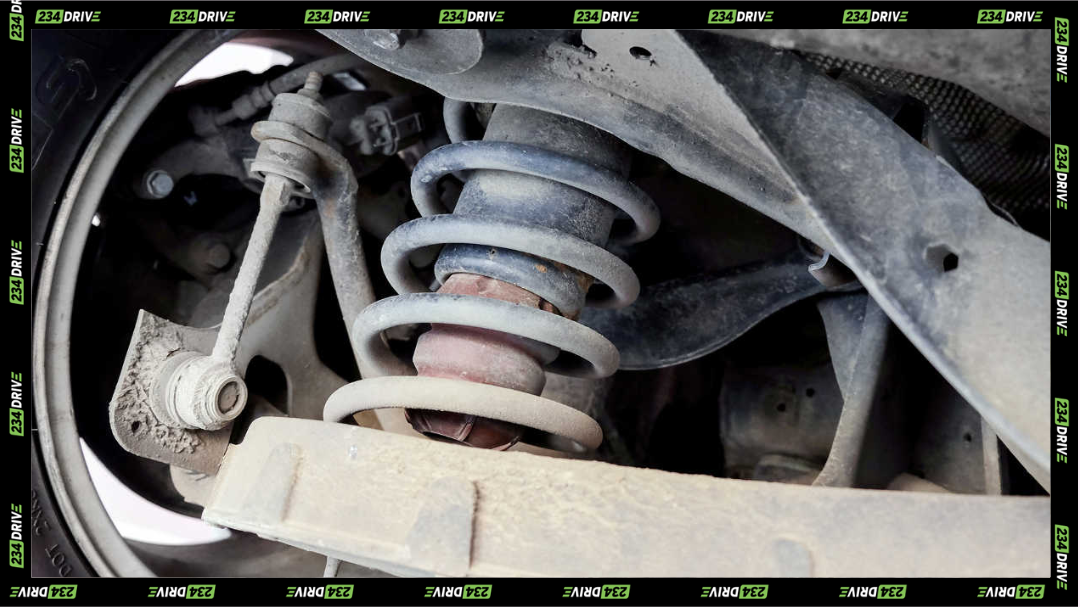
The Air suspension delivers comfort and capability, but aging components often sag, leak, and trigger alerts that demand expensive repairs. | Source: Desert Oasis
Air suspension failures follow closely behind. While the system delivers near-unmatched ride comfort and strong off-road capability, its components tend to age quickly, which then often leads to leaks and failures in parts or the whole. Sagging suspension, uneven ride height, and warning alerts are common complaints, and repair costs can escalate rapidly. As one online comment put it, if the Range Rover were to fully resolve these issues, many former owners would gladly return, considering it’s “one of the best off-road vehicles ever made”.
Special Mentions That Make Occasional Appearances
Engine, cooling, and transmission issues also surface over time. Oil leaks, overheating, timing chain wear, and rough gear shifts appear more frequently in high-mileage or poorly maintained vehicles. It should be noted that these faults are not unique to Range Rover, but parts pricing and labour costs raise the stakes. Add water leaks, interior damage, brake wear, and emissions faults, and the ownership picture becomes clearer and messier.
Nevertheless, the Range Rover remains a reference point for luxury and capability. The real gap comes down to expectations and upkeep. When owners try to stay on top of maintenance, catch issues early, and rely on experienced technicians, most problems can be managed. Without that kind of care, the online jokes start to sound a lot more like an owner’s reality.
In the end, the chatter is not just about hatred for the brand but more like a cautionary tale. The Range Rover rewards informed ownership but punishes neglect faster than most.