
The 2026 Infiniti QX80 Sport represents a watershed moment for the Japanese luxury marque, signalling a decisive shift away from its ageing predecessors towards a future defined by aggressive modernity and technological sophistication. For over a decade, the QX80 served as a reliable, albeit increasingly archaic, titan in the full-size SUV segment. Its reputation was built on old-school V8 durability and sheer physical dominance, yet it often trailed behind European and American rivals in terms of refinement and digital integration. With the introduction of the 2026 model, particularly the Sport trim, Infiniti has successfully shed the “dinosaur” label, presenting a vehicle that commands attention not just for its size, but for its sharply executed design philosophy and revitalised engineering.
This latest iteration occupies a crucial middle ground in the luxury hierarchy, balancing the raw utility of a body-on-frame truck with the plush amenities of a private executive lounge. The transition from a naturally aspirated V8 to a twin-turbocharged V6 mirrors the broader industry trend towards efficiency without sacrificing power, while the aesthetic overhaul aligns with a “Japanese calm” design ethos known as Artistry in Motion. Priced competitively against titans like the Cadillac Escalade and the Lincoln Navigator, the QX80 Sport is designed to appeal to buyers who desire distinctiveness and road presence, moving beyond the conservative choices of the past to embrace a more imposing, shadow-draped persona.
Exterior Design and Road Presence
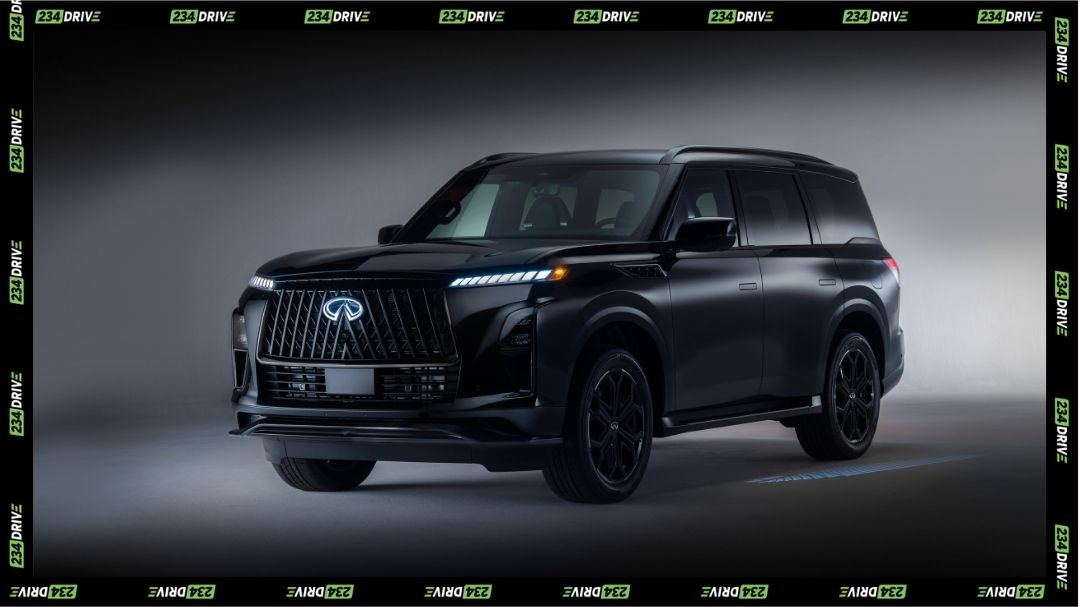
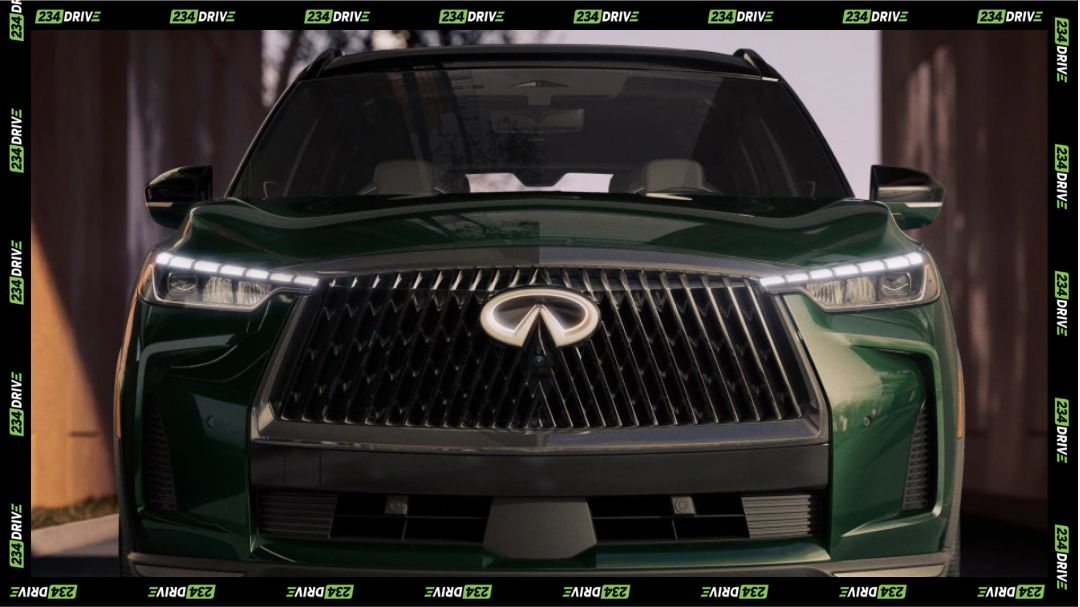
The exterior styling of the 2026 QX80 Sport is nothing short of a visual declaration of intent. Drawing heavy inspiration from the QX Monograph concept, this SUV creates an immediate impression of massive solidity. The “Sport” designation is critical here; it swaps traditional chrome brightwork for dark, glossy black accents that wrap around the grille, air intakes, and window surrounds. The front fascia is dominated by the signature double-arch grille, which features an illuminated Infiniti emblem, flanked by distinct “piano key” LED daytime running lights that sit high on the bonnet line. This arrangement gives the vehicle a predatory, squinting visage that looks significantly more modern and aggressive than the bulbous front ends of previous generations.
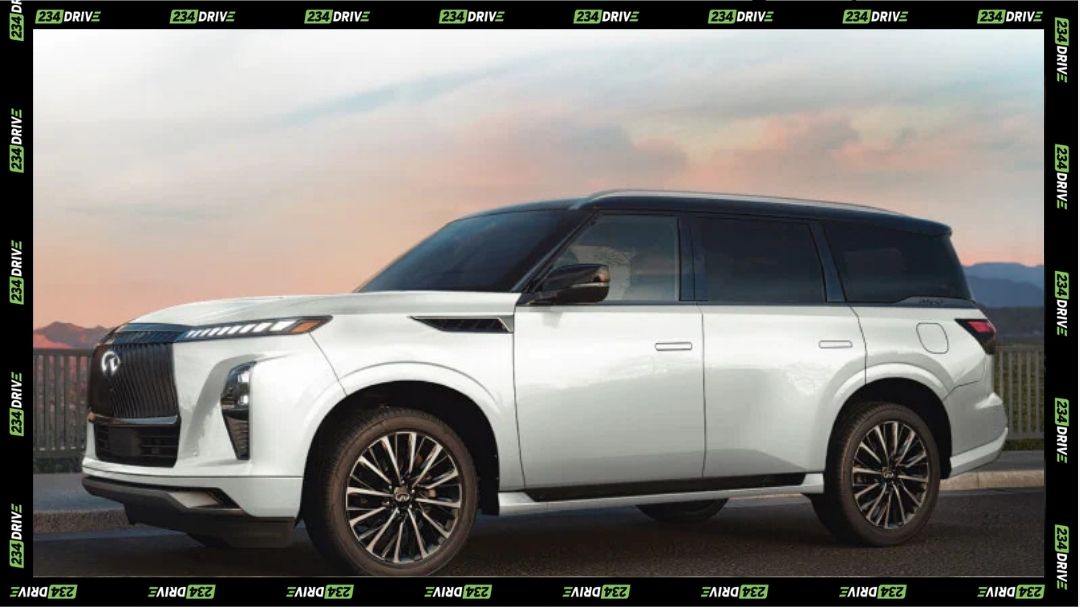
In terms of sheer scale, the vehicle measures a colossal 211.2 inches in length, ensuring it dominates standard parking bays and motorway lanes alike. The side profile is smoothed out with flush, pop-out door handles that contribute to a cleaner aerodynamic silhouette, reducing wind noise and visual clutter. The Sport trim rides on unique 22-inch dark machined alloy wheels which fill the arches substantially, grounding the vehicle’s visual weight. At the rear, a full-width LED light bar emphasises the vehicle’s width, featuring over 300 individual LEDs that perform a welcoming animation upon approach. The combination of the “Radiant White” or “Mineral Black” paint options with the blacked-out roof creates a floating canopy effect, lending this three-tonne behemoth a surprising degree of visual agility.
Interior Comfort, Technology, and Performance
Stepping inside the QX80 Sport reveals a cabin that has leapt forward by two generations in terms of material quality and technological integration. The interior is anchored by dual 14.3-inch “Monolith” screens that merge the digital instrument cluster and infotainment system into a single, seamless pane of glass. Google built-in integration ensures that navigation and connectivity are intuitive, while the removal of most physical buttons in favour of haptic feedback panels creates a minimalist, lounge-like atmosphere. The Sport trim features semi-aniline leather seats, often finished in a moody “Dusk Blue” or Graphite, complemented by open-pore wood trim and dark matte chrome. The standout feature for audiophiles is the 24-speaker Klipsch Reference Premiere audio system, which includes titanium tweeters and headrest-mounted speakers, delivering a concert-hall experience that is arguably best-in-class.
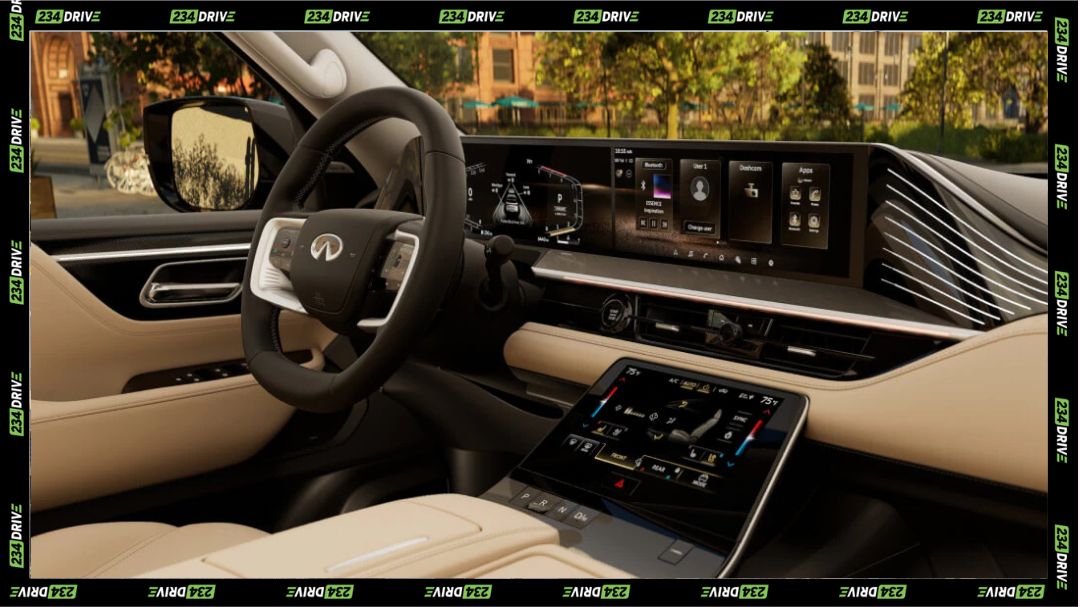
Under the bonnet, the beloved but thirsty 5.6-litre V8 has been retired in favour of a potent 3.5-litre twin-turbocharged V6 engine. This new powerplant generates a robust 450 horsepower and 516 lb-ft of torque—increases of 50 hp and 103 lb-ft over the outgoing V8. Power is managed by a nine-speed automatic transmission that delivers crisp, imperceptible shifts, propelling this heavy SUV from 0 to 60 mph in roughly 6.1 seconds. Despite its size, the QX80 Sport manages its weight well thanks to an Electronic Air Suspension system with adaptive damping, which lowers the car for aerodynamic efficiency at speed and raises it for off-road clearance. With a starting price of approximately $102,645 (£81,500), it offers a compelling blend of performance and luxury, although fuel economy remains a concern at a combined 17-18 mpg.
Relevance to the Driving Environment
For drivers in regions characterised by challenging road infrastructure and extreme climates—such as parts of West Africa or developing markets where SUVs are status symbols—the QX80 Sport presents a mixed but largely positive proposition. The vehicle’s body-on-frame construction, shared with the legendary Nissan Patrol, ensures a level of structural durability that unibody crossovers simply cannot match. This rugged backbone is essential for navigating pothole-riddled arterials or unpaved spur roads often found in peri-urban areas. The air suspension plays a dual role here: it provides a wafting, “magic carpet” ride over minor imperfections, shielding occupants from the jarring reality of the road surface, though the large 22-inch wheels on the Sport trim can transmit sharper impacts into the cabin more noticeably than smaller rim options would.
From a lifestyle and climate perspective, the QX80 Sport is exceptionally well-suited to hot, humid environments. The headline feature here is the “Biometric Cooling” system. Infrared sensors mounted in the headliner constantly monitor the body temperature of rear passengers. If the system detects an occupant is overheating, it automatically directs cooling air to that specific seat within seconds—a feature that transforms passenger comfort during sweltering traffic jams in cities like Lagos or Dubai. However, the shift to a complex twin-turbo V6 may raise eyebrows regarding long-term maintenance in regions where “simple is better.” While the new engine is powerful, it requires high-quality fuel and more specialised servicing than the bulletproof, naturally aspirated V8 of the past, a factor potential owners must weigh against the vehicle’s prestige.
Competitive Analysis and Market Position
When compared to segment rivals like the Lexus LX600, Cadillac Escalade, and Range Rover, the Infiniti QX80 Sport occupies a unique niche regarding value and positioning. The Lexus LX600 remains the durability king in many markets, boasting superior resale value and off-road pedigree; however, its interior technology feels a generation behind the Infiniti’s Google-based system, and its third row is significantly more cramped. The Cadillac Escalade offers more badge prestige and a larger cabin volume, but its price quickly balloons well beyond the Infiniti’s $102k mark when comparably equipped, and its fuel economy is generally inferior unless one opts for the diesel variant.
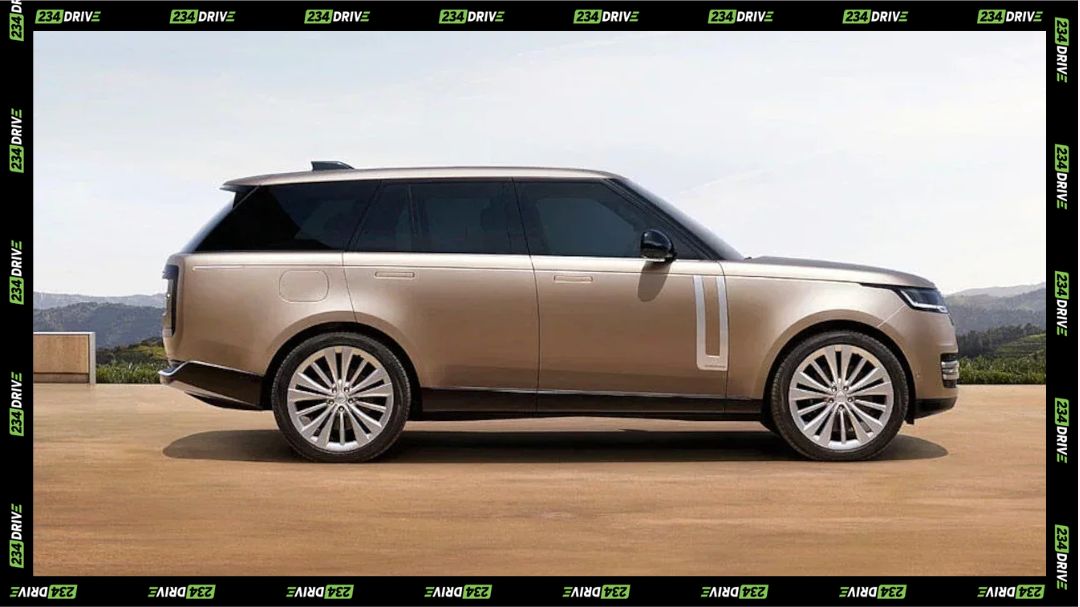
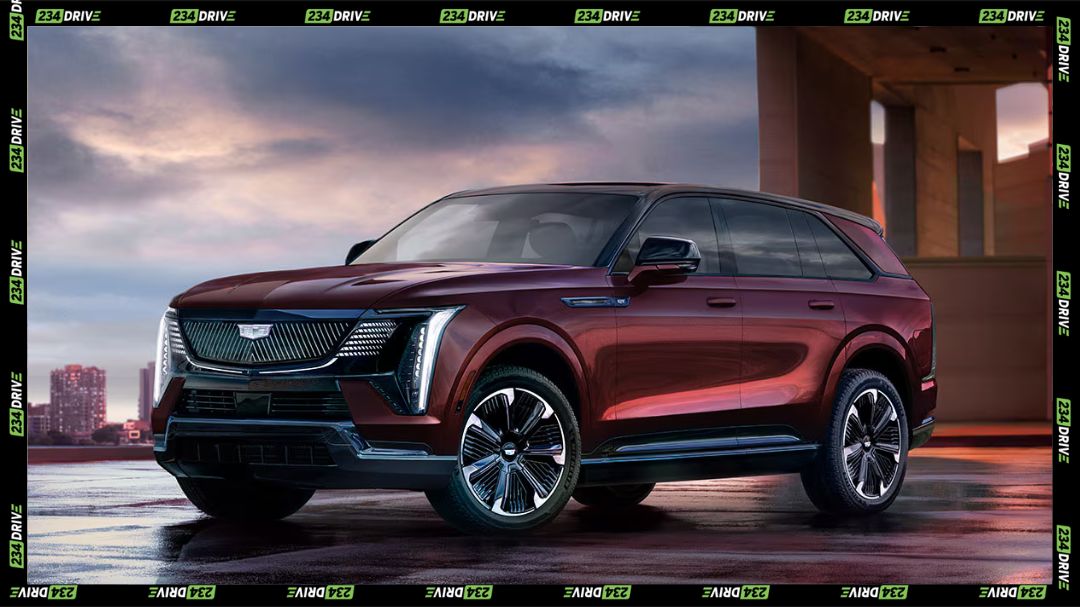
In terms of resale value and ownership costs, the QX80 has historically depreciated faster than its Toyota/Lexus counterparts, a trend likely to continue given the brand’s perception as a “value luxury” option. However, the QX80 undercuts the Mercedes-Benz GLS and Range Rover significantly on initial purchase price while offering similar levels of isolation and audio fidelity. Maintenance costs will likely be lower than the German competitors but potentially higher than the Lexus due to the new electronics and turbo plumbing. Ultimately, the QX80 Sport offers 90% of the Range Rover experience for 70% of the price, making it a pragmatic choice for the wealthy buyer who values comfort over badge snobbery.
Summary
The 2026 Infiniti QX80 Sport is a triumphant return to form for a brand that desperately needed a flagship hero. It successfully marries the imposing, safe-room-on-wheels vibe of a traditional truck-based SUV with the digital finesse required by modern buyers. Its strengths lie in its whisper-quiet cabin, the phenomenal Klipsch audio system, and a powertrain that finally feels responsive and urgent.
While it may lag slightly behind the class leaders in brand cachet and fuel efficiency, its bold design and thoughtful features like biometric cooling make it a standout option for families seeking a sanctuary from the chaotic outside world. Does the bold new look resonate with you, or do you miss the classic V8?