
Geome, the electric vehicle sub-brand under Chinese automaker Geely, has steadily gained recognition in Nigeria’s automotive market as the country embraces sustainable mobility solutions. Launched globally in 2019 as Geely’s dedicated EV division and often marketed interchangeably as Geometry in some markets, Geome represents an ambitious push toward affordable, long-range electric vehicles designed for urban commuters and eco-conscious drivers. With Geely’s official relaunch in Nigeria in November 2024 through an exclusive partnership with Coscharis Motors, the brand now offers improved accessibility through local assembly facilities, nationwide service centers, and specialised import channels that deliver EVs across the country.
The Geome lineup focuses on pure electric hatchbacks, sedans, and crossovers that combine efficiency with modern technology, positioning itself as a practical entry point for Nigerian drivers exploring alternatives to traditional gasoline vehicles. From the compact Geome Xingyuan starting at ₦14.59 million to the premium Geometry A sedan priced above ₦45 million, these vehicles cater to diverse budgets while addressing concerns about range anxiety and charging infrastructure. This review examines the most popular Geome models available in Nigeria, analysing their design, performance, pricing, and suitability for local driving conditions.
Geome Xingyuan: The Affordable Urban Commuter
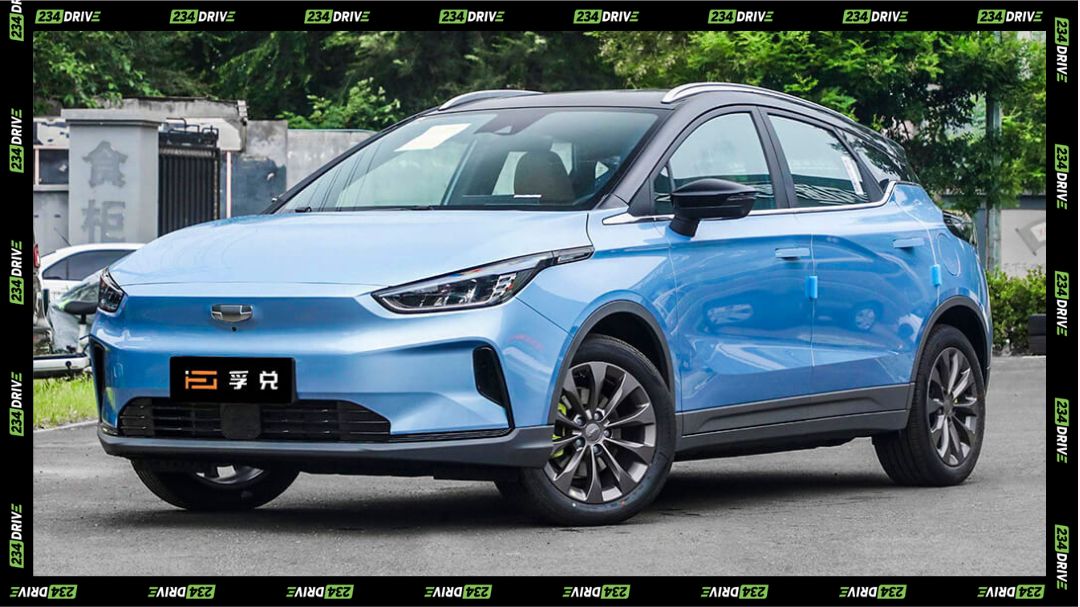
The Geome Xingyuan presents itself as a charming, compact hatchback designed specifically for city driving, with exterior styling that emphasises playful curves and a youthful aesthetic. The vehicle’s rounded front fascia, LED headlights, and compact dimensions give it an approachable road presence that navigates Lagos and Abuja traffic with ease. Its small footprint makes parking effortless in crowded urban centers, while the smooth body lines and available two-tone colour schemes create visual appeal without aggressive styling. The five-door configuration provides practical access for passengers and cargo, making it ideal for Nigerian families seeking an economical daily driver.
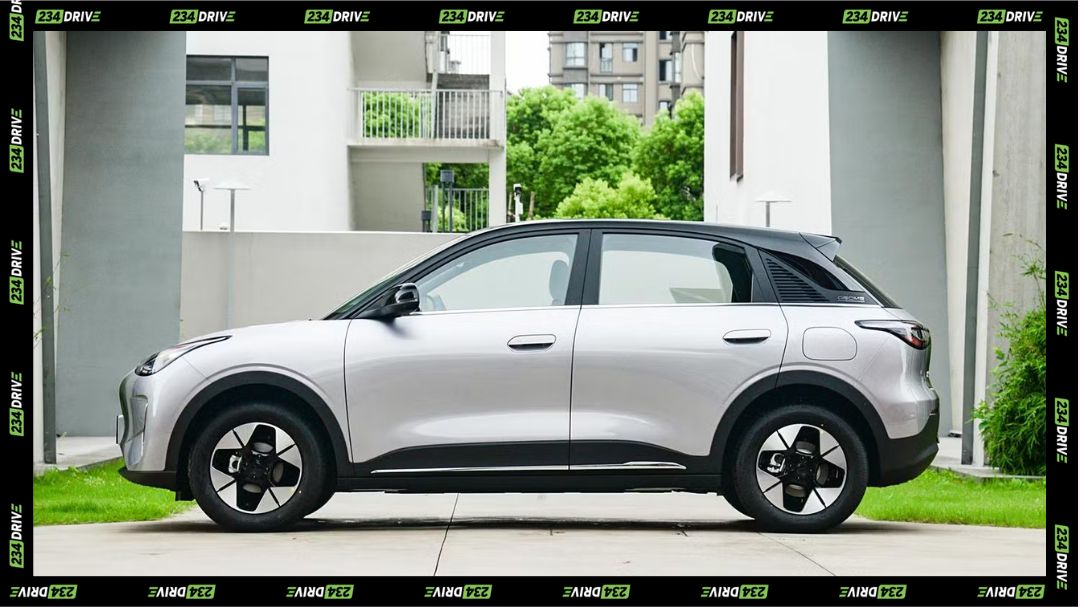
Inside, the Xingyuan offers surprisingly well-appointed accommodations for its price point of ₦14,590,000. The cabin features a modern touchscreen infotainment system with Bluetooth connectivity, a rear-view camera for safer manoeuvring, and standard safety equipment including ABS. Power comes from an electric motor producing 78-114 horsepower with 130-150 Nm of torque, drawing energy from a 40.16 kWh LiFePO4 battery pack that delivers 310-410 km of range under CLTC testing conditions. The vehicle reaches a top speed of 140 km/h, adequate for Nigerian highways, while its fast-charging capability replenishes the battery from 30% to 80% in just 21 minutes. The regenerative braking system helps extend range in stop-and-go traffic, a valuable feature for congested Nigerian roads where fuel efficiency matters most.
Geometry A: The Premium Electric Sedan
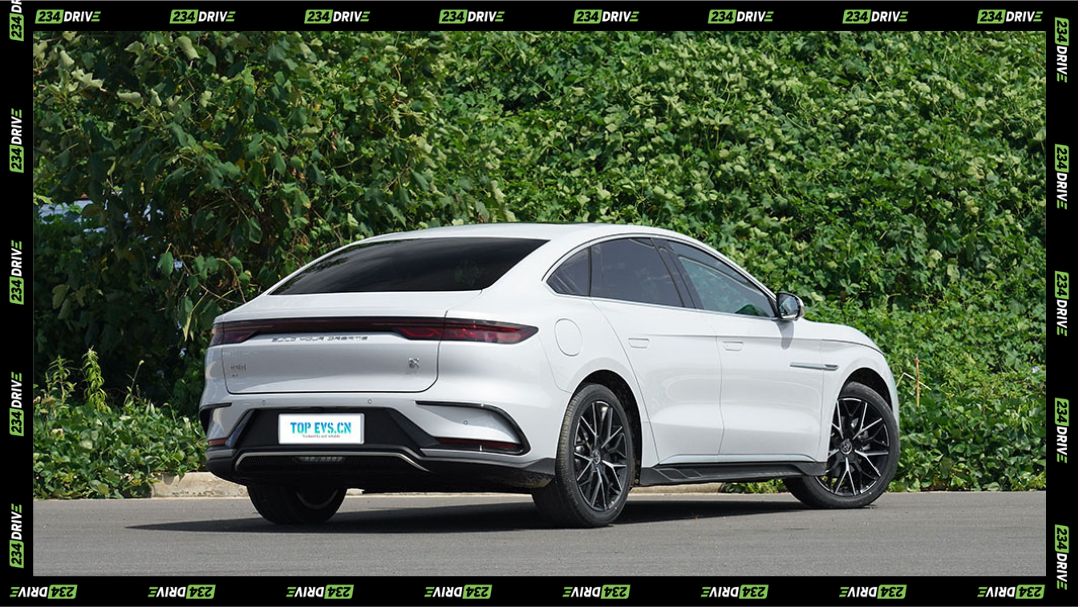
The Geometry A represents the upper tier of Geely’s electric offerings in Nigeria, presenting itself as a sleek, aerodynamic sedan that commands attention with its coupe-like roofline and sophisticated proportions. The exterior design emphasises efficiency through smooth surfaces, concealed door handles, and a distinctive closed-grille front end that signals its electric powertrain. LED lighting elements wrap around the front and rear, creating a modern signature, while the flowing body lines and 18-inch wheels contribute to an upscale appearance. With a length suitable for executive transport, the Geometry A projects premium status on Nigerian roads, competing visually with established luxury sedans.
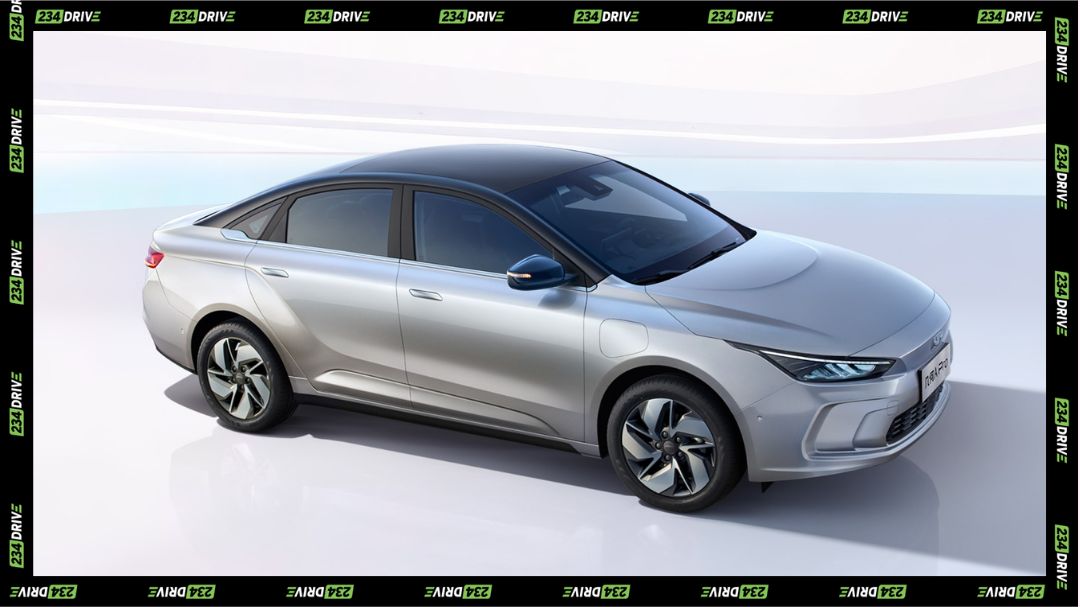
The interior elevates the ownership experience with leather-appointed seating, a panoramic sunroof that floods the cabin with natural light, and advanced connectivity including Apple CarPlay and Android Auto integration. The spacious cabin comfortably accommodates five adults with generous legroom, while the trunk provides adequate cargo space for family trips or business travel. Performance comes from a 204-horsepower electric motor paired with a substantial 70 kWh lithium-ion battery pack, delivering an impressive 600 km of range—enough to drive from Lagos to Ibadan and back without recharging. The vehicle includes traction control, fog lights, and modern safety systems, all packaged at an estimated price of ₦45.9 million or higher depending on import duties and exchange rates. This positions it as a premium choice for Nigerian executives seeking zero-emission luxury without compromising on range or refinement.
Geometry C: The Versatile Electric Crossover
The Geometry C bridges the gap between practicality and style as a compact crossover that offers elevated seating and enhanced visibility compared to traditional sedans. Its exterior design features muscular wheel arches, protective body cladding, and a raised ride height that provides confidence on uneven Nigerian roads while maintaining aerodynamic efficiency. The front fascia incorporates a bold lighting signature with LED daytime running lights, while the sloping roofline adds sporty character without sacrificing headroom. Available with either 53 kWh or 70 kWh battery options, the Geometry C offers flexibility in range and pricing, with the larger battery variant estimated at approximately ₦35 million in Nigeria.
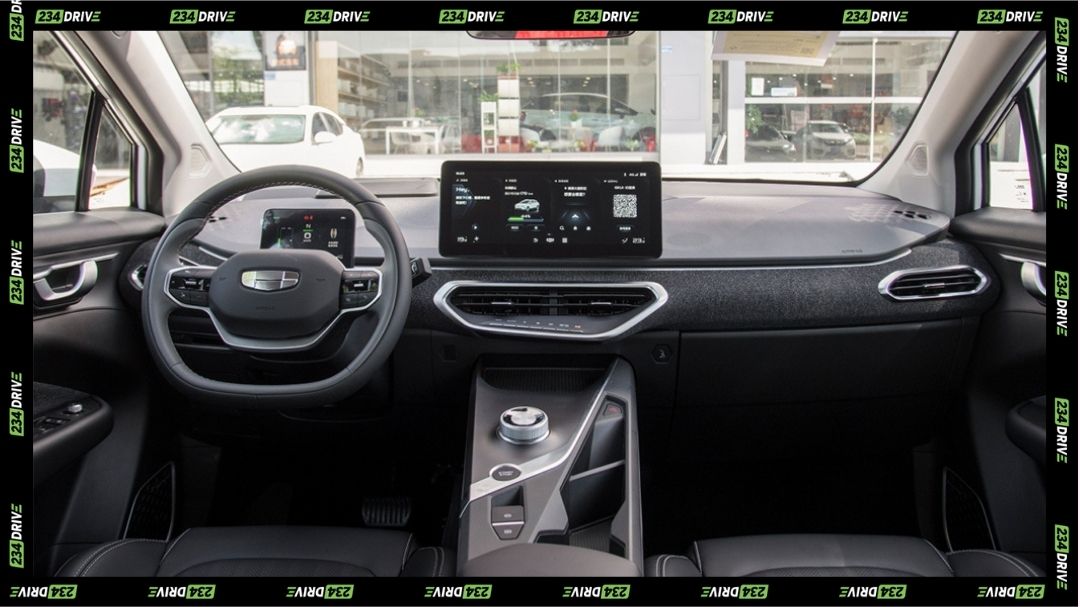
Inside, the Geometry C showcases advanced technology with a 12.3-inch touchscreen infotainment system, adaptive cruise control, and an innovative 540-degree AR chassis view that assists with parking and navigating tight spaces—particularly useful in Nigerian cities. The cabin provides comfortable seating for five with quality materials and thoughtful storage solutions throughout. The 204-horsepower electric motor delivers confident acceleration and a top speed of 150 km/h, while the battery pack provides 400-485 km of range depending on configuration. Regenerative braking helps recapture energy during frequent stops, extending range in urban environments. The crossover’s versatility makes it suitable for families who need cargo space for weekend trips to markets or extended family visits, while the electric powertrain eliminates the ongoing fuel costs that burden most Nigerian households.
Geometry E: The Compact Electric SUV
The Geometry E positions itself as an entry-level electric SUV designed for urban families seeking basic practicality and efficiency. The exterior styling emphasises a straightforward, functional approach with clean lines, modest wheel sizes, and a compact overall footprint that simplifies parking and maneuvering. The raised seating position provides better visibility in traffic, while the simple body design reduces complexity and potential repair costs. Though less visually striking than its siblings, the Geometry E focuses on delivering essential transportation at an estimated price point of ₦20 million or more through import channels.

The interior prioritises functionality over luxury, offering multiple airbags, stability control systems, and basic comfort features suitable for daily commuting. The electric motor produces 82 horsepower with 130 Nm of torque, providing adequate performance for city driving with a modest top speed of 121 km/h. The battery pack delivers up to 401 km of range, sufficient for typical weekly driving in Nigerian cities without frequent charging. While the Geometry E lacks the premium features of higher-end models, its compact design and straightforward operation make it accessible to first-time EV buyers who prioritise affordability and low operating costs over luxury amenities. The vehicle’s stability systems and safety features provide peace of mind on variable road surfaces common throughout Nigeria.

Practical Considerations for EV Ownership
Electric vehicle ownership in Nigeria presents unique challenges and opportunities that shape the practical experience of driving Geome models. The country’s road infrastructure varies dramatically between major cities like Lagos, Abuja, and Port Harcourt—where smooth highways coexist with pothole-riddled secondary roads—and rural areas where pavement quality deteriorates significantly. Geome’s raised-height models like the Geometry C and E handle these conditions better than low-slung sedans, though all electric vehicles benefit from instant torque delivery that helps navigate steep inclines and uneven surfaces without the gear hunting common in traditional automatics. Nigeria’s tropical climate, with temperatures frequently exceeding 30°C, places demands on battery cooling systems and air conditioning that can reduce advertised range by 10-20%, making the longer-range Geometry A particularly appealing for drivers who cannot easily access charging infrastructure.
The prestige factor of electric vehicle ownership in Nigeria remains complex, with EVs viewed as forward-thinking and environmentally conscious, yet still relatively uncommon compared to established German or Japanese brands. Geome vehicles occupy a middle ground—more technologically advanced and eco-friendly than conventional cars, but lacking the immediate brand recognition of Tesla or established luxury marques. Maintenance availability has improved with Coscharis Motors operating service workshops in Ikeja, Lagos, and four additional nationwide locations, though specialised EV technicians remain scarcer than those servicing conventional vehicles. The six-year warranty offered on Geely models provides reassurance, while charging infrastructure continues expanding in urban centers through private installations and emerging public networks, though rural electrification challenges persist.
Geome Versus Market Rivals
Within Nigeria’s emerging electric vehicle segment, Geome models compete primarily against other Chinese EV manufacturers and established brands exploring the African market. The Geome Xingyuan’s ₦14.59 million price point positions it competitively against compact EVs from BYD and Great Wall Motors, undercutting many competitors while offering comparable range and features. The Geometry A faces stiffer competition from premium offerings like the BYD Han and imported Tesla Model 3 variants, where its 600 km range and ₦45.9 million pricing provide good value against rivals that may exceed ₦60 million. Resale value remains uncertain for all EVs in Nigeria’s nascent market, though Geely’s growing dealer network and local assembly presence suggest better long-term support than purely imported brands.
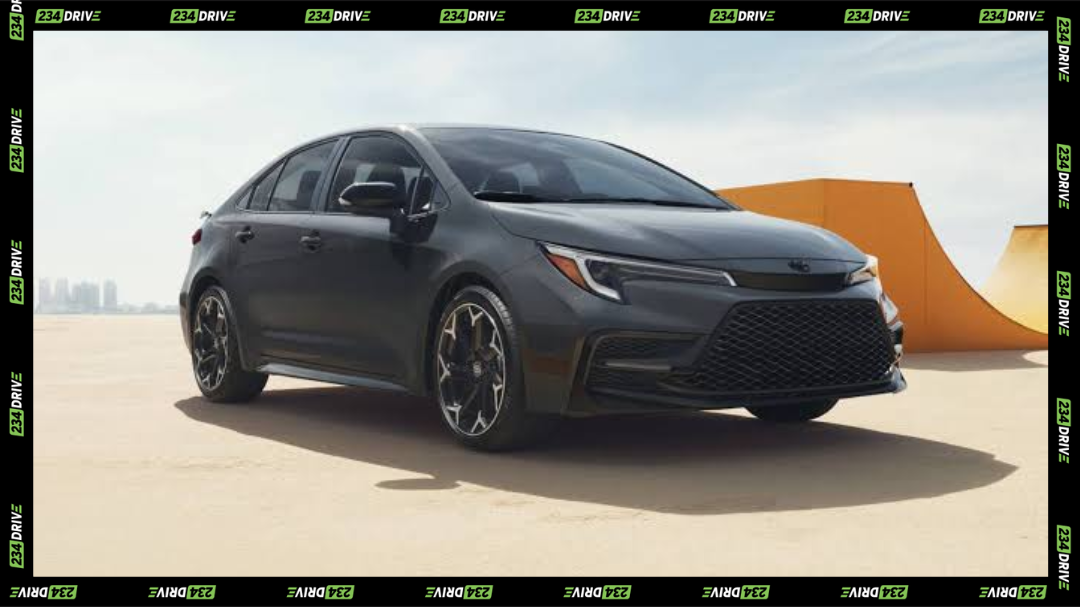
Durability and maintenance costs favour Geome’s simpler electric drivetrains over complex gasoline engines requiring frequent oil changes, transmission servicing, and fuel system maintenance—Nigerian fuel quality variability makes EVs particularly appealing. However, battery replacement costs, though rare within warranty periods, represent a significant long-term expense that gasoline cars avoid. Compared to equivalent gasoline vehicles like the Toyota Corolla (₦18-25 million) or Honda Accord (₦30-40 million), Geome EVs command similar or slightly higher purchase prices but deliver dramatically lower operating costs—electricity costs approximately ₦50-80 per kilometre versus ₦150-200 for gasoline. This economic advantage accumulates significantly over years of ownership, particularly for high-mileage drivers in urban delivery or taxi services where the Xingyuan’s affordability and efficiency create compelling business cases.
Conclusion
Geome’s electric vehicle lineup offers Nigerian drivers a thoughtful range of options spanning from the affordable, city-focused Xingyuan at ₦14.59 million to the premium, long-range Geometry A exceeding ₦45 million. Each model brings distinct advantages—the Xingyuan’s urban agility and fast charging, the Geometry A’s executive comfort and 600 km range, the Geometry C’s crossover versatility, and the Geometry E’s practical efficiency—addressing different buyer priorities within Nigeria’s evolving automotive landscape. While charging infrastructure challenges and higher upfront costs compared to gasoline equivalents remain considerations, the dramatically lower operating expenses, reduced maintenance requirements, and environmental benefits position Geome vehicles as forward-thinking choices for Nigerian drivers ready to embrace electric mobility.
The brand’s strengthened presence through Coscharis Motors’ exclusive partnership, local assembly capabilities, and expanding service network addresses previous concerns about aftersales support, making Geome ownership increasingly viable across Nigeria’s major cities. As electricity access improves and charging networks expand, these vehicles will become even more practical for everyday Nigerian drivers seeking reliable, cost-effective transportation that reduces dependence on imported fossil fuels. What are your thoughts on electric vehicles in Nigeria? Would you consider a Geome model for your next car purchase? Share your perspective in the comments below.