
Limousines represent the apex of automotive luxury, combining chauffeur-driven convenience with privacy, space, and prestige that few vehicle categories can match. Originating from the Limousin region of France—where the covered passenger compartments resembled shepherds’ protective cloaks—these extended-wheelbase vehicles have evolved from exposed-driver carriages of the early 1900s into sophisticated mobile sanctuaries. Today’s limousine market spans classic sedans, towering SUVs, and emerging electric models, though traditional stretch limousines now constitute merely 1% of U.S. fleet offerings, down from 10% in 2013.
The shift reflects changing consumer preferences, heightened safety regulations following high-profile accidents, and competition from ride-sharing services. Modern buyers increasingly favour discreet SUV-based limousines or ultra-luxury sedans over flamboyant stretched designs. Despite these market changes, limousines remain synonymous with milestone celebrations, executive transport, and head-of-state motorcades. This review examines the leading limousine models available in 2025, exploring their design, performance, and practical considerations for ownership.
Mercedes-Maybach S680 Pullman
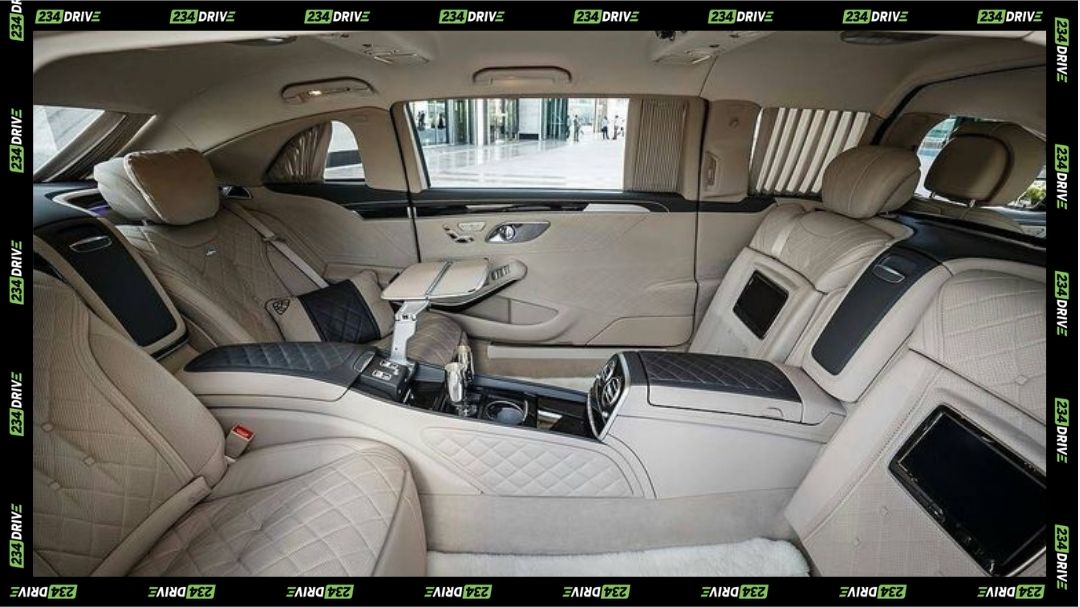
The Mercedes-Maybach S680 Pullman stands as one of the world’s most exclusive limousines, commanding prices exceeding £1.2 million. Its exterior exudes understated authority, with a hand-polished paint finish that requires over 200 hours of craftsmanship. The extended body—nearly 6.5 metres long—flows seamlessly from bonnet to boot, maintaining classical proportions despite the significant wheelbase stretch. Chrome accents frame the signature Maybach grille, whilst 20-inch forged wheels hint at the mechanical sophistication beneath. The silhouette conveys power without ostentation, making it equally appropriate outside government buildings or luxury hotels.
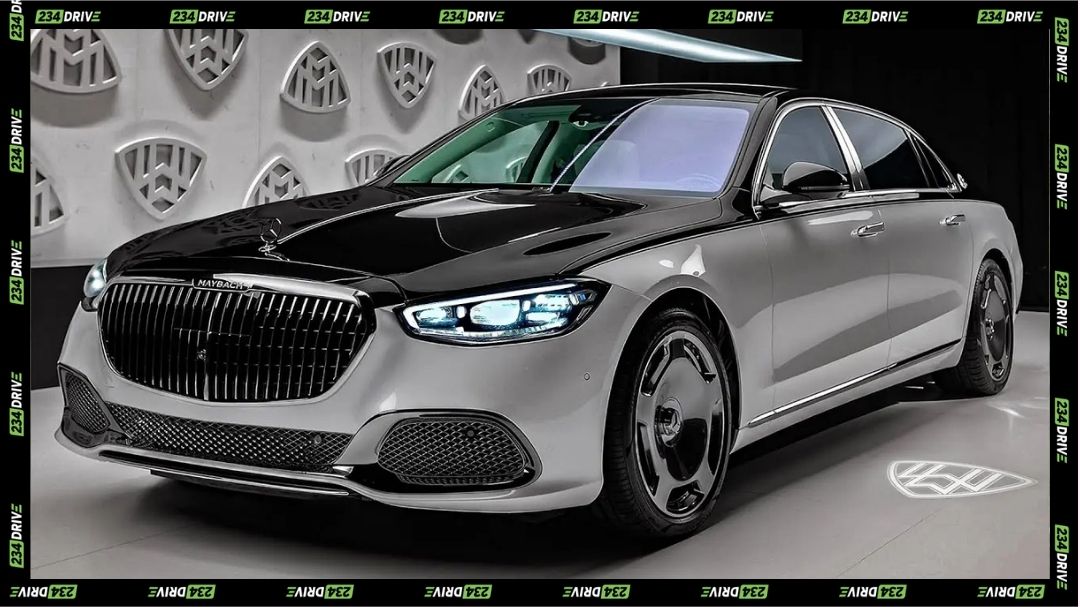
Inside, the rear executive suite resembles a private lounge more than a vehicle cabin. Four individual seats face each other in a vis-à-vis configuration, trimmed in Nappa leather with hand-stitched contrast piping. A power partition with electrochromic glass provides complete privacy from the driver compartment. The 6.5-litre V12 engine delivers 621 horsepower, propelling the substantial mass with surprising refinement—acceleration feels effortless rather than aggressive, perfectly suited to the vehicle’s dignified character. Air suspension isolates occupants from road imperfections, whilst active noise cancellation ensures conversation occurs in library-like silence. An optional armoured variant adds significant weight but maintains comparable performance through enhanced powertrain tuning.
Rolls-Royce Phantom Extended Wheelbase
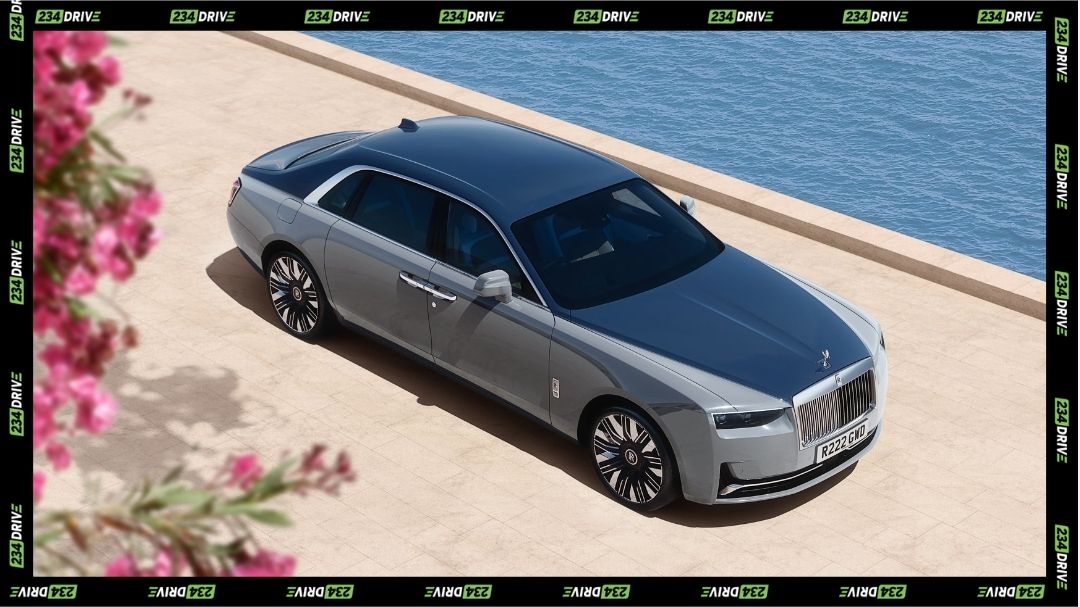
Priced from approximately £400,000 to well over £800,000 with bespoke customisation, the Rolls-Royce Phantom Extended Wheelbase represents British automotive craftsmanship at its zenith. The exterior design balances imposing presence with elegant restraint—the iconic Pantheon grille dominates the face, flanked by laser headlamps that provide exceptional night visibility. The extended wheelbase adds 220mm of rear legroom, yet the design maintains visual harmony through carefully proportioned panels. Customers can specify unique paint colours mixed to personal samples, from fabric swatches to gemstones, applied in multiple coats and hand-polished to mirror perfection.
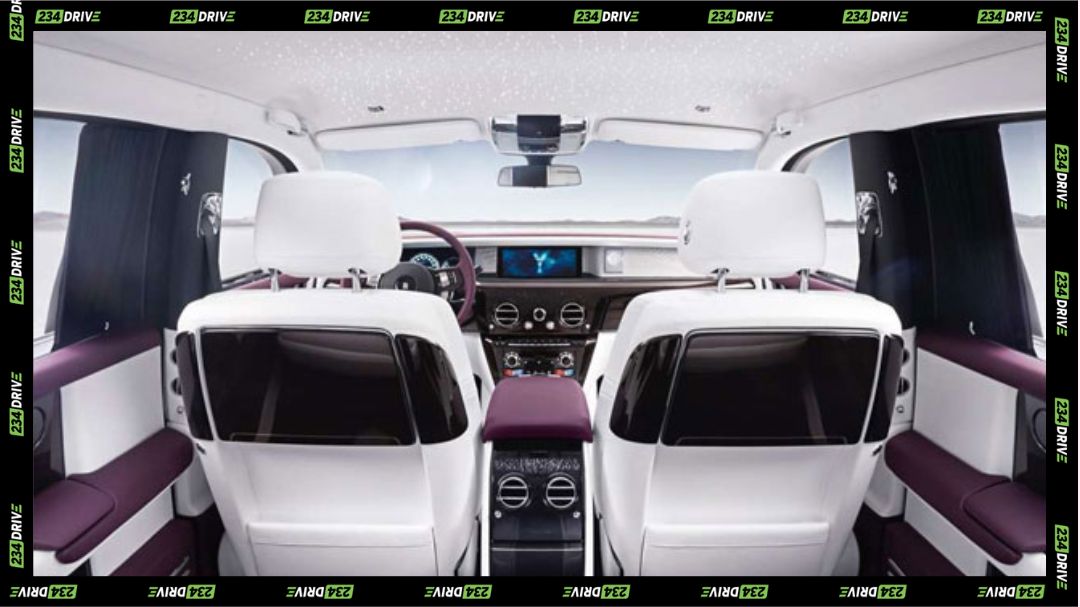
The rear cabin functions as a mobile sanctuary, with theatre-style seating offering infinite recline positions and integrated massage functions. The famous Starlight Headliner incorporates hundreds of fibre-optic lights hand-woven into the roof lining, creating a bespoke constellation pattern. A 6.75-litre V12 engine produces 563 horsepower, delivering what Rolls-Royce terms “sufficient” power—a characteristic understatement that belies the effortless performance. The powertrain operates with such refinement that engineers famously use a decibel meter to detect engine noise during development. Self-levelling air suspension combines with double-glazed windows and 130kg of sound deadening to create what the manufacturer calls a “magic carpet ride,” isolating occupants from external disturbances whilst maintaining precise handling characteristics.
Cadillac Escalade ESV Stretch
The stretched Cadillac Escalade ESV has become America’s most popular fleet limousine in 2025, with new builds ranging from £120,000 to £240,000 depending on interior specification. Its exterior commands attention through sheer size—over 7 metres long with commanding ground clearance that provides passengers with an elevated vantage point. The bold vertical LED lighting signature and chrome-heavy grille create an unmistakably American aesthetic. Blacked-out privacy glass wraps the passenger compartment, whilst the factory ESV body provides a solid foundation for coachbuilders to execute the stretch conversion without compromising structural integrity.
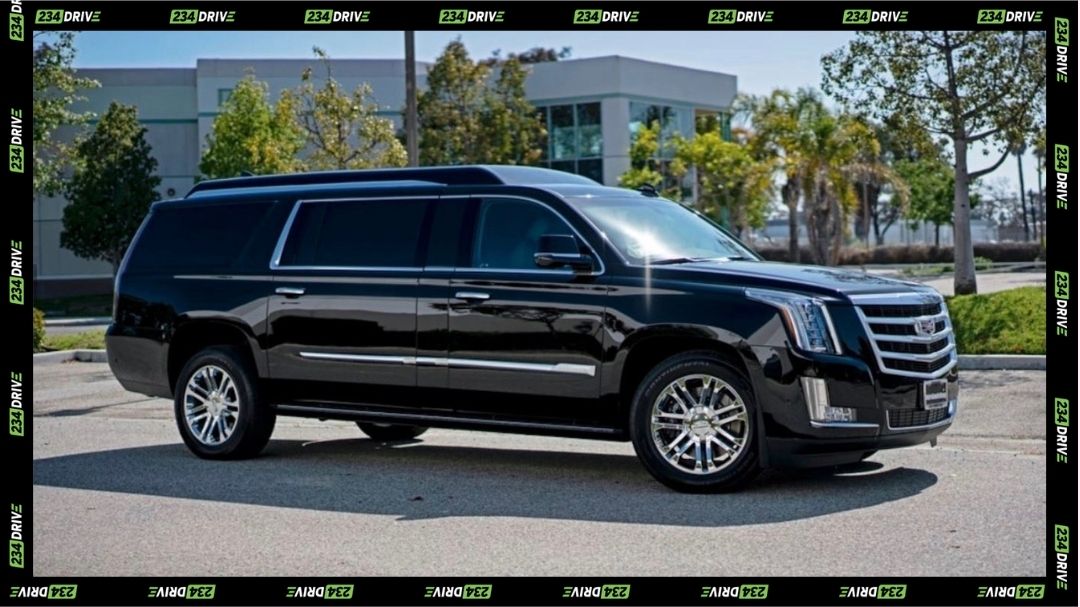
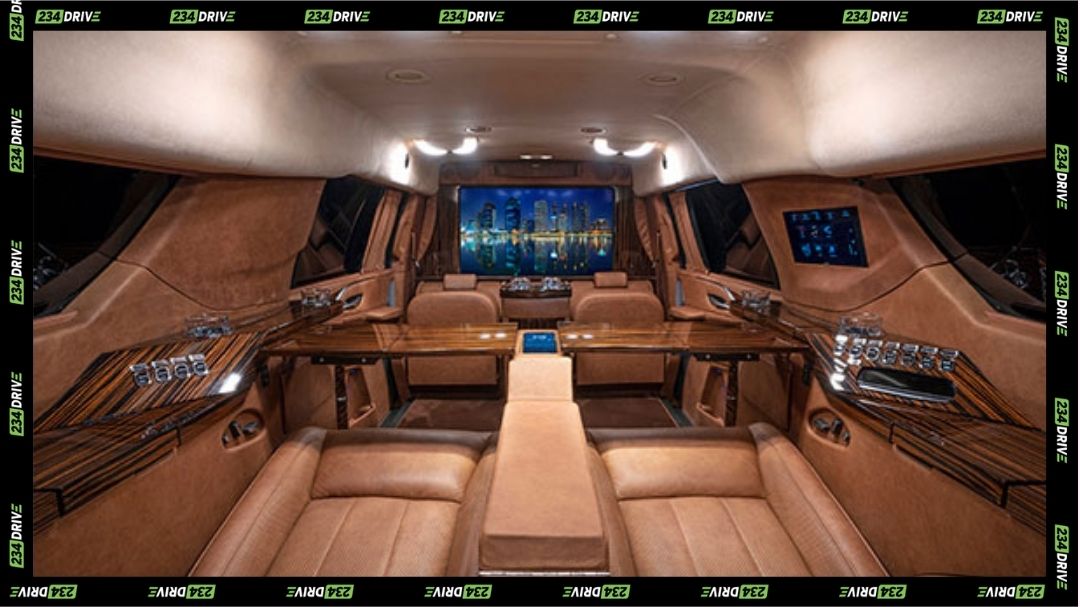
Inside, the stretched passenger compartment typically accommodates 10–14 passengers on perimeter seating upholstered in leather or premium synthetic materials. Modern Escalade conversions incorporate multiple 4K screens, premium audio systems, mood lighting, and champagne bars with crystal glassware. The 6.2-litre V8 engine generates 420 horsepower, providing adequate acceleration despite the added weight of the stretch conversion. Magnetic Ride Control suspension adapts continuously to road conditions, maintaining stability even with full passenger loads. The commanding driving position and available Super Cruise semi-autonomous driving capability make this the most technologically advanced stretch limousine option, particularly appealing to fleet operators prioritising reliability and parts availability.
Regional Factors for Owning a Limousine
Limousine ownership presents distinct challenges depending on geographical context and intended usage patterns. In urban environments with narrow historic streets, the 6–7 metre length of extended limousines severely limits manoeuvrability and parking options. London’s congestion charge zone, for instance, accommodates standard luxury sedans far more practically than stretched vehicles. Climate considerations prove equally significant—the substantial glass surface area of limousines makes cabin temperature regulation energy-intensive in extreme heat or cold. Northern European buyers often specify heated windscreens and advanced climate pre-conditioning, whilst Middle Eastern specifications prioritise enhanced air conditioning capacity and UV-resistant glass treatments.
Road infrastructure quality directly impacts the ownership experience and maintenance costs. Pothole-damaged roads accelerate suspension component wear, particularly problematic for air suspension systems common to luxury limousines. The extended wheelbase also increases vulnerability to scraping on speed humps and steep driveways. Maintenance availability varies considerably—Mercedes-Maybach and Rolls-Royce maintain authorised service centres in major cities globally, ensuring parts supply and trained technicians. Stretched American SUVs benefit from widespread Cadillac and Lincoln dealer networks for mechanical components, though the custom coachwork requires specialist repairers familiar with stretched vehicle construction. Prestige value remains substantial in markets valuing visible status symbols, though Northern European buyers increasingly favour discreet luxury sedans over attention-grabbing stretched designs.
Where It Stands in the Market
The limousine market segments distinctly by price and purpose, with vehicles ranging from £90,000 basic stretches to £1.5 million+ ultra-luxury sedans competing in fundamentally different categories. The Mercedes-Maybach S680 Pullman and Rolls-Royce Phantom EWB target sovereign wealth and heads of state, where price sensitivity becomes irrelevant and bespoke customisation justifies premium positioning. Both hold residual values better than stretched vehicles due to factory-built provenance and limited production numbers—well-maintained examples retain 40–50% of original value after five years, exceptional for ultra-luxury segments. Maintenance costs prove substantial but predictable, with annual servicing exceeding £5,000 and major repairs costing tens of thousands due to complex systems and bespoke componentry.
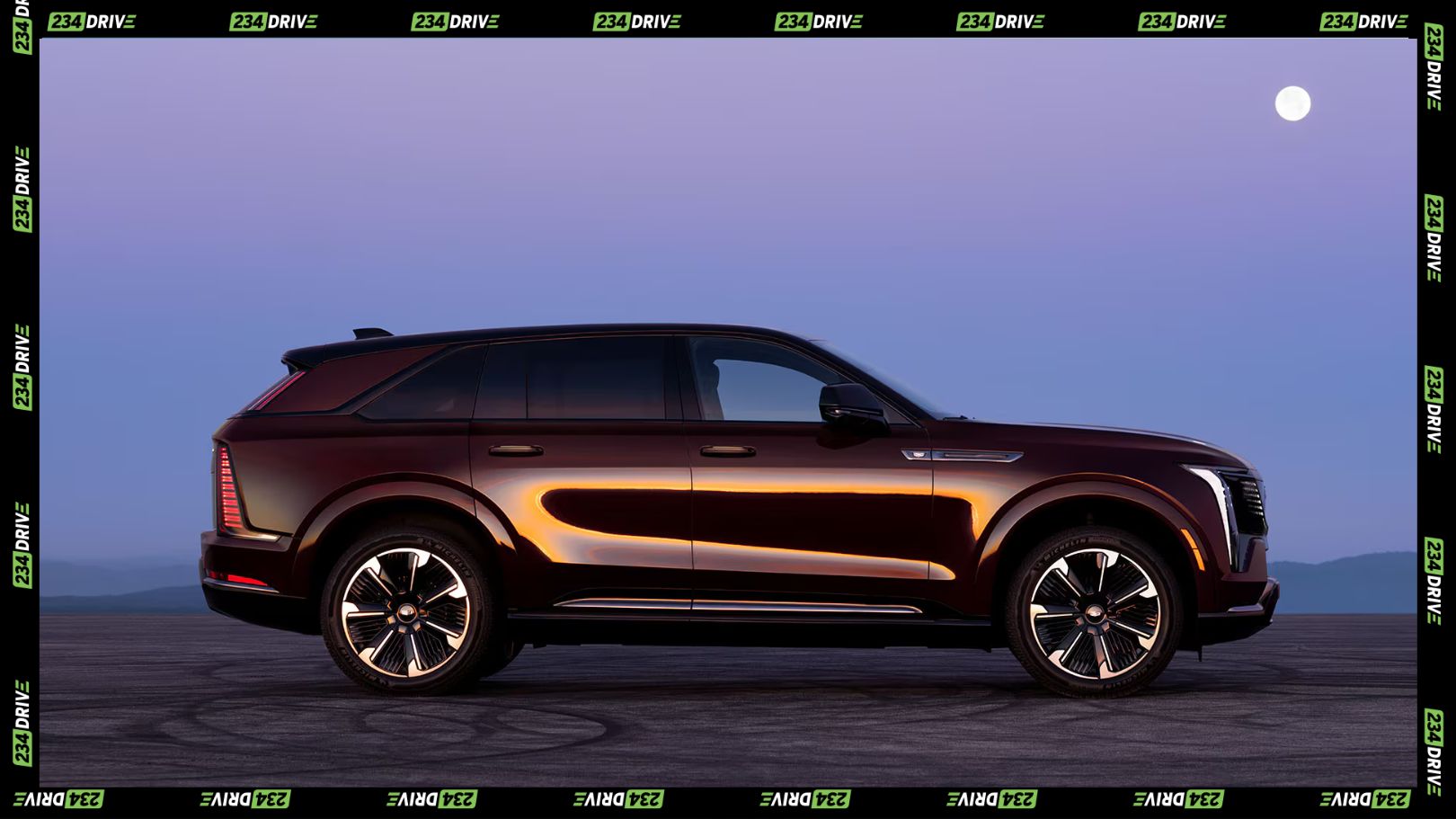
Stretched SUVs like the Cadillac Escalade IQ occupy a distinct market position, prioritising practicality and passenger capacity over ultimate luxury. Their £120,000–£240,000 pricing undercuts factory limousines by significant margins whilst offering superior space efficiency for group transport. However, resale values suffer considerably—stretched vehicles typically retain only 25–35% of original value after five years due to limited buyer pools and concerns about conversion quality. Maintenance proves more economical for mechanical components thanks to volume-production parts, though coachwork repairs require specialists and cannot be addressed at standard dealerships. Durability varies significantly by coachbuilder reputation, with established names like LCW and Pinnacle maintaining structural integrity better than budget converters. Fleet operators accept lower resale values as operational costs, whilst private buyers often discover stretched limousines difficult to sell regardless of condition.
Conclusion
Limousine cars continue to serve distinct purposes across luxury transport segments, from discreet executive mobility to statement-making event transport. The Mercedes-Maybach S680 Pullman and Rolls-Royce Phantom Extended Wheelbase represent the pinnacle of factory-built luxury, offering unmatched craftsmanship, refinement, and residual value for buyers where budget considerations prove secondary. The Cadillac Escalade IQ stretch provides practical group transport with modern technology at relatively accessible pricing, though prospective buyers must accept significant depreciation and limited resale markets. Regional infrastructure, climate, and maintenance availability should weigh heavily in purchasing decisions, as these factors profoundly impact ownership satisfaction beyond initial acquisition costs. Whether prioritising ultimate luxury or practical capacity, today’s limousine market offers compelling options for those seeking transportation beyond ordinary automotive experiences. Which limousine do you think best suits modern luxury transport needs?