
A Chinese motoring titan’s strategic move is set to redefine what “affordable” means in South Africa’s emerging New Energy Vehicle (NEV) market, throwing down the gauntlet to established players.
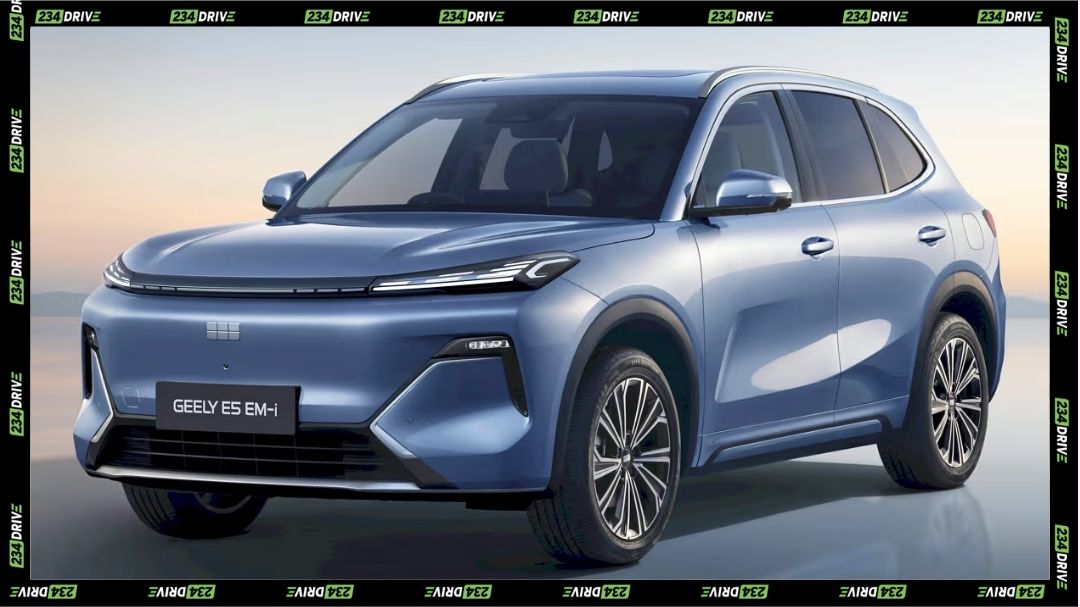
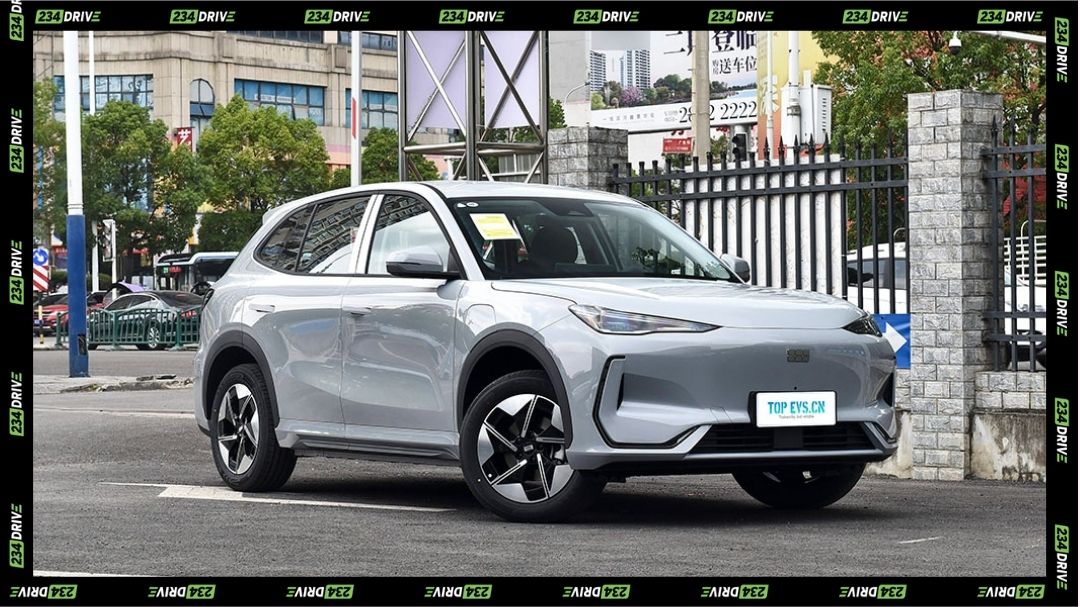
Geely Auto, the global powerhouse behind brands such as Volvo and Lotus, formally confirmed its high-profile return to South Africa on 18th November 2025, over a decade after its initial withdrawal. The relaunch, celebrated at the Gallagher Convention Centre in Johannesburg, is not merely a re-entry but a fundamental repositioning, focusing entirely on electrification. The core announcement centred on the debut of two mid-size SUVs: the E5 EM-i Plug-in Hybrid (PHEV) and the fully electric E5 (BEV). Crucially, the entry-level E5 EM-i Aspire starts at a highly competitive R599,999, instantly making it the most accessible PHEV on offer. Sales targets are ambitious, projecting 13,000 units in 2026, rising sharply toward an annual volume exceeding 20,000 in subsequent years, supported by a network rollout aiming for over 120 dealerships by 2027. This new Chinese car brand aims to capture significant market share.

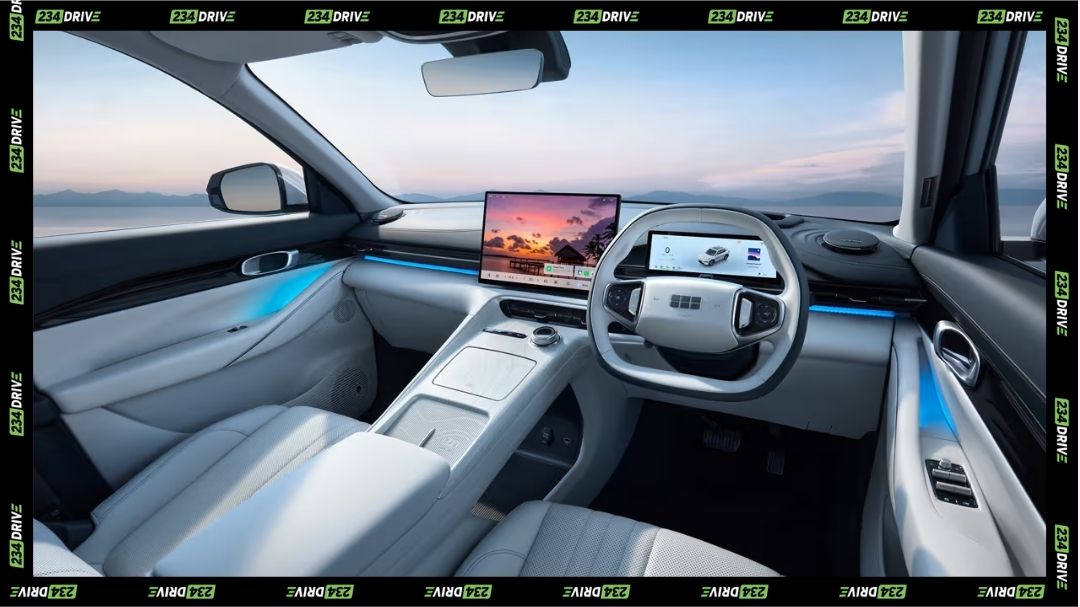
The products are built on Geely’s sophisticated Global Intelligent New Energy Architecture (GEA), offering a premium feel at a budget-conscious price point. The E5 EM-i PHEV is positioned as the ideal solution for local conditions, boasting a pure electric range of 100-150 kilometres and a total combined range exceeding 1,100 kilometres, directly addressing persistent range anxiety concerns among South African drivers. The pure E5 BEV, starting at R699,999, offers an estimated 500-kilometre range and features advanced technology like Vehicle-to-Load (V2L) charging and the Flyme Auto infotainment system displayed on a sharp 15.4-inch screen. Both models feature Level 2+ Advanced Driver Assistance Systems (ADAS), targeting the heart of the family crossover segment currently dominated by vehicles like the Haval H6 and Toyota Corolla Cross. Geely returns with E5 SUV pair, offering strong value.
The successful execution of this strategy relies on a robust ecosystem of local partners. Geely Auto South Africa, led by General Manager Allen Yang, is responsible for the overall brand and product deployment. Financing is being handled by WesBank, while charging infrastructure support is secured through Rubicon. Logistics, a critical component in ensuring nationwide parts availability, is managed by Buffalo, with dealerships operated by established groups like Bidvest McCarthy and Supergroup.
This aggressive move signals Geely’s intent to cement South Africa as a strategic hub for further continental expansion. By focusing exclusively on NEVs at these keen price points, the company is directly challenging the established market narrative that electrified vehicles are the exclusive domain of the affluent. The competitive pricing effectively undercuts many rivals and positions Geely as a leader in delivering value-packed, modern mobility to the middle-class segment. MyBroadband refers to this being the most affordable electric SUV.
Globally, the transition to electrification is accelerating, yet South Africa’s EV adoption remains stubbornly low, at less than 1% of new vehicle sales, hampered by high initial purchase costs and electricity supply reliability. Geely’s offering, particularly the E5 EM-i, provides a compelling bridge solution that mitigates range concerns while allowing daily electric-only commuting. This strategy closely mirrors the playbook used by Chinese competitors like Chery and Haval, who have rapidly gained market share by offering advanced, high-specification SUVs at disruptive prices.
The pace of deployment is particularly noteworthy. From the Johannesburg launch in late 2025, Geely plans to open 40 outlets by the end of the year, expanding to 90 by 2026. This rapid acceleration towards over 120 dealerships in the following phases ensures a widespread footprint almost immediately, a crucial factor in building consumer trust and providing comprehensive after-sales support across the country. This rapid execution demonstrates confidence and serious long-term commitment.
Geely’s track record, particularly its stewardship of globally respected brands like Volvo, provides significant context and credibility to this second coming. Their earlier withdrawal from the market in the early 2010s was largely due to outdated product and strategy. The 2025 relaunch, however, arrives with a globally successful NEV platform and a clear, well-funded market strategy, ready to leverage its proven engineering and manufacturing scale.
This bold entry, led by the E5 EM-i and E5, certainly marks a significant step forward. It raises the essential question: Can the combination of accessible pricing and the practical plug-in hybrid option finally overcome South Africa’s entrenched infrastructure hurdles and accelerate the mass adoption of new energy vehicles among the nation’s budget-conscious motoring public?