
The Nissan Note e-POWER, a compact hatchback, has rapidly established itself as a formidable competitor in Kenya’s burgeoning used-vehicle import segment, particularly for drivers seeking a genuine hybrid solution. By late 2025, the vehicle’s strong market visibility, fuelled by consistent dealer activity and positive owner reports, solidified its reputation as a smart, modern, and cost-effective choice. It is primarily imported as used from the Japanese market, where its unique series-hybrid drivetrain first gained widespread acclaim. This distinctive powertrain offers a genuinely different proposition to traditional parallel hybrids, appealing directly to a new generation of urban professionals demanding both efficiency and a modern driving experience.
The Note e-POWER’s public image in Kenya is that of a quiet revolutionary. It is perceived not just as a hybrid, but as an electric vehicle (EV) bridge, delivering the immediate torque and silent operation characteristic of a battery-electric car, yet relying solely on a small onboard petrol engine to generate its power. This operational simplicity eliminates range anxiety and the need for external charging infrastructure, making it highly practical for Nairobi’s fast-paced, congested urban environment where fuel costs are an ever-present concern. Its growing popularity among younger city dwellers and even fleet operators speaks volumes about its success in translating global automotive innovation into local, affordable practicality.
The Nissan Note e-POWER (Series Hybrid)
This review focuses on the Nissan Note e-POWER, detailing its design, technology, and performance, which together justify its high standing in the Kenyan market. Used models from 2016 through to 2022 are the most commonly traded, with typical dealer pricing ranging from KSh 1.05 million to KSh 1.75 million, depending on the model year, mileage, and trim level.
Exterior Design, Styling Features, and Road Presence
The Note e-POWER maintains a familiar, practical hatchback silhouette, prioritising cabin space and manoeuvrability over outright aggressive styling. Despite this utilitarian foundation, its exterior detailing, particularly on later models (post-2019) and higher trims, lends it a modern and substantial road presence for its compact class. The distinctive front fascia, often featuring Nissan’s ‘V-Motion’ grille design, clearly signals its brand lineage. The design language is clean and contemporary, eschewing the quirky aesthetics of some rivals for a more universally appealing, yet efficient, form.
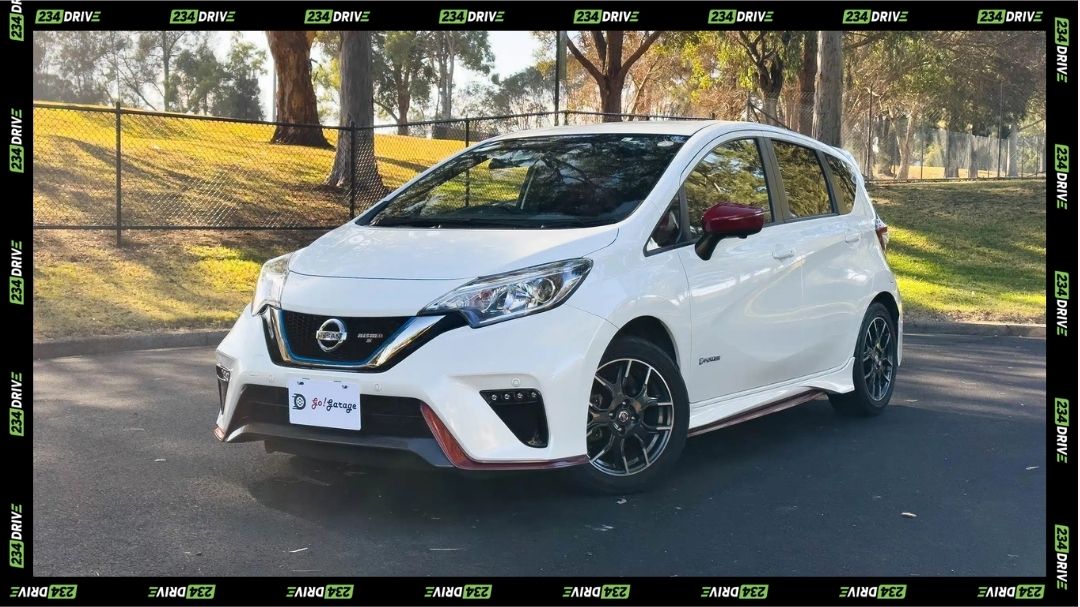
Trim levels significantly influence the exterior appeal. The Medalist and particularly the Nismo and Nismo S variants command higher attention. The Nismo models introduce aggressive body kits, redesigned bumpers, side skirts, prominent rear spoilers, and distinctive alloy wheels. These performance-inspired additions transform the car’s profile from a standard family runabout into a ‘hot hatch’ lookalike, attracting younger, enthusiast buyers who value the ‘fun’ factor and a more spirited aesthetic. This compact size, coupled with sharp, modern lighting elements, allows it to navigate dense urban traffic with ease while still projecting an image of technological sophistication.
Interior Comfort, Technology, and Performance Details
The interior of the Note e-POWER is defined by practical ergonomics and surprising technological sophistication for its segment. The cabin is efficiently packaged, offering ample headroom and adequate space for four adults, complemented by a respectable boot capacity. Materials are durable and designed to withstand heavy daily use, a critical factor for both family transport and commercial applications like taxi operation. Comfort is adequate, with seat designs prioritising long-term reliability and ease of maintenance.
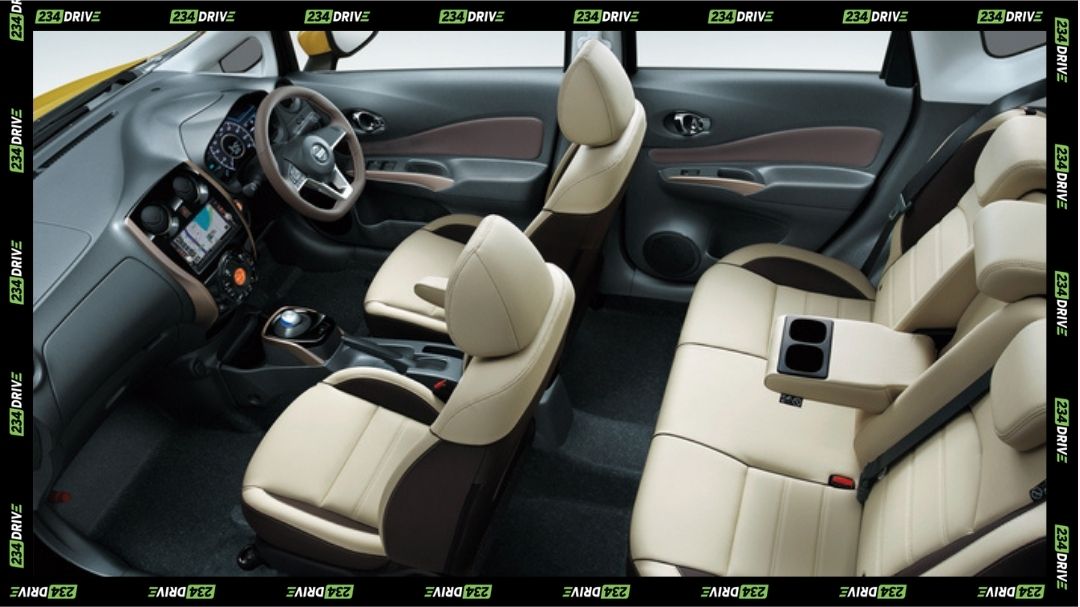
Technologically, the vehicle is well-equipped, particularly in the later models (2019+). Features highly valued by Kenyan buyers include: the 360° Around View Camera system, which is invaluable for tight city parking; Intelligent Cruise Control; Lane Departure Warning; Emergency Braking; and Blind-Spot Monitoring. These advanced safety and driver-assist features position the Note e-POWER well ahead of many of its similarly priced competitors in the used import market.
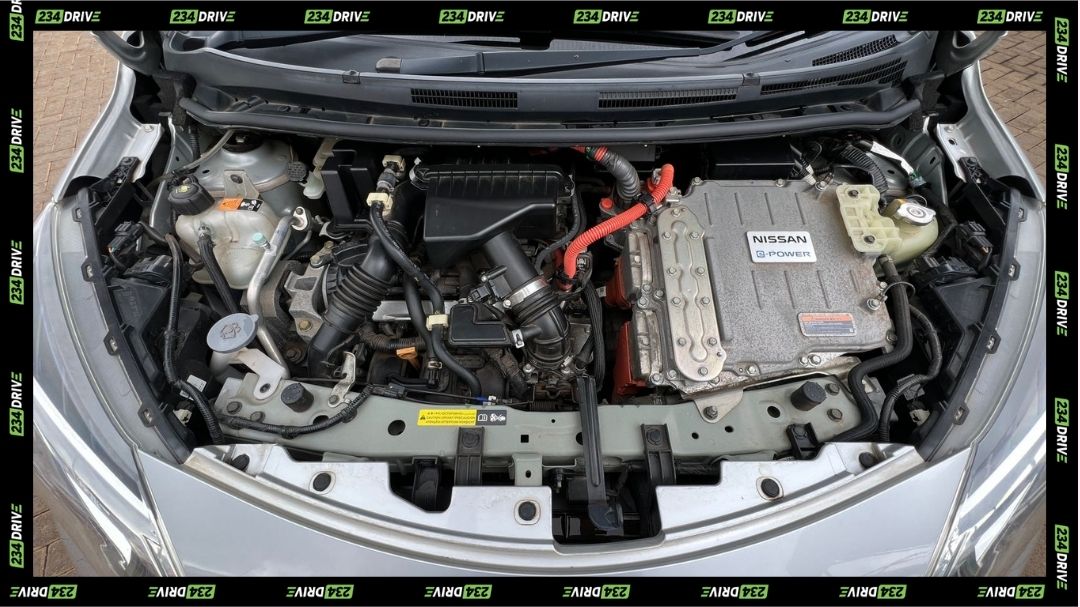
Performance is where the e-POWER system truly differentiates itself. The series-hybrid system pairs a small 1.2L 3-cylinder petrol engine (HR12DE), which acts solely as an on-board generator, with a powerful electric motor that delivers the final drive to the wheels. This setup yields approximately 109 to 114 hp and a highly accessible 254–280 Nm of instant electric torque. This ‘peppy’ performance provides sharp, immediate acceleration for quick overtakes or rapid bursts of speed away from traffic lights, earning it the descriptor of “big energy in a small package.” The driving dynamics are smooth and quiet—the engine only intervenes to charge the battery, resulting in a serene, vibration-free, and distinctly EV-like experience. This efficiency is tangible, with owners consistently reporting 20–25 km/L in mixed Nairobi traffic and impressive peaks of 34–38 km/L on open highway drives.
Pertinence to the Kenyan Driving Context and Societal Norms
The Nissan Note e-POWER’s design and engineering make it remarkably well-suited to the unique challenges and demands of the Kenyan driving environment, particularly in major metropolitan areas like Nairobi. The combination of high, instant torque and a compact footprint is a major asset in the country’s congested, stop-start traffic conditions. The instant acceleration allows drivers to fill gaps quickly and manoeuvre efficiently, mitigating the fatigue often associated with heavy urban commuting. Furthermore, the vehicle’s exceptional real-world fuel economy—routinely delivering over 20 km/L even under strenuous conditions—provides a crucial buffer against rising domestic fuel costs, making it an economically rational choice for cost-conscious urban drivers and commercial operators alike.
Beyond the engine, the vehicle’s overall durability and technology address key local needs. Owner reports and usage patterns confirm the car’s ability to handle Kenya’s often-challenging road network. While ground clearance is average for its class, the suspension is reportedly robust enough to cope with potholes and rougher stretches of asphalt, with high-mileage examples (over 200,000 km) continuing to perform reliably. The advanced driver-assist features, such as the 360° camera, are not luxuries but practical necessities in dense city centres and poorly lit parking areas. This blend of economic efficiency, robust performance, and practical technology aligns perfectly with the lifestyle of young, tech-savvy urban professionals who seek modern motoring solutions without the prohibitive cost of a brand-new vehicle.
Comparison to Segment Rivals
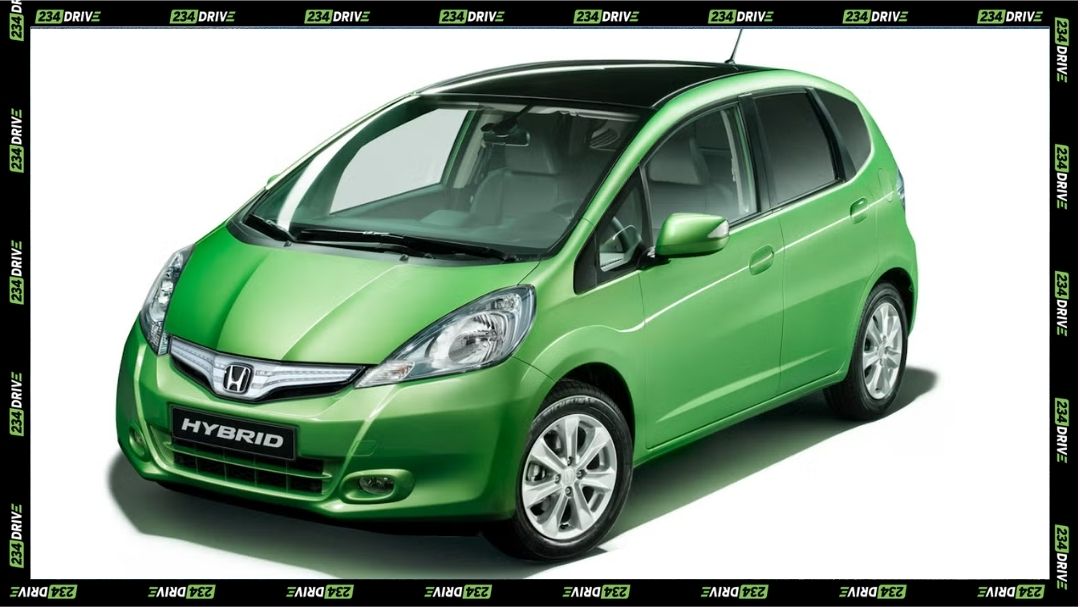
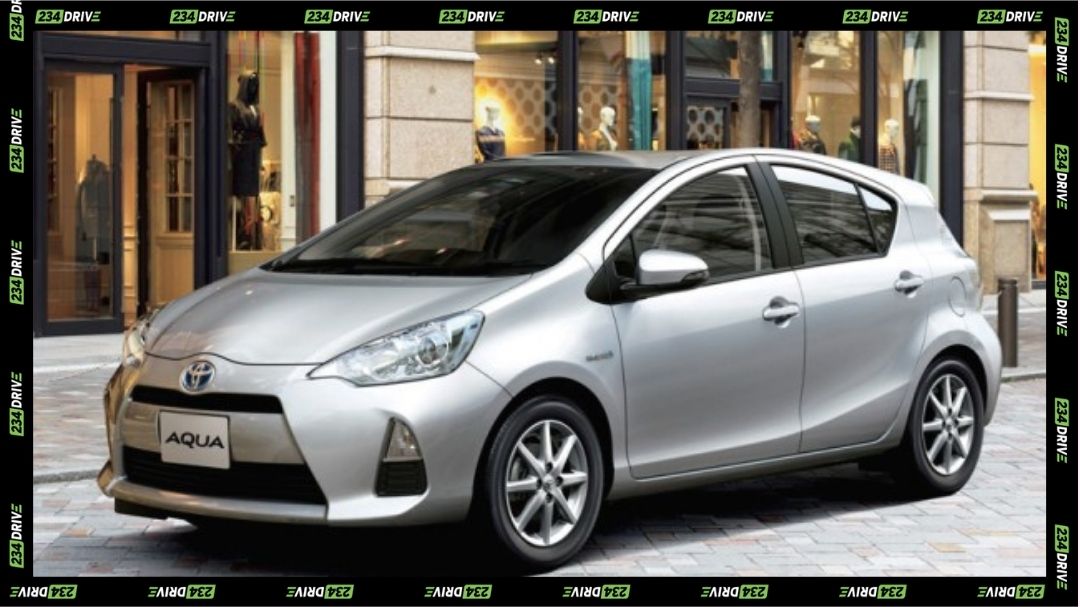
In the fiercely competitive Kenyan used hybrid market, the Nissan Note e-POWER faces stiff opposition from established segment leaders, most notably the Toyota Aqua (known as the Toyota Prius C in some markets) and the Honda Fit Hybrid. The Note e-POWER is usually priced similarly to its competitors from the same model years. Therefore, the choice between them is more likely to depend on what driving experience and technology a buyer prefers, rather than simply which one is cheaper.. The competitive positioning of the Note is built on its primary difference: its series-hybrid system.
While rivals like the Toyota Aqua employ a parallel-hybrid system, blending petrol and electric power for propulsion, the Note e-POWER stands out for its purely electric drive feel. This provides a smoother, quieter, and more responsive experience compared to the often-noticeable transitions and engine noise characteristic of parallel hybrids. This key differentiator is what captures the attention of buyers seeking a taste of EV motoring. Regarding durability and maintenance, all three Japanese imports boast strong reputations.
The perceived durability and longevity of the Note e-POWER are continually reinforced by owner testimonials and local reviews that document high-mileage examples continuing to deliver impressive fuel economy. This practical enthusiasm, focused on savings and sustained performance, provides a compelling alternative to the Toyota/Honda dominance. While Toyota still commands the highest overall market share and typically stronger initial resale value due to brand loyalty, the Note’s distinct performance proposition and lower running costs offer a strong counterbalance. Its appeal to the younger demographic who value modern features like the 360-degree camera and advanced safety suite over pure brand prestige means the Note is strategically positioned to chip away at the traditional market share, offering a modern, efficient, and technologically superior alternative for the affordable hybrid segment in Kenya.
Conclusion
The Nissan Note e-POWER, as evidenced by its strong performance in the Kenyan used car market in late 2025, is far more than just another imported hatchback. It is a highly relevant, technologically advanced, and economically compelling solution for the modern urban driver. Its unique series-hybrid system delivers the smooth, silent, and torquey driving experience of an EV, coupled with fuel economy figures that directly combat the challenges of high fuel costs and congested traffic. With its robust build quality, wealth of safety features, and strong community endorsement, the Note e-POWER is indeed a game-changer in the affordable hybrid segment. If you are a young urban professional or a fleet operator in Kenya seeking modern technology, low running costs, and peppy performance, a post-2019 Note e-POWER with a full safety suite represents outstanding value and an intelligent choice for navigating the contemporary Kenyan landscape.
Do you agree that the Note e-POWER offers “big energy in a small package”? How does it compare to your experience with the Toyota Aqua or Honda Fit? Share your thoughts and ownership tips in the comments below.