
The Landwind marque, originating as a joint venture between Changan Automobile and Jiangling Motors Corporation (JMC), carved out a highly visible, albeit controversial, niche in the global automotive landscape. Its public image is inextricably linked to the design of its flagship model, the X7, which became globally notorious for its striking, near-identical resemblance to the highly esteemed Range Rover Evoque. This provocative approach established Landwind not as a luxury contender, but as a bold, budget-focused challenger determined to offer aspirational design at a radically accessible price point.
This positioning appeals directly to a segment of the Nigerian market: the discerning, value-conscious buyer who prioritises aesthetics and road presence but must operate within rigorous financial constraints. Landwind’s known taste, therefore, is rooted not in originality, but in providing maximum visual prestige per Naira spent. Whilst the brand officially ceased independent operations around 2020 following legal challenges from Jaguar Land Rover, its legacy models like the X7 continue to circulate, primarily via grey market imports, embodying a fascinating—and complex—proposition for Nigerian motorists.
The Landwind X7: A Deep Dive
Exterior Design, Styling Features, and Road Presence
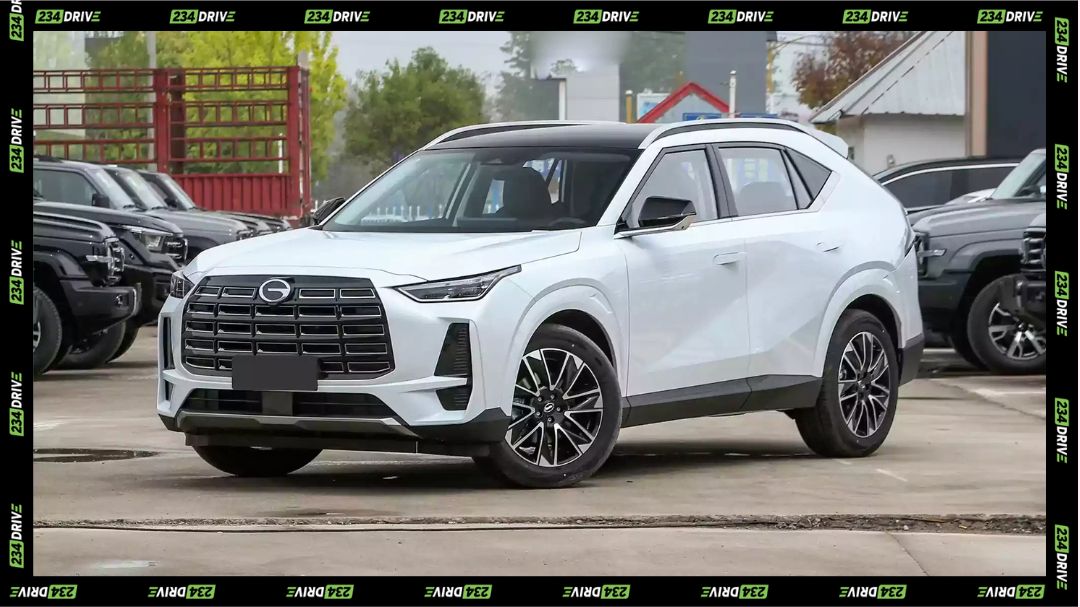
The Landwind X7’s exterior design is its entire raison d’être. It is a masterclass in homage, sporting identical dimensions, roofline, clamshell bonnet, and headlight arrangement to the first-generation Range Rover Evoque. The design is undeniably handsome, characterised by a high shoulder line, tapered windows, and a muscular stance, ensuring the X7 achieves significant road presence. For the Nigerian motorist, this vehicle delivers premium visual impact without the associated luxury price tag.
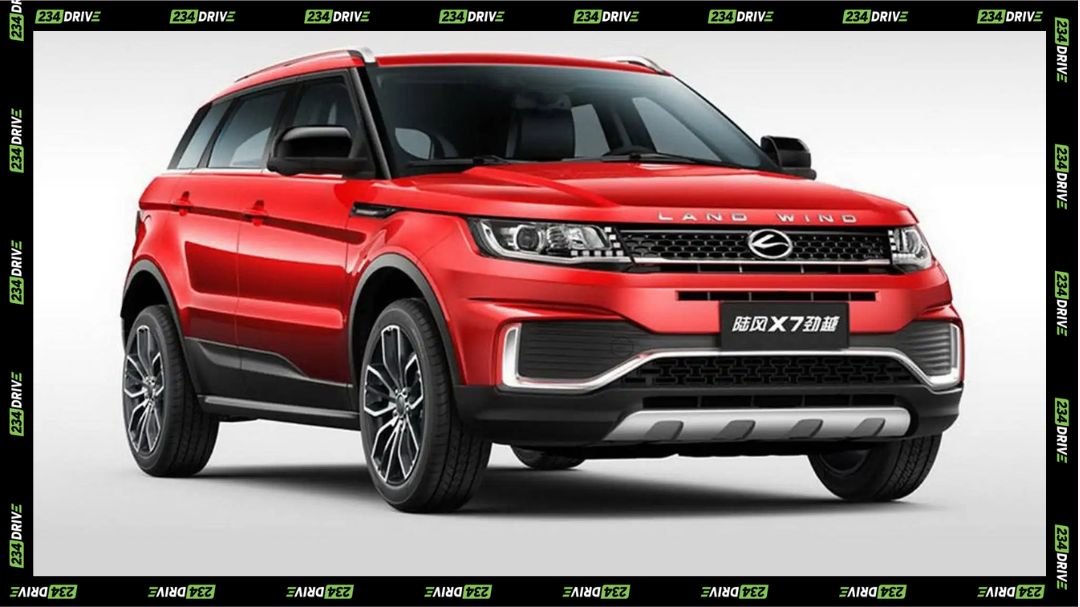
Styling features include a large, aggressive grille (though typically restyled slightly from the original Evoque to avoid direct branding infringement), panoramic glass roof options, and bold alloy wheel designs that complete the upscale look. Despite its Chinese origins, the vehicle’s overall build quality is generally considered adequate for its price segment. However, the derivative styling is a dual-edged sword: whilst it garners attention, it also sparks debate, leading to its unofficial status as a “copycat” amongst informed enthusiasts.
Interior Comfort, Technology, and Performance Details
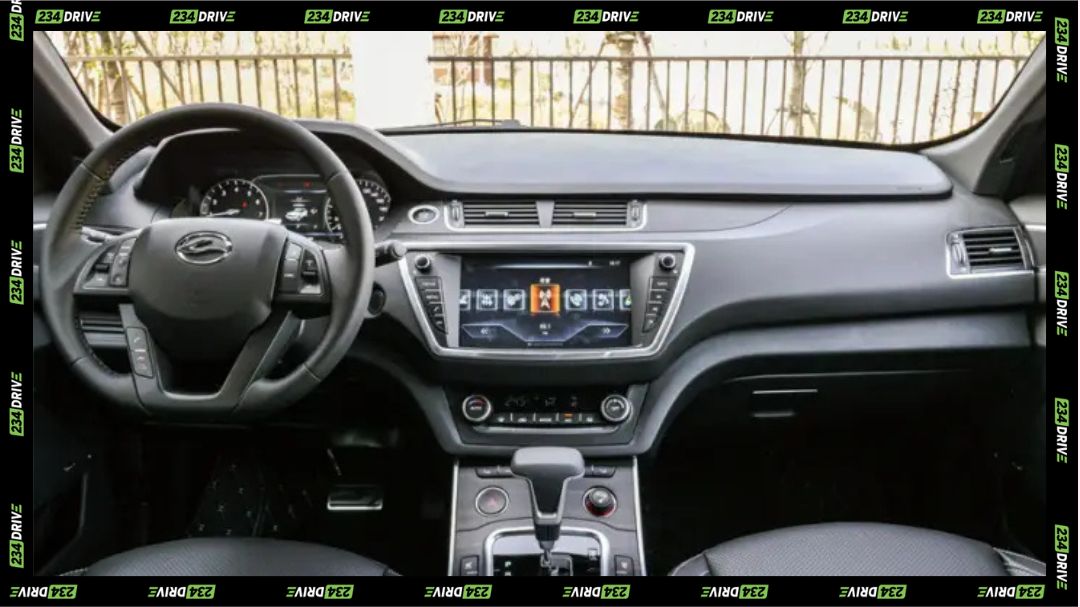
Stepping inside the X7, the interior offers a spacious and reasonably comfortable cabin environment that often exceeds expectations for its price bracket. Landwind equipped the X7 with contemporary features, including a large, centrally mounted touchscreen infotainment system that controls navigation, media, and climate functions. Comfort levels are competitive, typically featuring electrically adjustable leather or leatherette seating and decent sound insulation, which is essential for managing the noise of Nigerian traffic.
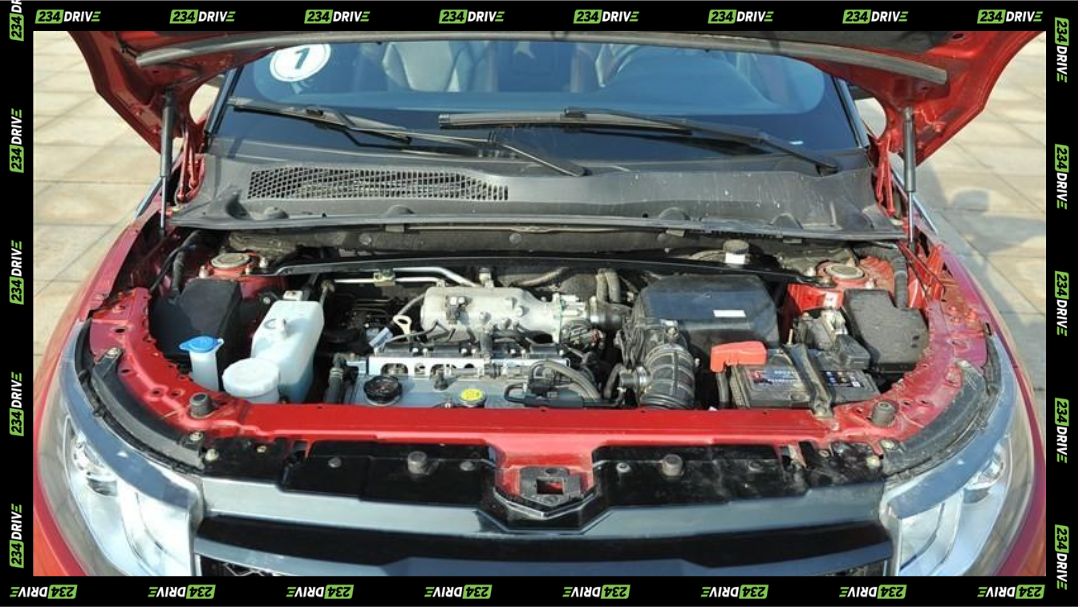
In terms of performance, the X7 is often powered by a 2.0-litre turbocharged four-cylinder petrol engine, producing approximately 190 horsepower and roughly 250 Nm of torque. This is usually paired with an eight-speed automatic gearbox. Whilst not offering the sophisticated all-wheel-drive dynamics of its spiritual inspiration, the X7’s performance is sufficiently lively for urban and highway use. Crucially, the engineering prioritises fuel efficiency and manageable maintenance over high-speed driving thrills, making it a pragmatic choice for the daily commute. Used models sourced from China, such as a 2016 X7, have a typical base price of around $4,000 (approximately ₦6,000,000) before shipping and customs.
The Collection’s Relevance in the Nigerian Context
The relevance of a Landwind X7 collection in Nigeria is deeply intertwined with the country’s unique driving environment and economic reality. The vehicle’s high ground clearance, an inherited trait from the Evoque design, is a significant practical advantage. Nigerian road conditions—frequently characterised by speed bumps, potholes, and unpaved sections—necessitate a robust suspension and elevated ride height, which the X7 capably provides.
However, the lack of official dealership support is the greatest impediment to ownership. Unlike locally assembled or officially distributed Chinese brands like GAC, Chery, or Changan, there are no certified service centres or guaranteed parts availability for Landwind. This means maintenance relies heavily on independent mechanics and direct importation of spare parts, which increases downtime and maintenance costs. Therefore, whilst the X7 offers significant prestige, it demands a highly proactive and resourceful owner to ensure long-term durability and reliability.
Comparative Market Position and Analysis
Cost, Competitive Positioning, and Resale Value
The Landwind X7’s competitive positioning in Nigeria is split between two distinct rival groups. On one hand, it competes indirectly with the genuine luxury segment, such as a used Range Rover Evoque. Here, the X7 wins purely on upfront cost; the initial $4,000 Chinese purchase price is a tiny fraction of the cost of a legitimate Evoque. However, this positioning is superficial, as the X7 lacks the engineering integrity, premium materials, and brand cachet of the Range Rover.
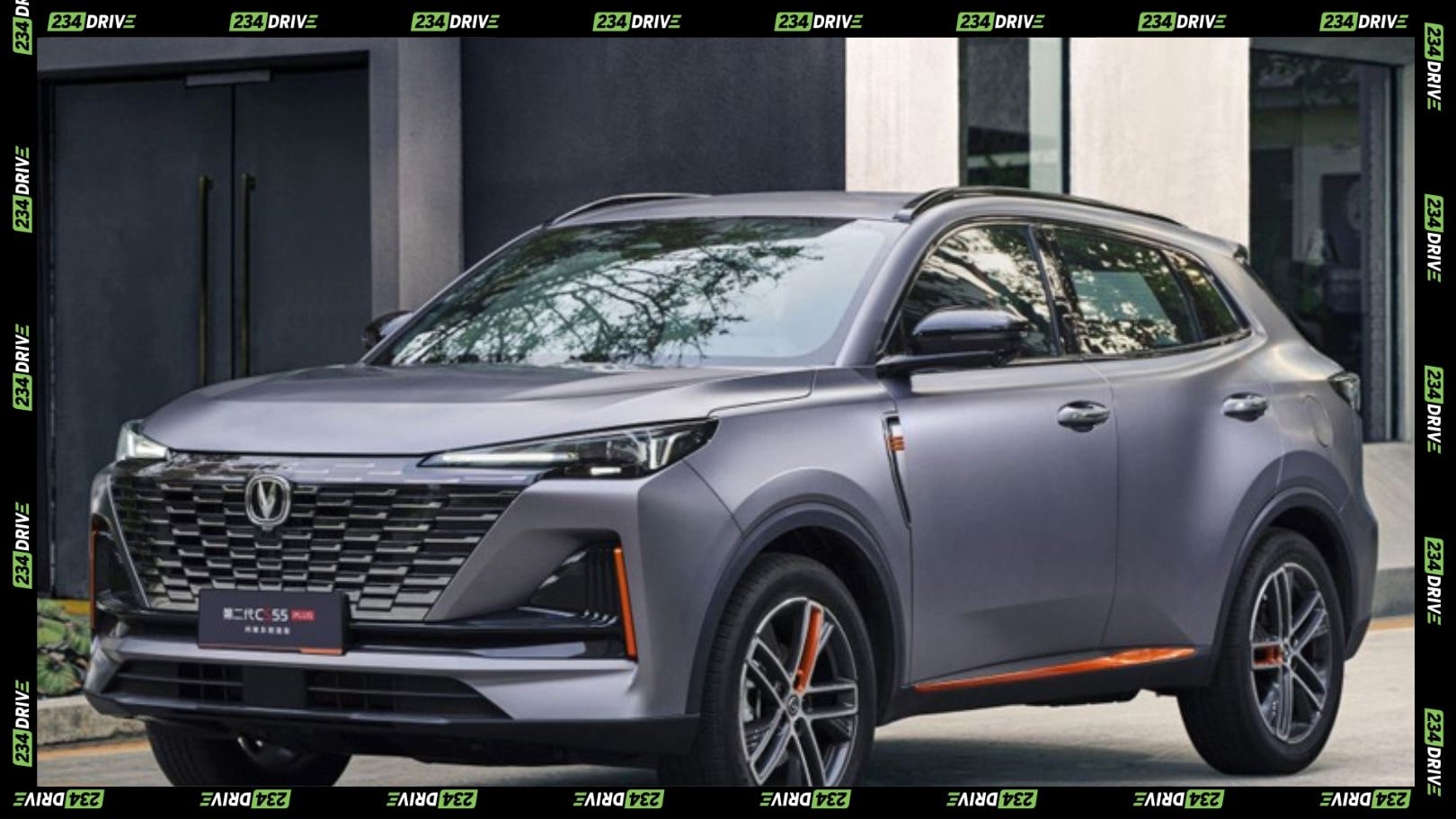
On the other hand, the X7 competes directly on price and features with officially imported Chinese SUVs like the GAC GS4 or Changan CS55. The X7’s disadvantage here is the high import cost—a landed price of over ₦16.9 million (for the example $4,000 model) makes it more expensive than some new, entry-level, officially warrantied alternatives from GAC or Chery. Furthermore, its resale value is highly speculative due to the lack of local market listings and official distributor support, making it a far riskier investment than its locally supported Chinese rivals.
Durability, Maintenance, and Segment Rivals
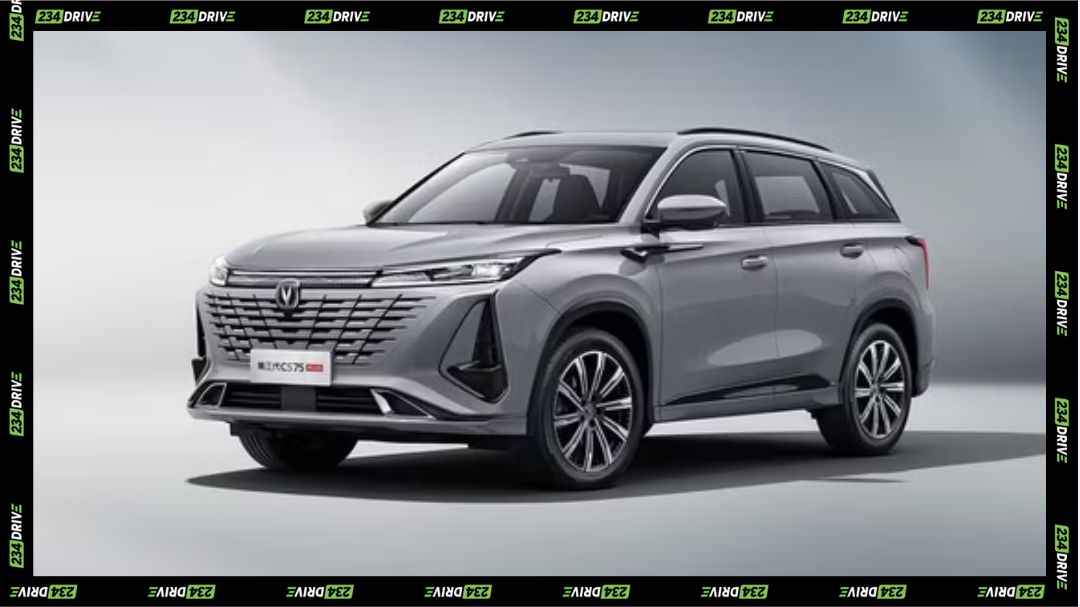
In terms of durability, the X7 is built to a budget, and long-term reliability in the demanding Nigerian climate (heat, dust, poor road infrastructure) is questionable without local, expert support. Official segment rivals like the GAC GS4 or the Changan CS75 offer local warranties, service centres, and readily available spare parts, which are huge advantages for maintenance and peace of mind. The maintenance requirements for these official brands are standardised, predictable, and often subsidised under service packages.
For the X7, maintenance is a bespoke, complicated affair. Every major repair requires sourcing parts internationally, adding complexity and cost. Whilst the engine technology is relatively common, bodywork and electrical components specific to the Landwind organisation are scarce in the Nigerian ecosystem. This disparity means that whilst the official Chinese rivals offer a lower visual prestige, they deliver vastly superior logistical and financial durability over the life of the vehicle, fundamentally shaping the ownership experience in a challenging market.
Conclusion
The Landwind X7, as a statement of affordable aspiration, represents a fascinating automotive paradox in the Nigerian market. It delivers undeniable road presence and an array of features at a deeply discounted price relative to its luxury design inspiration. However, the necessity of import, the high landed cost of approximately ₦16.9 million (for a used model), and the complete absence of local dealer support make it an ownership proposition reserved for the brave or the highly resourceful. For most, the pragmatic choice remains with established, locally supported Chinese brands.
We invite our readers to share their thoughts: Would you take on the maintenance risks of a Landwind X7 for the visual reward, or do you favour the peace of mind offered by officially supported brands like Changan and GAC?