
The Toyota Noah has cemented its status as arguably the most dominant Multi-Purpose Vehicle (MPV) on Kenyan roads. Imported primarily as a used vehicle from the Japanese domestic market (JDM), the Noah is not merely a people carrier; it is a foundational pillar of family logistics, commercial fleet operations, and the robust matatu transport industry. Its widespread success is intrinsically linked to Toyota’s global reputation for longevity and resilience, attributes that translate perfectly to the diverse and often challenging driving environments across the country.
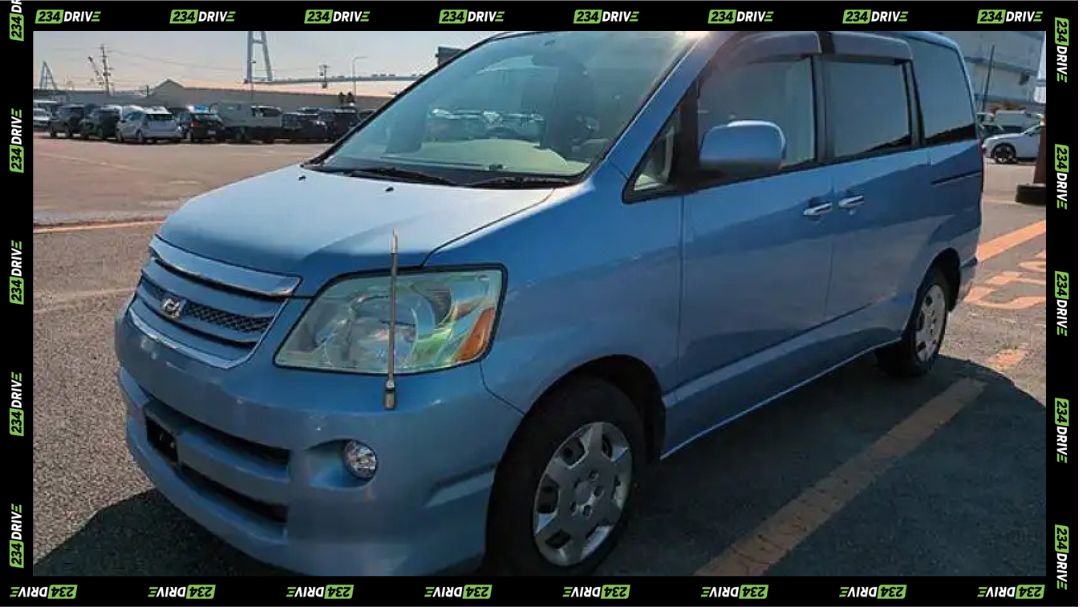
Since its debut in 2001, the Noah has evolved through four distinct generations, each focusing on enhancing interior space, comfort, and increasingly, fuel efficiency through hybrid technology. This consistent commitment to practicality and affordability has made it an indispensable component of the Kenyan automotive landscape. Below, we delve into the evolution of this beloved minivan, analysing the features, performance, and current pricing across its key generations available to buyers in Nairobi, Mombasa, and beyond.
The Evolution of the Kenyan Workhorse
To comprehensively assess the Toyota Noah’s influence, it is necessary to examine the vehicle’s progression through its four generations, which reflect the changing demands of the Kenyan consumer—from basic transport to high-tech, fuel-efficient family movers. We will segment this exploration by key generational phases to provide a clear purchasing guide.
Pioneer Models: First and Second Generations (R60/R70, 2001–2013)
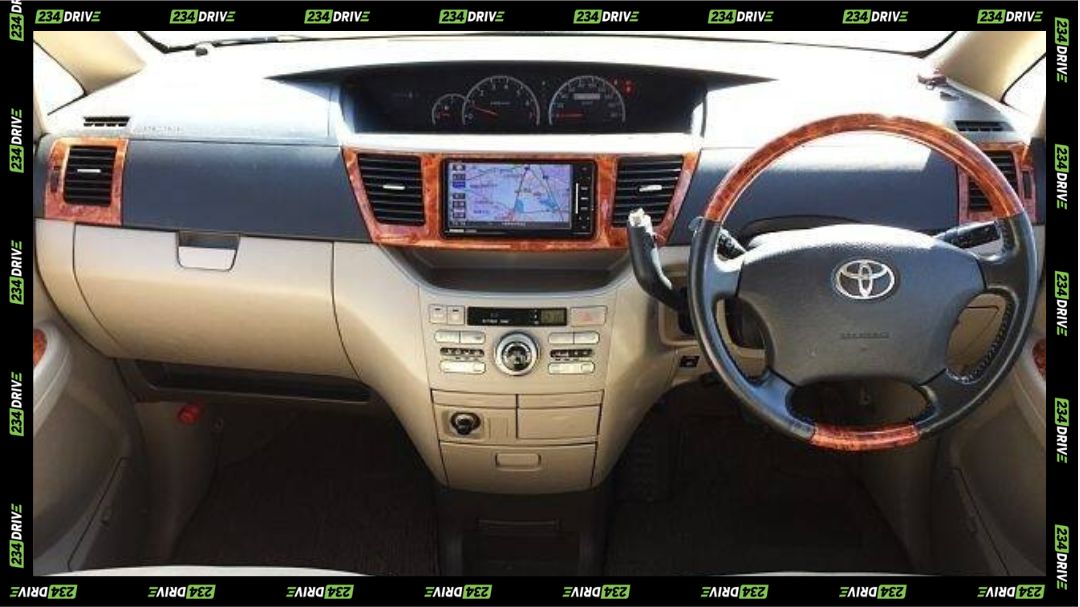
The earliest imported iterations of the Noah, comprising the R60 (2001–2007) and R70 (2007–2013) series, established the minivan’s familiar, boxy silhouette. These models prioritised maximum internal volume over sleek aesthetics, featuring a simple, upright exterior design. Their road presence is defined by their utilitarian stature and high roofline, immediately signalling their purpose as practical people-movers. The R70 facelift models introduced subtle improvements, such as more modern lighting clusters and slightly refined grilles, but they maintained the core philosophy of robust, straightforward styling.
Under the bonnet, these early generations predominantly featured the reliable 2.0-litre petrol engines, such as the 1AZ-FSE in the R60 series, delivering adequate power and mechanical simplicity. Horsepower figures typically ranged around 153 PS (114 kW). Driving dynamics were inherently focused on comfort and stable highway cruising rather than agility, exhibiting soft, pliant suspension suitable for long distances. Technology was rudimentary, though the R70 series began incorporating modern features like power sliding doors and Vehicle Stability Control (VSC) in later trims. These models represent the most budget-friendly entry point to ownership, with prices typically ranging from KES 200,000 up to KES 1,200,000 for cleaner, later second-generation units.
The Modern Standard: Third Generation (R80, 2014–2021)
The third-generation Noah (R80) brought a significant design leap, modernising the exterior with a more aggressive, sharper aesthetic. The front fascia became bolder, often featuring distinctive LED headlights and a more pronounced grille, lending it a notably stronger road presence compared to its predecessors. This generation successfully balanced the required box-like practicality with contemporary styling elements, making it an incredibly popular choice that defined the mid-2010s MPV segment. The styling, shared with the sporty Voxy twin, appealed to a wider demographic of buyers.
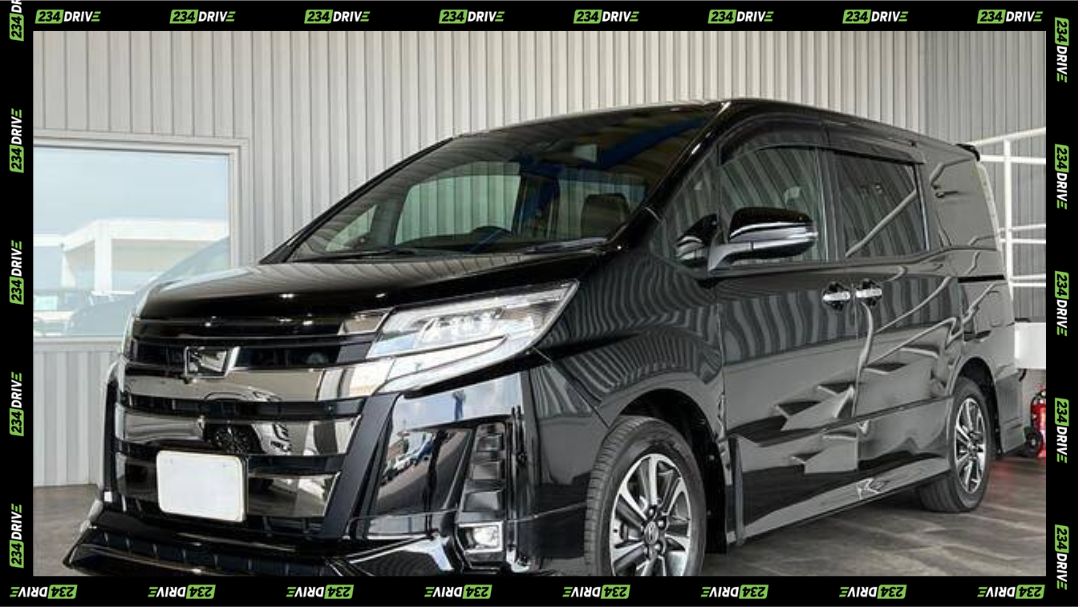
Inside, the R80 series substantially elevated comfort and technological integration. The introduction of 1.8-litre hybrid powertrains (2ZR-FXE) dramatically improved performance and fuel economy, pushing efficiency to an outstanding 20–23 km/L, while combining the petrol engine with an electric motor for a total output around 134–136 hp. The cabin benefited from better material quality, the widespread adoption of touchscreen infotainment systems, and flexible seating configurations, including the popular seven-seater layout with captain’s chairs. Pricing for these well-regarded units typically falls between KES 2,300,000 and KES 4,300,000, depending heavily on the trim level, mileage, and whether it features the highly desirable hybrid system.
Flagship TNGA Generation: Fourth Generation (R90, 2022–Present)
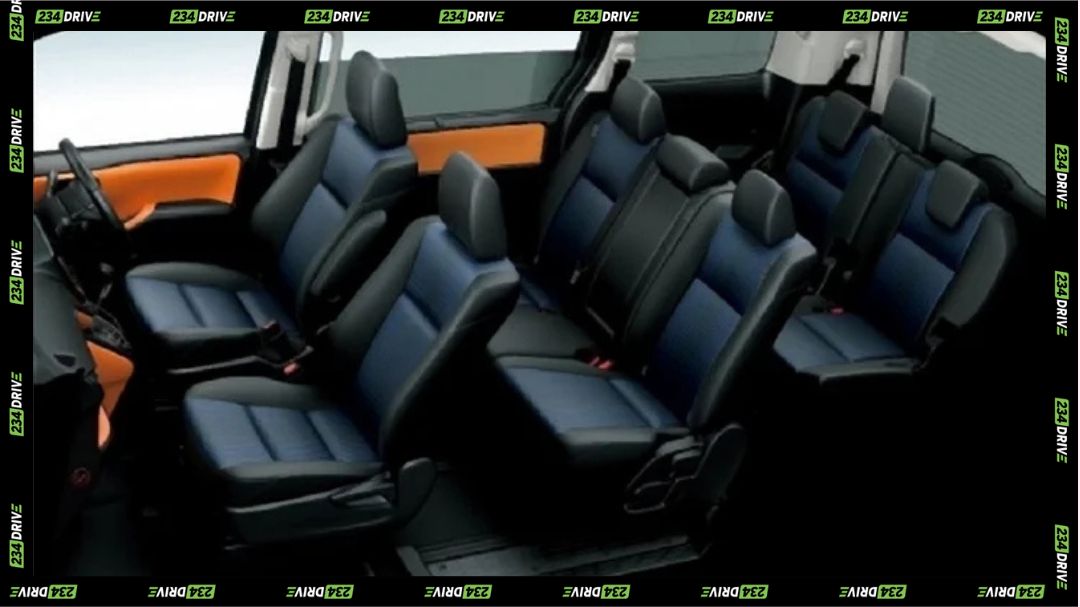
The current, fourth-generation Noah (R90 series) represents a complete overhaul, built upon Toyota’s highly adaptable Toyota New Global Architecture (TNGA) platform. This shift has resulted in superior structural rigidity and improved crash safety. The exterior design is notably more refined and luxurious, with a wider stance and a sophisticated, contemporary front end that elevates its prestige. The styling now incorporates cleaner lines and integrated aerodynamic elements, reflecting a move towards a premium family vehicle aesthetic, differentiating it further from its utility roots.
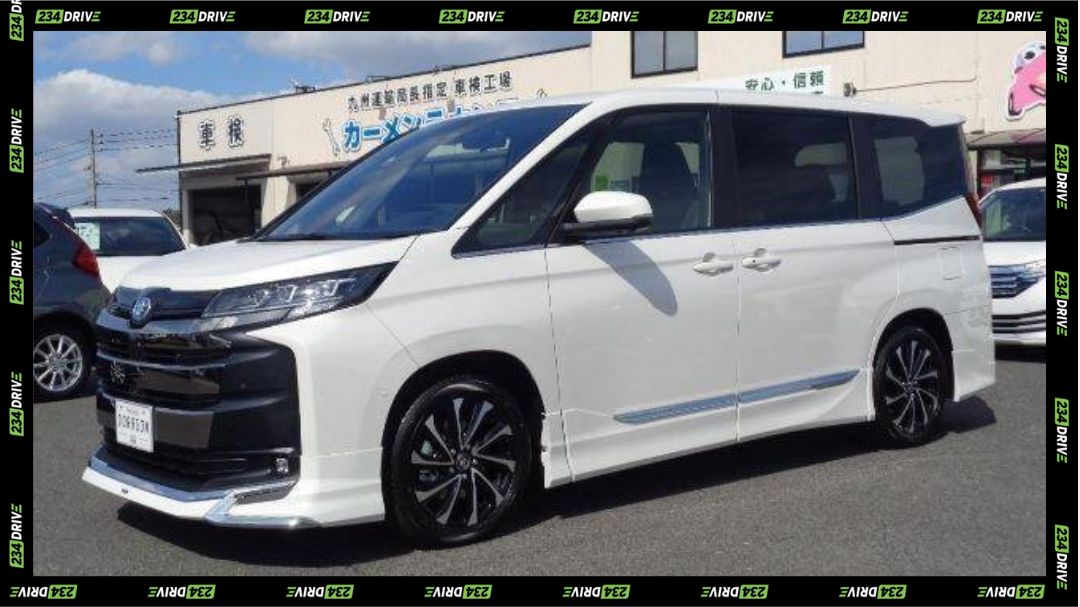
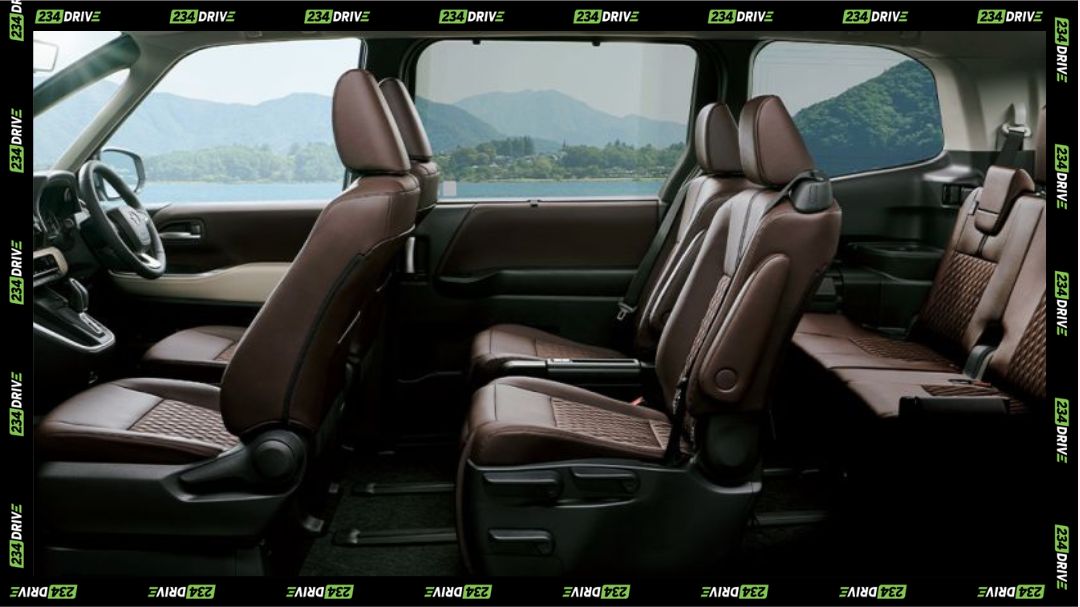
The R90 interior is dominated by enhanced luxury and cutting-edge technology. The updated 1.8-litre Atkinson-cycle hybrid system delivers a refined combined output of approximately 138 hp, coupled with an e-CVT transmission, ensuring seamless, ultra-efficient driving dynamics. Critically, this generation integrates the comprehensive Toyota Safety Sense suite, including advanced features like pre-collision and lane departure alert systems, which are vital for modern family transport. The use of the TNGA platform also refines the ride quality, offering a more composed and less body-rolling experience. These top-tier models currently command the highest prices, typically ranging from KES 3,800,000 for early fourth-generation imports up to KES 6,000,000 for the newest premium 2025 trims, with hybrid variants continuing to justify a substantial price premium.
The Noah’s Relevance in the Kenyan Context
The Toyota Noah’s market dominance in Kenya is not accidental; it is a direct reflection of its suitability for the region’s specific driving and lifestyle requirements. The vehicle’s 160 mm ground clearance and relatively robust suspension configuration are paramount. This clearance provides crucial protection for the undercarriage when navigating the variable conditions found on urban peripheries and rural roads, where potholes and uneven surfaces are common challenges.
Furthermore, its design satisfies two critical market needs: family utility and commercial viability. The flexible 7- or 8-seat configuration, combined with easy-access power sliding doors and fold-flat rear seats, makes it ideal for large Kenyan families and high-volume commercial passenger transport (matatu or tours). Current listings can be checked on used vehicle marketplaces such as Jiji. The availability of affordable spare parts and the widespread familiarity of Toyota servicing within the country’s maintenance network ensures low running costs and high durability—key economic factors in a market sensitive to long-term reliability. Its fuel efficiency, particularly in the hybrid models (averaging 20–23 km/L), offers substantial cost savings in a country with volatile fuel prices, making the efficiency premium an investment rather than a luxury.
Comparison Against Segment Rivals
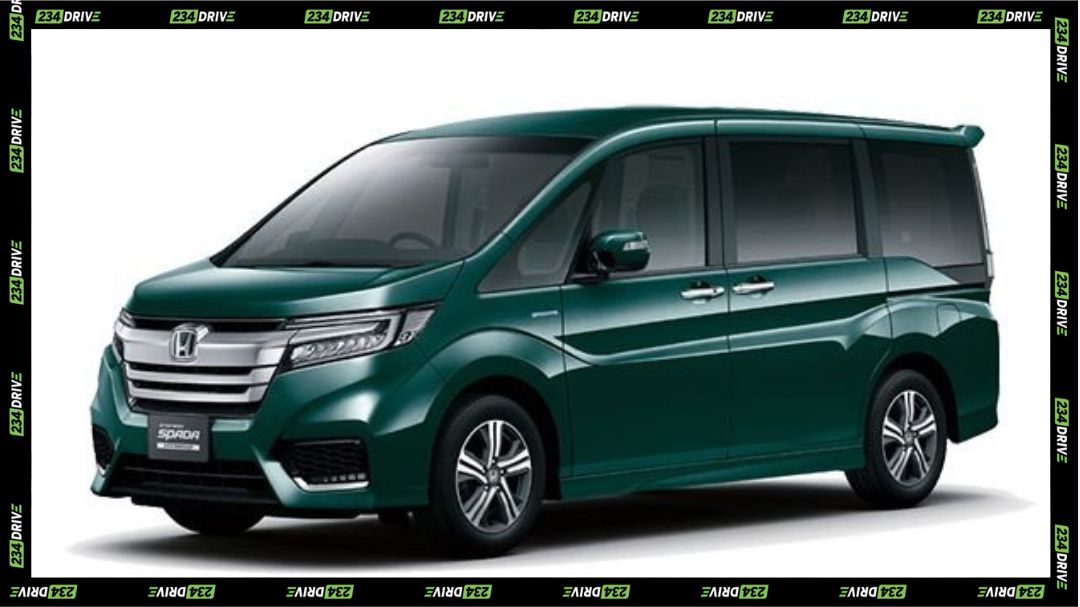
The Noah operates in a highly competitive segment, primarily battling two other Japanese imports: the Nissan Serena and the Honda Stepwgn. While all three offer similar seating capacity, their competitive positioning and core strengths differ significantly, influencing resale value and maintenance overheads in the Kenyan market.
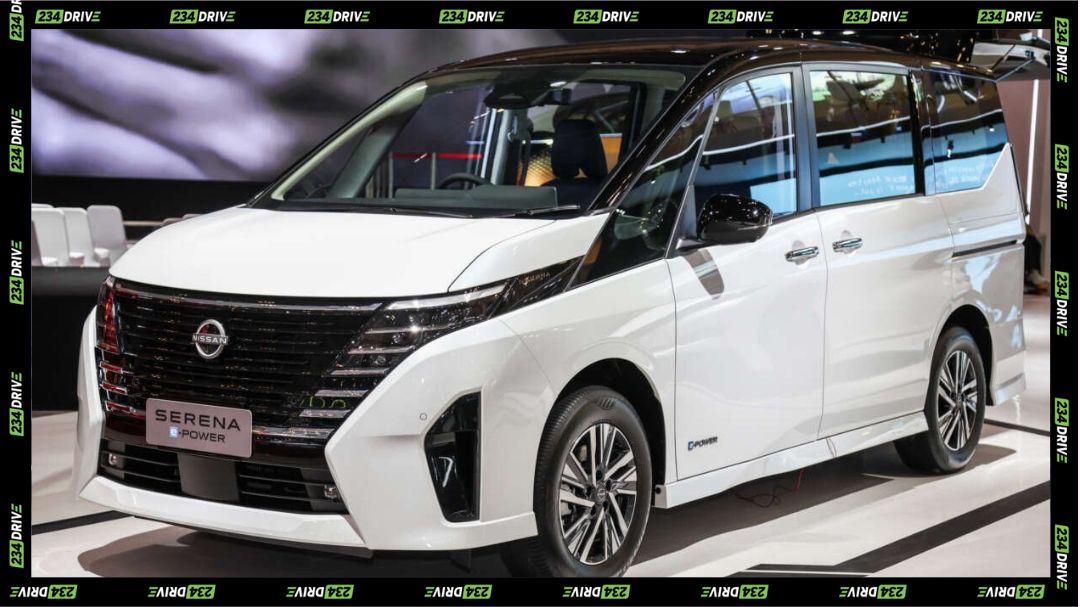
In terms of cost and competitive positioning, the Toyota Noah generally offers the most balanced package, often being priced slightly below the equivalent-year Honda Stepwgn but comparable to the Nissan Serena. The Noah’s key advantage lies in its superior long-term durability and resale value. The Toyota badge carries unmatched reliability prestige in Kenya, which translates into lower depreciation and a significantly larger, more competitive resale market compared to both the Serena and the Stepwgn. Prospective buyers can compare models directly on platforms like Autochek for current deals. While newer Nissan Serena e-POWER models offer a unique, nearly electric driving experience, their system complexity can sometimes lead to slightly higher maintenance costs outside of official dealer networks, contrasting with the Noah’s conventional and well-understood hybrid technology.
The Honda Stepwgn, typically viewed as a slightly more premium or enthusiast-focused alternative, often boasts a smoother ride and sometimes superior interior appointments or unique features (like Honda Sensing or a turbocharged engine). However, the Stepwgn’s maintenance landscape in Kenya is less saturated than the Noah’s, meaning parts availability and specialised mechanical expertise are not as universally accessible. The Noah is the undisputed champion of low breakdown rates and affordable service parts, sharing components with many other common Toyota models. For local dealership stock and prices, consider exploring listings from dealers such as Croton Motors. While the Serena and Stepwgn offer strong competition, particularly in terms of aggressive styling or unique hybrid systems, the Noah’s proven resilience and low cost of ownership solidify its position as the safe, durable choice for the average Kenyan buyer.
Reliability Meets Versatility
The Toyota Noah’s continued dominance in Kenya is a testament to its successful blend of versatility, efficiency, and robust Toyota engineering. From the simple, utilitarian designs of the R60 era to the high-tech, TNGA-platform R90 hybrids, the Noah has consistently delivered a practical solution for both private and commercial transport. Its strong resale value and low maintenance costs ensure that it remains a financially sensible purchase, capable of withstanding the rigours of diverse Kenyan roads.
This review confirms the Noah’s status as a top-tier choice for any buyer prioritising durability and space. This draft is appropriate for a high-school or introductory college-level reader. Let me know if you’d like to dive deeper into the specifics of hybrid battery longevity in hot climates or explore financing options available for these vehicles in Kenya.