
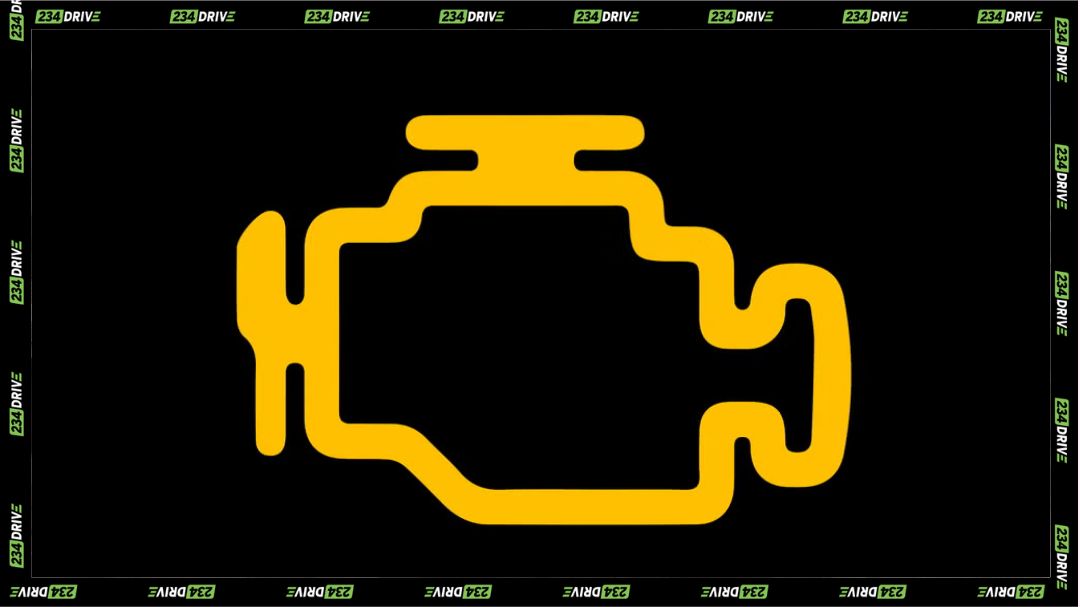
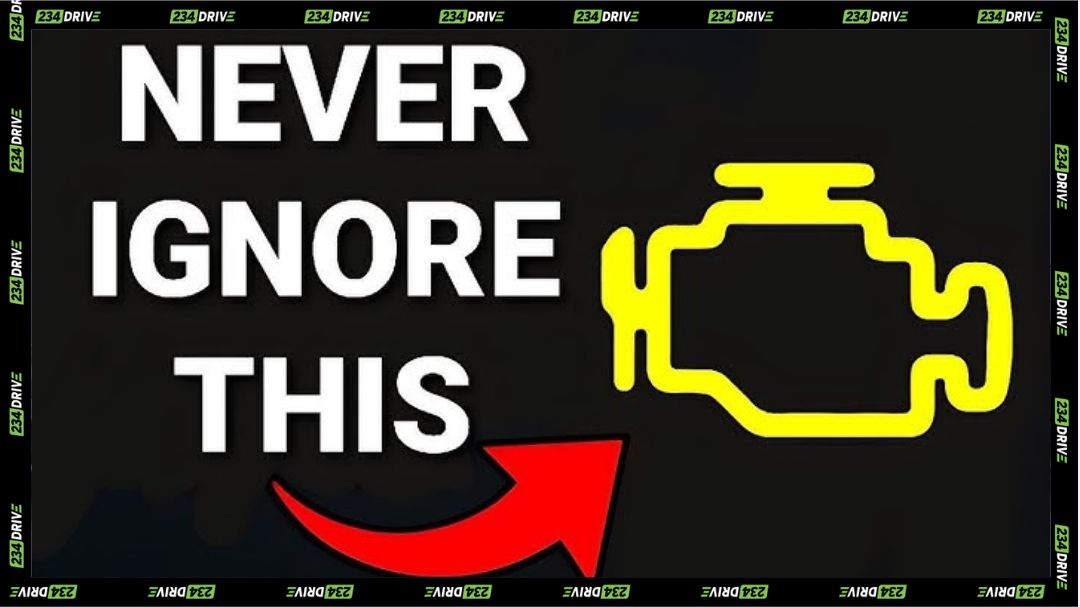
That sudden yellow or orange engine icon—the Check Engine Light (CEL)—can induce instant panic in any driver. Research suggests that while this warning often indicates minor issues, like a loose gas cap, it can also signal more serious problems such as engine misfires or emissions failures. The key takeaway is simple: always diagnose promptly to avoid escalation.
Ignoring the CEL could lead to reduced fuel efficiency, higher emissions, or costly repairs. But does it always mean you need to pull over immediately? Not necessarily—a steady light means you should investigate soon, but a blinking or red light warrants urgent, immediate attention.
Let’s demystify the Malfunction Indicator Lamp (MIL) and outline the steps you need to take to diagnose, fix, and prevent its unwelcome illumination.
Understanding the CEL
The Check Engine Light serves as a critical alert in modern vehicles equipped with the OBD-II (Onboard Diagnostics) system, standardised since 1996. This system constantly monitors your engine’s performance, emissions controls, and related components, storing Diagnostic Trouble Codes (DTCs) when it detects an anomaly.
- Steady Light (Non-Urgent): Usually points to a non-emergency issue that should be addressed soon to prevent worsening.
- Blinking Light (Urgent): Signals a severe problem, such as a serious engine misfire, requiring you to reduce speed immediately and seek professional inspection to avoid catastrophic damage, like overheating the catalytic converter.
Common Causes and Triggers
The causes of a CEL span a wide range, from simple oversight to significant mechanical failure. Knowing the frequent culprits can save you time and money:
- Loose or Faulty Gas Cap: The most frequent trigger. It disrupts the evaporative emissions (EVAP) system, allowing fuel vapors to escape. (P0442, P0455)
- Failing Oxygen Sensor: Monitors exhaust gases to adjust the air-fuel ratio. Failure results in poor fuel efficiency and increased pollutants.
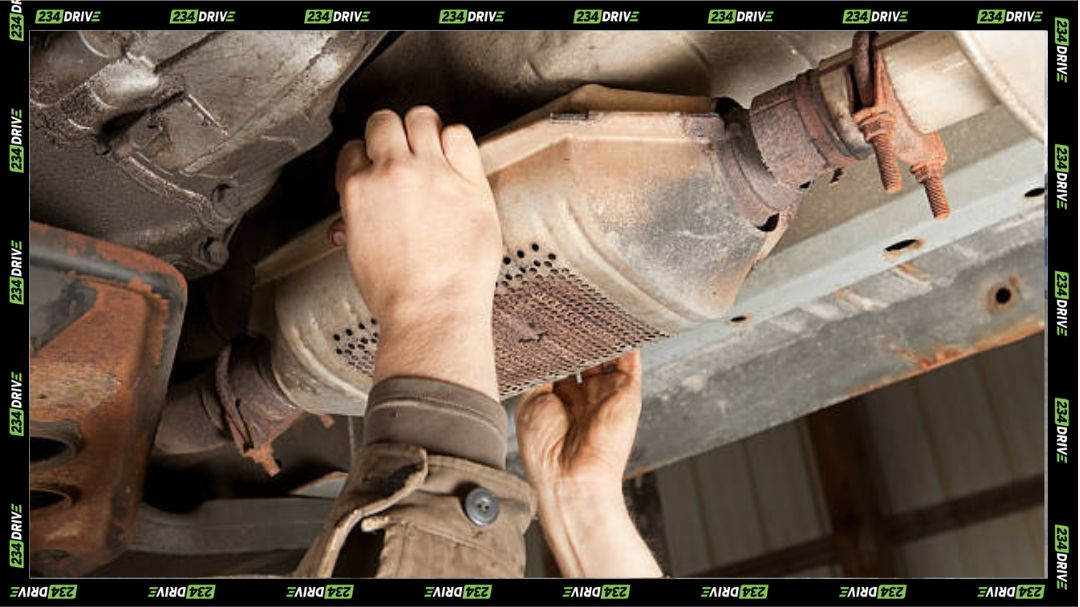
- Catalytic Converter Inefficiency: This component converts harmful gases into less toxic substances. Issues often stem from upstream problems like prolonged misfires. (P0420)
- Mass Airflow (MAF) Sensor Failure: Measures incoming air for proper fuel injection. A dirty or faulty MAF sensor can cause rough idling, hesitation, or reduced power. (P0101)
- Ignition Problems: Worn spark plugs, faulty ignition coils, or damaged wires can lead to engine misfires, dumping unburned fuel into the exhaust. (P0300, P0301)
- Vacuum Leaks: Internal engine faults that can cause a variety of performance issues. (P0171)
The Core Diagnosis: Scanning the Codes
Evidence leans toward using an OBD-II scanner as the most reliable way to identify the cause. You can buy an affordable scanner (typically $20–$100) or take your vehicle to an auto parts store, which often offers free code reading.
Plug the scanner into the diagnostic port (usually under the dashboard on the driver’s side) to retrieve the stored trouble codes. These codes are alphanumeric, starting with:
- P (Powertrain)
- B (Body)
- C (Chassis)
- U (Network)
Here is a quick reference for some of the most common codes:
P0420: Catalyst System Efficiency Below Threshold (Bank 1): This code indicates that the vehicle’s catalytic converter system is not operating at the required efficiency to properly process exhaust gases. It is commonly caused by a faulty catalytic converter itself, an issue with the oxygen sensors that monitor the exhaust, or leaks in the exhaust system. To resolve this, you may need to replace the catalytic converter, inspect and replace the oxygen sensors, or fix any exhaust leaks.
P0300: Random/Multiple Cylinder Misfire Detected: This is a serious code indicating that the engine’s onboard computer has detected misfires occurring randomly across multiple cylinders. Common causes include failed components in the ignition system, such as faulty spark plugs or ignition coils, issues with fuel delivery like clogged fuel injectors, or leaks in the vacuum system. To fix this, you should replace the faulty plugs, coils, or injectors, and check the engine for any vacuum leaks.
P0171: System Too Lean (Bank 1): This means the engine is running with too much air and not enough fuel, often referred to as a “lean” condition. Potential causes include vacuum leaks in the intake system, a dirty or faulty Mass Airflow (MAF) sensor, clogged fuel injectors, or problems with the fuel pump or oxygen sensor. Diagnosis usually involves inspecting for vacuum leaks, and potentially cleaning or replacing the MAF sensor or checking the fuel system components.
P0442: Evaporative Emission Control System Leak Detected (Small Leak): This code signals that the EVAP system, which prevents gasoline vapours from escaping into the atmosphere, has a small leak. The most frequent and simplest cause is a loose or faulty gas cap, but it can also be triggered by damaged EVAP hoses or other components. The solution starts with tightening or replacing the gas cap, followed by inspecting and repairing other EVAP components if the issue persists.
Fixes, Resets, and When to Call a Pro
For simple issues, you might tackle the fix yourself.
- The Gas Cap Fix: Tighten the gas cap (listen for a click). It may take a few drive cycles for the light to turn off on its own.
- Simple Part Replacement: If comfortable, you can replace a faulty oxygen sensor or spark plugs, which typically costs $50–$200 in parts.
When to Seek Professional Help
Professional help is recommended for complex codes or if the light is blinking. More involved repairs, like catalytic converter replacement or tracking down a deep vacuum leak, require specialised tools and knowledge. While DIY diagnosis is helpful, a mechanic ensures the root cause is addressed.
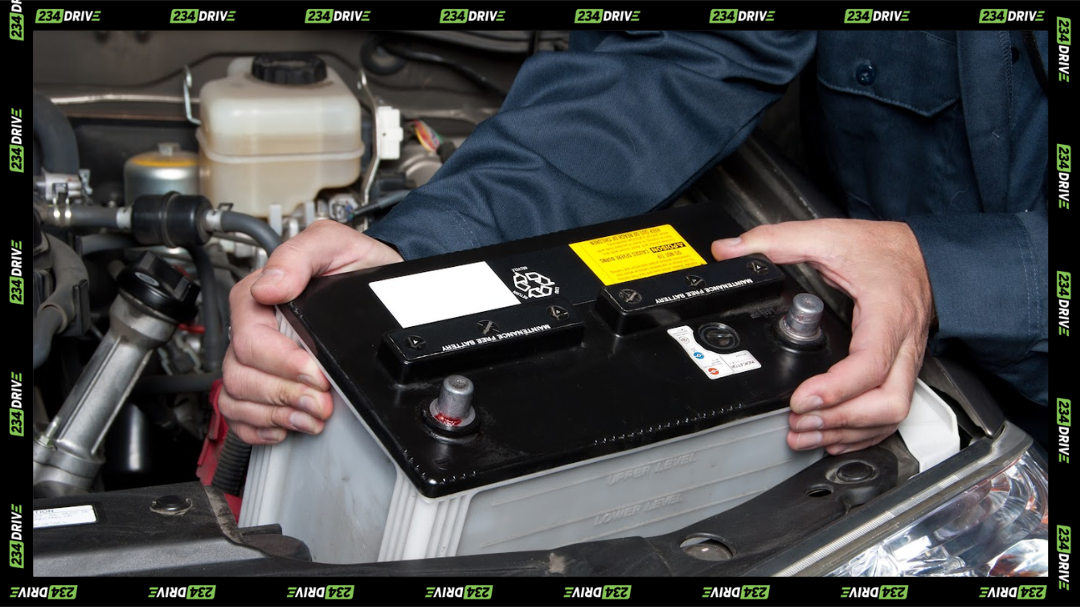
A Critical Warning: Studies and expert advice highlight that resetting the light without fixing the root cause is ineffective, as the issue may recur immediately. Resetting should only be done after repairs using a scanner, disconnecting the battery for 15 minutes, or completing a drive cycle.
Don’t Ignore the Symptoms: Safety and Prevention
Ignoring the CEL is never harmless. Even if the car seems to run fine, subtle efficiency losses and emissions spikes are likely occurring. Furthermore, neglecting the problem can void warranties or complicate insurance claims down the line.
A steady light is a warning; a blinking light is a safety concern. The moment the light blinks, pull over safely and assess whether a tow is necessary. The risk is serious, potentially leading to engine overheating or catastrophic failure.
Preventive Maintenance is Your Best Defense
The best way to avoid the dreaded glow is through proactive maintenance:
- Regular Service: Adhere to service schedules with regular oil changes (every 3,000–7,500 miles).
- Filter Replacement: Replace air and fuel filters on time.
- Ignition Components: Inspect spark plugs/ignition components every 30,000 miles.
- Fuel Quality: Refuel at reputable stations to avoid contaminants.
- Check the Cap: Always ensure your gas cap seals well after refueling.
By understanding the CEL, performing systematic diagnosis with an OBD-II scanner, and acting promptly, you can keep your vehicle running reliably, safely, and compliantly.