
General Motors faces a reputational and financial reckoning as one of the largest safety actions of 2025 continues to unfold, exposing deep supply chain vulnerabilities in its most profitable vehicle segment.
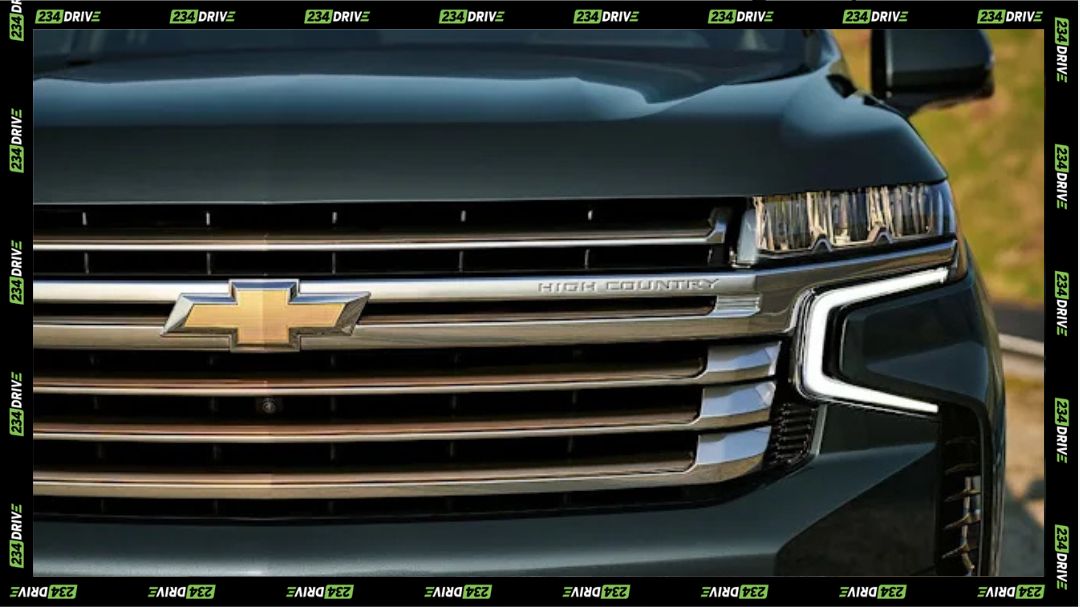
The automotive giant is currently grappling with a sprawling recall affecting nearly 600,000 vehicles in the United States alone, involving its flagship 6.2L V8 L87 engine. This power plant, the beating heart of GM’s premium lineup, has been compromised by manufacturing defects that can lead to catastrophic engine seizure and sudden power loss at highway speeds. The crisis, detailed in the NHTSA Safety Recall Report, encompasses high-value models manufactured between 2021 and 2024, including the Cadillac Escalade, Chevrolet Silverado, and GMC Yukon. What began as sporadic reports of “knocking” noises has spiralled into a global logistical nightmare, with over 721,000 vehicles worldwide requiring inspection and potential engine replacement.
At the technical core of this failure are the crankshaft and connecting rod assemblies, components that are fundamental to an engine’s operation. Investigations revealed that supplier-induced flaws—ranging from improper surface finishes to out-of-spec dimensions—have caused rapid degradation of connecting rod bearings. This internal friction can result in the connecting rod fracturing and breaching the engine block, often with little warning to the driver. The severity of the defect was underscored when full-sized SUVs recalled were found to pose significant fire and crash risks, forcing GM to advise some owners to avoid high-speed driving until repairs could be completed.
The fallout has extended well beyond the service bay, triggering a wave of legal challenges from disgruntled owners who argue that the automaker’s response has been insufficient. While GM has offered free inspections and extended warranties, the phased rollout of the remedy meant that by mid-2025, only a fraction of affected vehicles had been serviced. This delay, coupled with accusations that the prescribed oil-change fix is merely a “band-aid,” has seen multiple lawsuits merge into a consolidated class-action case in Michigan. Plaintiffs contend that the manufacturing defects are systemic and that the current remedies fail to address the long-term reliability of the engines, potentially diminishing the resale value of these premium assets.
Compounding the pressure is the scrutiny from federal regulators, who have signaled that the initial scope of the recall may have been too narrow. In late 2025, the National Highway Traffic Safety Administration expanded its investigation following reports of bearing failures in vehicles outside the original production window. This federal probe expansion could potentially add another million vehicles to the recall list, a scenario that would drastically increase GM’s financial liability and strain its dealership network even further. Reports of similar issues in 2025 models have only fueled consumer anxiety, suggesting that quality control issues may have persisted longer than initially admitted.
For General Motors, this crisis represents a significant stumble during a critical transitional period. As the company attempts to pivot towards an electric future, it relies heavily on the profits from its internal combustion trucks and SUVs to fund that evolution. Being ranked among the GM Top 5 Failures of the year strikes a blow to consumer confidence in the brand’s engineering prowess. With 27 total recalls in 2025 and rising competition from reliable alternatives like Toyota, GM must now navigate a complex path of legal battles and regulatory oversight to restore faith in its most iconic American products.