
ROX Motor, a relatively new challenger in the global electric vehicle arena, has executed a formidable entry into the Egyptian market, signalling a strategic intent that extends far beyond domestic sales. Established in 2021, the Chinese automaker has rapidly transitioned from a startup to a significant player, marked by its debut in Egypt in 2025. This move is not merely a sales exercise but a calculated establishment of a North African beachhead. The company’s flagship model, the ROX 01 in Egypt, an extended-range electric SUV capable of covering over 1,100 kilometres, has resonated with local consumers, offering a practical solution to range anxiety in a developing infrastructure landscape.
The brand’s impact was immediate and quantifiable. Despite the nascent stage of Egypt’s electric mobility transition—where EVs still constitute less than one per cent of total vehicle sales—ROX Motor ranked among the top 5 in electric vehicle sales for the year. This performance contributed to a strong global finish for the company, which delivered 15,318 vehicles in 2025. The momentum was particularly evident in the final quarter, with December deliveries seeing a notable surge of 74.1 per cent month-over-month, underscoring the brand’s accelerating production capabilities and growing consumer trust.
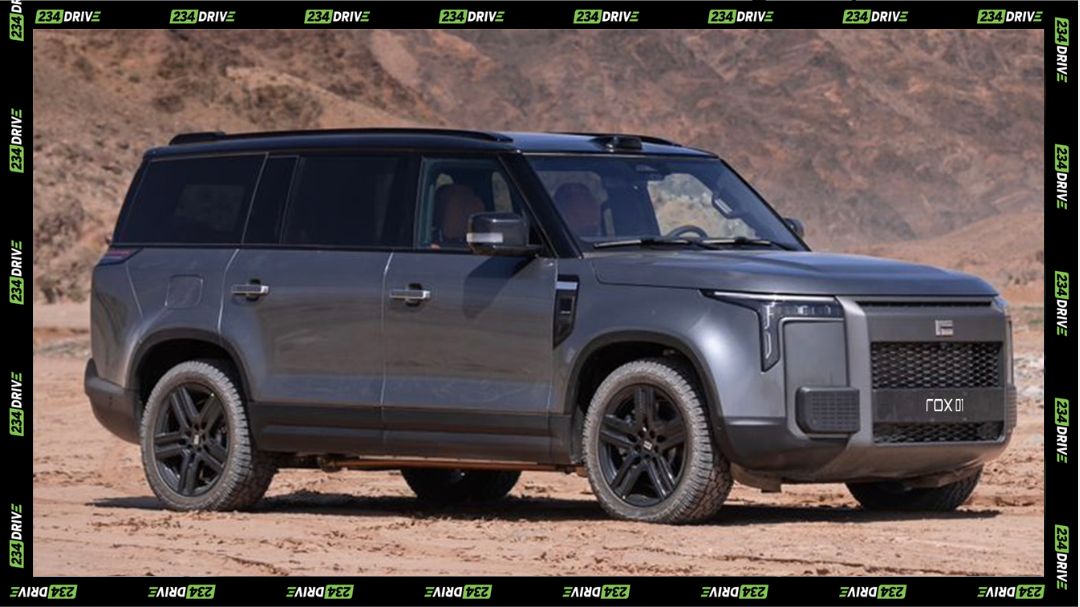
ROX Motor is utilising Egypt as a launchpad for a broader regional takeover, having expanded its footprint to over 20 countries by late 2025, spanning the Middle East, Central Asia, and South America. A key component of this brand-building exercise was the Silk Road Tour, which saw their vehicles traverse iconic Egyptian locations such as Sharm El-Sheikh and Luxor. This initiative not only showcased the durability of their vehicles in harsh desert conditions but also secured ROX the distinction of being the first Chinese new energy brand approved for such a cross-country endurance demonstration.
To solidify its regional operational capacity, ROX has moved beyond simple export models towards industrial integration. A strategic collaboration with W Motors in Abu Dhabi for manufacturing support exemplifies this approach. This partnership allows ROX to leverage local expertise and facilities to serve the Middle East and North African markets more efficiently, reducing logistics costs and tariff barriers. Europe is reportedly the next target, with the North African and Middle Eastern hubs likely serving as critical stepping stones in a strategy designed to counter intense domestic competition within China.
The arrival of ROX aligns with a broader awakening in the Egyptian and North African EV sectors. While current sales volumes are modest, the trajectory is growing, driven by competitors like Li Auto and XPENG also entering the fray. Market projections suggest Egypt’s EV revenue could reach approximately US$53.1 million in 2025, with steady compound annual growth expected through 2030. However, the true test for ROX and its peers will be navigating the persistent infrastructure gaps, such as the limited charging network, while capitalising on government initiatives aimed at fostering sustainable transport. As the dust settles on their debut year, the question remains whether ROX can convert early adopter enthusiasm into sustained mass-market dominance.