
The race to electrify Africa’s automotive landscape has shifted gears from tentative pilots to industrial-scale ambition, marked by a massive new collaboration that promises to redefine mobility across the continent. In a decisive move to capture market share in one of the world’s fastest-growing economic zones, Chinese electric vehicle manufacturer Okla Global, operating as Tiazhou Okla Automotive Co., has announced a strategic partnership with Hong Kong-based Treadway Investment Bank. This alliance is not merely about exporting vehicles; it represents a comprehensive roadmap to establish a deep-rooted manufacturing ecosystem that spans the length and breadth of Africa, signalling a departure from simple trade to substantial infrastructural investment.
At the heart of this announcement is a mandate for Treadway Investment Bank to provide high-level corporate finance advisory and investment banking services to facilitate Okla’s aggressive expansion. The collaboration is designed to navigate the complex regulatory environments and diverse economic landscapes of African nations. Treadway will be instrumental in securing the necessary capital, structuring investments, and fostering critical relationships with both government bodies and private sector partners. This financial and diplomatic machinery is essential for Okla to execute its vision of rolling out affordable, eco-friendly vehicles tailored to the specific needs of African consumers, moving beyond the luxury segment to target mass adoption.
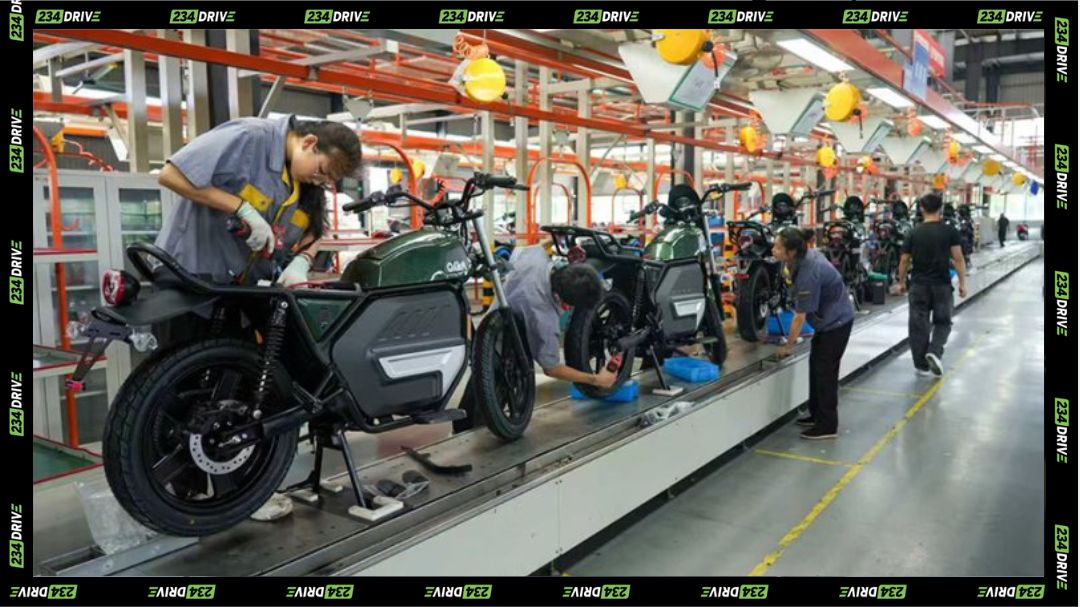
The initiative focuses on a robust hub-and-spoke expansion strategy, targeting five key nations to serve as regional powerhouses: Nigeria for West Africa, Kenya for East Africa, Egypt for North Africa, and both South Africa and Zimbabwe for the Southern African Development Community (SADC). Rather than relying solely on imports, the plan emphasises the construction of local manufacturing and assembly plants. This approach aims to localise production, thereby reducing the prohibitive costs associated with imported vehicles and ensuring that the EVs are accessible to the average consumer. By establishing these operations, Okla intends to create a sustainable supply chain that boosts local economies through job creation and technology transfer.
Under this arrangement, the division of labour is clear and strategic. While Okla Global brings its technical expertise in electric vehicle manufacturing and assembly, Treadway acts as the bridge to viability, managing the financial architecture and governmental liaisons required to build physical plants. For instance, in Kenya, the partnership aims to leverage the country’s supportive policies for clean energy to establish an East African hub. Similarly, operations in Zimbabwe and South Africa are positioned to feed the broader SADC region, including markets like Malawi, effectively decentralising production to mitigate logistical bottlenecks and tariff barriers that have historically hampered the automotive sector in Africa.
This move signals a significant strategic pivot for Chinese automakers, who are increasingly viewing Africa not just as a dumping ground for surplus inventory, but as a frontier for sustainable industrialisation. The decision to invest in local assembly aligns with a broader trend where manufacturers seek to circumvent volatile currency fluctuations and import duties by building within the target markets. It reflects a long-term commitment to the continent’s industrial development, capitalising on rising fuel costs and rapid urbanisation that are driving the demand for alternative transport solutions. By embedding themselves into the local economy, Okla and Treadway are positioning themselves to dominate a market that is hungry for cost-effective mobility.
Globally, this expansion mirrors the aggressive internationalisation strategies seen in Southeast Asia and Latin America, yet the African context offers unique challenges and opportunities compared to more saturated markets. While European and American manufacturers have been slower to commit to full-scale local production in Africa, Chinese firms like BYD, Geely, and now Okla are seizing the first-mover advantage. They are rapidly establishing a footprint that Western competitors may find difficult to dislodge. The speed at which these companies are moving—from initial announcements to breaking ground on assembly plants—contrasts sharply with the cautious, export-reliant approach of traditional automotive incumbents.
The execution of this strategy places Okla in direct competition with an emerging wave of players, including other Chinese giants and nascent local competitors like MojaEV in Kenya. However, Okla’s focus on affordability and a diversified portfolio, potentially including plug-in hybrid technology, aims to address the immediate reality of Africa’s infrastructure gaps, such as the inconsistent availability of charging stations. By securing a financial heavyweight like Treadway, Okla effectively fast-tracks its ability to clear certification hurdles and commence operations, threatening to outpace competitors who lack similar access to capital and regulatory expertise.
Okla Global’s entry is bolstered by a track record of manufacturing prowess in China, but its success in Africa will be the true test of its adaptability. The company is entering a market where the appetite for electric vehicles is growing in tandem with environmental awareness and the economic necessity of reducing fuel dependency. The involvement of a dedicated investment bank underscores the seriousness of this venture, suggesting that the project is well-capitalised and meticulously planned to withstand the operational rigours of the African market.
Ultimately, this partnership poses a critical question for policymakers and industry observers: will this influx of foreign investment and technology catalyse a self-sustaining African automotive industry, or will it simply relocate the assembly line without transferring the core innovation? As Okla and Treadway commence their rollout, the initiative marks a transition from hype to fleet-scale operations, potentially setting a new standard for how international manufacturers engage with emerging economies in the Global South.