
In the vibrant and often chaotic automotive landscape of Nigeria, the choice of vehicle is rarely a mere matter of aesthetics; it is a calculated decision based on survival, status, and economic prudence. By 2026, the Nigerian motorist has evolved into one of the most pragmatic buyers in the world, navigating an environment where fuel prices hover near ₦1,000 per litre and road infrastructure ranges from world-class highways to pot-holed obstacle courses. The “collection” of the typical Nigerian driver is not defined by a single garage, but by the collective market preference for five distinct body styles: the Sedan, SUV, Minivan, Pickup Truck, and Hatchback.
This guide explores these five pillars of Nigerian mobility, reflecting a market that values resilience above all else. Whether it is the executive navigating the traffic snarls of Victoria Island or the transporter crossing the rugged terrain of the North, these vehicle types represent the gold standard of local adaptability. With the market dominated by “Tokunbo” (foreign-used) imports and a fierce loyalty to Japanese engineering, understanding these categories is essential for anyone looking to drive—or survive—on Nigerian roads.
1. The Sedan
The Urban Staple (e.g., Toyota Corolla, Toyota Camry)
The sedan remains the backbone of Nigeria’s personal transport fleet, offering a classic three-box configuration (bonnet, cabin, and boot) that balances professional elegance with everyday utility. In terms of exterior styling, models like the Toyota Corolla and Camry define the category with their understated yet dignified road presence. They do not shout for attention like an exotic coupe; rather, they project an image of stability and responsibility. The sleek, aerodynamic profiles of modern sedans help reduce wind noise on the Lagos-Ibadan Expressway, while their relatively low centre of gravity ensures planted handling around corners. However, their lower ground clearance is a frequent talking point, requiring drivers to navigate speed breakers and potholes with calculated caution.
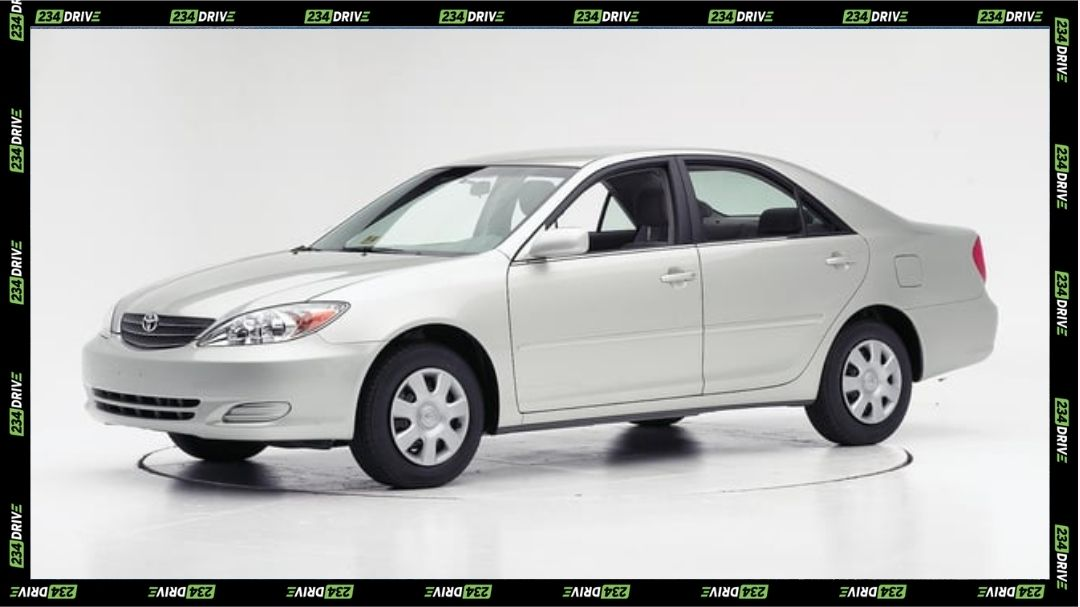
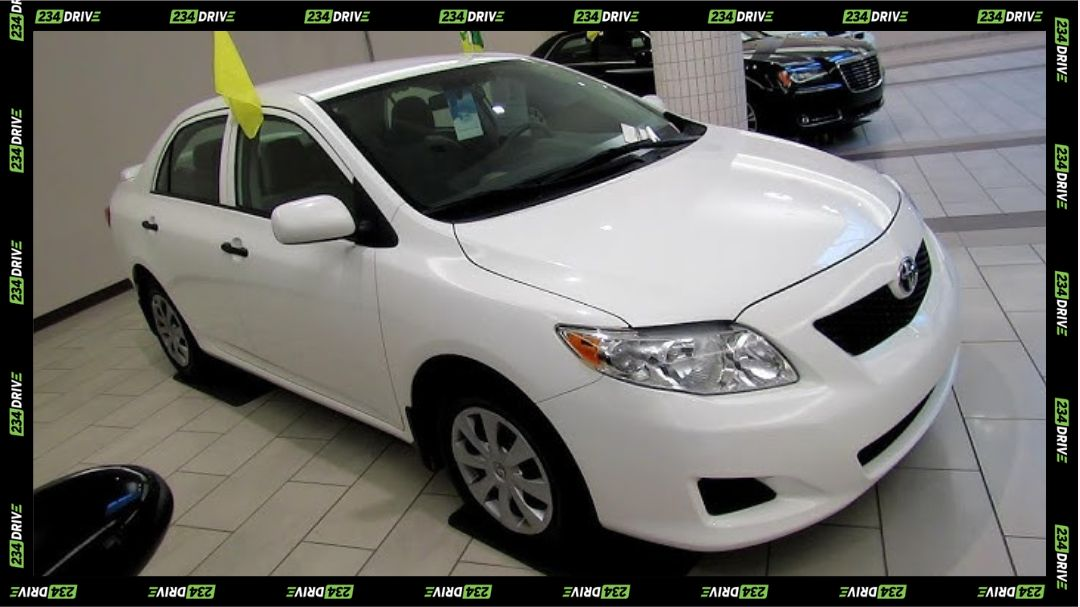
Inside, the sedan is the benchmark for driver-focused ergonomics and passenger comfort. The interiors are designed for the daily commute, featuring supportive seating and, crucially for the Nigerian climate, powerful air conditioning systems. Performance-wise, these vehicles typically house 1.8-litre to 2.5-litre four-cylinder engines, delivering a respectable 130 to 200 horsepower. This powertrain choice is deliberate, offering a “sweet spot” of power and economy, achieving a fuel consumption rate of approximately 8–10 L/100km. With used prices in 2026 ranging from ₦8 million to ₦22 million, the sedan offers accessible technology, including touchscreen infotainment and essential safety features, making it the default choice for bankers, civil servants, and Uber drivers alike.
2. The SUV
The Status Symbol (e.g., Lexus RX 350, Toyota Highlander)
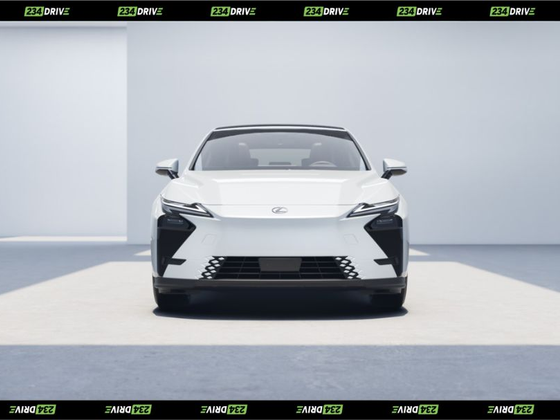
If the sedan is the backbone, the SUV (Sport Utility Vehicle) is the aspiration. Dominating the premium segment, vehicles like the Lexus RX 350 and Toyota Highlander command immediate respect on Nigerian roads. Their exterior design is characterised by a tall, boxy frame and, most importantly, elevated ground clearance. This height is not just for show; it is a functional necessity for traversing flooded streets during the rainy season or navigating unpaved feeder roads. The styling often features aggressive front grilles and LED lighting signatures that signal “arrival,” allowing the driver to loom over smaller traffic in congested bottlenecks.
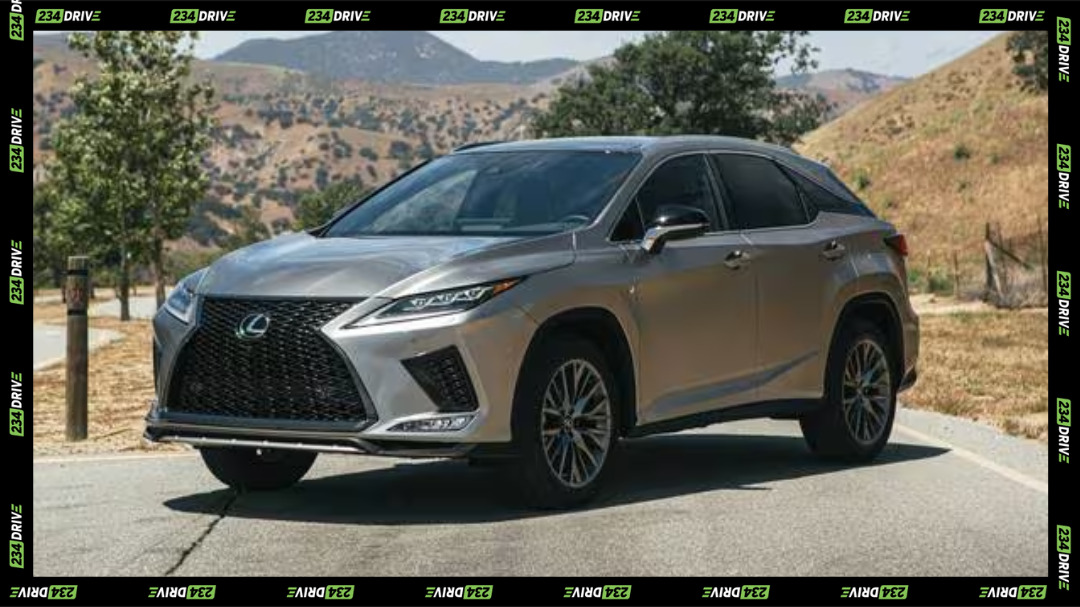
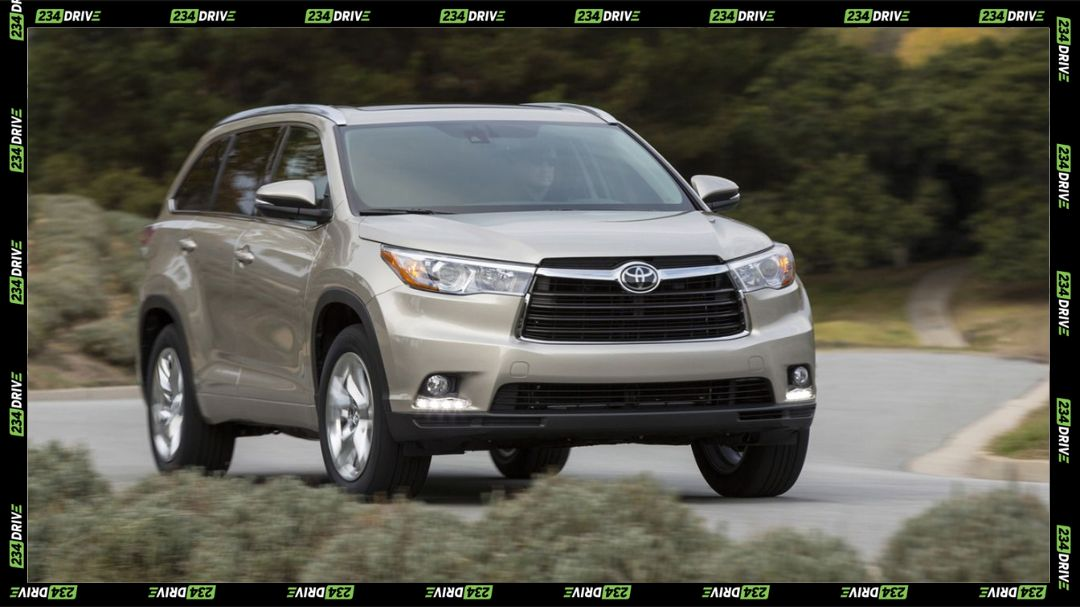
The interior of a popular Nigerian SUV is a sanctuary of luxury and isolation. Occupants are treated to plush leather upholstery, wood-grain accents, and superior sound insulation that dampens the chaos of the outside world. Technology is abundant, with panoramic sunroofs, premium sound systems, and advanced driver-assist systems becoming standard in newer Tokunbo models. Under the bonnet, you will typically find robust V6 engines pushing 270+ horsepower, providing the torque needed for swift overtaking. However, this power comes at a cost; fuel economy dips to around 10–12 L/100km. With prices commanding ₦19 million to ₦57 million, the SUV is the definitive family hauler for the upper-middle class, blending comfort with the ruggedness required for interstate travel.
3. The Minivan
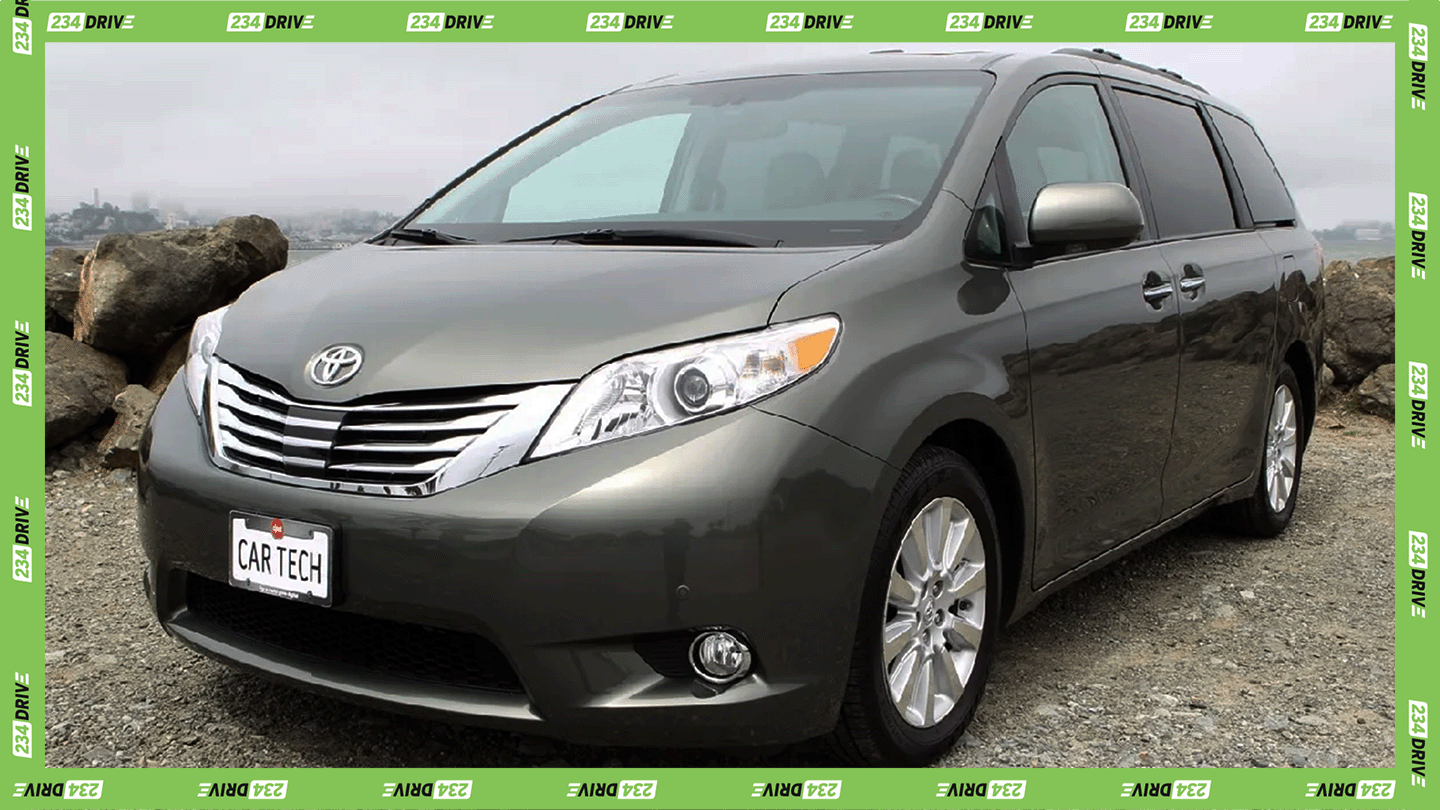
The Multi-Purpose Workhorse (e.g., Toyota Sienna)
The minivan, epitomised by the Toyota Sienna, is the unsung hero of Nigerian logistics and large families. Its exterior is defined by function over form, featuring a “one-box” design that maximises interior volume. The sliding rear doors are its party trick, allowing for easy ingress and egress in tight parking lots or busy markets. While it lacks the aggressive stance of an SUV or the sleekness of a sedan, the minivan’s road presence is one of undeniable utility. It signals a vehicle that is ready to work, whether that means the “school run” or an interstate commercial transport service.
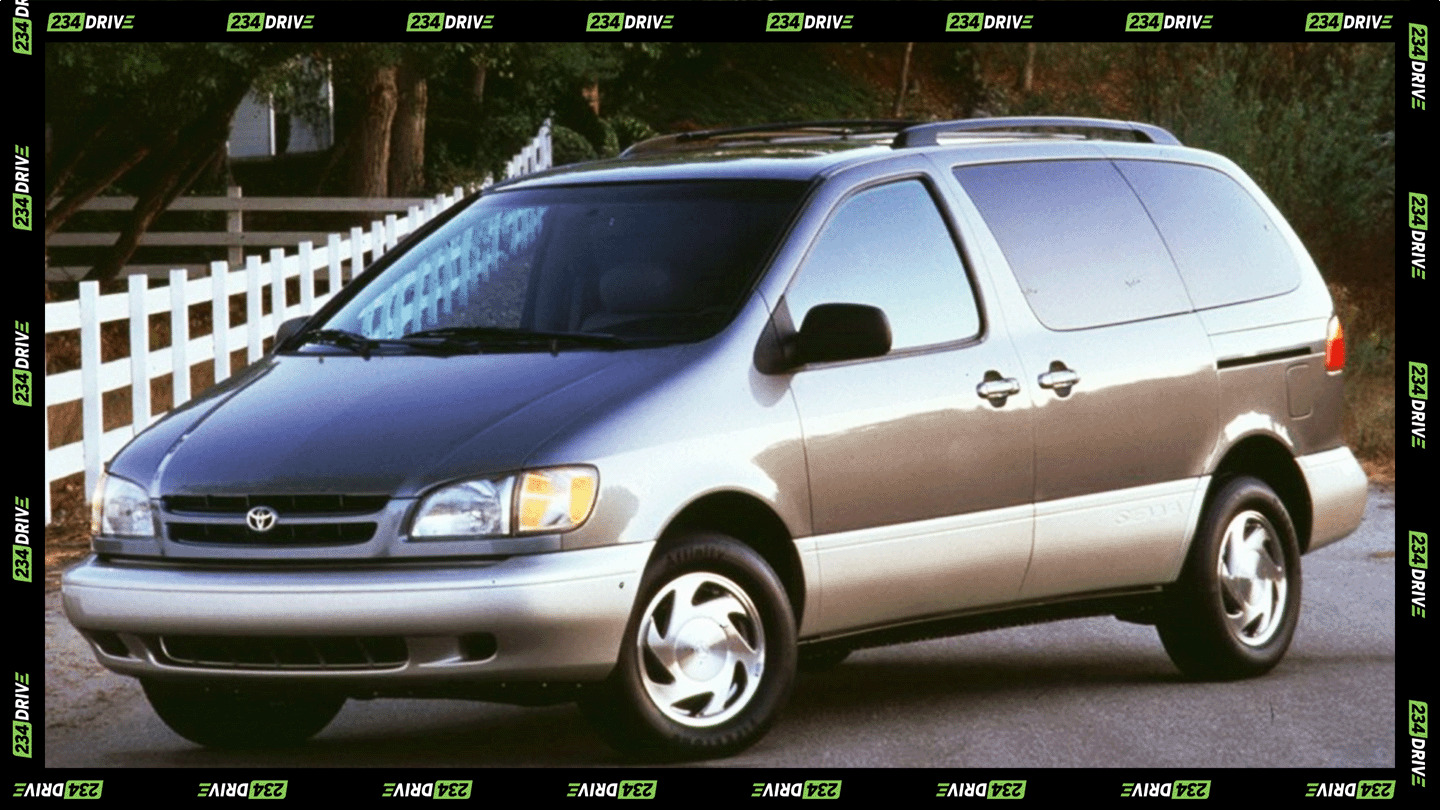
Inside, the minivan is cavernous, offering flexible seating arrangements for seven or eight passengers. The emphasis here is on durability and space; seats can be folded or removed to transform the vehicle from a people carrier into a cargo van in minutes. Comfort features include multi-zone climate control—essential for keeping rear passengers cool—and ample cup holders and storage cubbies. Performance is surprisingly spirited, often sharing the same 3.5-litre V6 engines found in their SUV counterparts, ensuring they do not struggle under full loads. Fuel efficiency is reasonable for its size at 9–11 L/100km. Priced between ₦15 million and ₦20 million, the minivan offers the best price-per-seat ratio in the market.
4. The Pickup Truck
The Rugged Commander (e.g., Toyota Hilux)
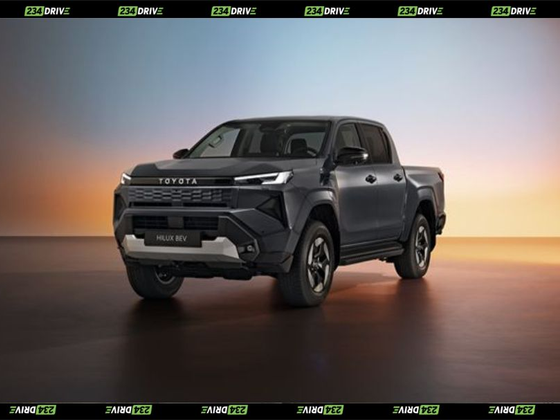
The pickup truck holds a unique dual status in Nigeria: it is both a tool of industry and a symbol of power. The Toyota Hilux is the undisputed king here, often seen in security convoys or at construction sites. Its exterior is rugged and imposing, featuring a separate passenger cab and an open cargo bed. The high stance, reinforced suspension, and chunky tyres give it a menacing road presence that often clears traffic simply by appearing in a rearview mirror. It is built to endure abuse that would shatter a lesser vehicle, making it the preferred choice for politicians and contractors.
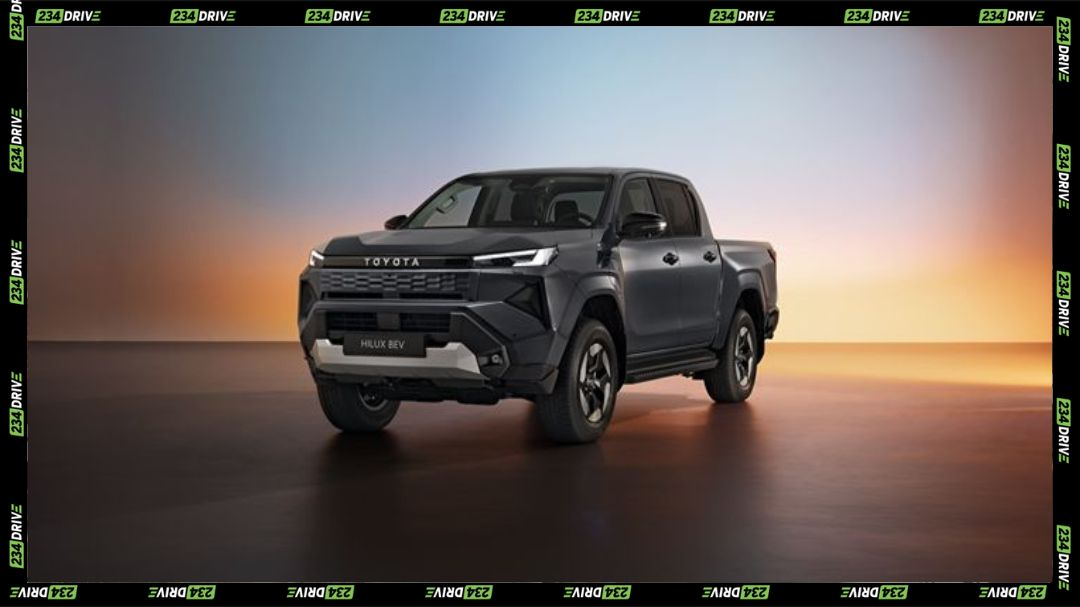
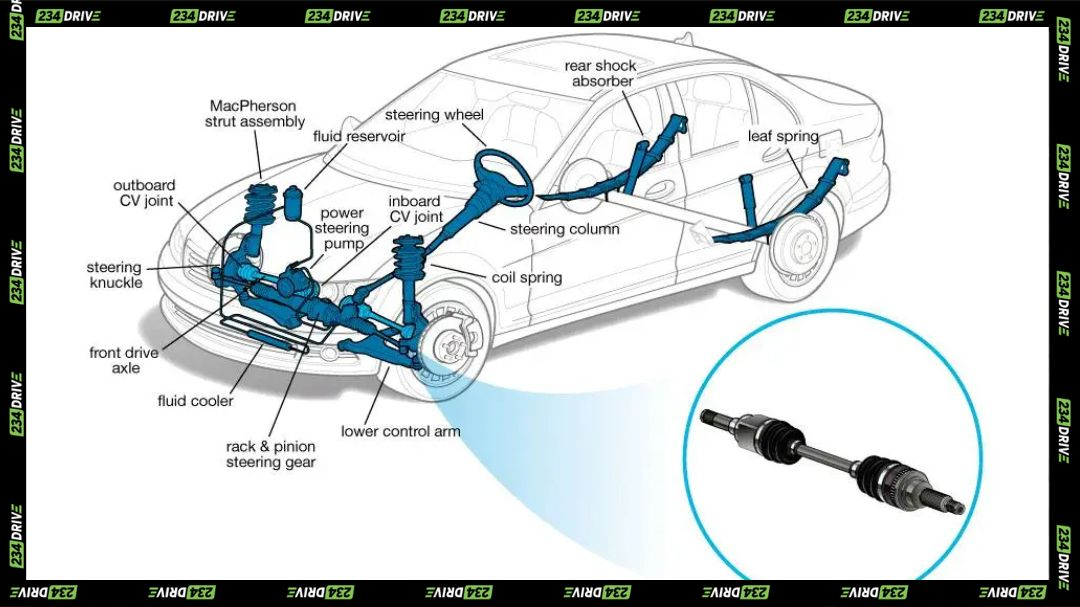
The interior of modern pickups has moved away from purely utilitarian roots to offer near-SUV levels of comfort. While hard plastics are still common for durability, higher trims now feature touchscreen displays, climate control, and connectivity options. However, the ride quality can be bouncy when the bed is empty due to the stiff leaf-spring rear suspension. Performance is delivered via high-torque diesel engines (usually 2.4L or 2.8L turbo-diesels) that prioritise towing capacity and low-end grunt over speed. While they are less fuel-efficient at 11–13 L/100km, their ability to wade through water and conquer mud justifies the trade-off. Prices range from ₦20 million to ₦40 million for varied used conditions.
5. The Hatchback
The City Sprinter (e.g., Honda Civic Hatch, Kia Rio)
The hatchback is the pragmatic choice for the youthful urbanite or the fuel-conscious commuter. Compact and agile, cars like the Kia Rio or Honda Civic hatch variants feature a two-box design with a rear door that swings upward. Their small footprint is their greatest exterior asset, allowing them to squeeze into parking spaces that SUVs and sedans must bypass. While they may lack the intimidation factor of a Hilux, their styling is often sporty and youthful, appealing to students and young professionals.
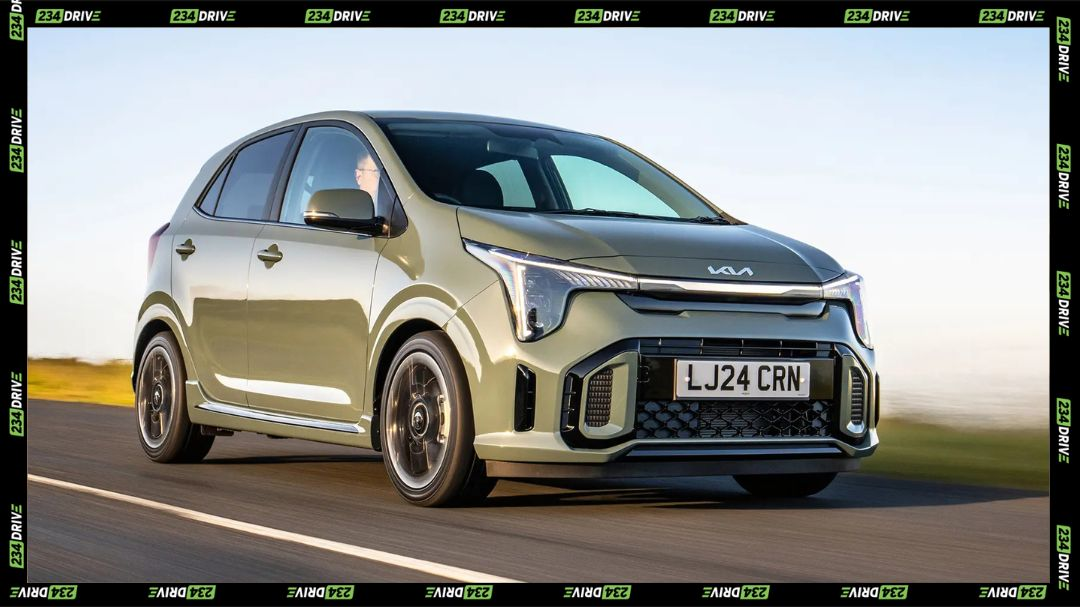
Inside, hatchbacks are deceptively spacious, maximising every inch of their smaller wheelbase. The cabins are simple but functional, often equipped with modern tech like Apple CarPlay even in budget trims. Performance comes from smaller, efficient 4-cylinder engines that sip fuel at a frugal rate of 7–9 L/100km—a major advantage as petrol subsidies vanish. They are nimble and fun to drive in city traffic but can feel vulnerable on open highways alongside heavy trucks. With an entry price of ₦8 million to ₦15 million, they represent the most economical entry point into car ownership.
Relevance to the Nigerian Driving Environment
The relevance of this diverse “collection” of vehicles is dictated by the local infrastructure. The Sedan thrives in cities like Abuja with better road networks but struggles in Lagos neighbourhoods where drainage channels are often left open. The SUV has become the default “survival kit” because its ground clearance is the only reliable defence against the deep potholes and seasonal flooding that plague many states.
Climate also plays a massive role. The tropical heat necessitates air conditioning systems that can run continuously without overheating the engine—a test that Japanese models (Toyota, Honda) pass with flying colours compared to many European counterparts. Furthermore, the availability of maintenance is a critical filter. A car is only as good as the mechanic who can fix it. This is why the collection is heavily skewed towards brands like Toyota and Lexus; in even the most remote village, you will find a mechanic who understands a Corolla engine, whereas a complex German diesel might leave you stranded.
The Battle for Value
When comparing these vehicles, cost and competitive positioning reveal a strict hierarchy. The Hatchback and Sedan compete fiercely for the budget-conscious buyer. While the Hatchback is cheaper to fuel, the Sedan offers better resale value due to higher demand. The Minivan occupies a unique niche; it has no direct rival for passenger capacity at its price point (₦15-20m), making it unrivaled for commercial transport. The SUV and Pickup Truck sit at the top of the price pyramid. The Pickup offers superior durability for commercial use, but the SUV wins on passenger comfort and prestige, justifying its higher price tag of up to ₦57 million for premium used models.
In terms of resale value, durability, and maintenance, the Sedan and SUV (specifically Toyota and Lexus models) are the undisputed leaders. A Toyota Corolla or Lexus RX 350 is essentially a liquid asset in Nigeria; they can be sold within days with minimal depreciation. Pickups also hold value incredibly well, especially diesel variants, due to their industrial demand. Minivans have a strong second-hand market but are often subjected to heavier wear and tear, affecting their long-term condition. Hatchbacks, while durable, have a narrower resale market as Nigerian buyers typically prefer “more metal for their money” and often graduate to sedans as soon as they can afford to. European rivals in all these segments generally suffer from faster depreciation and higher maintenance costs due to sensitive electronics and scarce parts.
Conclusion
In 2026, the Nigerian car market is a testament to the resilience and adaptability of its drivers. This “collection” of five vehicle types Sedans, SUVs, Minivans, Pickup Trucks, and Hatchbacks covers every facet of life in the country, from the hustle of the city to the demands of the hinterland. While the Toyota Corolla remains the sensible head of the table and the Lexus RX 350 sits as the aspirational crown, each vehicle type offers a specific solution to the puzzle of Nigerian mobility.
For the buyer, the choice ultimately comes down to a balance of budget and terrain. If prestige and pothole resistance are paramount, the SUV is the winner. For pure economic survival and ease of repair, the Sedan remains undefeated. Which of these body styles has served you best on our unique roads?