
The 2024 Nissan Qashqai represents a significant mid-generation evolution for the vehicle that effectively pioneered the crossover trend in 2007. Built in Nissan’s Sunderland plant, the Qashqai remains a cornerstone of British manufacturing and a consistent fixture in the UK’s top-ten best-selling vehicles list. This latest facelift of the third-generation model, originally launched in 2021, aims to defend its market position against a wave of increasingly sophisticated European and South Korean rivals. It maintains a public image of dependable practicality and sensible engineering, catering primarily to families who require a versatile daily driver that balances urban manoeuvrability with long-distance comfort.
Historically, the Qashqai has been synonymous with “safe” automotive choices, but the 2024 update introduces a more assertive design language and a substantial technology overhaul. The introduction of Google-integrated infotainment and the refinement of the e-Power hybrid system signal Nissan’s commitment to staying at the forefront of the electrified transition. While it may not carry the avant-garde flair of some premium competitors, the Qashqai’s reputation for efficiency and ease of use continues to resonate with a broad demographic of UK motorists. This review explores whether the recent enhancements are sufficient to maintain its crown in an increasingly crowded and capable segment.
The Exterior Design and Visual Identity
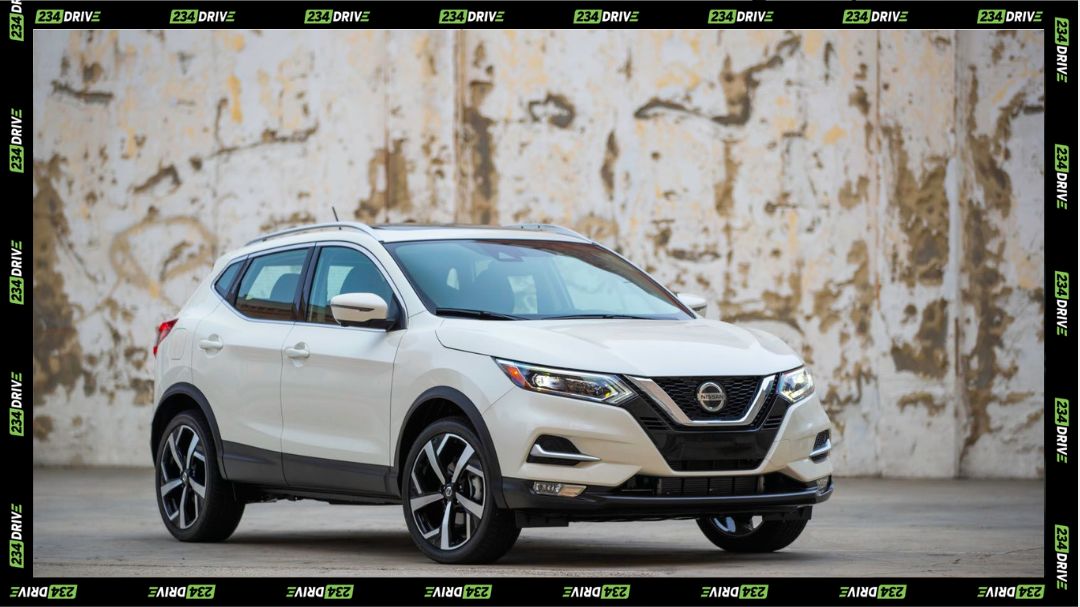
The 2024 facelift introduces a bolder, more contemporary aesthetic inspired by traditional Japanese motifs. The most striking change is the gloss-black “floating comma” grille, which replaces the previous V-motion design with a more intricate, textured appearance. New sequential LED indicators and redesigned headlights provide a sharper “face,” while the monochrome finish of the tail-lights when switched off adds a touch of modern minimalism. The profile remains familiar but is enhanced by new alloy wheel designs ranging up to 20 inches on the N-Design trim, along with vibrant two-tone paint options that help the car stand out in a supermarket car park.
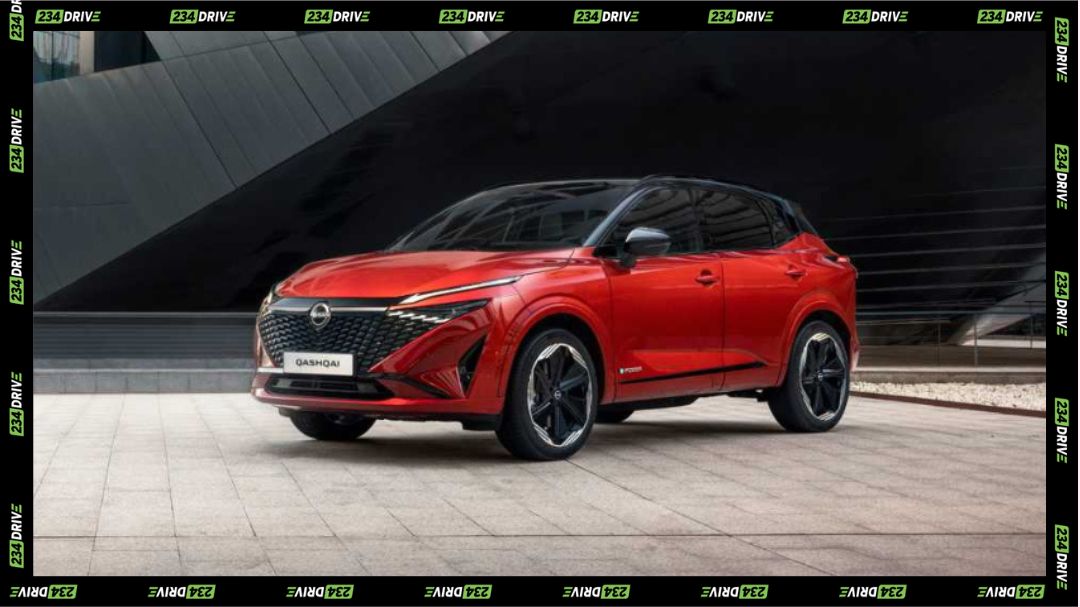
On the road, the Qashqai possesses a confident but inoffensive presence. Its compact dimensions make it perfectly suited for navigating narrow British high streets and tight multi-storey parking bays, yet the raised ride height provides the commanding view of the road that crossover buyers crave. The wide-opening rear doors, which swing to nearly 85 degrees, are a subtle but vital design feature that highlights Nissan’s focus on user-centric practicality. While the styling is more aggressive than its predecessor, it avoids being overly polarising, striking a successful balance between modern trends and the conservative tastes of its core customer base.
Interior Comfort, Tech, and Performance
Inside, the Qashqai prioritises ergonomic clarity and material quality. The cabin features a logic-driven layout with physical switches for essential climate and audio controls, a welcome relief for those tired of menu-heavy touchscreens. On higher-specification models, the dashboard is wrapped in Alcantara, providing a premium tactile feel that elevates the interior beyond its predecessor’s more utilitarian roots. The seating is designed for long-distance support, and higher trims even offer massage functions and quilted leather upholstery. While the boot capacity of 436 to 504 litres is respectable, it provides a flexible floor system that allows for various configurations to secure shopping or luggage.
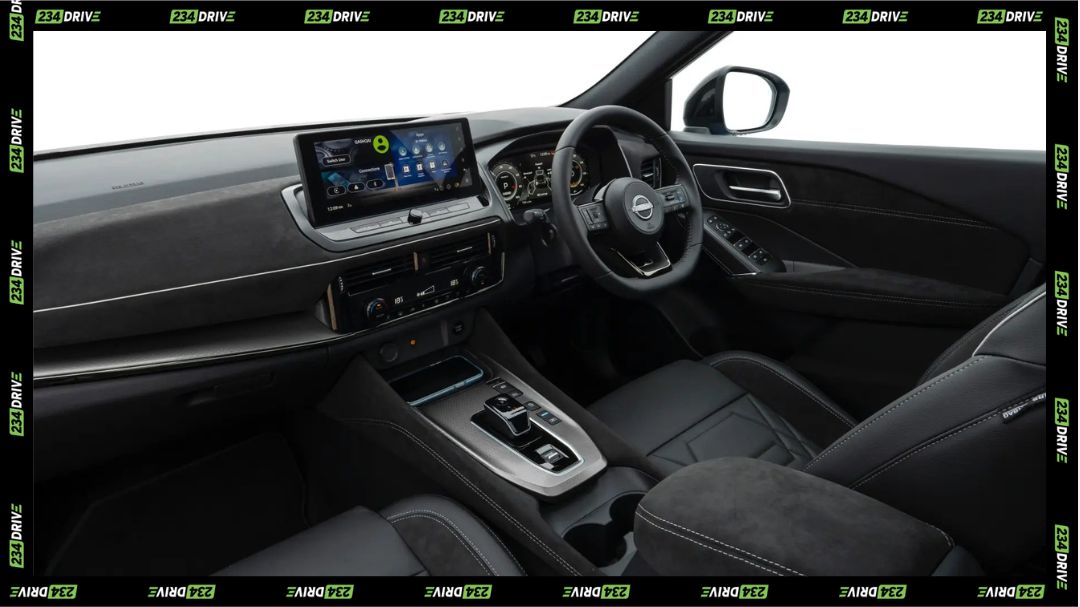
Technologically, the 12.3-inch NissanConnect touchscreen is the centerpiece, now featuring built-in Google services. This allows drivers to access Google Maps, Assistant, and the Play Store directly without necessarily tethering a smartphone, though wireless Apple CarPlay and Android Auto remain standard. Performance is headlined by the innovative e-Power system, which uses a 1.5-litre petrol engine as a dedicated generator to power an electric motor. This setup produces 187–203hp and delivers an EV-like driving experience with smooth, linear acceleration and a 0–62mph time of roughly 7.6 seconds. It offers a refined, quiet ride in urban environments, though it can feel slightly restless on undulating country roads when fitted with the larger 20-inch wheels.
Market Value and Pricing Structure
The 2024 Nissan Qashqai is competitively priced, with the entry-level Acenta Premium starting at approximately £30,615. For those seeking the e-Power hybrid experience, the entry point rises to around £34,860. The N-Connecta trim is widely regarded as the “sweet spot” in the range, offering a comprehensive balance of tech and comfort for a mid-range price. At the top end of the spectrum, the Tekna+ trim can exceed £43,000, placing the Qashqai in direct competition with premium-badged alternatives from Audi or BMW.
However, the real-world value of the Qashqai is often found in the competitive deals available through dealerships, where prices can sometimes be secured from as low as £25,313. The vehicle also benefits from strong residual values, typically holding between 48% and 53% of its value after three years. This makes monthly finance packages particularly attractive, often ranging between £142 and £413 depending on the deposit. For business users, the relatively low CO2 emissions of the hybrid powertrains translate to manageable Benefit-in-Kind (BIK) tax rates, further cementing its status as a value-driven choice for the UK market.
Relevance to the UK Driving Environment
The Nissan Qashqai is specifically engineered for the unique challenges of the UK’s road network. Its suspension is tuned to handle the varied surfaces of British roads, from pockmarked urban streets to winding rural lanes. The e-Power system is particularly relevant in the current climate, offering the fuel-saving benefits and refinement of an electric vehicle without the “range anxiety” often associated with the UK’s still-developing charging infrastructure. Furthermore, the car’s high-sitting driving position provides excellent visibility, which is a significant advantage when navigating the heavy traffic and complex junctions typical of British cities.
From a lifestyle perspective, the Qashqai fits seamlessly into the “active family” mould. The availability of 360-degree cameras and the “Invisible Hood View” are invaluable for parking in the tight spaces found in UK town centres. Maintenance is also a straightforward affair, as Nissan’s extensive UK dealer network and the car’s local manufacturing origins ensure that parts and expertise are readily available. While the three-year warranty is standard, the car’s proven track record for durability and its five-star Euro NCAP safety heritage (with high scores in child protection) make it a reassuring choice for parents who prioritise safety and reliability in their daily commute.
Comparative Analysis and Segment Positioning
When compared to its primary rival, the Kia Sportage, the Qashqai excels in fuel efficiency and drivetrain refinement. In head-to-head testing, the Qashqai e-Power often achieves over 50mpg in real-world conditions, noticeably outperforming the hybrid Sportage’s 43–44mpg. However, the Kia strikes back with a vastly superior seven-year warranty and a larger 587-litre boot, making it a tougher choice for those who value long-term peace of mind and maximum storage. Against the Volkswagen Tiguan, the Qashqai offers a more intuitive infotainment experience thanks to the Google integration, whereas the Tiguan’s larger 652-litre boot and adaptive dampers provide a more versatile and comfortable ride for a higher starting price.
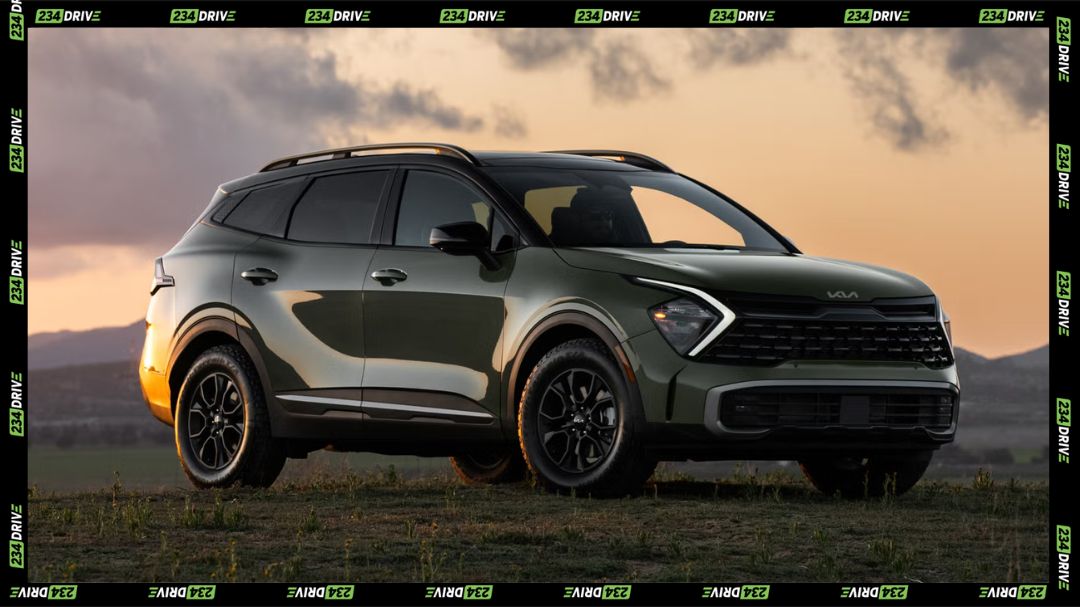
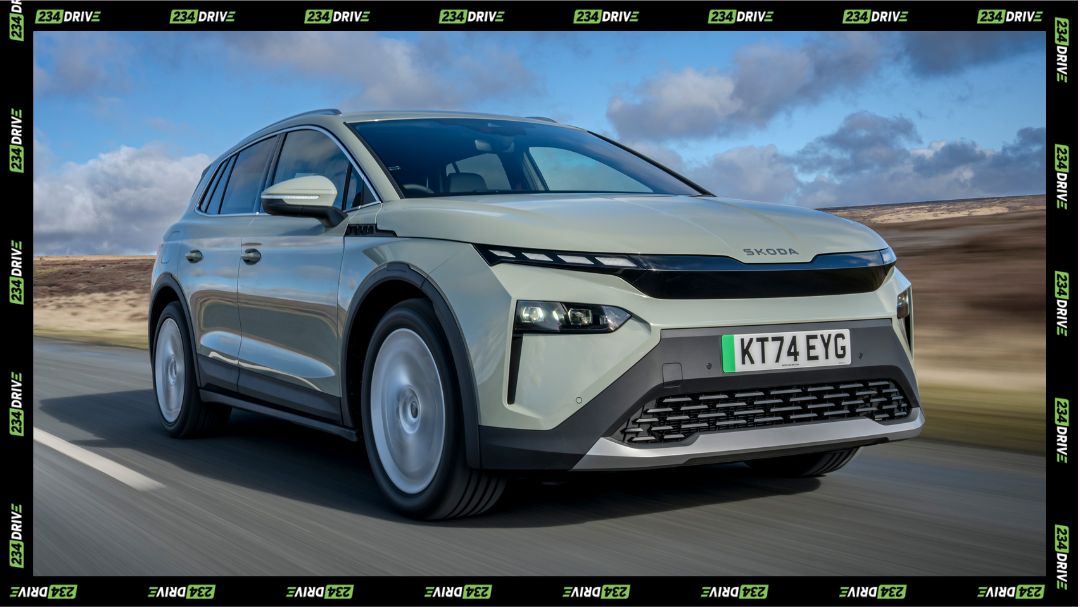
In terms of resale value and maintenance, the Qashqai sits comfortably in the middle of the pack. It typically holds its value better than the Ford Kuga or Skoda Elroq but lags slightly behind the Tiguan. While Nissan’s 28th-place ranking in some reliability surveys is a point of concern compared to Hyundai’s five-year or Kia’s seven-year coverage, the Qashqai’s ubiquity means that maintenance costs are generally lower than premium rivals. Ultimately, while the Hyundai Tucson offers more plug-in options for tax-conscious company car drivers, the Qashqai remains the “all-rounder” that delivers the most consistent balance of tech, economy, and ease of use for the average private buyer.
Summary
The 2024 Nissan Qashqai remains a formidable contender by doing the basics exceptionally well. Its standout features—the refined e-Power hybrid system and the seamless Google-integrated tech—address the primary desires of modern motorists: efficiency and connectivity. While it may not be the most spacious or the most exciting car to drive in its class, its blend of British-built reliability and smart design ensures it remains a top choice for families. Whether you are looking for a tech-heavy commuter or a sensible school-run hero, the Qashqai offers a polished package that is hard to ignore.
How do you think the Qashqai compares to the new wave of Korean hybrids? Does the Sunderland-built heritage influence your buying decision? Share your thoughts and experiences in the comments below.