

The Federal Government of Nigeria has cut tariffs across several sectors under its 2026 fiscal policy measures, including reductions on items like crude palm oil and imported vehicles. The tariff reduction was put in place to lower costs and support economic activity. Nonetheless, car dealers have brought attention to the automobile sector, saying the tariff cuts on imported vehicles, which dropped from 70% to 40%, have little to no effect. Dealers say the change barely affects real prices and for many buyers, the expected relief still feels out of reach.
Tariff Reduction Will Bring Limited Relief to Nigeria’s Auto Market
The government’s latest policy cuts tariffs on imported vehicles, including used commercial buses, SUVs and other passenger cars. It also reduces the import adjustment tax on products like crude palm oil to about 28.75%, showing that the reforms go beyond the auto sector.
Still, cars have taken centre stage and that is where the pushback is strongest. Dealers say the tariff cut sounds bigger than it actually is. The main issue is that tariffs are only one part of the total cost. Import duty, shipping fees, port charges and other taxes make up a much larger share of what buyers eventually pay.
Prince Ajibola Adedoyin, President of the Association of Motor Dealers of Nigeria (AMDON), put it clearly while speaking with Leadership news agency: ‘The reduction is on tariff and not on import duty, which forms a larger component of the total cost.’
To break it down, he explained that a ₦5 million car might only drop by around ₦150,000 after the tariff cut, highlighting that such a change is not enough to shift demand or make cars more affordable for most people.
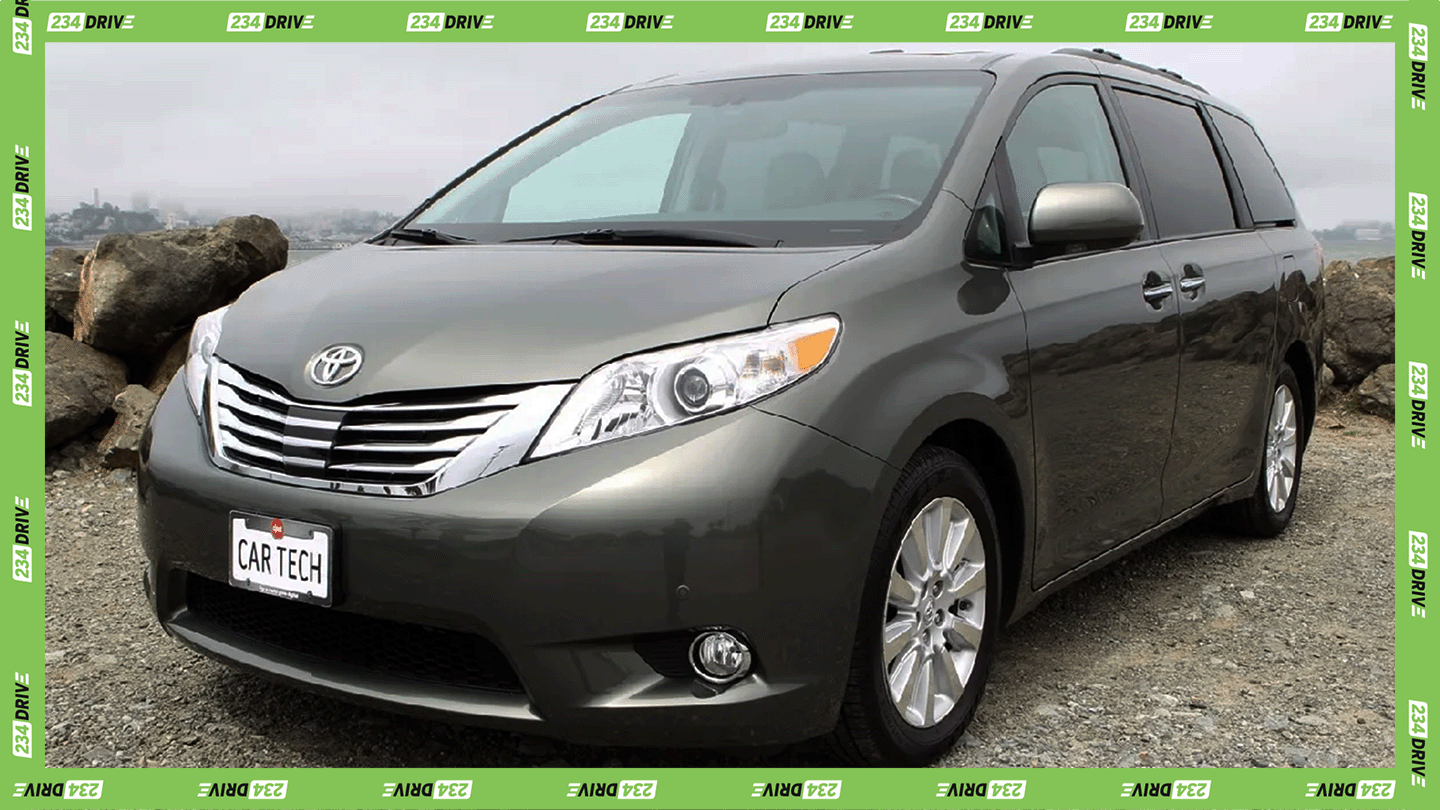
Importers are even more direct. Don Ikenna, a dealer in Lagos, said many people have already left the car business because of how expensive it has become to import vehicles. He pointed out that even basic models are now priced far beyond what average Nigerians can afford, with cars like the Toyota Corolla selling for around ₦8-10 million.
Industry voices are making the same cry: if the government wants to make a real difference, it needs to cut import duties and reduce the extra charges around shipping and clearing. As those are the real cost drivers, not tariffs.
Industry Voices Split as Local Manufacturing Concerns Grow
Beyond pricing, the policy has opened up a wider conversation about the future of Nigeria’s auto industry.
Some industry players worry that going further—especially by cutting import duties—could hurt local production. Adedoyin also warned that making imports cheaper might push buyers away from locally assembled vehicles.
That concern matters because Nigeria has been trying to build a strong auto industry of its own for years. There are early signs of progress, with some locally assembled cars becoming slightly more affordable, but the sector is still developing.
Economists see things a bit differently, with experts explaining that measures like the import adjustment tax and selective tariff structures are designed to protect manufacturers while still easing access to key inputs.