
The global automotive landscape in 2026 has reached a zenith of exclusivity, where vehicles are no longer merely modes of transport but mobile assets and historical statements. For the African enthusiast, particularly in the Nigerian market, these machines represent the ultimate intersection of global wealth and engineering ambition. While the names Rolls-Royce and Bugatti are familiar in elite circles from Ikoyi to Maitama, the sheer scale of the investment required for these specific models places them in a stratosphere occupied only by the world’s most prolific collectors.
Understanding these vehicles requires a perspective that acknowledges both their mechanical prowess and their socio-economic weight. In Nigeria, where mobility is often a battle against infrastructure, the ownership of a $30 million hypercar is a complex narrative of prestige versus practicality. This deep dive explores the most expensive cars currently in existence, providing the technical data and regional context necessary to understand why they command prices that could fund small municipal budgets.
1. Rolls-Royce La Rose Noire Droptail – $30 Million (≈ ₦41.4 Billion)
The Rolls-Royce La Rose Noire Droptail is a masterclass in coachbuilt elegance, featuring a ‘True Love’ exterior finish that appears to shift from a deep pomegranate to a shimmering black depending on the light. This effect was achieved through a proprietary paint process that required over 150 iterations to perfect, ensuring the car possesses a road presence that is both haunting and regal. The exterior is defined by its clean, low-slung roadster silhouette, a significant departure from the marque’s traditional four-seat configurations, and features a detachable carbon-fibre hardtop that transforms the vehicle from an open-air roadster to a sleek coupé.
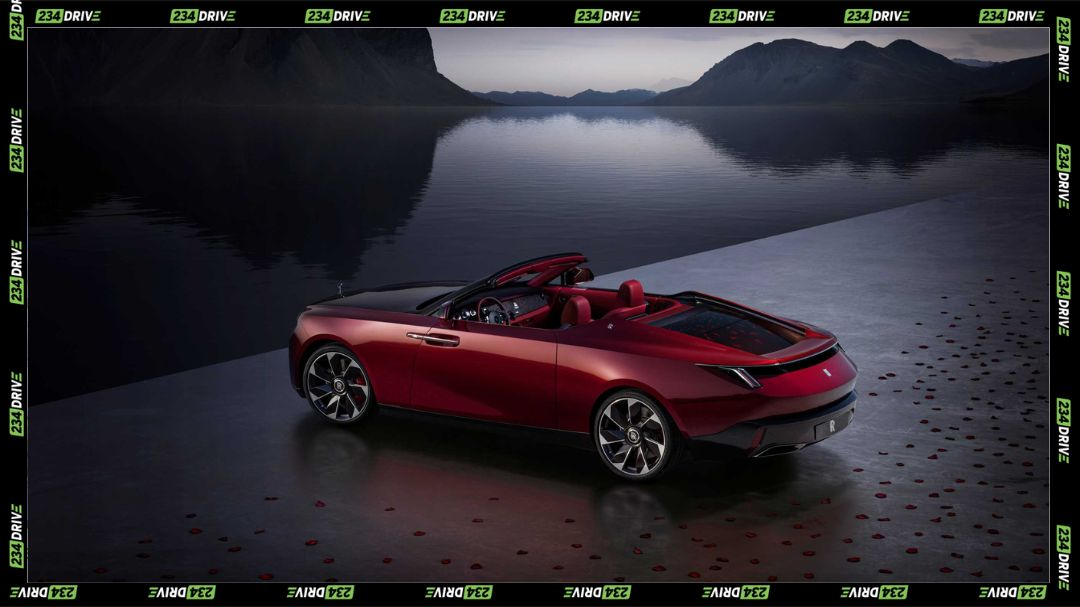
Under the hood, the Droptail is powered by a 6.75-litre twin-turbocharged V12 engine, tuned specifically for this series to deliver 601 horsepower and 840 Nm of torque. This allows the heavy luxury carriage to reach 100 km/h in less than five seconds, though its true value lies in the ‘Architecture of Luxury’ platform that ensures near-silent operation. The interior is perhaps the most complex ever executed by Rolls-Royce, featuring 1,603 pieces of black sycamore wood marquetry hand-laid over two years to represent falling rose petals. It also houses a bespoke, integrated Audemars Piguet timepiece that can be removed and worn by the owner.
2. Rolls-Royce Boat Tail – $28 Million (≈ ₦38.64 Billion)
Drawing inspiration from J-Class yachts and the nautical designs of the 1920s, the Rolls-Royce Boat Tail is an expansive 19-foot grand tourer that redefines automotive ‘theatre’. Its most striking exterior feature is the rear deck, which opens in a butterfly motion to reveal a ‘hosting suite’ finished in Caleidolegno veneer. The paintwork often incorporates mother-of-pearl or bronze flakes, giving the car a shimmering aquatic aesthetic that stands out even amongst the most expensive fleets in the world.
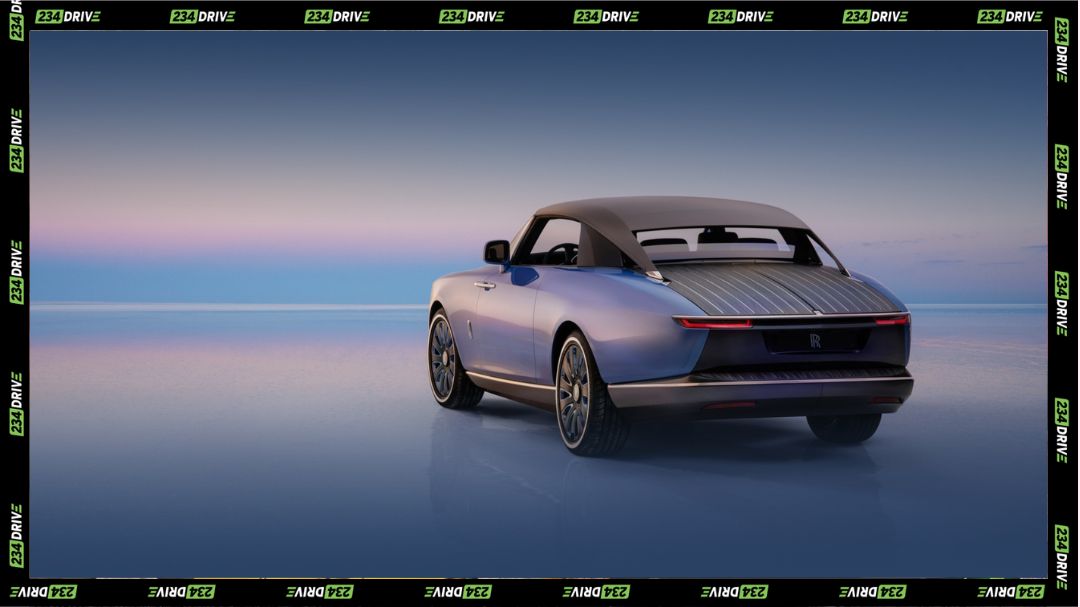
The Boat Tail shares its mechanical DNA with the Phantom, utilising the signature 6.75-litre twin-turbo V12 producing approximately 563 horsepower. The driving dynamics focus on ‘waftability’, prioritising a smooth, effortless journey over raw speed. Inside, the cabin is a sanctuary of rotating cocktail tables, matching stools, and a double refrigerator designed to hold champagne at exactly six degrees Celsius. Every touchpoint, from the guilloché decorative work on the instrument dials to the custom Bovet Fleurier timepieces on the dashboard, reinforces the car’s status as a tailor-made piece of art.
3. Bugatti La Voiture Noire – $18.7 Million (≈ ₦25.8 Billion)
A modern homage to the legendary Type 57 SC Atlantic, the Bugatti La Voiture Noire is a one-of-one hypercar that prioritises aggressive aerodynamics and a minimalist, ‘all-black’ aesthetic. The body is crafted entirely from handcrafted carbon fibre, featuring a seamless, flowing design with a distinctive dorsal fin that runs the length of the vehicle. Its rear is dominated by six exhaust pipes and a continuous LED taillight strip, creating a visual signature that is as intimidating as it is beautiful.
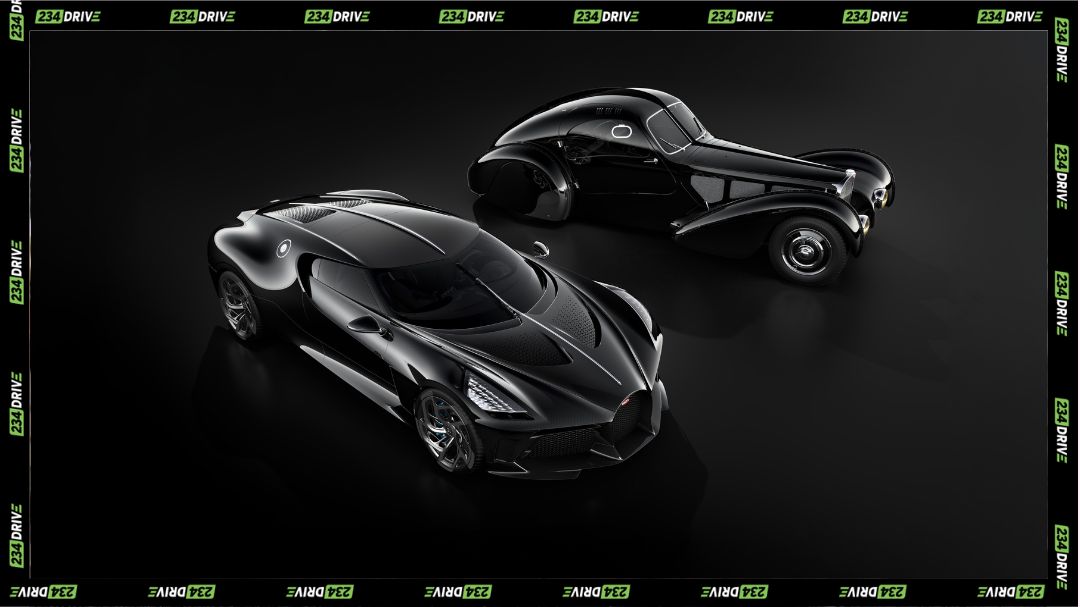
The performance is nothing short of visceral, powered by Bugatti’s iconic 8.0-litre quad-turbo W16 engine. Delivering a staggering 1,500 horsepower and 1,600 Nm of torque, it propels the car to 100 km/h in 2.4 seconds and on to an electronically limited top speed of 420 km/h. The interior is equally focused, featuring Havana Brown grained leather and polished aluminium accents. While the La Voiture Noire is capable of track-dominating speeds, its interior comfort remains surprisingly refined, offering a cockpit experience that balances high-speed focus with ultra-luxury materials.
4. Pagani Zonda HP Barchetta – $17.5 Million (≈ ₦24.15 Billion)
The Pagani Zonda HP Barchetta is a celebratory final evolution of the Zonda platform, limited to just three units globally. Its exterior is a radical take on the ‘Barchetta’ (little boat) body style, featuring a cropped wrap-around windscreen and distinctive rear wheel fairings that pay tribute to 1980s Group C racing cars. The chassis is constructed from Pagani’s proprietary Carbo-Titanium HP52, a material that combines carbon fibre with titanium threads for unmatched structural rigidity and lightness.
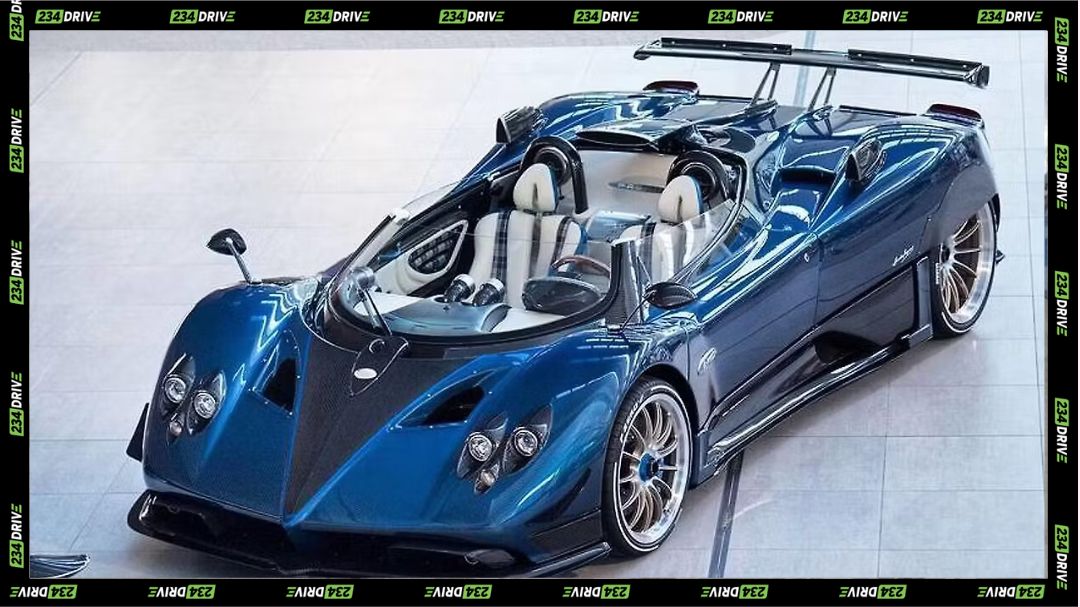
Mechanically, the Barchetta is a purist’s dream, featuring a 7.3-litre naturally-aspirated Mercedes-AMG V12 engine. This unit produces 789 horsepower and is paired with a six-speed manual gearbox, which is a significant rarity in the modern hypercar era. The sound of the AMG V12, exiting through Pagani’s signature quad-exhaust setup, is described as a mechanical symphony. The interior is stripped of modern distractions like infotainment screens, replaced by blue and cream tartan-patterned leather and hand-milled aluminium controls, focusing the owner entirely on the raw driving experience.
5. SP Automotive Chaos – $14.4 Million (≈ ₦19.87 Billion)
As the newcomer to the elite hypercar circle, the SP Automotive Chaos, produced by Greek startup Spyros Panopoulos Automotive, introduces the concept of the ‘ultracar’. Its design is heavily influenced by generative design and 3D printing, featuring a sci-fi aesthetic with sharp, angular lines and magnesium alloy wheels. The vehicle uses aerospace-grade materials, such as Zylon and Kevlar, to ensure that the body is both incredibly strong and aerodynamically efficient for extreme high-speed stability.
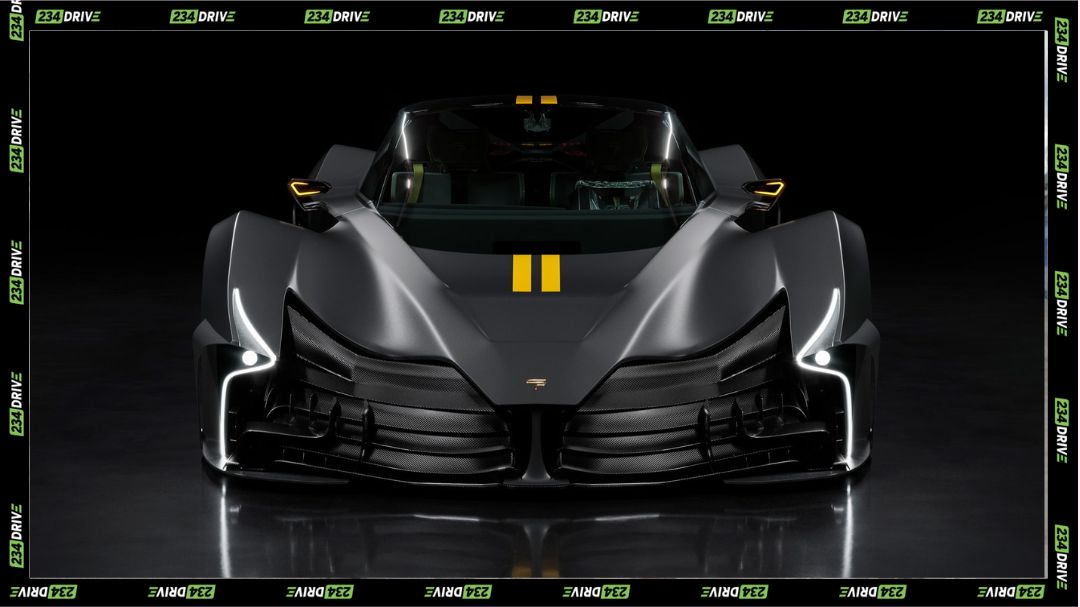
The ‘Zero Gravity’ variant of the Chaos boasts a 4.0-litre twin-turbo V10 engine combined with hybrid assistance to produce an unbelievable 3,065 horsepower. This allows for a 0-100 km/h time of just 1.55 seconds and a theoretical top speed exceeding 500 km/h. Inside, the car is a laboratory of future tech, featuring biometric sensors that adjust the car’s performance based on the driver’s stress levels. This level of innovation highlights why these exclusive limited models command such high valuations.
Practicality and Prestige in the African Context
For a collector in Nigeria, the acquisition of any vehicle on this list is a logistical undertaking of massive proportions. The Nigerian driving environment presents significant challenges: the low ground clearance of the Pagani or Bugatti makes them nearly impossible to drive on standard Nigerian roads without risking catastrophic damage to the carbon-fibre underbodies. Furthermore, the 2026 Customs framework imposes a 20% import duty, a 20% NAC levy for new luxury vehicles, and a 7.5% VAT, meaning a $30 million car could cost upwards of ₦60 billion after all duties and levies are settled.
Maintenance is another critical factor. There are currently no authorised service centres in West Africa equipped to handle the specialised W16 engines of a Bugatti or the bespoke electronics of the SP Chaos. Ownership, therefore, requires ‘flying doctors’—specialised mechanics flown in from Europe at the owner’s expense. Consequently, these cars often serve as ‘garage queens’ or status symbols in high-security estates like Banana Island or Eko Atlantic, moved via flatbed trucks rather than driven, as the risk of damage from road debris or security threats is exceptionally high.
Segment Rivals and Competitive Positioning
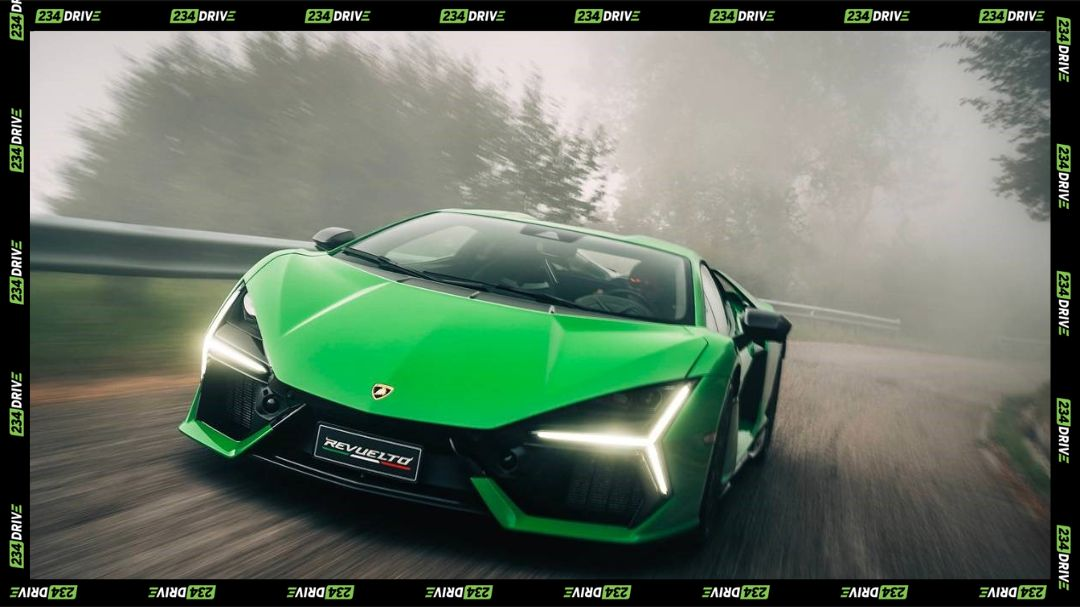
When comparing these bespoke creations to ‘standard’ hypercars like the Ferrari SF90 or the Lamborghini Revuelto, the difference in cost and resale value is exponential. While a Ferrari might lose value as mileage increases, these coachbuilt one-offs act more like fine art or real estate, often appreciating immediately after purchase. The Rolls-Royce Droptail, for instance, has no direct rival; even a standard Phantom is ‘mass-produced’ by comparison. The durability of these vehicles is high in terms of build quality, but their complex parts mean they are far less ‘durable’ for daily use in harsh climates compared to a ruggedized luxury SUV like the Mercedes-AMG G63.
Maintenance for these elite machines is incomparably higher than for segment rivals. A set of Michelin Pilot Sport Cup 2 tyres for a Bugatti can cost more than a brand-new sedan in Nigeria. However, the competitive positioning of these cars is not based on utility, but on historical significance. In the world of ultra-high-net-worth collecting, owning a 1-of-1 Bugatti provides a level of ‘social capital’ that even the most expensive production Ferrari cannot match. They are investments in heritage as much as they are in speed.
Conclusion
The five costliest cars of 2026 represent the absolute peak of what humanity can achieve with metal, carbon, and internal combustion. From the poetic marquetry of the Rolls-Royce Droptail to the terrifying 3,000-horsepower output of the SP Chaos, these vehicles push every boundary of the automotive world. While they remain largely aspirational for the majority of Nigerians, they serve as a benchmark for excellence and a testament to the enduring allure of the automobile.
Which of these engineering marvels would you add to your dream garage? Does the raw speed of the Bugatti appeal to you more than the yacht-inspired elegance of the Boat Tail? Share your thoughts and join the conversation on the future of African mobility and luxury.