
I spent three hours last Tuesday watching the chaos of a rainy evening at the Mile 2 interchange. Amidst the yellow swarm of danfos and the aggressive lunges of okadas, I noticed a recurring pattern. The drivers who looked the least stressed—the ones not constantly checking their temperature gauges or squinting through failing wipers—were almost always women in well-maintained, mid-sized Japanese crossovers.
It confirmed something I have long believed: identifying the best cars for women in Nigeria is a cold, hard calculation of reliability, fuel economics and safety in a country where the road tries to break your vehicle every single day.
1. The Toyota Corolla (2018–2022)
The 1.8-litre 2ZR-FE four-cylinder engine in this generation is a masterpiece of unbothered engineering. When you turn the key (or push the start button), there is no dramatic roar—just a consistent, sewing-machine hum. It remains a top choice for navigating Nigerian roads because the power delivery is linear and predictable, even when you floor it to overtake a slow-moving tanker on the Lagos-Ibadan expressway.
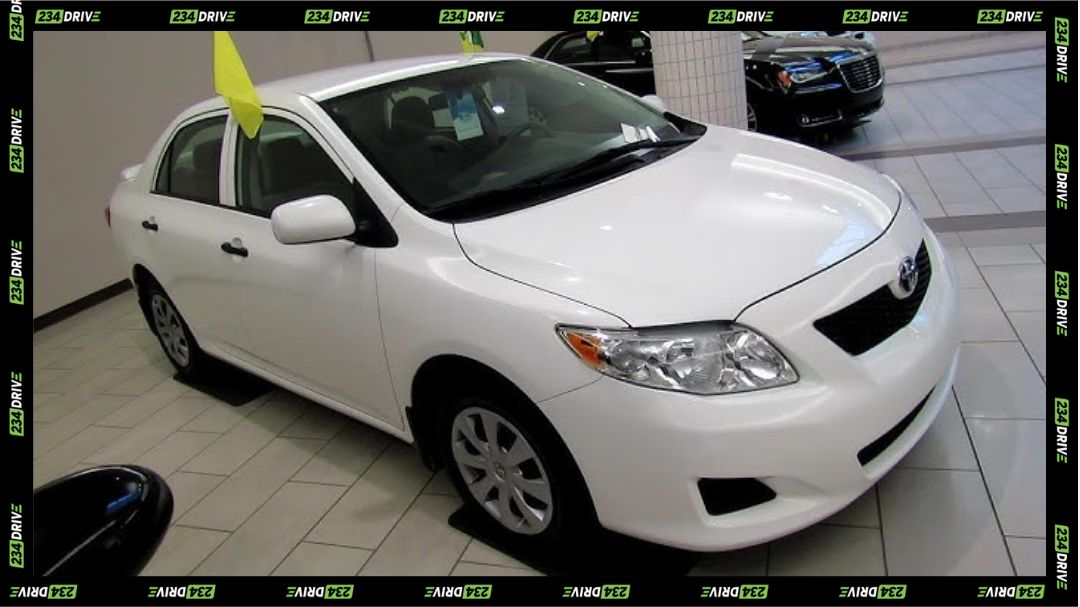
The cabin is a study in ergonomics. The dashboard is low, which provides an expansive view of the bonnet—essential for navigating tight gaps in traffic. The 2018+ models come standard with Toyota Safety Sense, meaning the car will actually beep at you and vibrate the steering wheel if you drift out of your lane. It also features automatic high beams, which are a blessing when driving on unlit suburban roads at night.
2. The Toyota RAV4 (2016–2021)
Driving a sedan in Lagos during July is an exercise in anxiety. I have seen too many brilliant women stranded because a flash flood turned a ‘minor’ pothole into a car-swallowing crater. This is why the RAV4 is a tactical choice. With 6.3 inches of ground clearance, you aren’t just sitting higher; you are literally rising above the infrastructure deficit.
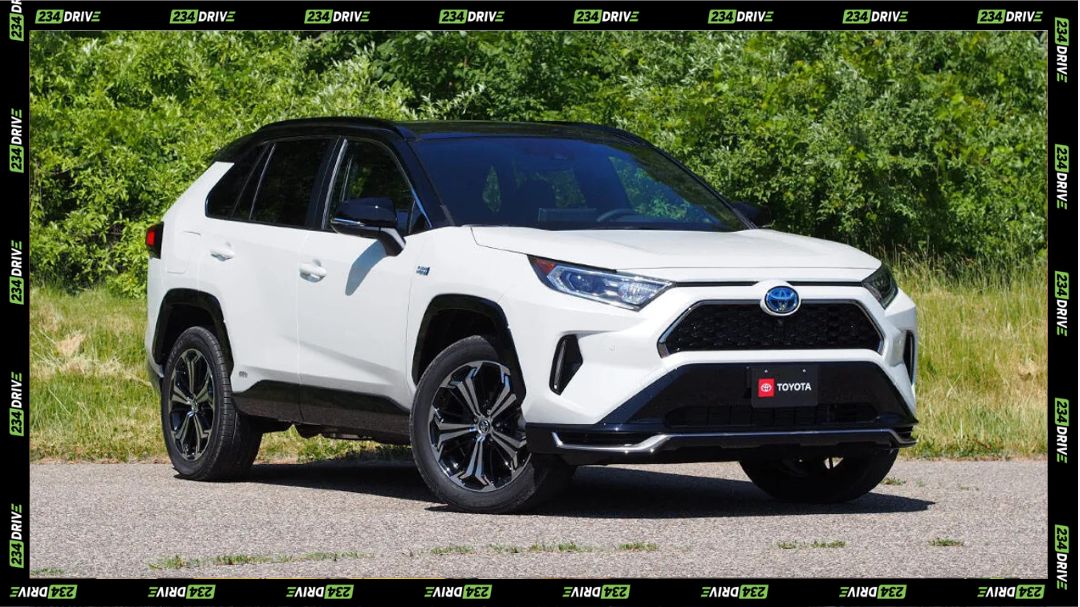
The 2.5-litre engine has significantly more ‘grunt’ than the Corolla. You feel the torque when climbing the steep ramps of the Third Mainland Bridge. It has earned its reputation as an ideal family vehicle because the boot is low-loading, making it easy to haul heavy grocery bags or a stroller without straining your back. Inside, the dual-zone climate control is powerful enough to drop the cabin temperature from 35 degrees to a crisp 20 in under four minutes.
3. The Honda CR-V (2017–2022)
If you prefer a car that feels ‘intelligent’ rather than just rugged, the CR-V is the pick. Most Tokunbo models from this era feature the 1.5-litre turbocharged engine. Do not let the small displacement fool you; the turbo ensures that the car feels punchy and responsive. The steering is noticeably lighter and more precise than the Toyota, making the CR-V feel more like a car and less like a truck.
The standout feature is ‘Honda Sensing’. The Adaptive Cruise Control is particularly well-calibrated for Nigerian driving; it handles the ‘stop-and-go’ of the Lekki-Epe expressway with a refinement that reduces leg fatigue. The interior is arguably the best in its class, featuring a ‘floating’ centre console that leaves plenty of room for a handbag or a laptop bag in the footwell area.
4. The Kia Rio (2019–2024)
For city hackers who need to move between multiple appointments in a city centre, the Rio is the dark horse. While its 1.6-litre Gamma GDI engine is not built for racing, it is exceptionally efficient. To achieve efficient fuel consumption in the 2026 economy, hitting 15 km/l with the AC on is a survival trait.
Unlike the older Toyotas that dominate our roads, a 2020 Rio feels like it belongs in the current decade. The 7-inch touchscreen supports wireless Apple CarPlay and Android Auto—meaning your Google Maps is always active on a clear display, keeping your phone out of your hand and away from the eyes of opportunistic ‘area boys’. The steering is incredibly light, allowing you to perform a three-point turn in a narrow street with literally one finger.
5. The Toyota Yaris (2018–2023)
The Yaris is for the woman who wants to be invisible to the chaos. It is small, nimble and cheap to run. Its 1.5-litre engine is designed for one thing: turning a small amount of petrol into a lot of kilometres. It delivers a staggering 16 km/l on the highway.
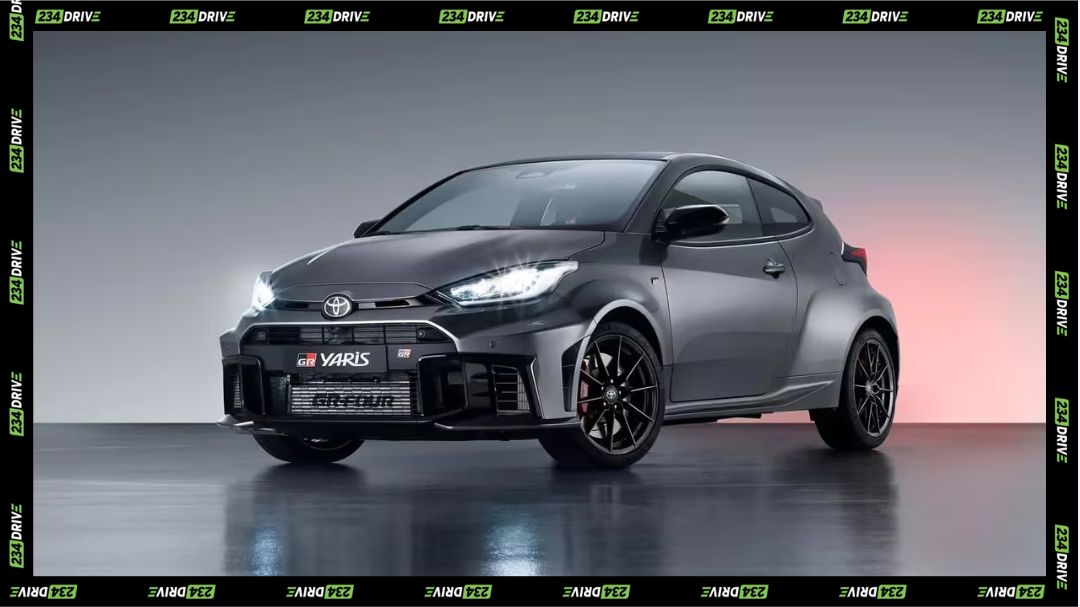
Mechanically, it is simple. There are no complex turbochargers or hybrid battery cooling systems to worry about. Any competent mechanic in Kaduna or Port Harcourt can service this car. The cabin is basic but functional, with plenty of cup holders and a reliable air conditioning system that does not sap all the engine’s power when it kicks in. It is a ‘profit margin protector’ for the business owner who spends all day on the move.
The Non-Negotiable Buying Rules
If you are in the market today, the mechanical condition is more important than the paint job. My advice comes down to three rules:
- Stop Buying ‘Nigerian-Used’ Without a History: We call them ‘Tokunbo’ for a reason. Foreign-used cars generally have better maintenance histories. If you must buy Nigerian-used, follow a Tokunbo inspection checklist and assume the suspension is shot until proven otherwise by a scan.
- The Security Layer: Never drive a car in Nigeria without an active GPS tracker. It is not just about theft; it is about the peace of mind that comes with knowing where your vehicle is if you hand the keys to a valet or a third-party driver.
- The ‘C-Number’ Rule: Verify your papers at the customs office before the final transfer. I have seen too many women lose their vehicles to customs task forces because a dealer cut corners on import duties.
Ultimately, the best car for a woman in Nigeria is the one that starts every time, stays cool in two-hour traffic and protects her from the environment.