
The first-generation Lexus GX 470 defies the standard lifecycle of luxury vehicles in Nigeria. Generally, a two-decade-old premium SUV becomes a financial liability, plagued by electrical gremlins and obsolete air suspension systems. Yet, the GX 470—produced between the 2003 and 2009 model years—remains highly sought after across Nigerian cities. It commands strong resale value, dominates dealership lots and serves as a primary vehicle for urban professionals and fleet operators alike.
This enduring relevance is not driven by nostalgia. The GX 470, fundamentally a rebadged and heavily upgraded Toyota Land Cruiser Prado (J120 series), represents a specific intersection of luxury and utilitarian survival. It offers the plush ride quality expected of a premium marque, paired with a body-on-frame architecture and mechanical simplicity that absorbs the daily punishment of Nigerian infrastructure.
For the Nigerian buyer in 2026, purchasing a used GX 470 is a calculated hedge against bad roads, unpredictable mechanic expertise and steep depreciation. However, owning one requires a clear understanding of its heavy fuel consumption and age-related maintenance needs.
Engineering and performance architecture
The mechanical foundation of the GX 470 is its defining asset. Every unit is powered by Toyota’s legendary 4.7-litre V8 engine, designated the 2UZ-FE. This cast-iron block engine was designed for durability over high-revving performance.
Early models (2003–2004) deliver approximately 235 horsepower at 4,800 rpm and 320 lb-ft of torque. In 2005, Lexus introduced Variable Valve Timing with intelligence (VVT-i) to the powertrain. This upgrade boosted output to 270 horsepower (later SAE-rated at 263 horsepower at 5,400 rpm) and 323 lb-ft of torque at a lower 3,400 rpm. The VVT-i equipped models provide noticeably better throttle response and smoother acceleration in heavy traffic.
Power is managed by a robust 5-speed automatic transmission and delivered through a full-time four-wheel-drive system. This drivetrain features a low-range transfer case and a Torsen centre limited-slip differential. Supported by Active Traction Control (A-TRAC), the vehicle possesses serious off-road capability. With 8.3 inches (211 millimetres) of ground clearance, an approach angle of roughly 31 degrees and a departure angle of 29 degrees, the GX 470 navigates flooded streets and deeply rutted unpaved roads with clinical ease.
While some trims offer an optional rear locking differential and a third-row seating arrangement, these are relatively rare in the Nigerian market, where the vehicle is typically utilised as a spacious five-seater.
The 2026 market reality and pricing tiers
The demand for the ‘Lexus 470’ means it holds its value aggressively. Prices fluctuate heavily based on the exchange rate, fuel costs, accident history and the critical distinction between ‘tokunbo’ (foreign-used imports) and Nigerian-used examples.
Data from listings, dealer networks and various independent showrooms reveal three distinct pricing tiers in the 2025–2026 market:
Budget Nigerian-used (2003–2006 models)
Retailing between ₦5,000,000 and ₦10,000,000, these vehicles typically show over 150,000 miles on the odometer. A structurally sound 2006 model with decent paintwork often trades around ₦5,800,000. These lower entry prices are attractive, but buyers must budget for immediate suspension overhauls and potential steering rack replacements.

Mid-range foreign-used (2006–2008 models)
This is the optimal value zone for most buyers. Priced between ₦10,000,000 and ₦15,000,000, these units offer the VVT-i engine, cleaner interiors and verifiable service histories. A solid 2007 foreign-used model represents the best balance of modernised engine tech and reasonable purchase price.
Premium tokunbo (2007–2009 full-option models)
At the top of the market, exceptionally clean, low-mileage examples command between ₦15,000,000 and upwards of ₦20,000,000. Late-model 2009 versions with pristine leather, uncracked dashboards and Mark Levinson audio systems frequently reach ₦19,500,000.

The 2006 to 2008 models remain the most common and logical purchases. The pre-2005 models lack the VVT-i engine and require more age-related maintenance, while the 2009 models demand a steep premium for minimal functional difference. It is also important to note that the newer Lexus GX 460 (2010 onwards) features a completely different engine and design language, placing it in a significantly higher price bracket.
Lineage context: GX 470 versus LX 470
Buyers often weigh the GX 470 against its larger sibling, the Lexus LX 470 (1998–2007). The LX 470 is based on the flagship Land Cruiser 100-series platform. It shares the same 4.7-litre V8 but is notably heavier, wider and features a more opulent interior.

In the Nigerian context, the choice depends on application. The LX 470 is superior for long-distance highway cruising and heavy towing, feeling incredibly planted and ‘tank-like’ at high speeds. However, the GX 470 is significantly more agile in congested city traffic, slightly more fuel-efficient due to its lower kerb weight (approximately 4,871 lbs) and easier to park in tight urban spaces. Both vehicles share similar pricing brackets today, but the GX 470’s narrower track makes it slightly more practical for daily driving in places like Lagos or Port Harcourt.
Ownership realities in the Nigerian environment
The defining characteristic of the GX 470 is its bulletproof reliability. The 2UZ-FE V8 is globally recognised as a million-mile engine if maintained correctly. It handles poor fuel quality and extreme heat better than the turbocharged engines found in newer European luxury SUVs. Spare parts are ubiquitous and affordable, as many components are shared directly with the Toyota Prado, 4Runner and Tundra.
However, owning a GX 470 in 2026 comes with unavoidable compromises.
The fuel consumption penalty
Fuel thirst is the single biggest drawback. The EPA rates the vehicle at 14 mpg in the city and 18 mpg on the highway (roughly 16 to 13 litres per 100 kilometres). In the reality of Nigerian stop-and-go traffic, owners frequently report an abysmal 10 to 12 mpg. With current petrol prices, running a GX 470 daily requires a substantial operating budget. While the engine runs on standard petrol, premium fuel is recommended to prevent knocking and preserve the oxygen sensors.
Air suspension failures
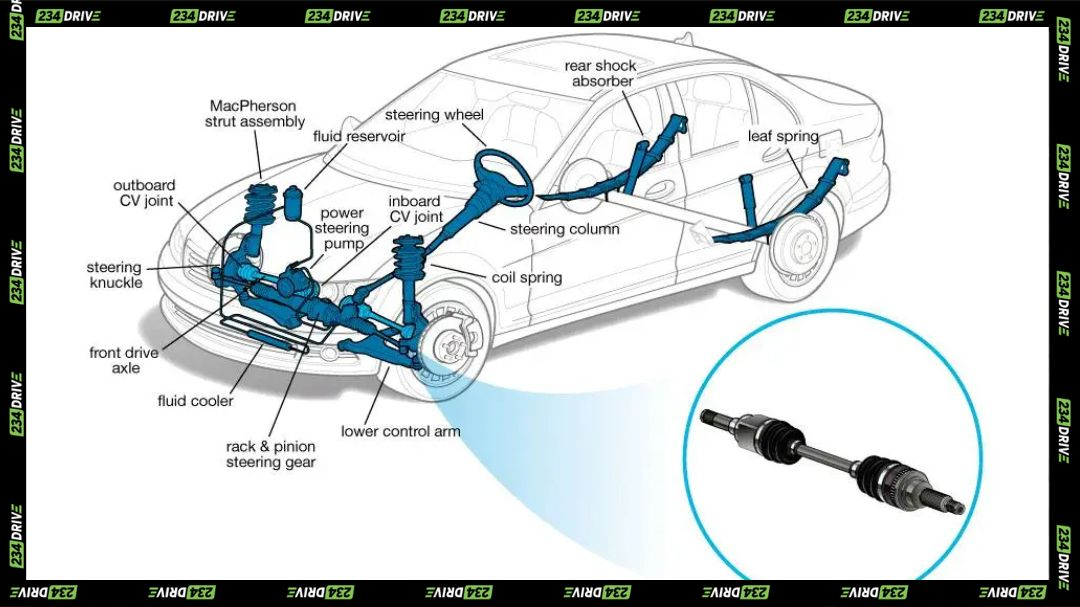
The GX 470 originally shipped with a rear Adaptive Variable Suspension (AVS) featuring air springs. After 15 years in tropical heat and on degraded roads, the airbags inevitably leak and the compressors fail, leading to a sagging rear end. The standard Nigerian solution is straightforward: mechanics remove the air system entirely and convert the rear suspension to traditional steel coil springs. This conversion is highly recommended as it permanently eliminates the failure point with minimal impact on ride comfort.
Interior degradation
Lexus utilised a specific vinyl compound on the GX 470 dashboard that reacts poorly to intense ultraviolet light. Consequently, almost all units exposed to the Nigerian sun will develop severe dashboard cracking. Buyers should either look for vehicles that have had dashboard replacements or invest in a high-quality dashboard cover immediately.
Scheduled maintenance
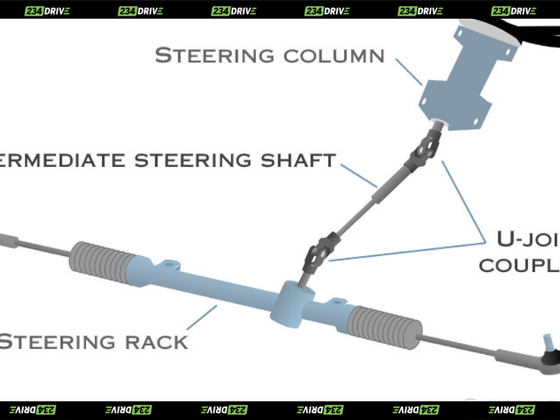
Unlike modern engines with timing chains, the 2UZ-FE uses a rubber timing belt. This belt, along with the water pump, must be replaced strictly every 90,000 to 100,000 miles. A snapped timing belt will cause catastrophic engine failure. When buying a used model in Nigeria, verifying this service is critical. Furthermore, high-mileage models frequently develop leaks in the steering rack, which must be inspected before purchase.
Navigating the market: Inspection and verification
When sourcing a GX 470 in the current market, the physical condition supersedes the model year.
Firstly, prioritise units with verifiable service histories over simply looking at the odometer, as mileage rollbacks are common on imported vehicles. Inspect the underbody thoroughly. While severe rust is less common on Nigerian-used vehicles than on fresh imports from snowy regions, the frame rails and cross-members must be solid.
During the test drive, pay close attention to the transmission. The 5-speed unit should shift smoothly without hesitation or clunking, particularly when shifting from reverse into drive. Engage the 4WD system to ensure the centre differential locks correctly. Finally, test the air conditioning system extensively; repairing a faulty evaporator core on this vehicle requires a complete dashboard removal, which is labour-intensive and expensive.
The baseline
The Lexus GX 470 occupies a unique position in the Nigerian automotive landscape. It is undeniably dated, lacking modern infotainment screens, Apple CarPlay and the fuel efficiency expected of contemporary vehicles.
Yet, it offers something increasingly rare: absolute mechanical certainty. In an environment where a single severe pothole can disable a modern luxury crossover, the GX 470 provides durable, uncomplaining luxury. It is not purchased for its technology or its economy. It is purchased because, regardless of the road conditions or the weather, a well-maintained GX 470 will start, run and get its occupants home in quiet comfort. For the Nigerian driver navigating complex infrastructure deficits, that level of reliability is worth every drop of fuel it consumes.