
With petrol oscillating between ₦1,270 and ₦1,350 per litre in late July 2026, the economics of Nigerian mobility have fundamentally fractured. A full tank for a standard internal combustion engine sedan now commands a significant percentage of an average professional’s monthly income. This is no longer a temporary economic adjustment; it is a structural crisis that demands an immediate technological response.
Consequently, the conversation around battery-electric vehicles (BEVs) has shifted from ecological idealism to brutal financial pragmatism. For fleet operators, ride-hailing platforms and middle-class professionals, electricity is now the only mathematical equation that makes sense. If you are tracking the 5 newest electric cars in Nigeria, you are essentially watching the rapid rollout of Chinese manufacturing power and local assembly initiatives stepping into the void left by unaffordable fossil fuels.
The market has evolved drastically over the past eighteen months. Backed by the customs duty exemptions outlined in the 2025 Electric Vehicle Transition and Green Mobility Bill and bolstered by significant local-content pushes, pure electric vehicles are moving from exclusive novelties to visible daily commuters. While public charging infrastructure remains a severe bottleneck outside dedicated hubs in Lagos and Abuja, the everyday Nigerian buyer is adapting by pairing their vehicle with home solar and inverter installations.
These are the five most relevant, officially supported pure electric models redefining our roads in the third quarter of 2026.
1. BYD Seagull: The Urban Commuter
The most aggressive new entrant in the entry-level segment is undoubtedly the BYD Seagull. As a compact hatchback, it was designed specifically to dominate congested urban environments. Available through official BYD channels in Nigeria, the Seagull is actively rewriting the baseline for what a new car costs to operate in Lagos or Port Harcourt.
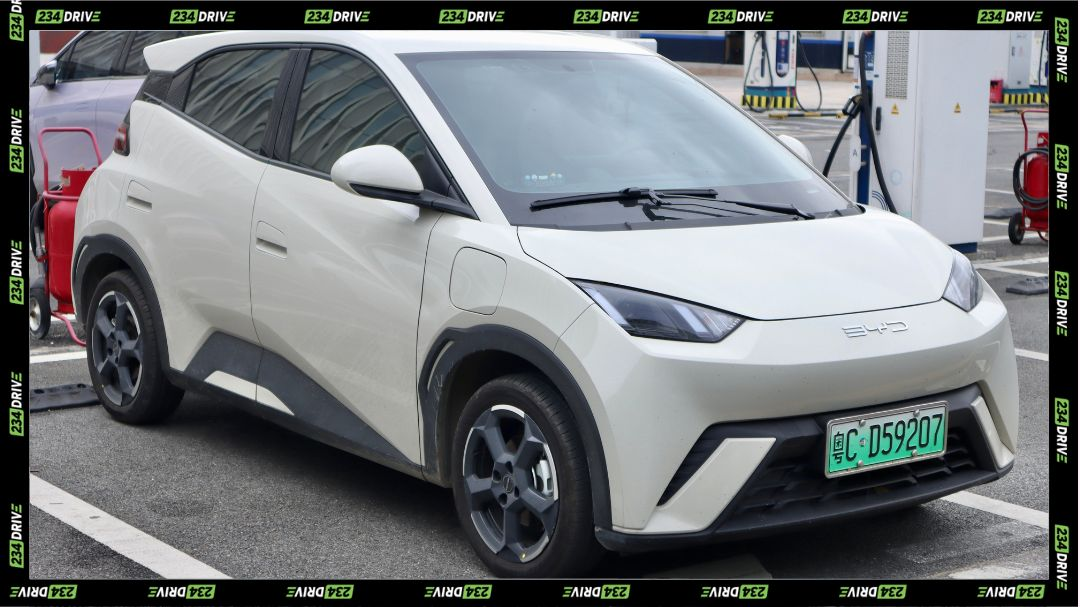
Priced roughly between ₦30 million and ₦39 million—with common dealer listings hovering around ₦35 million—the Seagull represents the most accessible gateway into modern EV ownership. Its secret weapon is the proprietary Blade Battery, a Lithium Iron Phosphate (LFP) unit globally renowned for its exceptional safety profile and ability to withstand high ambient temperatures without rapid degradation.
Depending on the battery variant, the Seagull delivers a city-focused range of 300 to 405 kilometres. However, buyers must understand that real-world Nigerian conditions—specifically the constant use of heavy air conditioning in 35-degree heat and gridlock traffic—will reduce this figure by at least 20%. Despite this, its fast-charging capability (reaching 30% to 80% capacity in roughly 30 minutes on a DC charger) and negligible running costs make it the ultimate tool for the daily urban commute. A full charge costs a fraction of a single trip to the petrol station.
2. The SAGLEV Series: The Local Assembly Vanguard
You cannot discuss the future of Nigerian mobility without addressing local assembly. SAGLEV has positioned itself at the forefront of this movement, actively assembling and distributing a diverse fleet of electric vehicles from its base in Victoria Island. Drawing from Dongfeng and related Chinese platforms, SAGLEV’s approach aligns perfectly with the federal government’s push for domestic EV production and reliable aftermarket support.
Checking the current model pricing for SAGLEV reveals a highly strategic lineup. The Nammi 01 series, priced between ₦43 million and ₦49 million, is explicitly positioned to dominate the corporate pool car and premium ride-hailing sectors. Sitting slightly higher is the Aeolus E70 at approximately ₦53 million, offering a broader range of up to 433 kilometres and a more traditional sedan form factor that appeals to mid-level executives.
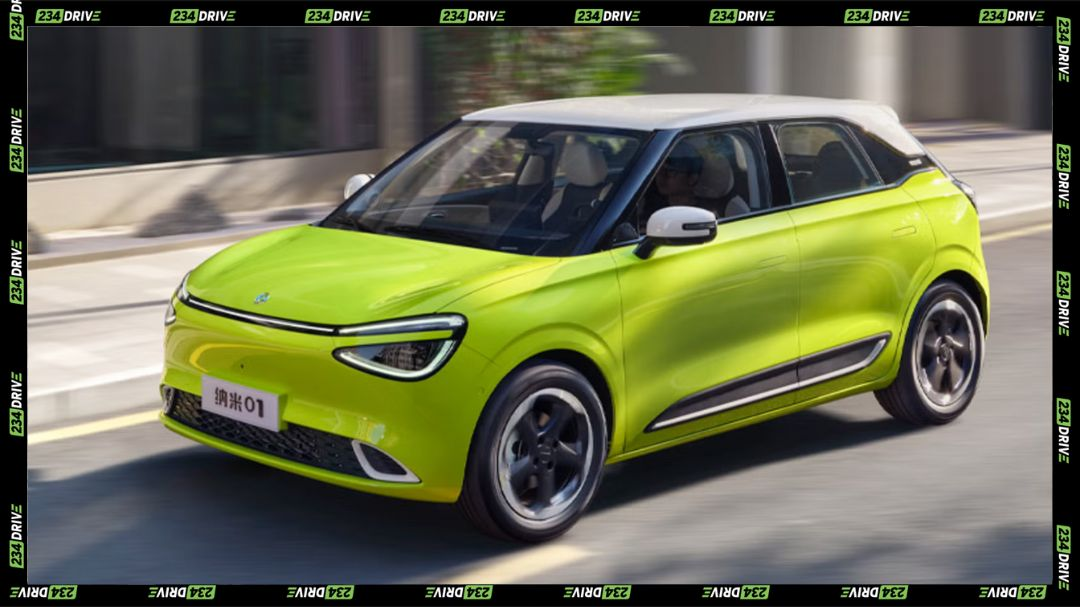
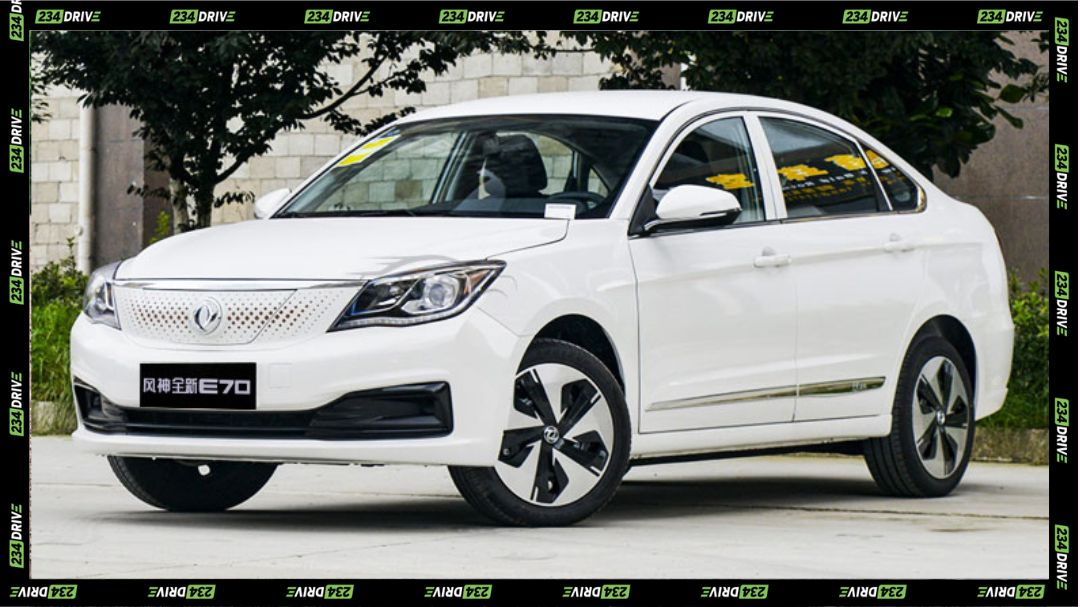
Crucially, SAGLEV caters to the luxury and armoured-capable segments as well. The Voyah Free commands between ₦112 million and ₦148 million, while the military-inspired M-Hero 917 demands upwards of ₦218 million. The latter is rapidly emerging as the quiet, instant-torque alternative to the ubiquitous Land Cruiser 300 for political and corporate elites. The true value of the SAGLEV proposition lies in proximity; buying locally assembled means direct access to warranties, specialised technicians and a guaranteed spare parts supply chain.
3. BYD Yuan Plus (ATTO 3): The Pragmatic Crossover
For buyers who find the Seagull too compact but cannot justify the capital outlay for a luxury SUV, the BYD Yuan Plus (globally recognised as the ATTO 3) strikes the perfect mechanical balance. It is currently the core model driving BYD’s aggressive expansion across the Nigerian automotive landscape.
Retailing typically in the ₦50 million to ₦63 million bracket, the Yuan Plus is a C-segment SUV built on BYD’s highly efficient e-Platform 3.0. It features battery options ranging from 50 to 60 kWh, delivering a WLTP-rated range of 345 to 420 kilometres.
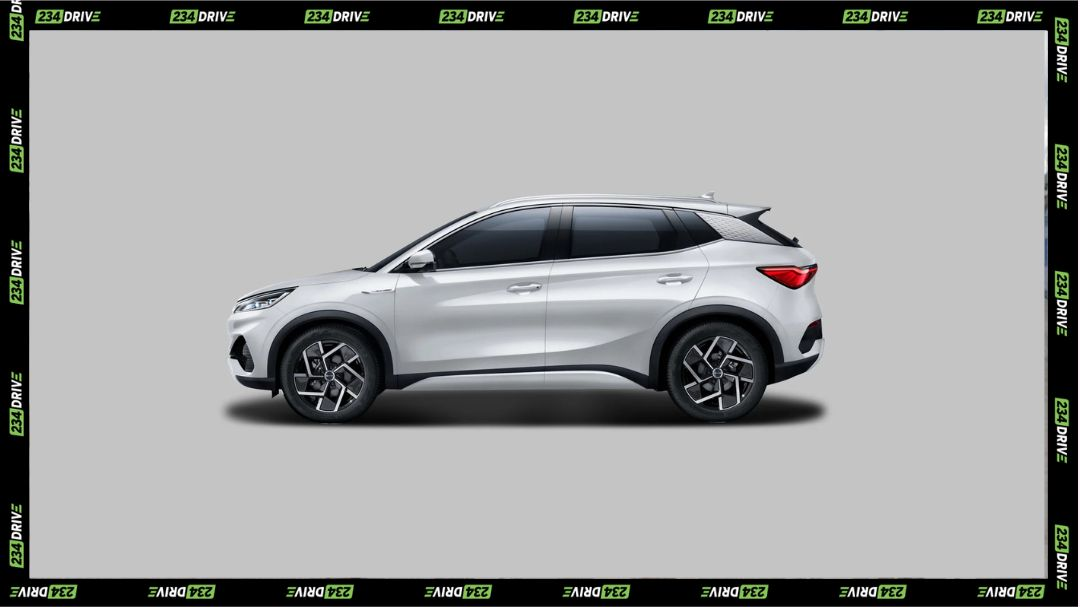
What makes the Yuan Plus particularly suited to Nigerian realities is its physical architecture. It offers the ground clearance necessary to survive the unpredictable topography of our inner-city roads and the seasonal flooding that plagues areas like Lekki and Victoria Island. With a power output of roughly 201 horsepower and a 0–100 km/h time of just over seven seconds, it provides enough dynamic capability for highway overtaking while maintaining the smooth, silent operation inherent to BEVs. It is the definitive choice for the small family or the fleet operator looking for durability without the premium price tag.
4. Leapmotor C10: The Mid-Market Tech Disruptor
The wave of accessible Chinese SUVs entering the market in 2025 and 2026 brought a level of cabin technology previously reserved for ultra-luxury European imports. The Leapmotor C10 is the prime example of this technological democratisation.
Priced competitively at around ₦69 million, the C10 is a mid-size family SUV that prioritises software and safety. It utilises a robust 69.9 kWh LFP battery pack that claims a 420-kilometre WLTP range, though as noted in recent market specs for Leapmotor vehicles, real-world application in Nigerian traffic typically yields a highly respectable 320 to 350 kilometres.
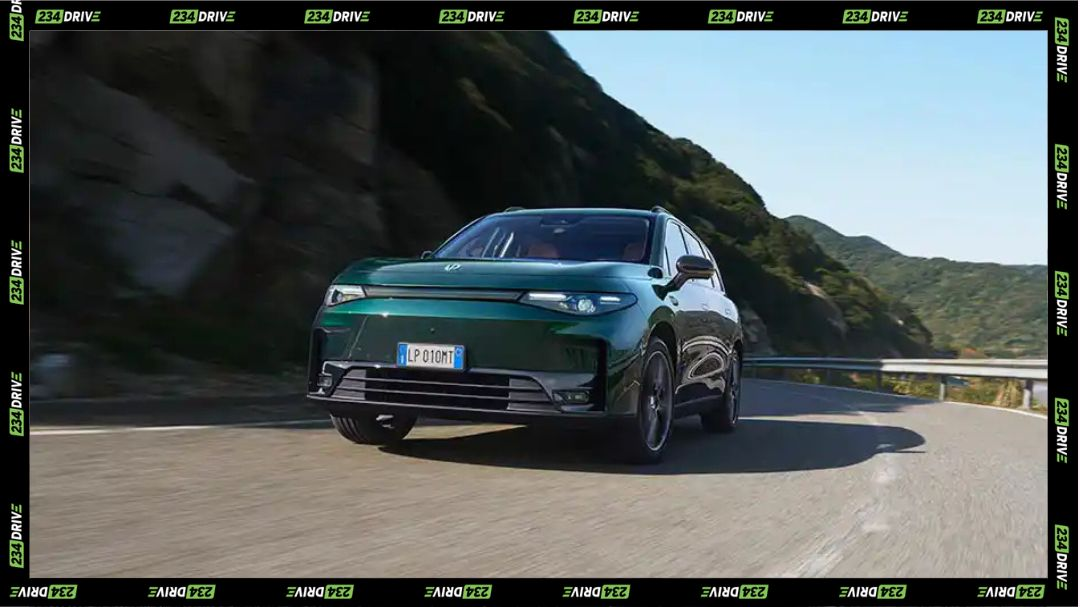
The C10 differentiates itself through its interface and utility. The cabin is dominated by a massive 14.6-inch touchscreen that manages everything from climate control to its Level 2 Advanced Driver Assistance Systems (ADAS). Furthermore, it features Vehicle-to-Load (V2L) technology. In a country plagued by grid instability, the ability to plug a standard extension cord into your car and power your laptops, fans or emergency medical equipment directly from the vehicle’s battery is an extraordinary selling point.
5. XPENG G6: The Premium 800V Benchmark
At the top end of the new official arrivals sits the XPENG G6. Brought in via Saywheels EV, the primary distributor for the brand in Lagos and Abuja, the G6 is an ‘Ultra Smart’ coupe-style SUV that competes directly with the Tesla Model Y in global markets.
Commanding a price tag between ₦70 million and ₦89 million depending on the trim and battery configuration, the G6 is a masterclass in modern EV engineering. Its defining feature is its 800-volt electrical architecture. While most EVs on the road utilise 400-volt systems, the 800V platform allows the G6 to accept ultra-fast DC charging, taking the battery from 10% to 80% in a staggering 20 minutes when connected to a compatible high-capacity charger.
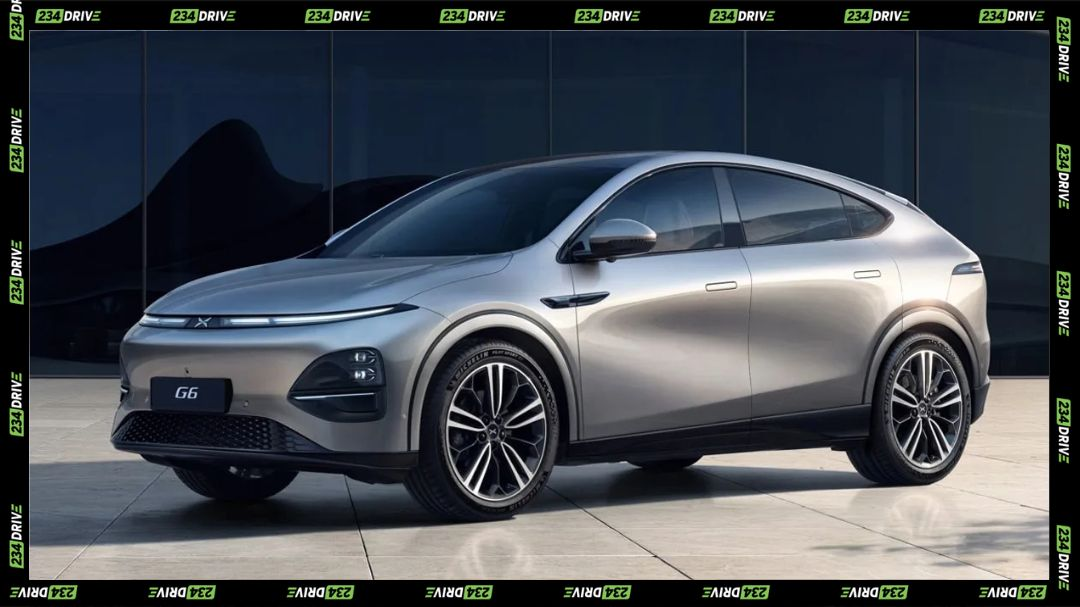
Performance is equally aggressive. The all-wheel-drive variants can dispatch the 0–100 km/h sprint in roughly 3.9 seconds. XPENG pairs this brute force with premium comfort features including ventilated seating, high-fidelity audio systems and continuous Over-The-Air (OTA) software updates. The G6 proves that Nigerian buyers do not have to rely on grey-market imports with zero local support to access the bleeding edge of global automotive technology.
The Infrastructure Reality Check
Acquiring any of these vehicles is only the first step; keeping them powered is the true test of EV ownership in Nigeria.
The public charging network is growing but remains fundamentally inadequate for seamless inter-state travel. While ambitious plans exist for the deployment of 120-plus ultra-fast charging stations nationwide, the current reality requires meticulous route planning. For a deeper dive into how owners are navigating this, the landscape is heavily detailed in a comprehensive 2026 guide on electric car models and charging.
Ultimately, the successful EV owner in Nigeria in 2026 is one who controls their own micro-grid. Relying on the national grid to charge a 60 kWh battery is a gamble. Relying on a diesel generator to charge an EV entirely defeats the economic purpose of the purchase. The true synergy occurs when these vehicles are paired with a robust home solar and inverter setup. Under those conditions, the daily commute becomes practically free, isolating the owner entirely from the volatility of the global oil market and the local fuel pumps.
African mobility has always been defined by resilience and adaptation. The rapid adoption of these five electric vehicles is not merely a trend; it is a calculated, permanent shift by everyday Nigerians taking control of their own mobility economics.