
The transition toward electric mobility in Nigeria has moved past the initial phase of curiosity into a period of technical verification. In 2026, the focus for urban professionals and logistics managers has shifted from theoretical efficiency to the mechanical reliability of high-voltage systems in tropical environments. While the market has expanded significantly following the removal of import duties, identifying a new, four-wheeled passenger electric vehicle (EV) strictly under ₦10,000,000 ($7,142) requires a precise audit of local assembly capabilities and specific Chinese imports.
Data from the first half of 2026 indicates that the majority of polished, entry-level passenger EVs now sit within the ₦12,000,000 ($8,571) to ₦25,000,000 ($17,857) range. This bracket represents the technical sweet spot for the Nigerian environment, offering vehicles with the necessary thermal management and ground clearance to navigate the infrastructure deficit of major cities. To understand the electric cars Nigeria 2026 landscape, one must look at the specific engineering of the models currently occupying the Lagos and Abuja showrooms.
The Technical Reality Of Affordable Mobility
The ₦10,000,000 ($7,142) benchmark serves as a significant psychological and financial gate for the Nigerian market. Traditionally, this budget targeted mid-life internal combustion engine (ICE) sedans. In the current electric ecosystem, however, this price point mandates a choice between micro-mobility solutions or specific locally assembled urban cars designed for short-range utility.
The primary entry in this segment is the EMVC Adoja M2, a vehicle that represents the closest alignment with a traditional car under or near the ₦10,000,000 ($7,142) mark. Beyond this micro-segment, the market opens into compact hatchbacks and crossovers that offer a usable range of 250 km to 400 km. These vehicles are defined not by their displacement, but by their battery chemistry and motor efficiency—metrics that are becoming the primary language of the Nigerian automotive sector as buyers compare top electric vehicles across different price tiers.
EMVC Adoja M2: Local Assembly And Range Extension
The EMVC Adoja M2 stands as a milestone for Nigerian automotive engineering. Assembled locally, it prioritises simplicity and Naira-based pricing, which provides a hedge against currency volatility. The M2 utilises a compact electric motor capable of propelling the vehicle to a top speed of roughly 60 km/h, making it an ideal tool for dense urban centres.

The standout engineering feature of the Adoja is the optional gas-powered range extender. This system serves as a mechanical safety net, allowing the vehicle to generate electricity on the move during periods of grid instability. While it is best utilised as an urban commuter rather than a highway cruiser, its range of 125 km to 250 km (depending on the battery configuration) covers the daily mileage of 90% of Lagos professionals. The local parts ecosystem for EMVC continues to grow, providing a clear path for maintenance that parallel imports often lack.
BYD Compact Entries: The Blade Battery Standard
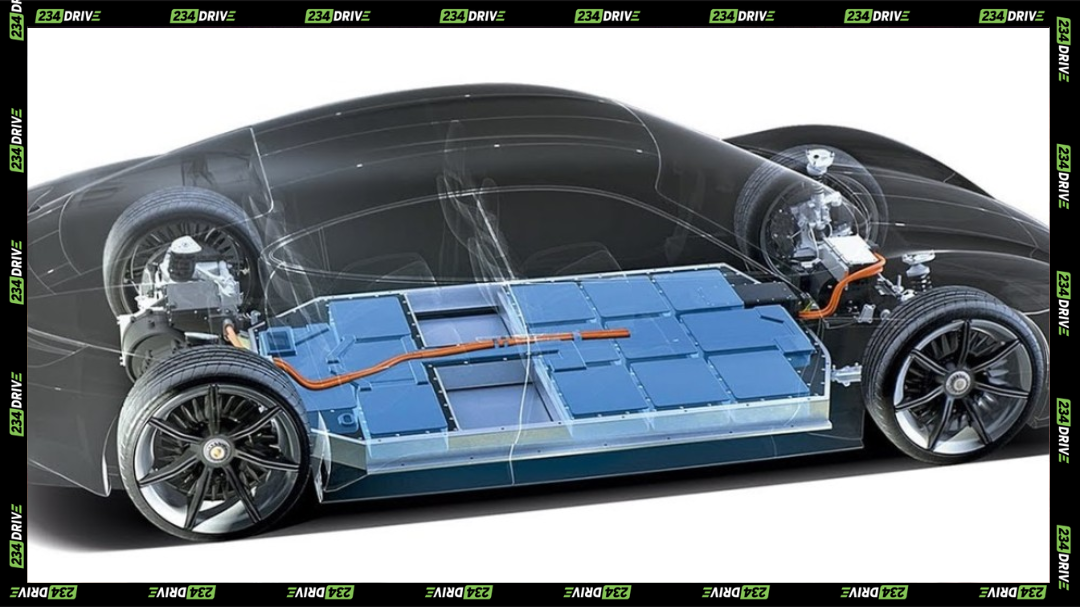
BYD has established itself as the benchmark for electric mobility in Nigerian cities. Their compact entries, often priced between ₦12,000,000 ($8,571) and ₦25,000,000 ($17,857), are built on the e-Platform 3.0, which integrates the battery pack into the structural frame of the car. This design increases rigidity and improves safety during side-impact collisions.
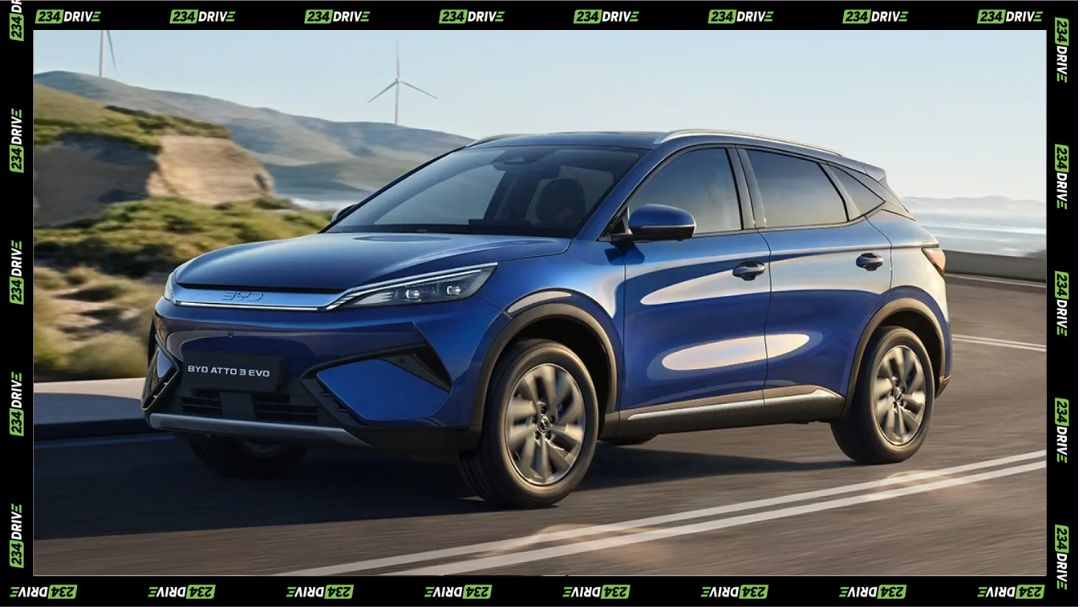
The core of BYD’s dominance is the Blade Battery technology. Utilising Lithium Iron Phosphate (LFP) chemistry, these batteries are engineered for thermal stability in climates where ambient temperatures frequently exceed 35 degrees. Unlike traditional Nickel Manganese Cobalt (NMC) batteries, LFP cells are less prone to thermal runaway under high-stress conditions. In the 2026 landscape, this chemistry is a non-negotiable requirement for high-clearance crossovers like the Atto 3 equivalents, which provide roughly 300 km of urban range and benefit from a growing official dealer network.
Dongfeng Nammi 01: Refinement And Efficiency
The Dongfeng Nammi 01 has emerged as a strong contender in the affordable-to-mid-range segment. It features a modern interior and a punchy Permanent Magnet Synchronous Motor (PMSM) that delivers instant torque, a mechanical advantage when navigating stop-and-start traffic in hubs like Ikeja or Wuse II.
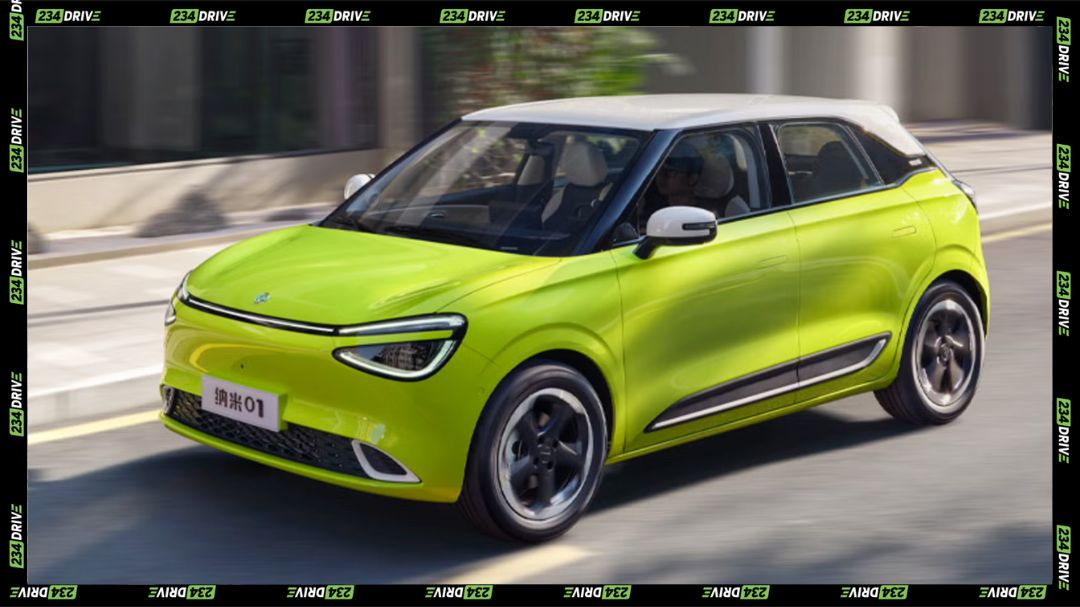
The Nammi 01 is positioned as an accessible everyday driver with range claims between 310 km and 430 km. From an engineering perspective, the vehicle’s high efficiency is achieved through a streamlined aerodynamic profile and a regenerative braking system that recoups energy during deceleration. While the service network is currently concentrated in Lagos and Abuja, the mechanical simplicity of its powertrain reduces the frequency of required workshop visits compared to traditional sedans.
Aeolus E70: The Fleet Operator Choice
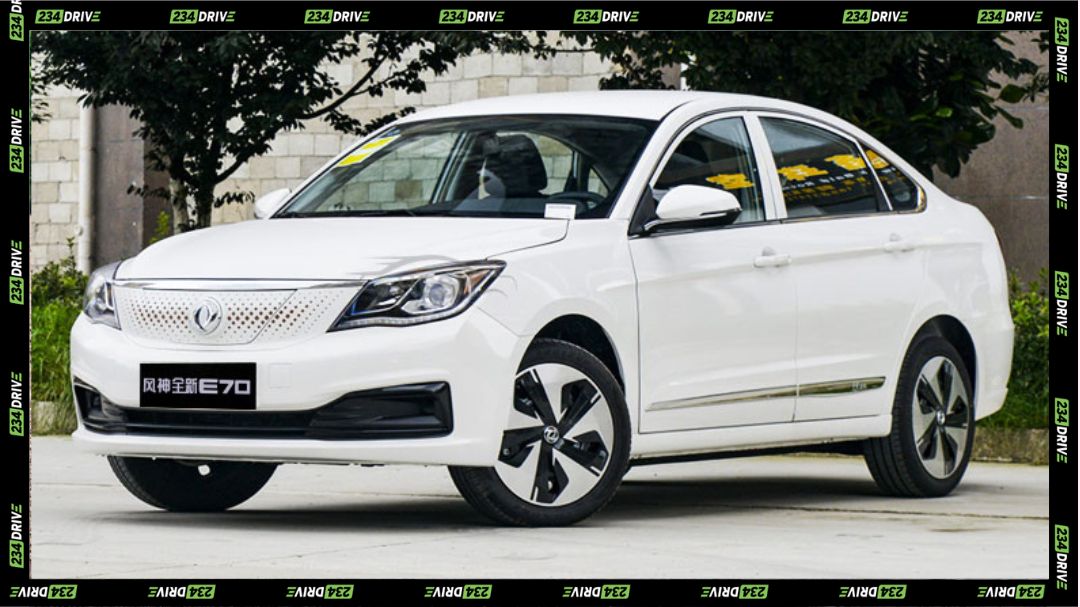
The Aeolus E70 is a practical sedan that has found a significant following among fleet operators and ride-hailing services. It serves as a value-driven daily driver with a solid mechanical build and a focus on rear-passenger comfort. The power delivery is linear and silent, providing a low-stress environment for occupants during extended congestion.
The E70 utilises a robust chassis that handles the weight of its battery pack with poise. Its suspension is tuned for durability, a necessity given the unmapped potholes and uneven tarmac common across Nigerian road networks. While it lacks the advanced driver assistance systems (ADAS) found in premium EVs, its core mechanical reliability makes it a strategic asset for high-mileage urban use.
Innoson IVM Electric: Regional Durability
Innoson Vehicle Manufacturing (IVM) remains a strategic choice for buyers prioritising regional durability. Their entry-level electric models are designed with high ground clearance—a technical requirement for navigating the topography of West Africa. Because these vehicles are assembled in Anambra, parts and technical support are accessible through a verified dealer network.
Pricing for IVM electric models remains relatively stable compared to imported units. The engineering focus here is on ruggedness rather than luxury, with simple electronic interfaces and reinforced suspension components. The IVM electric range represents a domestic solution to the challenges of modern movement, providing a platform that is familiar to local technicians while utilising high-efficiency electric motors.
Mechanical Audit: EV Architecture Versus Traditional Chassis
When comparing an EV in the ₦15,000,000 ($10,714) bracket to a used petrol car, the mechanical audit reveals a fundamental shift in vehicle architecture. A traditional petrol sedan at this price point is typically an eight-to-ten-year-old vehicle with an engine and transmission that have surpassed their peak efficiency.
An EV eliminates 70% of the moving parts found in internal combustion engines. There are no spark plugs, timing belts, oil filters or multi-speed gearboxes to service. This represents a 60% reduction in long-term maintenance cycles. Furthermore, the absence of a heavy engine block over the front axle allows for a lower centre of gravity, resulting in superior handling and stability during sudden manoeuvres.
The Charging Infrastructure Audit
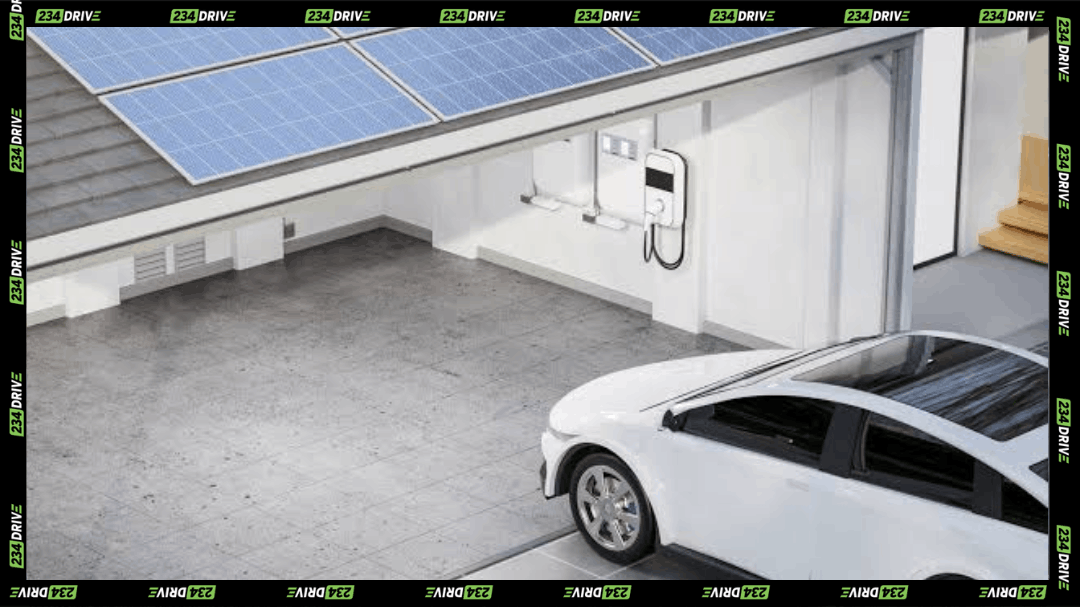
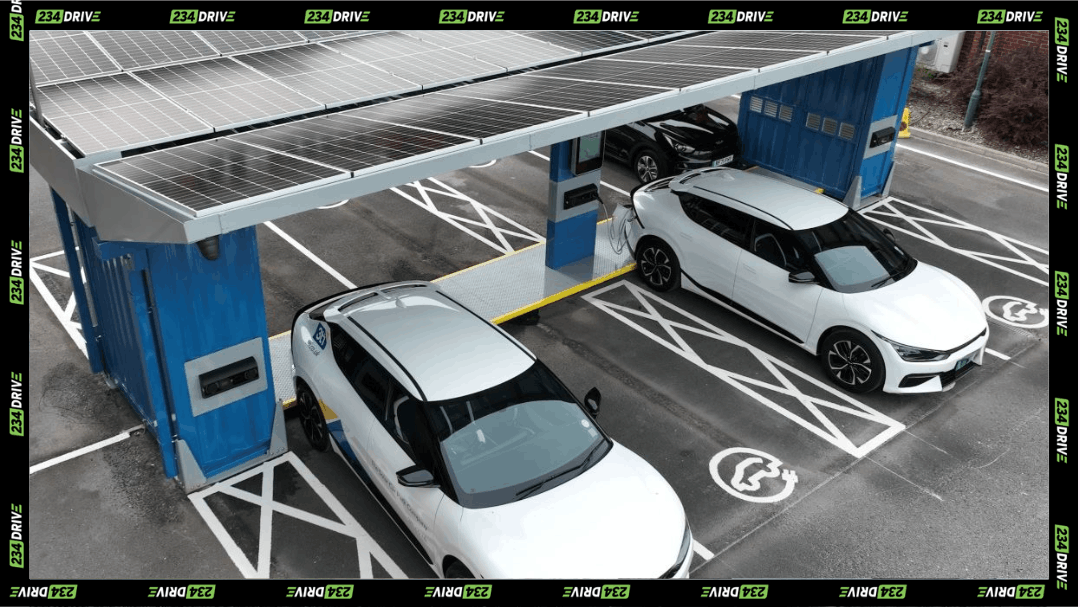
The primary barrier to EV adoption in 2026 remains the grid, not the vehicle. Engineering standards suggest that for any EV installation to be viable, it should be paired with a minimum 5 kW solar array. This Solar-to-Vehicle (S2V) strategy ensures energy independence and protects the vehicle’s onboard charger from the voltage fluctuations common on the national grid.
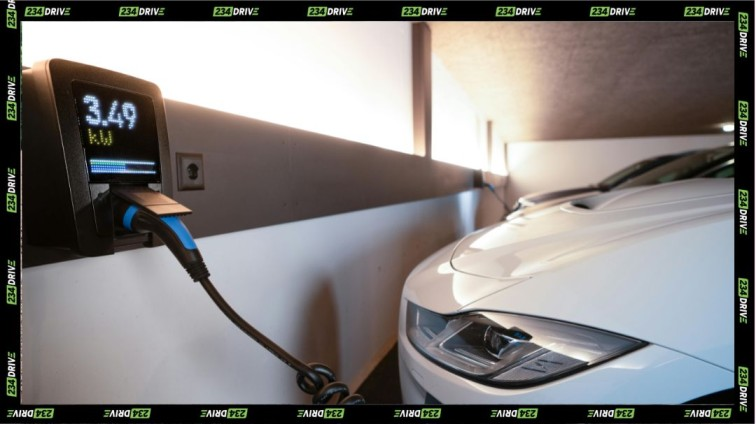
Public infrastructure is improving, as evidenced by the unveiling of a charging hub with 1,000-vehicle daily capacity. However, such sites remain concentrated in Lagos and Abuja. For residents in rental properties without a dedicated parking spot and power point, EV ownership is currently limited. A Level 2 AC wallbox (7.4 kW) remains the recommended home setup, allowing a 60 kWh battery to reach full capacity in roughly eight to ten hours.
Technical Viability and Daily Utility
The ultimate verdict on viability rests on daily mileage and access to stable power. For urban professionals covering 60 km to 100 km daily, the EV provides a mechanically smoother experience that eliminates the traditional downtime associated with engine maintenance. ride-hailing operators often see even faster returns on their equipment investment.
The synergy between solar power and EV batteries represents the frontier of mobility. Households already using lithium-based inverter systems are the best candidates for the transition, as the car becomes a secondary battery for the home. Through Vehicle-to-Load (V2L) features, models like the BYD Dolphin can provide power to external electronics during outages, transforming the vehicle from a simple transport tool into a mobile energy asset.
The Engineering Value
In 2026, an electric vehicle is a strategic mobility move. While a new, capable EV under ₦10,000,000 ($7,142) remains rare, the value available in the ₦12,000,000 ($8,571) to ₦25,000,000 ($17,857) range is genuine. Success in this new landscape comes to those who prioritise battery chemistry, thermal stability and local support networks.
The transition to EV ownership requires a rigorous audit of a home’s electrical health and a clear understanding of Nigeria 2026 prices. If managed with technical discipline, the EV becomes the most intelligent equipment choice in the 2026 landscape. African mobility is a high-stakes environment, and the advantage belongs to those who utilise the best technology available.