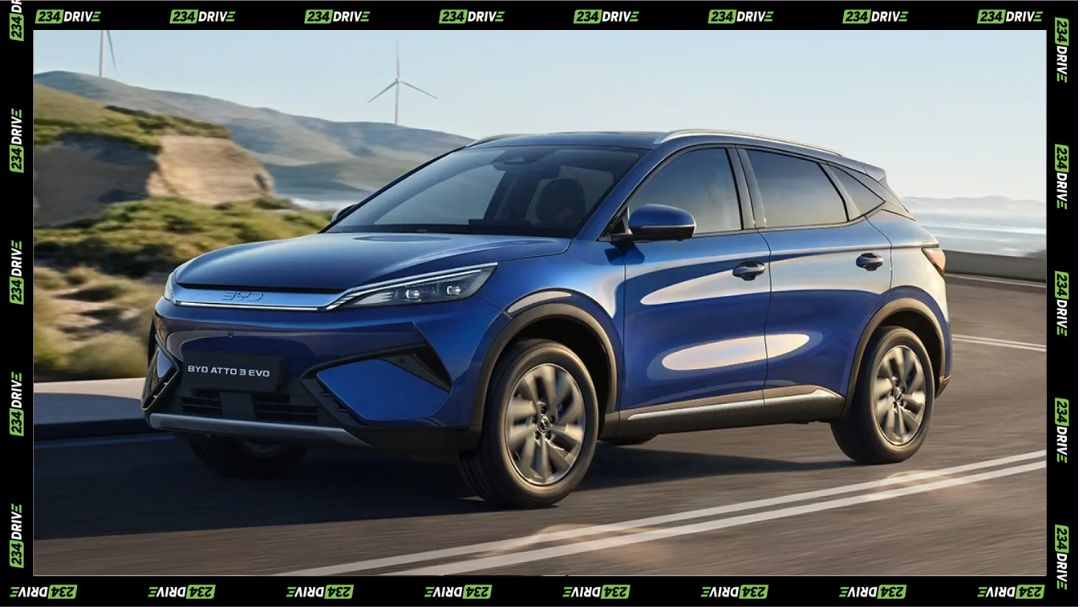

The transition to electric mobility in Nigeria is no longer a conversation about the distant future. As petrol prices maintain a volatile floor of ₦1,350 ($0.96) per litre in 2026, the garage outlet has transitioned from a simple power point to a strategic economic asset. For the urban professional, the decision to import a BYD Atto 3 or a Hyundai Kona is only half the battle; the second half is won or lost in the quality of the home charging infrastructure. This infrastructure is a critical component of the broader e-mobility in Nigeria framework that is currently being established to reduce dependency on fossil fuels.
While the term DIY is frequently used in global EV circles, in the Nigerian context, it must be redefined. True DIY—handling the high-voltage wiring yourself— poses a catastrophic risk to both the vehicle and the property. In this authoritative audit, We can define DIY home charging as the informed management of a professional installation. Navigating our unique electrical landscape requires more than a plug; it requires a technical audit of voltage stability, panel capacity and the increasingly mandatory integration of solar-to-vehicle (S2V) systems.
The Hierarchy Of Home Charging Levels
To manage a home installation effectively, one must first understand the three distinct tiers of charging technology available in 2026, each with specific charging setup requirements that vary based on property type and existing grid stability. Many many early adopters in Lagos and Abuja initially rely on Level 1 charging, only to find it insufficient for a modern commute.
Level 1 charging, or trickle charging, utilises the standard 230V household outlet found in any Nigerian bedroom or kitchen. While it requires zero installation cost, its utility is limited. It adds approximately 8 km of range per hour. For a vehicle with a 60 kWh battery, a full charge from 10% to 100% can take upwards of 40 hours. Consider Level 1 to be a backup protocol rather than a primary mobility solution.
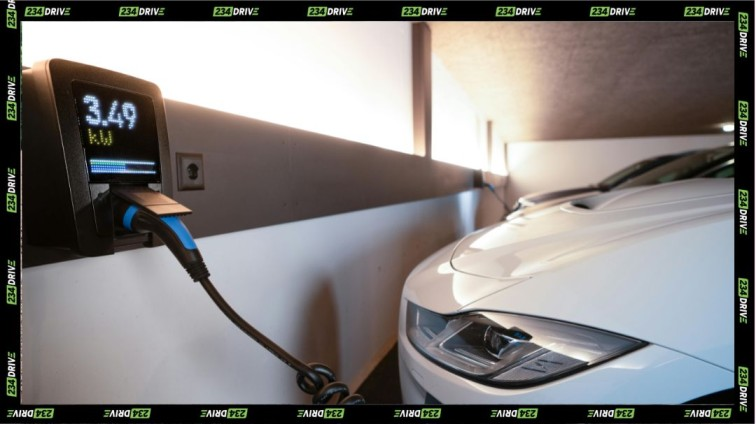
Level 2 charging is the definitive standard for the Nigerian professional. These systems operate on a dedicated 230V single-phase or 400V three-phase circuit, delivering between 3.7 kW and 22 kW of power. A standard 7.4 kW home wallbox can charge a typical EV to 80% in approximately six to eight hours the perfect overnight window.
DC Fast Charging remains, for now, the domain of public infrastructure. The equipment costs and the massive power draw required make it impractical for 95% of Nigerian residential properties. Home charging is a game of patience and precision, not raw speed.
The Installation Protocol and Professional Oversight
The necessity of professional installation for Level 2 setups can’t be overstated. Nigerian residential wiring is notoriously inconsistent, with older properties in areas like Surulere or Central Abuja often featuring aged insulation that cannot handle a sustained 32A draw for eight hours. The EV charger installation protocol begins with a rigorous site assessment to determine the proximity of the distribution board to the parking bay.
The installation process begins with a site assessment. A qualified electrician must perform a load calculation to ensure your property’s distribution board (DB) can handle the charger alongside other high-load appliances like air conditioners and pumping machines. If your panel is rated at 60A and your EV charger pulls 32A, you are operating at a margin that invites thermal failure during peak usage.
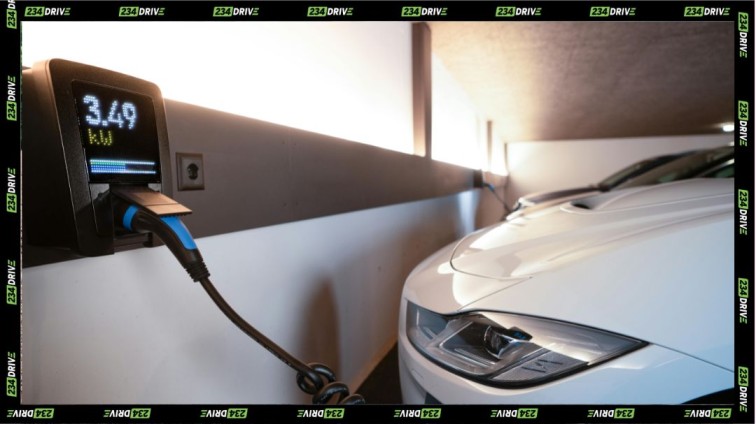
Once the capacity is verified, a dedicated circuit must be run from the main panel to the parking spot. This circuit must be independent. Sharing a line with a deep freezer or a security lighting system is a violation of international IEC standards and a primary cause of tripped breakers. Owners use high-quality, 6 mm² or 10 mm² copper cabling, depending on the distance from the DB. In our tropical heat, undersized cables will overheat, leading to voltage drops and reduced charging efficiency.
Technical Electrical Requirements For The Nigerian Grid
Nigeria’s standard residential supply of 230V at 50Hz is theoretically well-suited for Level 2 chargers. However, the reality of the grid characterised by low-voltage ‘brownouts’ and high-voltage surges requires specific hardware protections and a clear understanding of technical electrical details to prevent equipment failure.
A dedicated breaker is the first line of defence. For a 32A charger, a recommended 40A Type B or Type A RCD (Residual Current Device) should be used. This protects the vehicle’s sensitive onboard charger from ground faults. Furthermore, surge protection is non-negotiable. In a landscape where lightning strikes and grid fluctuations are common during the rainy season, a surge protection device (SPD) is the only thing standing between a ₦50,000 ($35) fuse and a ₦2,000,000 ($1,428) onboard charger replacement.
Grounding, or ‘earthing’ in local lingo, is where most Nigerian installations fail. EVs are incredibly sensitive to earthing quality. If your property’s earth resistance is too high, the vehicle will frequently throw a ‘charging fault’ and refuse to draw power.
Cost Breakdown: Capital Expenditure Versus Operating Savings
The financial audit of home charging involves a significant upfront investment, but the operating expenditure (OPEX) provides the most compelling argument for the switch. A professional installation cost breakdown typically includes labour, high-gauge cabling and the protective hardware required for the Nigerian grid.
A quality Level 2 charging unit in 2026 costs between ₦500,000 ($357) and ₦1,500,000 ($1,071), depending on whether it is a ‘dumb’ plug or a ‘smart’ Wi-Fi enabled unit that allows for scheduled charging. The professional installation, including high-gauge cabling, breakers and labour, typically adds another ₦250,000 ($178) to ₦600,000 ($428). In total, a robust home setup settles around ₦1,200,000 ($857).
However, the savings per kilometre are transformative. Based on current Band A tariffs of roughly ₦225 ($0.16) per kWh, a 50 kWh charge costs approximately ₦11,250 ($8.03). This provides roughly 350 km of range. To cover the same distance in a petrol SUV consuming 10L/100km at ₦1,350 ($0.96) per litre, you would spend ₦47,250 ($33.75).
The math is unmistakable: you are saving ₦36,000 ($25.71) per full charge. For a driver covering 15,000 km annually, the home charger pays for itself through fuel savings in less than 14 months. This does not even account for the 60% reduction in maintenance costs, as EVs eliminate oil changes, spark plugs and multi-speed transmission services.
Safety Considerations For The Nigerian Environment
Safety in EV charging is about more than just wiring; it is about environmental resilience. Our rainy season provides a unique challenge for outdoor installations. Every unit installed in an exposed parking lot must have an IP65 or IP66 rating to ensure it is dust-tight and protected against heavy water jets.
Dust accumulation in charging ports is a significant issue in Northern Nigeria or during the Harmattan season in the South. This can lead to poor connections and arcing. Regular inspection of the charging gun and the vehicle’s inlet is essential.
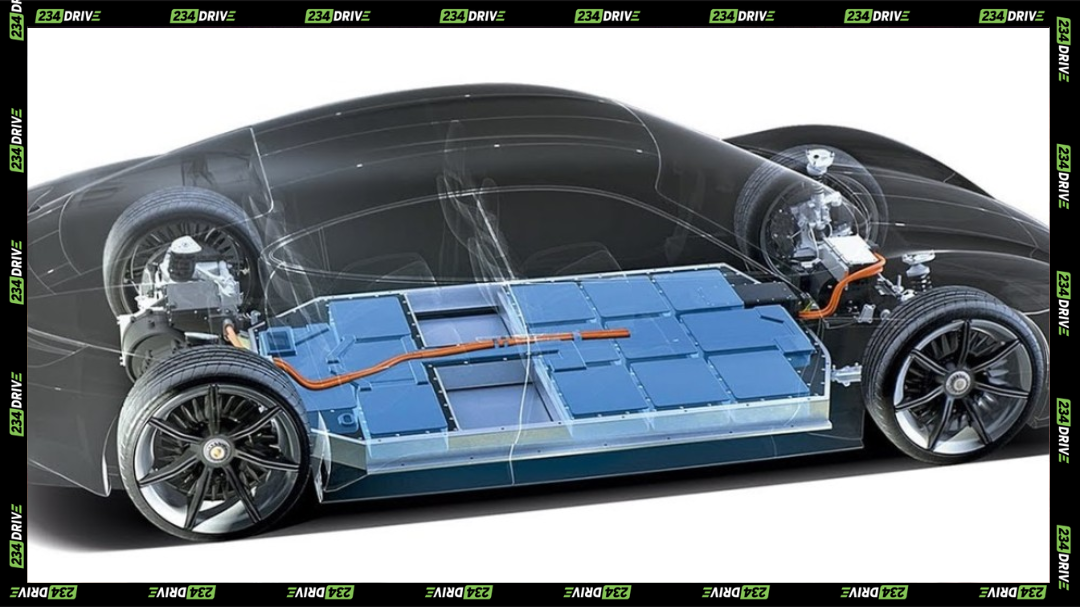
Finally, never use extension cords or multi-plug adapters. The heat generated by a 32A draw will melt standard household extensions within minutes. The connection between the wallbox and the vehicle must be direct and via the manufacturer-approved cable only. Failure to adhere to these safety protocols invalidates the warranty of the vehicle’s lithium-ion battery pack, which is the most expensive component of the machine.
Viability For The Typical Nigerian Home
The ultimate question of viability rests on the stability of the grid. If you live in an area with four hours of power a day, a home EV charger is a liability unless it is paired with a solar hybrid system.
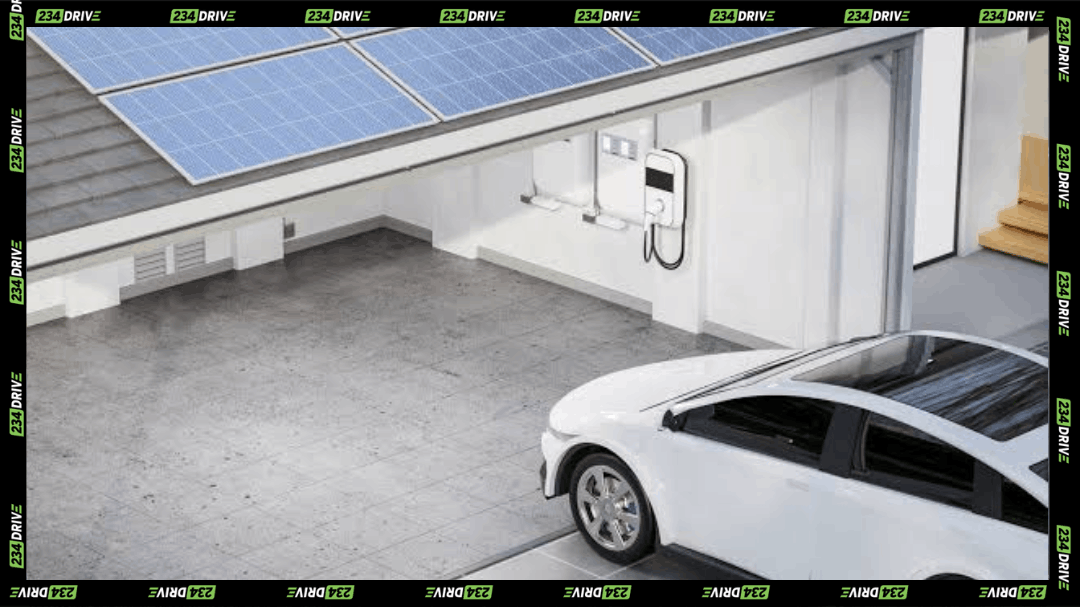
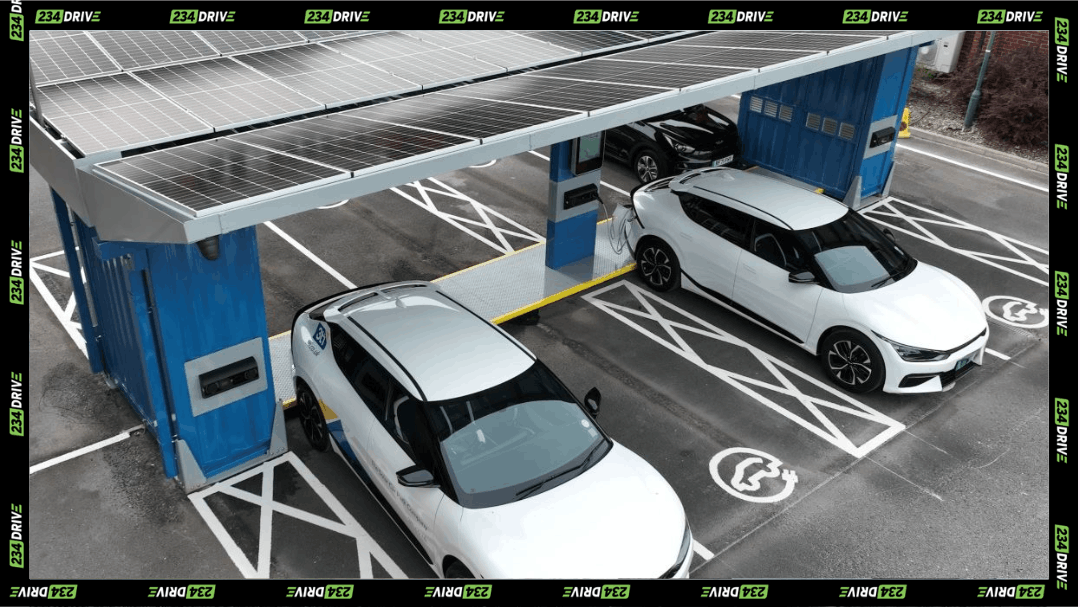
The synergy between solar power and EVs is the ‘holy grail’ of African mobility. Nigeria’s abundant sunshine allows for a Solar-to-Vehicle (S2V) strategy where the car acts as a secondary battery for the home. A minimum 5 kW solar array should be used to ensure that your mobility is independent of both the petrol pump and the national grid. Those already using lithium-based inverter systems for home backup are the best-positioned candidates for EV adoption.
For urban professionals in Lagos, Abuja or Port Harcourt who have dedicated parking and stable home power (or solar), the viability is high. The infrastructure is improving, the policy environment is becoming more favourable with the 2025 Green Mobility Bill and the economic incentives are too large to ignore. In properties where grid access is limited to night-time hours, smart chargers can be programmed to engage only when the grid is active, ensuring that domestic batteries remain charged for household essentials.
Final Verdict
Home charging is the foundation of the electric vehicle experience. It removes the anxiety of the ‘petrol station queue’ and replaces it with the convenience of an overnight refill. While the initial capital expenditure of ₦1,200,000 ($857) may seem steep, it is a one-time fee for a decade of energy independence.
The DIY approach in Nigeria should be focused on the DIY audit of your home’s electrical health. Know your voltage, know your grounding quality and know your daily mileage. If you manage the installation with the rigour the technology deserves, the EV becomes the single most intelligent mobility move in the 2026 economy.
A successful installation is not measured by the speed of the charge, but by the safety of the connection. By engaging certified professionals and insisting on high-quality protective hardware, Nigerian EV owners can bypass the structural failures of our traditional energy landscape.
Are you planning to integrate solar into your home EV setup, or are you relying on the grid? Share your technical concerns in the comments below.