
The global automobile market is entering another busy product cycle, with several familiar models due for significant updates. Some are getting complete redesigns, others new powertrain options, while a few are receiving equipment changes. For Nigerian motorists, launches in major international markets can eventually shape the choices available through local importers and dealers.
A model introduced in the United States, Europe or Asia may take months or longer to become readily available in Nigeria. Many buyers also favour relatively recent used vehicles over premium-priced new ones, making a 2027 model more realistic once examples enter the used-car market.
The distinction between a model year and a calendar year matters. A 2027 model may reach dealerships before January 2027, while a vehicle launched during 2027 may carry a 2028 model-year designation. A facelift updates an existing generation; a complete redesign introduces a new one.
This list covers twelve models relevant to Nigerian buyers, particularly those considering Toyota, Honda, Hyundai, Kia, Nissan, BMW, Mercedes-Benz or Jeep. Some updates are manufacturer-confirmed; others remain projections based on industry reporting.
1. Toyota Corolla
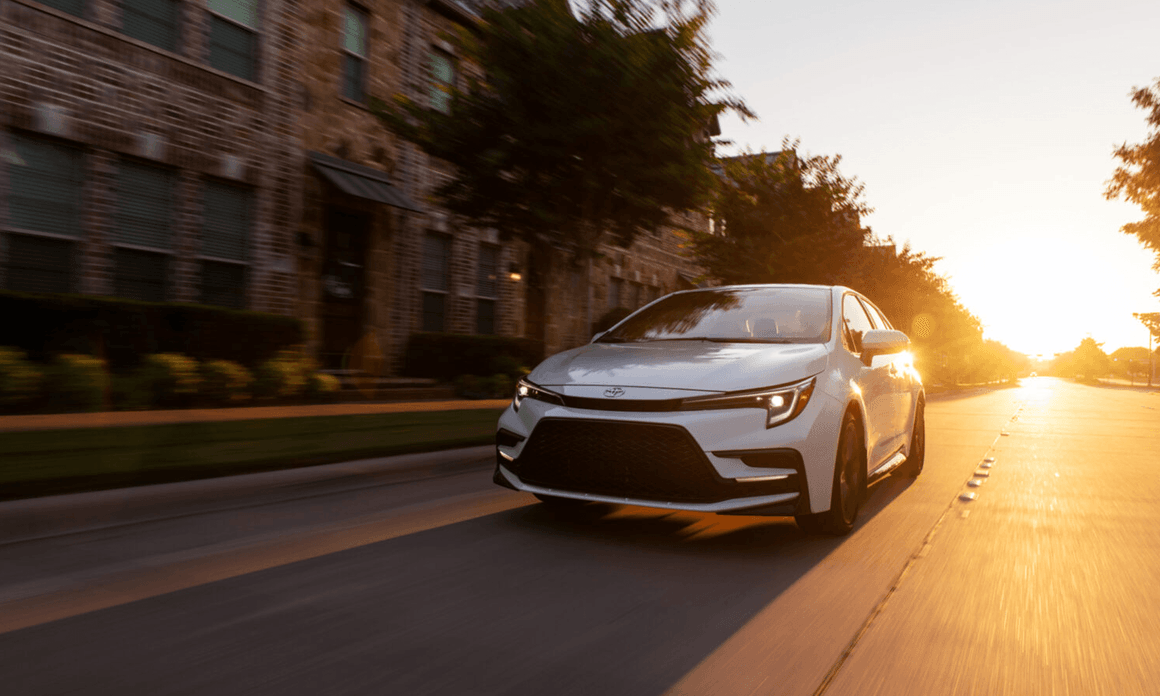
The Toyota Corolla is a familiar choice in Nigeria, especially for buyers seeking an affordable used sedan for everyday commuting. The availability of mechanics and replacement parts for older generations supports its popularity. For more on the model’s local history, see our piece on the evolution of the Toyota Corolla in Nigeria.
The current generation has been on the market since 2018, and Toyota has updated it during its production run. Toyota has not officially confirmed a launch date for the next-generation Corolla, but industry reports suggest that a redesigned model could appear in 2027, potentially as a 2028 model. Reports suggest that the next car will reflect Toyota’s broader investment in electrified powertrains, with petrol, hybrid and plug-in hybrid options possible.
A broader hybrid offering could interest buyers seeking better fuel economy without moving directly to a fully electric vehicle. Toyota already sells hybrids in several international markets, but the versions available will depend on each market.
A new generation could affect the value and availability of existing Corollas as older versions become more accessible. Buyers should check a used car’s model year and specification rather than assume that every vehicle advertised as a 2027 model has the same equipment.
2. Toyota Hilux
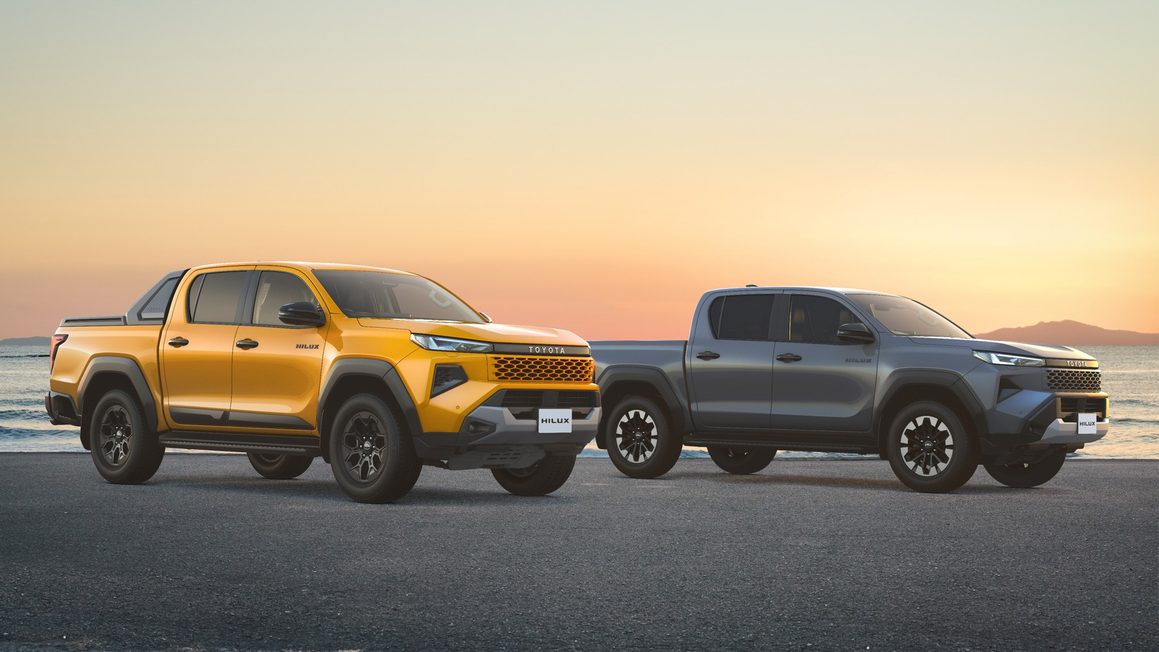
The Toyota Hilux occupies a different position from the Corolla. Businesses, construction companies, government agencies and private owners use this pickup truck for demanding work. Durability and practical utility have built its reputation, and its presence in Nigeria extends beyond personal ownership into commercial and institutional use.
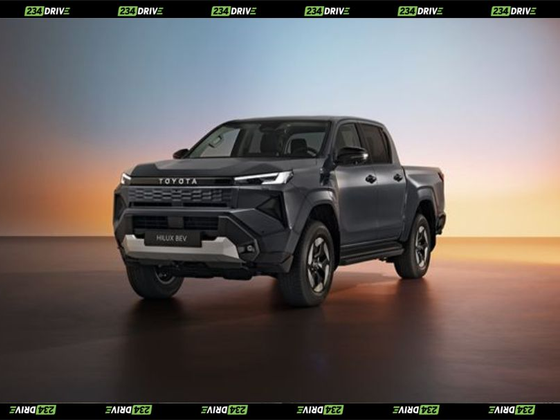
Toyota has already introduced a new generation of the Hilux, making this one of the more concrete developments on the list. Toyota unveiled the ninth-generation model in Thailand in November 2025, describing it as a vehicle it developed for different customer requirements across international markets. The company has also announced the redesigned Hilux in Japan, where it launched in May 2026. This means the model is already moving into selected markets ahead of 2027 rather than simply being an anticipated future release.
The new Hilux continues with the model’s established pickup format but introduces updated exterior styling and changes to its equipment. Toyota’s announcement for the Japanese market identifies a 1GD diesel engine, alongside improvements to driving performance, safety and connected functions. The wider Hilux programme also reflects Toyota’s multi-pathway approach to powertrains, as the company develops petrol, diesel and battery-electric options for selected markets. Buyers should not assume that Toyota will offer every version in every country.
The Nigerian relevance is straightforward. Buyers who need a pickup for work regularly consider the Hilux, and a new generation will eventually influence the selection of imported and locally available examples. Businesses replacing older fleet vehicles may also consider the updated model, depending on its price and the availability of the relevant engine and drivetrain configurations. Our 2025 analysis of best-selling cars in Nigeria offers further context on the vehicles competing for buyers’ attention locally.
3. Toyota Highlander
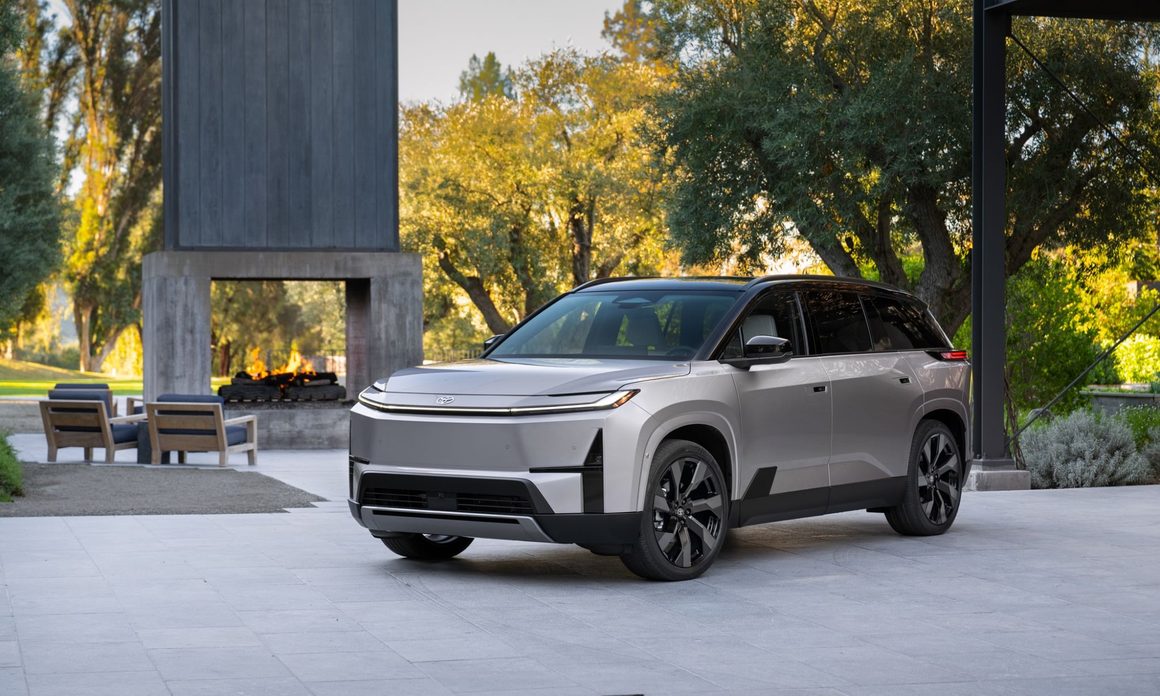
The Toyota Highlander is a popular choice for families needing more passenger space than a conventional sedan or compact SUV. Its three-row seating suits households that regularly travel with several passengers. Changes to the model matter in Nigeria, where it is well established in the used-import market. We have previously examined the appeal of the third-generation Toyota Highlander in the Nigerian market.
Toyota has confirmed a major change for the 2027 Highlander: the next version is an all-electric SUV. Toyota announced the new Highlander in February 2026 as its first three-row battery-electric vehicle for the United States market. It retains seating for up to seven passengers and introduces a new exterior design, a redesigned cabin and the company’s latest multimedia and safety systems.
Toyota says it will offer the new model in XLE and Limited grades, with front-wheel-drive and all-wheel-drive configurations available. A 95.8kWh battery powers the all-wheel-drive version, which has a manufacturer-estimated driving range of 320 miles. The vehicle also introduces vehicle-to-load technology, allowing it to supply power to external equipment through compatible accessories. Toyota expects sales to begin in late 2026 and continue into early 2027.
The electric powertrain is the biggest development, and it raises questions for buyers outside markets with established charging infrastructure. Nigeria’s charging network remains a practical consideration for anyone thinking about owning a fully electric vehicle. A large family SUV also requires careful attention to battery capacity, charging access and the cost of maintaining the vehicle over time.
The new Highlander may appeal sooner to buyers in markets with accessible home and public charging. In Nigeria, petrol and hybrid versions will remain important in the used-car market. Buyers should check the generation and powertrain, as the electric model differs substantially from the versions many already know.
4. Honda CR-V
The Honda CR-V is a direct alternative to the Toyota RAV4 and Highlander for buyers seeking a family SUV. Its practical cabin, comfortable ride and manageable size have made it familiar to Nigerian shoppers, particularly those considering imported compact and midsize SUVs
Reports suggest that Honda is planning a new CR-V generation, but its timing is uncertain. Reports from October 2026 say Honda has pushed production to April 2027 and suggest that the redesigned vehicle will arrive as a 2028 model rather than one widely available during the 2027 model year.
Reports also suggest that the next CR-V will place greater emphasis on hybrid technology. Reports suggest that Honda may move towards a hybrid-only configuration for some markets, although the company has not confirmed all the details. The current CR-V is already available with petrol and hybrid powertrains in selected countries, so the next generation is likely to build on technology that Honda has been developing across its passenger-car range.
The timing matters because the CR-V remains an important vehicle in Honda’s international line-up. A new generation could bring changes to its cabin layout, technology and driving characteristics, giving it a stronger position against newer versions of the RAV4 and other compact SUVs. The extent of those changes will become clearer when Honda makes an official announcement.
5. Honda Civic
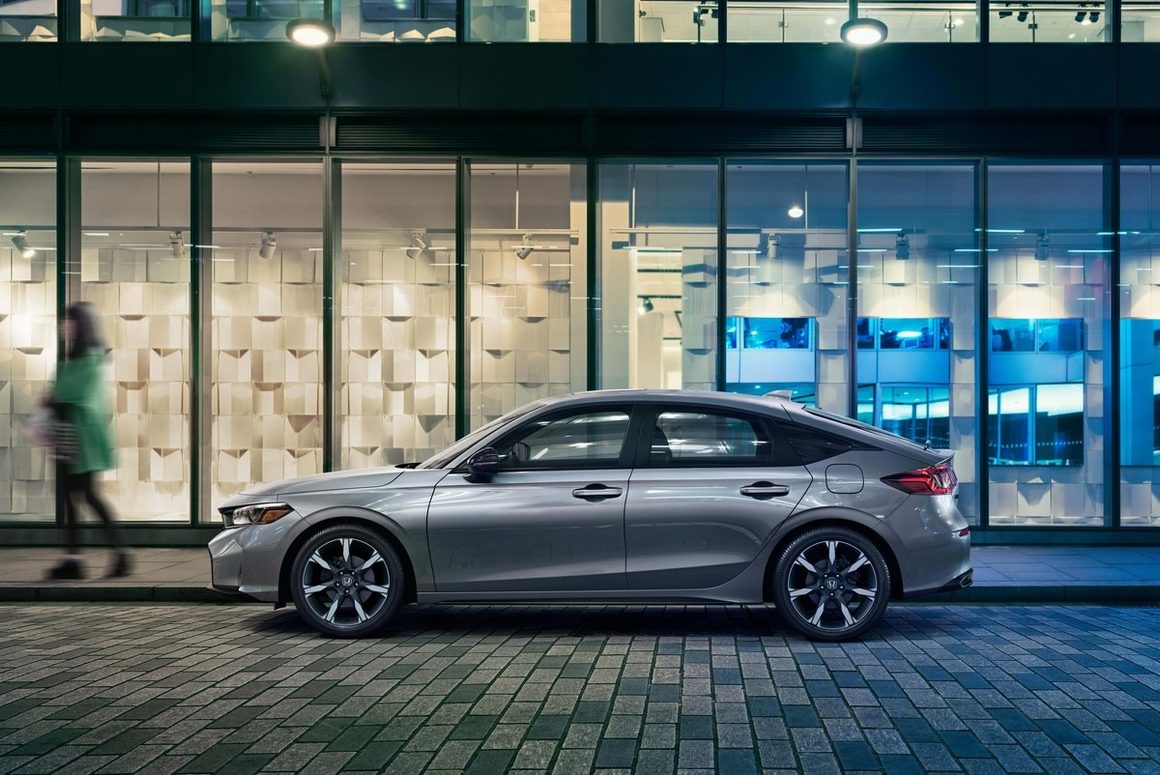
The Honda Civic has a different appeal from the CR-V. It is a compact passenger car that attracts buyers who want a sedan or hatchback with a more engaging driving experience than some conventional family cars offer. Its reputation also extends to enthusiasts, particularly through performance-oriented versions such as the Civic Type R. The Civic’s design history is also worth revisiting, particularly when comparing it with the Toyota Corolla’s.
The 2027 Civic is not an all-new generation. Honda’s announcement for the 2027 model year focuses on changes to the existing line-up, including the introduction of a new Sport-L trim. The trim adds features such as leather upholstery, power-adjustable and heated front seats, and dual-zone climate control. The Civic Sport Touring Hybrid also receives the S+ Shift drive mode, while the broader model continues with the sedan and hatchback body styles. Honda has published the details in its official 2027 Civic announcement.
Automotive reporting points to a more significant Civic redesign later, around the 2028 model year, although the full details and timing remain subject to confirmation. That means buyers looking at the 2027 Civic should understand that they are considering an updated version of the current generation, not necessarily the beginning of an entirely new design.
The Civic remains relevant in Nigeria as a compact car spanning everyday use and enthusiast motoring. Its appeal extends beyond the Type R, with regular sedans offering a modern interior and composed road manners.
6. Hyundai Tucson
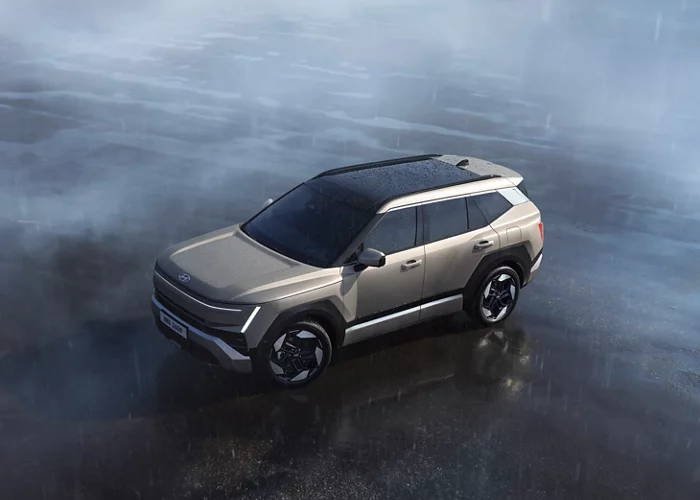
The Hyundai Tucson is one of the clearest examples of a vehicle receiving a major redesign for the 2027 model year. It has become an increasingly visible competitor in the compact SUV segment, challenging vehicles such as the Toyota RAV4 and Honda CR-V. Its combination of cabin space, modern equipment and relatively distinctive styling has helped it attract buyers who want an alternative to the more established Japanese options.
Hyundai has revealed the redesigned 2027 Tucson, with angular exterior styling and a substantially revised interior. Its Art of Steel design language brings sharper body lines and a more upright appearance, while Hyundai aims to improve passenger space by increasing its dimensions.
The interior receives a new infotainment system, with a choice of larger displays depending on specification. Hyundai has also announced petrol and hybrid powertrain options for the new model. The hybrid version is particularly relevant because it gives buyers an option that combines a conventional petrol engine with electric assistance, rather than requiring them to move directly to a fully electric vehicle.
Expectations point to the new Tucson reaching US dealerships in early 2027. Because the current model is familiar in Nigeria’s imported SUV market, the redesign could eventually broaden choices for buyers seeking a recent Tucson. Availability and pricing will depend on the markets supplying used vehicles to Nigeria.
The hybrid version will be worth examining closely if it becomes available through import channels. As with any hybrid vehicle, buyers should establish the condition of the battery system and understand the servicing requirements before making a purchase. A newer model may offer improved technology, but the cost of maintaining that technology should remain part of the buying decision.
7. Kia Sportage
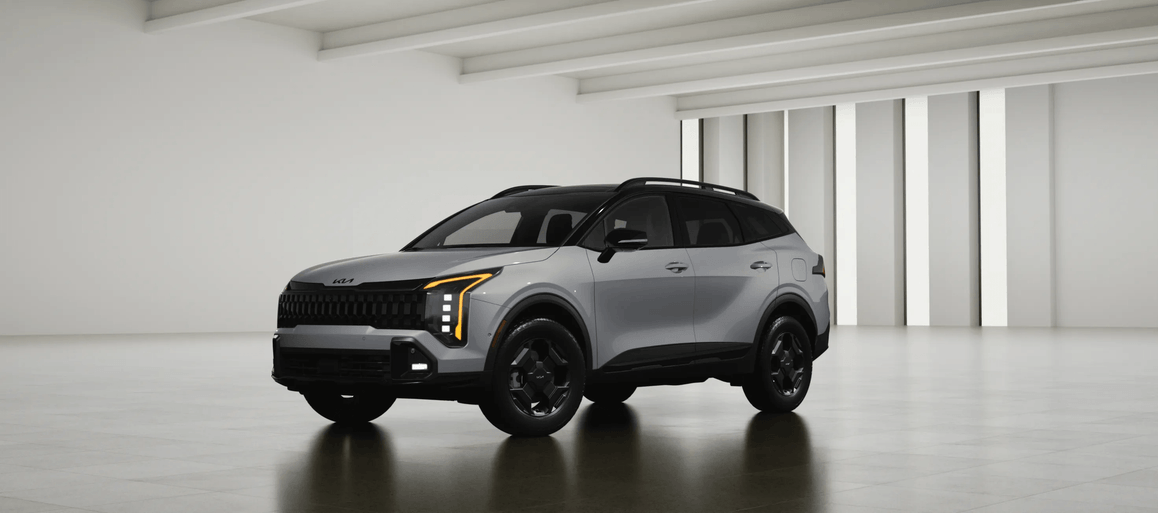
The Kia Sportage competes in the same compact SUV category as the Hyundai Tucson and Honda CR-V. It has become a familiar option for buyers who want a relatively modern SUV with a distinctive design and a well-equipped cabin. Its relationship with the Tucson is also worth noting because the two models share aspects of their engineering through the Hyundai Motor Group.
This list includes the Sportage because of its importance to Nigerian SUV buyers, but expectations do not point to a new generation for the 2027 model year. Kia overhauled it for the 2026 model year, and the following version will likely carry that design forward.
The 2026 update brought changes to the vehicle’s exterior and interior, along with adjustments to its equipment and technology. Kia continues to offer the Sportage with different powertrain options depending on the market, including conventional petrol and hybrid versions. Buyers should check the exact configuration of an imported vehicle rather than assuming that all Sportage models share the same engine or equipment.
For Nigeria, the Sportage remains relevant because it offers another option in a segment where buyers often begin their search with the RAV4, CR-V or Tucson. Its newer interior and updated technology may make recent models more attractive to people who want a vehicle that feels contemporary without moving into the premium SUV category.
The 2027 model is worth watching as the recently updated Sportage continues into another model year. Compare it with the Tucson, where similar powertrains are available; purchase price, maintenance history and local parts availability may matter more than minor equipment differences.
8. Nissan Rogue / X-Trail
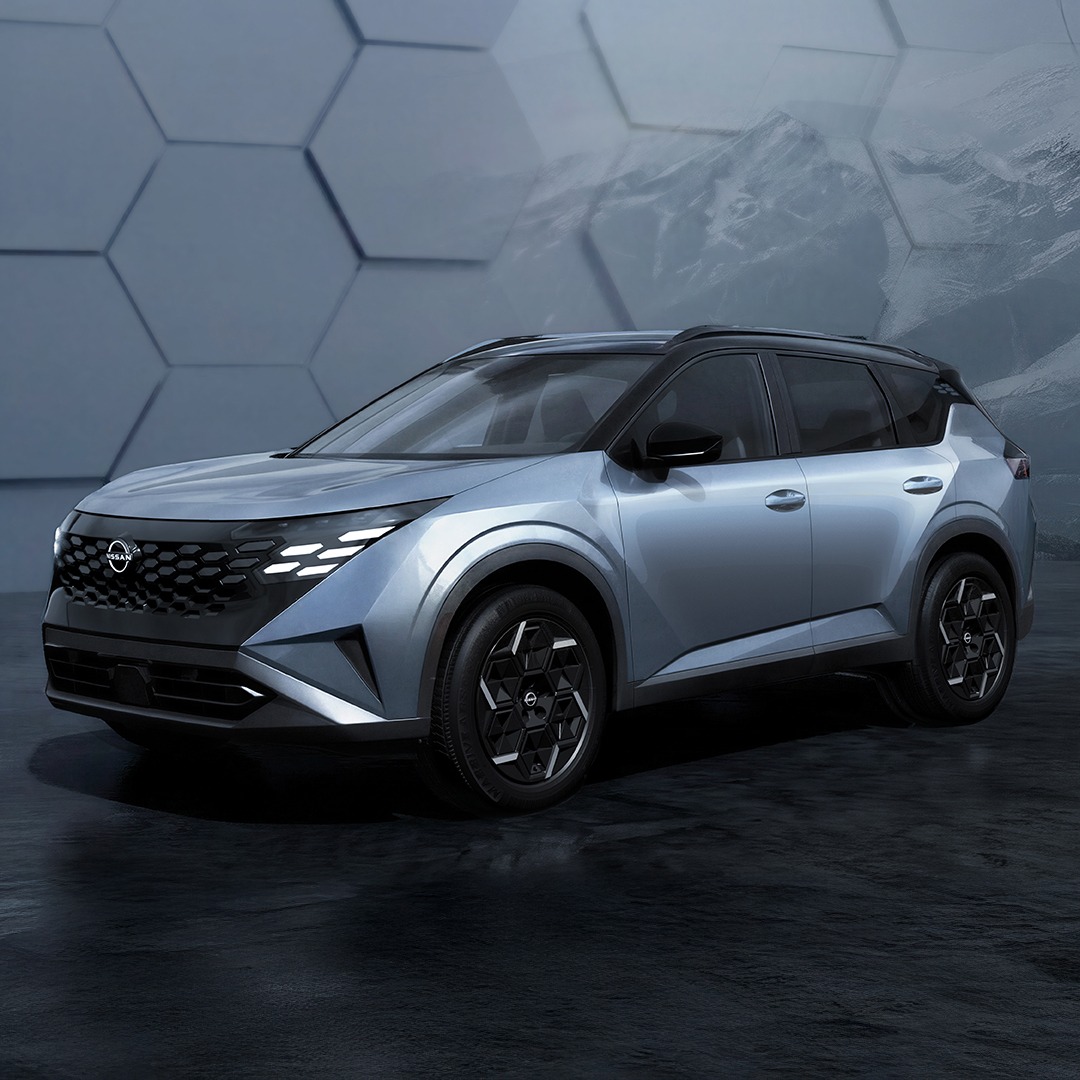
The Nissan Rogue, which carries the X-Trail name in several international markets, is an important compact SUV in Nissan’s global line-up. It is a familiar choice for buyers who want a practical family vehicle with a relatively spacious cabin. In Nigeria, the X-Trail name is particularly recognisable, although the exact vehicle specifications can differ depending on which market supplied the import.
Nissan has confirmed an all-new 2027 Rogue for North America, introducing the model with its e-POWER hybrid technology. The new vehicle has a redesigned exterior and interior, with Nissan placing considerable emphasis on the way the hybrid system delivers power. Unlike a conventional hybrid in which the petrol engine can drive the wheels directly, the e-POWER system uses the petrol engine to generate electricity while electric motors drive the wheels.
With this arrangement, Nissan aims to provide an electric-motor driving experience without requiring the owner to plug the vehicle into an external charging point. Nissan has used the system in other models, and its introduction to the Rogue is a major development for the nameplate. Nissan has also announced that the new Rogue will begin reaching US dealerships in late 2026.
The distinction between the Rogue and X-Trail is important for Nigerian buyers. Although Nissan uses both names for vehicles within its broader compact SUV family, regional versions can differ in styling, powertrain and equipment. The arrival of a new Rogue in North America does not automatically mean that every X-Trail market will receive an identical vehicle at the same time.
For buyers importing used SUVs from the United States, the new Rogue could eventually become an option. Those considering an X-Trail from another market should verify its specifications and powertrain. The e-POWER system also makes servicing support an important factor in long-term ownership costs.
9. Nissan Navara
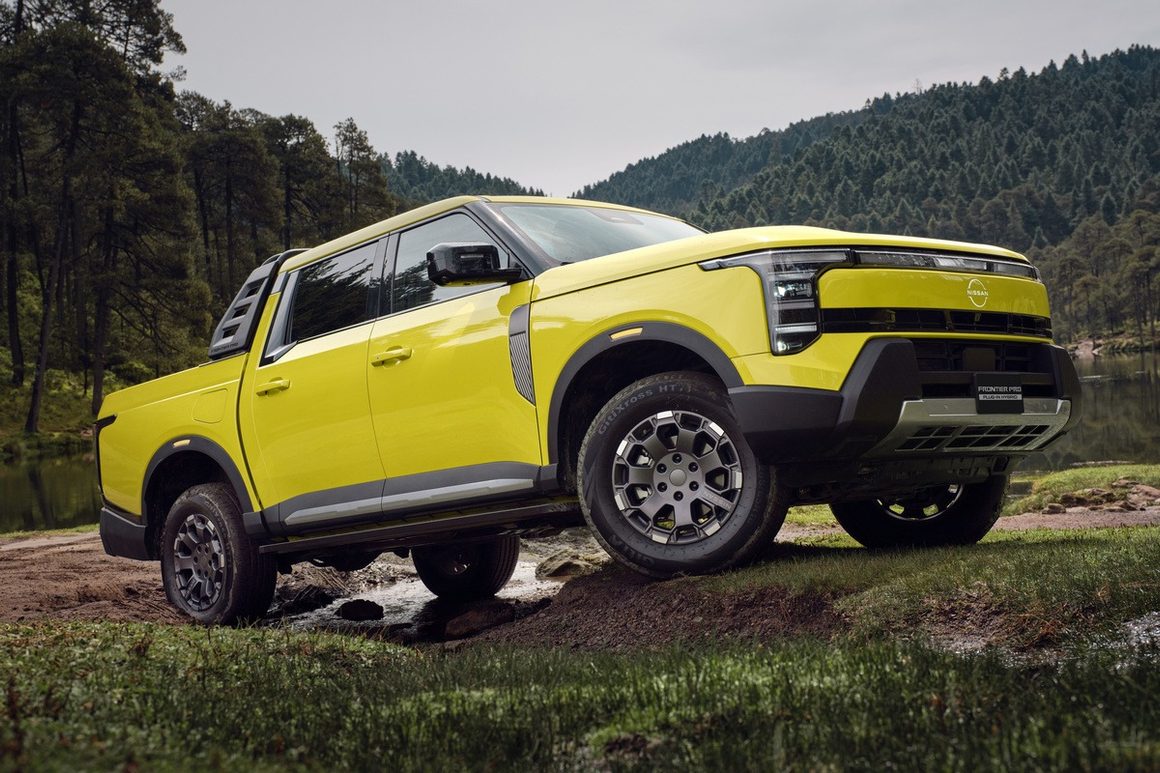
The Nissan Navara is another model worth watching, particularly for buyers who need a pickup truck for commercial or personal use. It competes in a segment where the Toyota Hilux has a strong reputation, and its appeal comes from the combination of load-carrying ability, passenger accommodation and the practicality buyers expect from a working pickup.
Nissan has introduced a new generation of pickup models under its Frontier Pro and Navara Pro names. The vehicles are part of a broader programme that Nissan developed through Zhengzhou Nissan, with powertrain options that include internal-combustion and plug-in hybrid configurations. Nissan says it aims to combine everyday practicality with the durability buyers expect from its commercial vehicles in the new pickup family. The company has outlined the development in its Frontier Pro and Navara Pro announcement.
The rollout is market-specific. Nissan has outlined plans for sales in Mexico and other Latin American markets and has also scheduled the Navara Pro for selected markets in the Middle East and the Asia-Pacific region. Expectations point to the vehicle reaching right-hand-drive markets such as Australia and New Zealand in 2027. This does not establish a confirmed Nigerian launch date.
The Navara matters to Nigerian buyers who need a pickup for commercial or personal use, from transporting equipment to carrying loads beyond an SUV’s capacity. A new generation could offer another option when replacing older pickups.
The plug-in hybrid version is also worth watching, although its suitability will depend on availability, servicing support and the cost of maintaining the electrical components. For Nigerian buyers, the most important consideration will be which version reaches the market and whether its specifications are suited to the kind of work expected from a pickup.
10. BMW X5
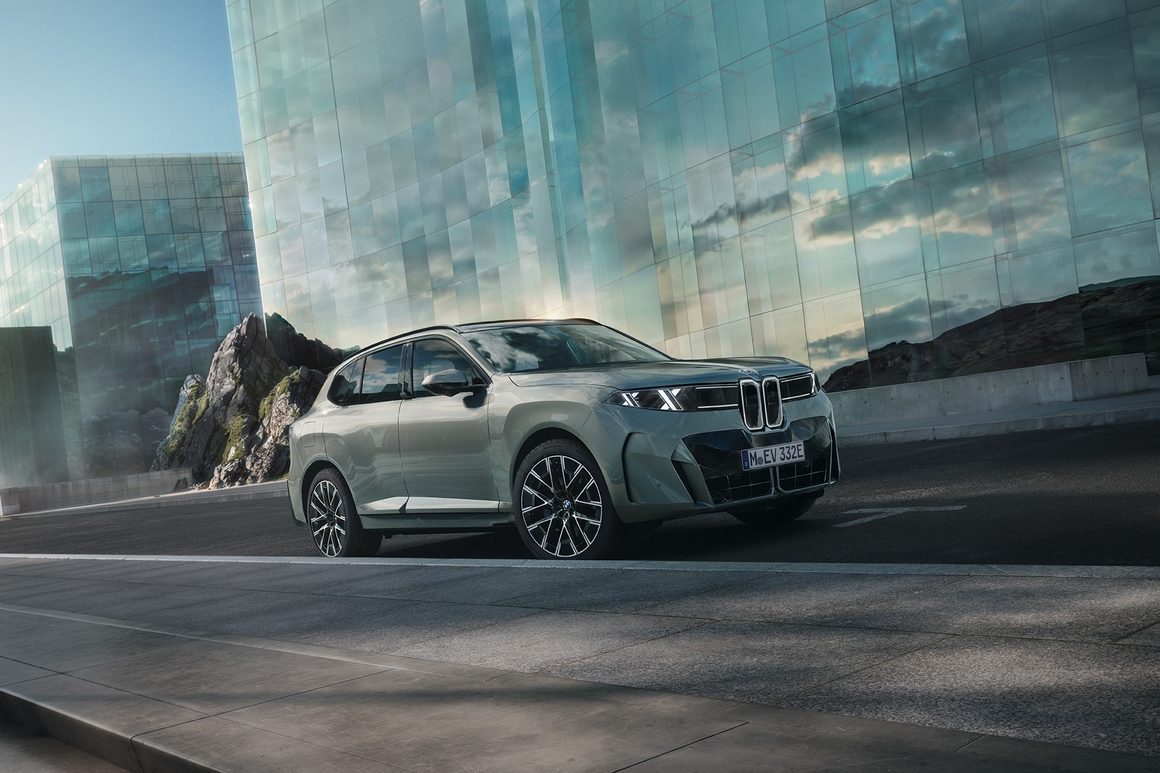
The BMW X5 has long been one of the most recognisable premium SUVs in Nigeria. It attracts buyers who want a large luxury vehicle with a strong road presence and the driving characteristics they associate with BMW. The model is also common in the used-import market, where different generations appeal to buyers across a range of budgets.
BMW has confirmed the next-generation X5, making it one of the most significant launches on this list. BMW announced the fifth-generation model in June 2026, introducing a wider range of powertrain options than its predecessor. These include conventional combustion engines with 48-volt mild-hybrid technology, a plug-in hybrid and, for the first time, a fully electric version called the iX5.
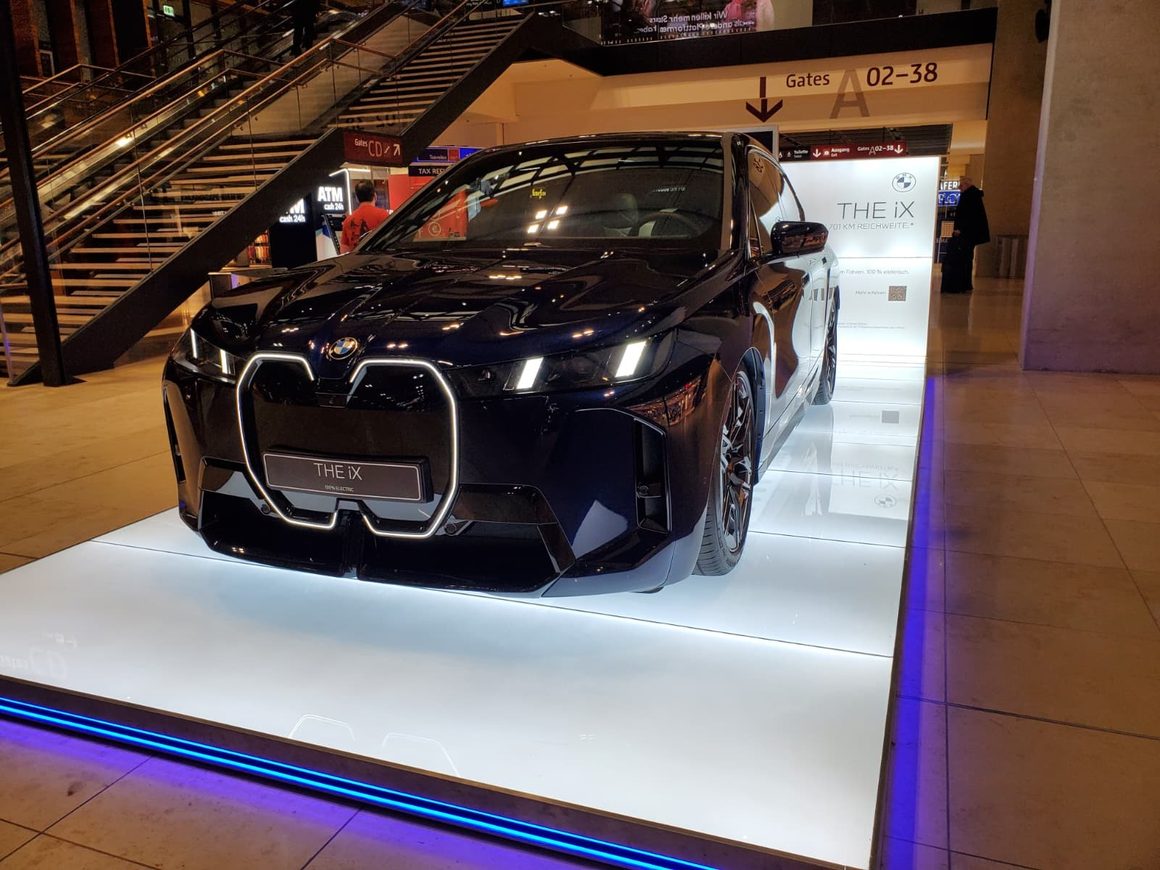
The electric iX5 is a particularly important addition. BMW says the iX5 60 xDrive uses its sixth-generation eDrive technology and an 800-volt electrical architecture. The manufacturer has published a preliminary estimated range of 435 miles for the model, although actual range will vary according to driving conditions and other factors. The new X5 also adopts technology from BMW’s Neue Klasse programme, including a redesigned digital user interface.
The expected rollout begins in October 2026, with additional versions arriving during the first quarter of 2027 and later in the year. This means the new X5 is not simply an anticipated redesign. BMW has already presented the vehicle and outlined its initial market schedule.
For Nigerian buyers, the new X5 will add to the premium petrol and electric SUV choices. Conventional versions may suit those relying on existing refuelling infrastructure, while the iX5 requires reliable charging. Price, specialist servicing and replacement-parts access will shape ownership in Nigeria.
The new generation may also affect interest in earlier X5s. Buyers considering a used example should check the engine, transmission, electronics and service history, since neglected luxury SUVs can be costly to repair.
11. Mercedes-Benz GLC
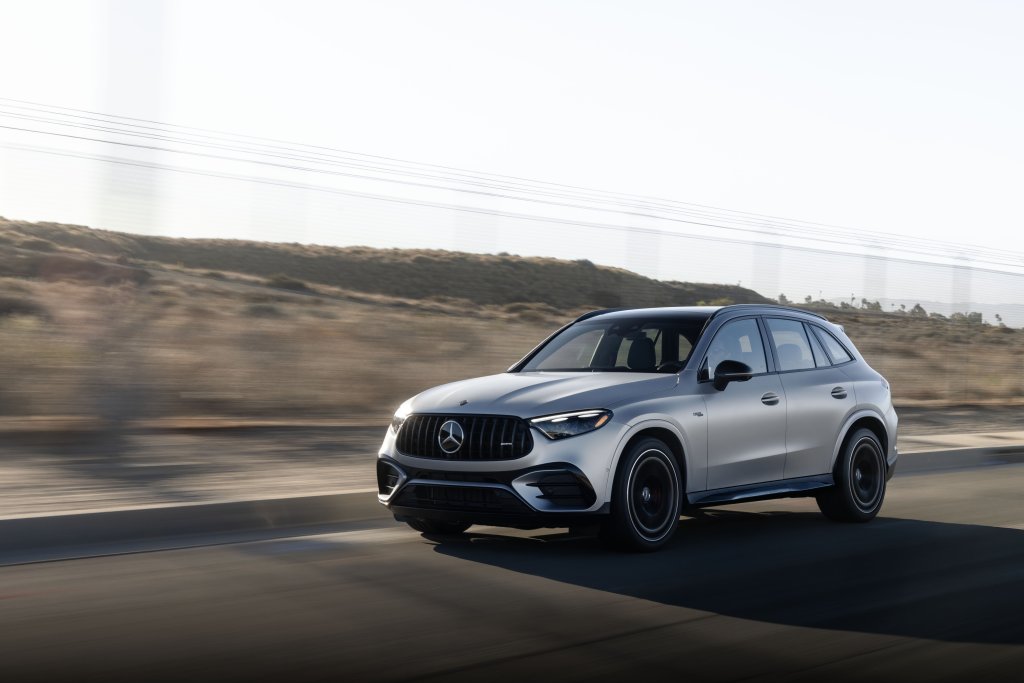
The Mercedes-Benz GLC is an important model in the brand’s SUV range. It appeals to buyers who want a premium compact SUV without moving up to the larger GLE or GLS. Its size makes it more manageable for everyday use than some of Mercedes-Benz’s bigger SUVs, while its interior and equipment offer the features buyers expect from the brand.
Reports suggest that the combustion-powered GLC will receive a mid-cycle update for 2027 rather than a complete generational redesign. Reports drawing on test vehicles point to changes around the front and rear styling, including revised lighting and bumper details. They also suggest that the updates will extend to the vehicle’s technology, although the full specification will depend on the market.
Mercedes-Benz has also outlined updates for the 2027 GLC range in the United States. These include additional standard equipment such as a 360-degree camera and driver-assistance features on specified versions. The company is also introducing the all-electric GLC 400 4MATIC, which is a separate and more substantial development in the GLC family.
The electric model uses an 800-volt architecture and a 94kWh battery, with Mercedes-Benz quoting an estimated range of up to 350 miles under the US EPA testing cycle. It also features a new infotainment system and updated driver-assistance technology. Buyers should distinguish this electric vehicle from the combustion-powered GLC receiving the mid-cycle update, as they are not simply different engine versions of an identical vehicle.
12. Jeep Grand Cherokee
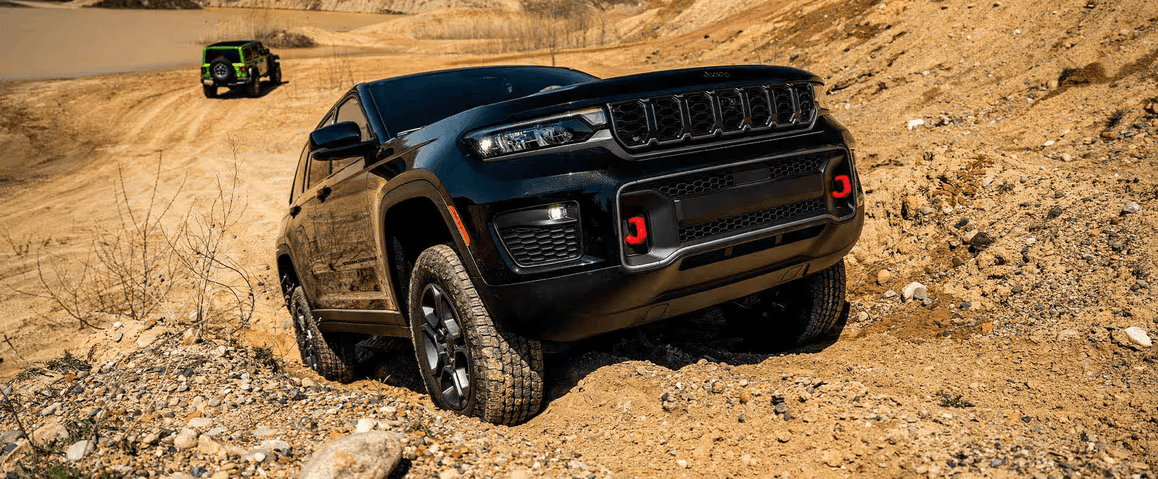
The Jeep Grand Cherokee has a distinct position among premium SUVs because of its association with off-road capability and larger family transport. It is particularly visible in the used-import market, where its size, cabin space and the equipment available on higher trim levels attract buyers. The model also has a stronger focus on terrain capability than many crossovers whose designs primarily favour road use.
The 2027 Grand Cherokee is receiving updates, but it is important to describe them accurately. Jeep’s announcement for the model year focuses on an expanded trim line-up, including the return of the Trailhawk and the addition of Overland and Upland versions. The company has also outlined changes to the available engine range and equipment.
The 2027 line-up includes a 3.6-litre V6 on selected versions, while higher trims receive the 2.0-litre Hurricane turbocharged four-cylinder engine. Jeep has also highlighted the Grand Cherokee’s available ground clearance and off-road geometry, particularly on versions intended for more demanding terrain. Jeep aims to extend the vehicle’s appeal with these changes rather than introduce an entirely new generation.
The Grand Cherokee remains an option for Nigerian buyers seeking a large SUV with a different character from the Highlander or CR-V. Its off-road hardware may suit owners travelling beyond paved urban roads, though its size and running costs warrant consideration.
The 2027 updates will be worth following as the new versions enter international markets. Buyers should also pay attention to each vehicle’s trim level and engine. The Grand Cherokee name covers several configurations, and the equipment on a base model can differ considerably from what is available on a higher specification.
What These 2027 Updates Mean for Nigerian Car Buyers
The twelve vehicles on this list do not all represent the same kind of development. Toyota, Hyundai, Nissan and BMW have confirmed or announced significant new-generation developments for the Hilux, Highlander, Tucson, Rogue and X5. The Nissan Navara is also moving into a new generation, although Nissan has linked its rollout to selected international markets. Reports suggest that Honda will give the CR-V a major redesign, but its timing has reportedly shifted, while the Corolla’s next generation remains an anticipated development.
Other models are receiving more limited changes. The 2027 Honda Civic adds equipment and a new trim rather than introducing an entirely new generation. Kia substantially updated the Sportage for 2026, so the 2027 model will likely continue without another full redesign. The Mercedes-Benz GLC is preparing for a mid-cycle update, while the Jeep Grand Cherokee’s 2027 changes centre on its trim range and equipment.
For Nigerian buyers, the distinction between a facelift and a new generation can affect interior design, engines, safety equipment and parts availability. It may also influence the prices of older versions as newer models enter the market. The used-import market will shape when these vehicles reach Nigeria and at what price. An international launch does not guarantee immediate local availability: import costs, exchange rates, shipping, duties and the supply of suitable used examples all matter.
Powertrain suitability also matters. As hybrid and electric options expand, buyers should weigh servicing expertise, replacement components and supporting infrastructure alongside fuel economy or range. This is especially relevant to the electric Highlander and BMW iX5, and to hybrid versions of the Tucson and Rogue.
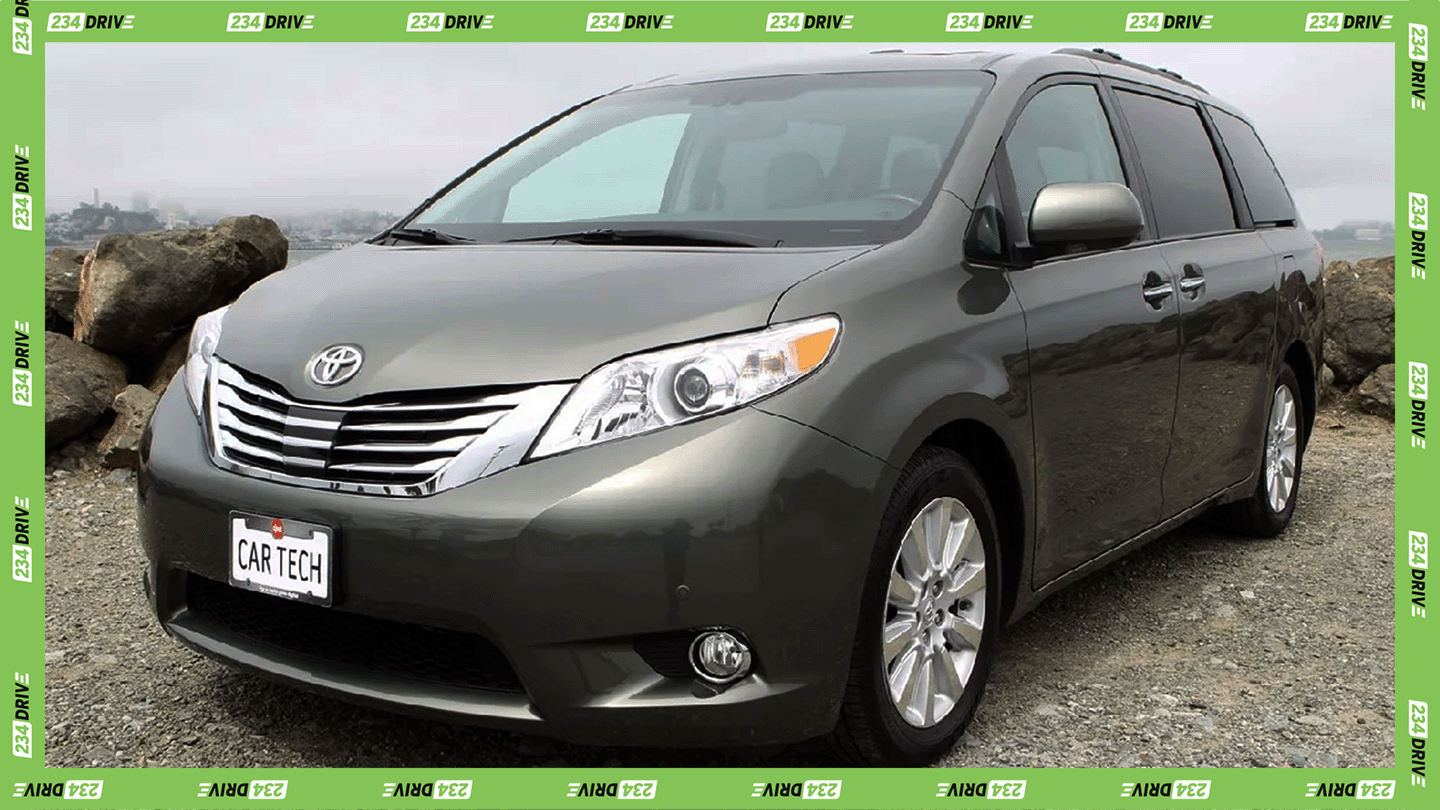
The best approach for anyone planning to buy in 2027 is to follow the exact version of the vehicle they intend to purchase. Model names can remain the same while engines, transmissions and equipment differ across regions. A US-specification vehicle may not be identical to one that dealers sell in the Middle East or Europe, even when both carry the same model-year designation. Buyers can also refer to our Toyota Sienna review and buying guide for an example of why the specific vehicle, its condition and its equipment matter when buying imported cars.
The 2027 cycle will expand the options Nigerian buyers can consider, though newer generations may matter most when they reach the used-car market. Knowing what changed can help buyers judge whether a newer model justifies its higher cost or an earlier generation is the more sensible choice.