
By May 2026, a South African walking onto a dealership floor to negotiate for a three-year-old vehicle found themselves in an unusual position: they had the leverage.
After years of supply constraints and rising price tags, the data tracking South Africa second hand car growth reveals a market that has fundamentally shifted. Volumes are up, choices are expanding and for the first time since the pandemic disrupted global supply chains, prices are facing downward pressure. It is no longer a market dictated by what dealers can source. It is a market dictated by what buyers are willing to pay.
The foundation for this shift was laid during a record-breaking previous year. AutoTrader’s annual car industry report confirmed that 383,410 used vehicles changed hands on the platform in 2025. This generated a massive transaction value, as used sales topped R160bn to secure a 7% year-on-year increase.
Yet, beneath that headline growth, a structural transformation was already underway. The rules of vehicle ownership in the continent’s most developed auto market are being rewritten by high interest rates, aggressive new entrants from Asia and a digital retail model that is squeezing out informal traders.
Here is what the data reveals about how South Africans are buying cars today and why the balance of power has tipped.
The China Effect Reaches the Used Lot
You cannot understand the used vehicle landscape in 2026 without looking at the new vehicle showroom in 2025. Last year, South Africa recorded a 15-year high in new light-vehicle sales, pushing past 596,000 units. That boom was heavily driven by Chinese automakers.
Brands like Haval, Chery, Jaecoo and GWM moved from being budget alternatives to capturing nearly 15% of the new passenger market. They offered crossover SUVs with heavy technology packages and long warranties at prices that directly undercut established European and Japanese models.
Those vehicles operate on a two to three-year trade-in lag. By mid-2026, the first major wave of these Chinese models hit the pre-owned market. On platforms like AutoTrader, searches for Chinese brands spiked by 48% in 2025, while sales rose by 49%.
This influx of near-new inventory created a ceiling on used prices. When a buyer can finance a brand-new Chery Tiggo 4 Pro for roughly R350,000, dealers cannot easily demand R400,000 for a five-year-old Volkswagen Tiguan with 90,000 kilometres on the clock. The result is mild but persistent used-price deflation, which averaged a 1.9% drop through late 2025 and continued into May 2026 as average transaction prices slipped to R415,652.
The Finance Flip
For years, the South African retail rule of thumb was simple: roughly three used cars were sold for every new car. In terms of sheer volume and NaTIS registrations, used vehicles still dominate. But look at where the credit is flowing and a different picture emerges.
By the end of 2025, the ratio of used-to-new vehicle asset finance originations dropped below parity. For the first time in recent memory, banks financed more new cars than used ones.
This is a direct consequence of the affordability crisis. The prime lending rate held firm at 10.50% following a hike in May 2026. To keep monthly instalments manageable, 56.4% of consumers opted for 72-month or longer loan terms. Banks are far more willing to extend these six-year loans on new cars with active warranties than on older used stock.
The brief injection of liquidity from the Two-Pot retirement system withdrawals in late 2024—which released an estimated R60 billion into the economy—created a short-term deposit window for used car buyers. Once that capital was absorbed, the market returned to its fundamental constraint: the monthly instalment. Buyers are aggressively migrating toward value.
What South Africans Actually Buy
Despite the shifts in financing, the top of the sales charts remains fiercely traditional. The South African used car market is defined by two distinct vehicle types: the lifestyle bakkie and the mass-market hatchback.
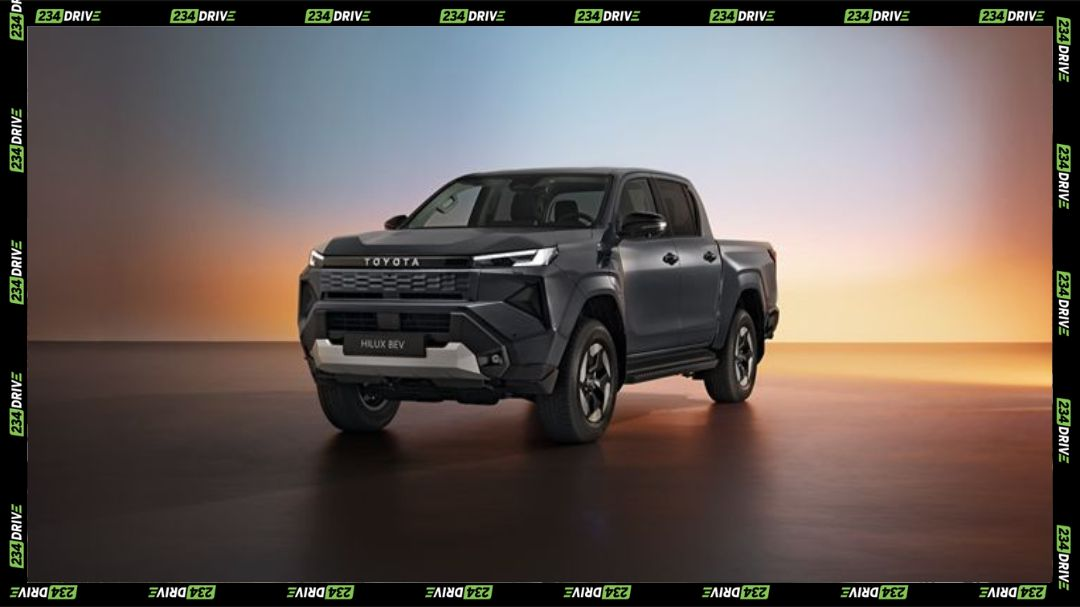
The Ford Ranger was the undisputed leader of 2025, moving 22,561 units at an average price of R489,377, closely followed by the Toyota Hilux. In South Africa, a late-model double-cab bakkie is essentially liquid currency. Buyers who refuse to absorb the crushing initial depreciation of a new R800,000 bakkie gladly purchase them second-hand, letting the first owner take the financial hit.
At the other end of the spectrum is the Volkswagen Polo Vivo. Moving over 15,000 units at an average price of R206,445, it is the quintessential workhorse of the urban commute. However, it is facing fierce competition. The Suzuki Swift emerged as the fastest-selling used car in the country, spending an average of just 26 days on a digital lot before finding a buyer. By May 2026, compact hatches like the Hyundai Grand i10 saw staggering 71.4% year-on-year sales spikes.
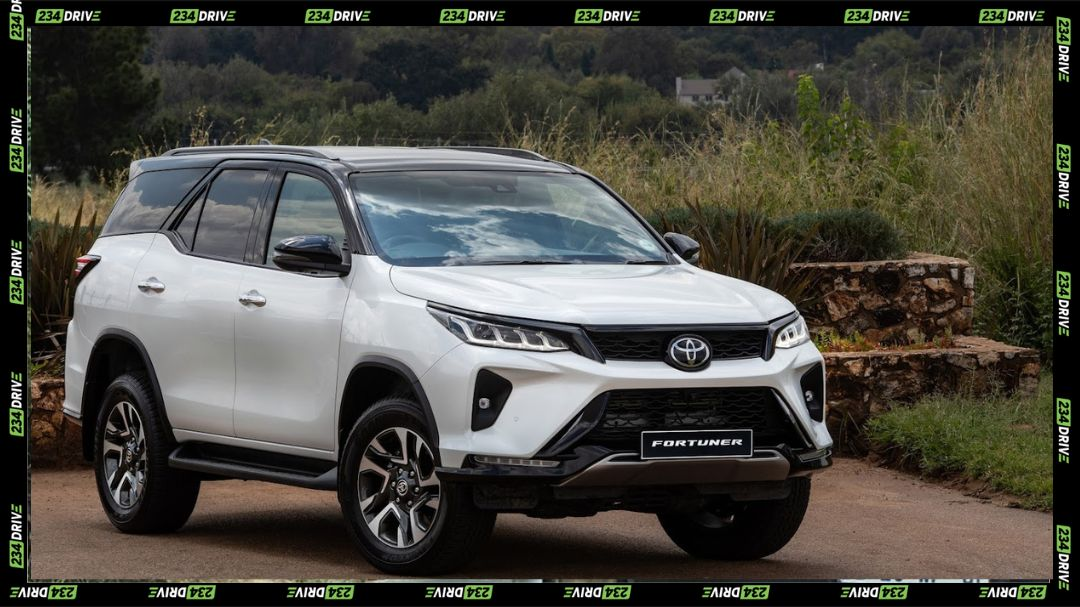
Conversely, large diesel SUVs are losing their priority status. The Toyota Fortuner saw a 21.8% year-on-year drop in sales volume within the top ten by mid-2026. Buyers are increasingly prioritising fuel efficiency over sheer size.
The Supermarket Retail Squeeze
The informal used car yard is slowly being replaced by data-driven digital supermarkets. WeBuyCars is the dominant scale player in this transition.
According to their recent annual financial results, the company bought 180,576 vehicles and sold 179,006 units in the 2025 financial year, generating R26.4 billion in revenue. They are targeting a massive 23,000 vehicle throughput per month by 2028.
But even scale cannot entirely protect against a changing market. The influx of cheap new cars and the resulting used-price deflation have actively compressed dealer margins. To keep metal moving in 2026, large retailers have been forced to cut selling prices on competing stock. While this creates a short-term earnings dip, industry leaders view it as a necessary correction. Today’s cheap new vehicles eventually become tomorrow’s high-volume used inventory.
The Grey Import Threat
Unlike many African nations that rely on Japanese or European auction imports, South Africa operates a closed system. Commercial used-car imports are strictly prohibited to protect local assembly plants and the domestic supply chain. The used market relies entirely on domestically recycled stock.
However, the affordability gap has fuelled a thriving illicit market. The National Association of Automobile Manufacturers of South Africa (naamsa) notes in its recent automotive trade manual that grey imports cost the fiscus up to R8 billion annually.
Industry estimates suggest up to 50,000 illegal vehicles enter the national parc every year, crossing porous land borders under the guise of transit or temporary permits. By 2026, an estimated 4% to 7.5% of vehicles on South African roads were grey stock. This reality forces legitimate buyers toward organised retail. The risk of purchasing a cloned, stolen or illegally imported vehicle in the unorganised sector is simply too high, driving consumers toward platforms that guarantee background checks and clean titles.
Hybrids Step In
While the conversation around New Energy Vehicles (NEVs) often centres on full electrification, the used market tells a more pragmatic story. Used NEV sales jumped by 73% in 2025, but full electric vehicles are not driving that volume.
Hybrids accounted for 76% of all used NEV sales. Vehicles like the Toyota Corolla Cross Hybrid provide immediate relief at the fuel pump without requiring buyers to navigate the country’s public charging infrastructure or worry about grid reliability. In the pre-owned space, buyers are choosing transition technology over full commitment.
The 2026 Outlook
The baseline guarantee for South Africa second hand car growth is structural: the national vehicle fleet is ageing, sitting at an average of roughly 11 years old. Cars eventually break down and must be replaced.
However, the way they are being replaced has changed. The era of blind brand loyalty is over. As George Mienie, CEO of AutoTrader, correctly diagnosed, this is now a value-driven market. Buyers are staying active, but they are highly disciplined. They are cross-shopping Chinese crossovers against German hatchbacks, prioritising fuel efficiency over displacement and weaponising digital tools to find the exact market value of a car before stepping foot in a dealership.
The South Africa used car market may be worth well over R160 billion, but in 2026, it is the buyer who holds the keys.