
You are cruising down the Lagos–Ibadan expressway or the Abuja–Lokoja stretch. The legal expressway limit for private cars is 100 km/h, and as the speedometer needle crosses 80 km/h, a subtle buzz begins in the steering wheel. By 100 km/h, it is a violent, rhythmic shake. Your hands feel numb, and the cabin resonates with a low hum.
This is not normal road roughness—it is a rotating fault. At low speeds, a tiny imbalance in a wheel or a slight bend in a rim goes unnoticed. But at expressway speeds, centrifugal force magnifies the defect. When a typical passenger tyre completes roughly 13 revolutions per second at 90 km/h, that tiny defect hits your suspension 13 times every single second.
Diagnosing the Shake
Before paying a mechanic to guess, you need to isolate what is shaking. Workshops use a simple rule of thumb: front problems talk through the steering wheel, while rear and driveline problems talk through the seat and floor.
- Steering wheel shakes, seat is calm (~80 to 110 km/h): The fault lies with your front tyres, front rims or front wheel balance.
- Seat or floor shakes, steering is calm (~80 to 120 km/h): The issue stems from the rear tyres, rear rims or the driveshaft.
- Shake only when you press the brake: You are dealing with warped brake discs or uneven pad deposits.
- Shake mainly when you accelerate: This points to a CV joint, axle or driveshaft issue.
- Shake immediately after hitting a pothole: Expect a bent rim, a tyre bulge or knocked alignment.
The Seven Causes of Highway Vibration
1. Wheel Imbalance
Industry experts consistently rank this as the leading cause of highway steering wheel vibration. Balancing weights easily fall off after violent encounters with collapsed shoulders and aggressive community speed bumps. During the rainy season, mud and laterite pack inside the rim, throwing off the weight distribution. A shake that starts around 80 km/h and eases slightly above 110 km/h is almost always a simple imbalance.
2. Damaged or Substandard Tyres
This is a critical safety threat. Hitting a flooded pothole can cause an internal belt separation or a sidewall bulge that balancing cannot fix. Furthermore, the intense heat on long intercity runs raises tyre pressure, stressing damaged casings to breaking point.
The market reality compounds the risk. Cheap, expired and remoulded tyres still circulate widely. Regulators and safety agencies have repeatedly linked these deadly retread tyres to a meaningful share of road crashes. Even fairly used ‘tokunbo’ tyres can hide internal ply separations that only fail at high speeds.
3. Bent Rims
Even one or two millimetres of bend from a kerb produces a repeating shake. Alloy rims crack easily under heavy impacts, while steel rims can sometimes be straightened. If a wheel balancing job does not hold, suspect a bent rim or hidden internal tyre damage.
4. Worn Suspension Parts
Nigerian road networks age suspension components rapidly. Repeated impacts destroy shock absorbers, tie-rod ends, ball joints and control-arm bushings. Heat and dust in cities like Lagos and Abuja also dry out rubber bushings prematurely. When shocks die, tyres begin to cup and wear unevenly, which eventually causes the car to vibrate heavily at speed.
5. Wheel Bearings
A failing wheel bearing usually announces itself with a rising hum or drone rather than a clean shimmy. The tone often changes when you weave slightly in your lane. However, as the internal play increases, it can add a noticeable shake to the steering wheel.
6. Warped Brake Discs
If the car is perfectly smooth until you touch the brake pedal, the tyres are fine. You are dealing with warped brake discs. Heat from long descents, cheap brake pads and seized caliper sliders cause discs to wear unevenly, pulsing the steering wheel when applied at speed.
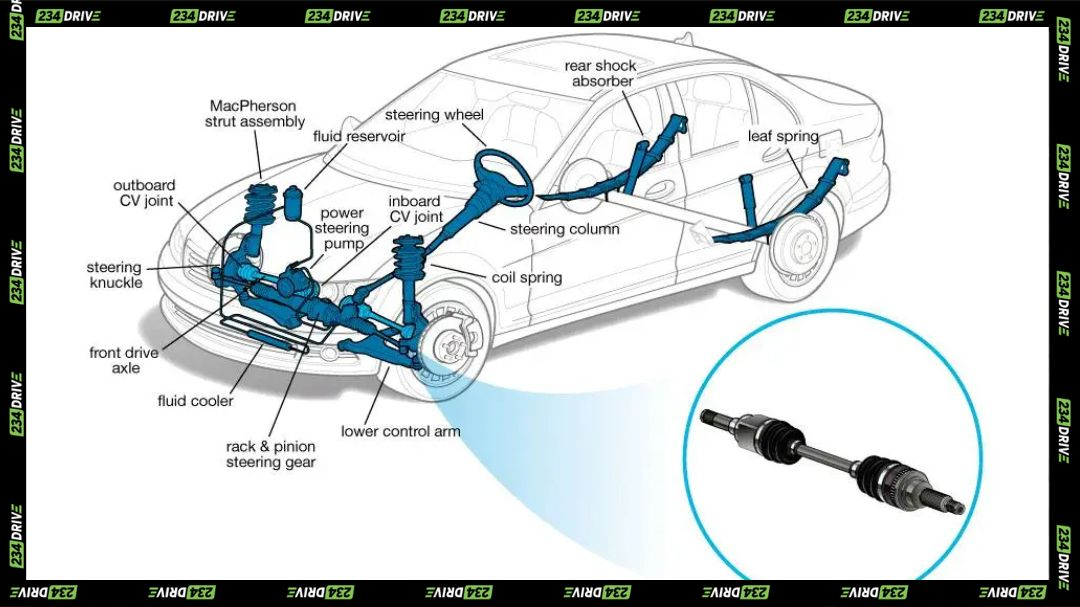
7. CV Joints and Driveshafts
On front-wheel-drive sedans like the Toyota Camry or Honda Accord, a torn CV boot lets grease out and grit in. The joint wears quickly, creating a vibration that worsens under heavy acceleration and eases when you lift off the throttle.
What to Check Before Paying a Mechanic
Do not rush to buy four new tyres immediately. Spend 10 minutes checking the basics at home.
First, check your cold tyre pressure against the driver’s door placard, not the vulcaniser’s memory. Over-inflation combined with expressway heat is a recipe for a blowout. Next, do a visual walk-around. Look for bulges, cuts, missing balance weights or grease flung onto the inside of the wheel from a torn CV boot. Check if the tyre tread is cupped like a washboard, which points directly to dead shocks or bad alignment.
The Correct Workshop Path
A professional diagnostic sequence saves money and prevents unnecessary parts swapping. A competent workshop should follow this exact order:
- Computerised dynamic balance of all four wheels.
- Rim runout check to inspect for bent alloys.
- Road-force check to find internal tyre defects that standard balancing misses.
- Four-wheel alignment to ensure the car tracks straight. You only need proper wheel alignment if the car pulls to one side or wears its tyres unevenly. Alignment alone rarely cures a rhythmic highway shake.
- Lift the car and inspect the shocks, bushes, ball joints, and CV boots.
Only after these steps should a mechanic investigate driveline or engine mount issues.
The Cost of Fixing It
Prices fluctuate wildly between a roadside pit in Aba and a premium alignment centre in Victoria Island. Based on 2025 to 2026 market ranges, here is what you should expect to spend:
- Wheel services: Basic balancing costs roughly ₦1,000 to ₦3,000 per wheel. Bundled balancing and alignment packages typically cost between ₦8,000 and ₦28,000, depending on the shop class and tyre type.
- New tyres: Budget sedan tyres range from ₦30,000 to ₦70,000 each. Mid-range options sit between ₦45,000 and ₦170,000, while premium rubber easily exceeds ₦55,000 to ₦110,000 for standard 16-inch sizes. SUV sizes scale considerably higher.
- Suspension parts: A pair of standard sedan shock absorbers typically costs ₦50,000 to ₦80,000 for the parts alone. Labour for CV joints or bearings often starts around ₦10,000 at independent shops, though original replacement parts cost far more.
When to Park the Car
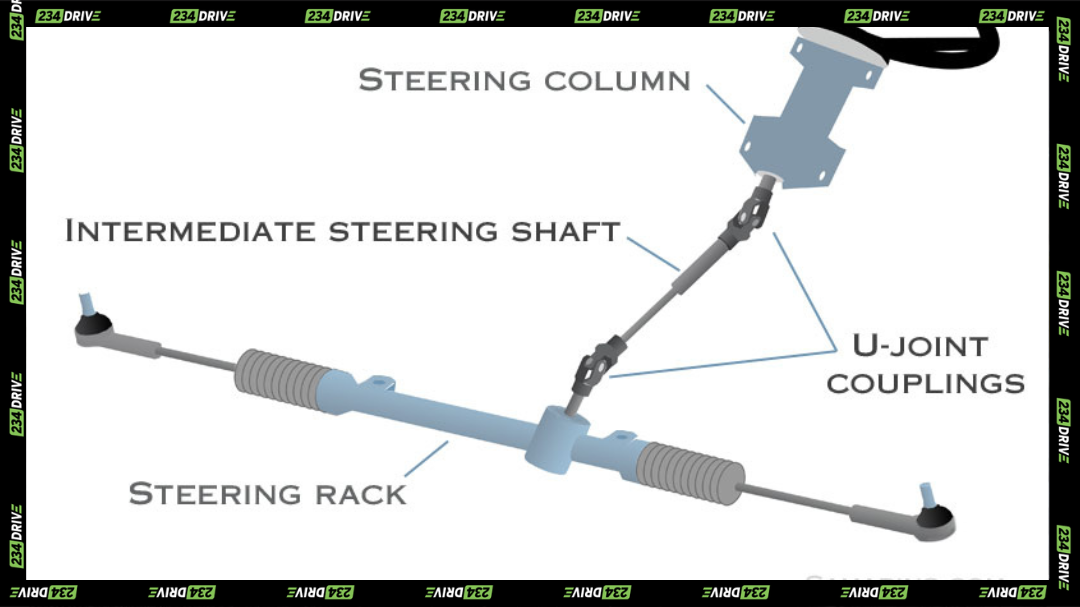
Ignoring highway vibration is not a comfort issue. It is a severe mechanical risk. A tyre with a sidewall bubble can fail suddenly at 100 km/h. Persistent imbalance hammers wheel bearings, ball joints and steering racks until they break. Loose steering parts reduce your ability to correct the vehicle after a sudden pothole or a blowout.
If you feel a new rhythmic thump or spot a sidewall bulge, do not continue your expressway trip. Slow down, use the shoulder only if safe, and change the wheel.
The Prevention Checklist
Protect your car and your wallet by integrating this routine into your maintenance habits:
- Check pressures weekly when cold using the door sticker standard, not a generic ’40 all round’.
- Inspect tyres for bulges at every fuel stop.
- Balance wheels after every new tyre fitting, rotation or rim repair.
- Align every 10,000 km, or immediately after hitting a deep crater.
- Rotate tyres roughly every 8,000 to 10,000 km.
- Replace shocks when the car keeps bouncing; waiting simply destroys the new tyres you just bought.
- Never mix a cheap remoulded tyre on the front axle of a highway vehicle.
A vibrating steering wheel is an early warning system. Listen to it. The cost of a simple wheel balancing is a fraction of the price of four new tyres, and infinitely cheaper than a high-speed disaster.