
The internal combustion engine produces highly toxic byproducts. To prevent millions of vehicles from releasing fatal concentrations of carbon monoxide and nitrogen oxides into urban environments, automotive engineers rely on a specific exhaust component. However, when this critical emissions-control device deteriorates, the mechanical and financial consequences for the vehicle owner are severe. Understanding the signs of a failed catalytic converter is essential for any driver attempting to avoid catastrophic engine damage and exorbitant repair bills.
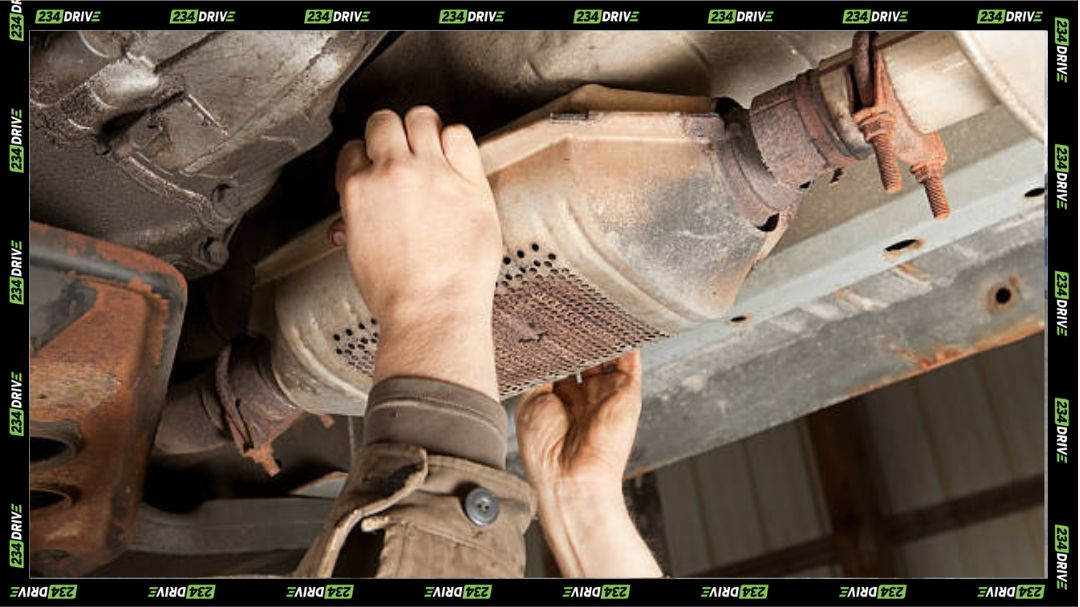
A catalytic converter does not magically filter exhaust gas like a simple sieve. It facilitates a violent, high-temperature chemical reaction. Modern petrol vehicles utilise a three-way system designed to neutralise three specific pollutants. Inside the metal housing sits a ceramic or metallic internal honeycomb substrate that is meticulously coated with precious metals. These metals—primarily platinum, palladium and rhodium—act as catalysts for rapid oxidation and reduction reactions.
The system strips oxygen from nitrogen oxides to create harmless nitrogen gas while simultaneously forcing unburned hydrocarbons and carbon monoxide to bond with available oxygen, creating water vapour and carbon dioxide. To execute this complex chemistry effectively, the unit must operate at extreme temperatures and rely on a perfectly balanced air-to-fuel ratio. When this delicate operational balance shatters, the vehicle immediately begins to broadcast warnings.
Identifying the Primary Symptoms
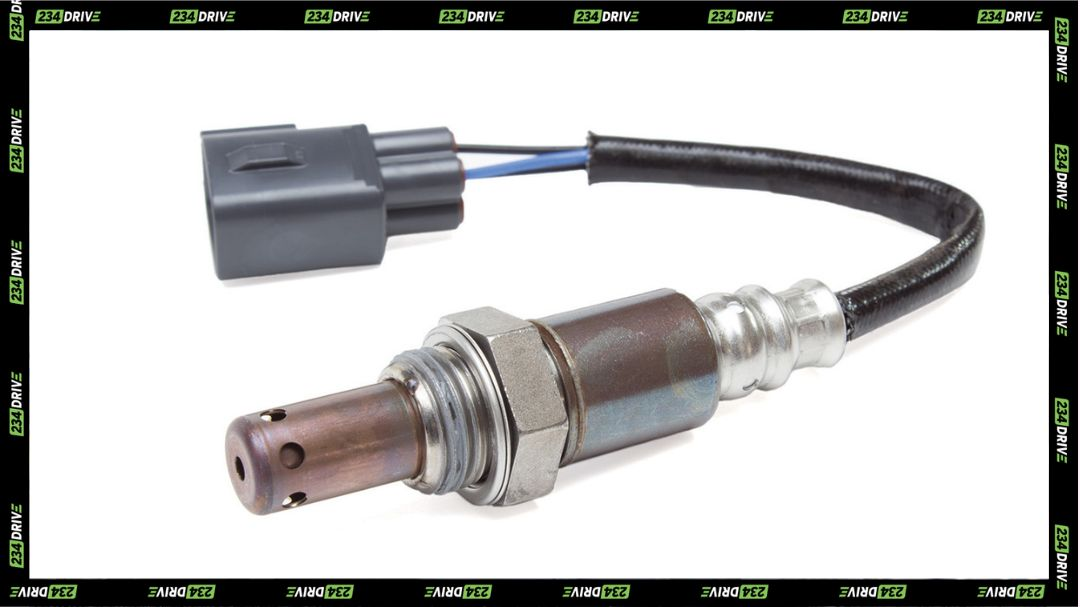
The most immediate indicator is the illumination of the check engine light on the dashboard. The engine control unit constantly monitors the exhaust stream using two sets of oxygen sensors. The upstream sensor measures the gas exiting the engine block while the downstream sensor measures the gas exiting the converter. If the computer detects that the catalyst is no longer operating efficiently, it triggers specific diagnostic fault codes. The most prevalent codes are P0420 for Bank 1 and P0430 for Bank 2, indicating that the catalyst system efficiency has fallen below the required operational threshold.
Identifying a converter going bad often involves engaging your senses. A highly distinctive sulphur or rotten egg smell emanating from the tailpipe is a classic warning. This odour occurs when a degraded catalyst fails to properly convert hydrogen sulphide compounds present in the fuel. It strongly suggests the engine is running exceptionally rich and is actively overwhelming the chemical processing capacity of the exhaust system.
Drivers will also experience a dramatic loss of performance. A clogged catalytic converter creates massive exhaust backpressure. The engine is effectively trying to exhale through a blocked pipe. This manifests as sluggish acceleration, a distinct lack of power during highway overtakes and a sensation that the engine is suffocating at higher revolutions. Because the engine must work substantially harder against this physical restriction, fuel economy inevitably plummets. Owners routinely report efficiency drops of between 10% and 25%, forcing far more frequent and expensive trips to the petrol pump.
Acoustic and thermal warnings are equally critical. A sharp rattling noise from underneath the vehicle—sounding like gravel shaken inside a tin can—indicates that the internal ceramic monolith has cracked or completely disintegrated. This usually happens on cold starts or when navigating rough tarmac. Furthermore, a failing unit generates terrifying levels of heat. The floorboards inside the cabin may become uncomfortably hot. In severe cases of unburned fuel igniting inside the housing, the metal shell of the converter can literally glow red, presenting a severe vehicular fire risk.
The Root Causes of Failure
The most crucial engineering truth about this component is that it rarely fails independently. External engine malfunctions cause almost all common converter problems. Misfiring spark plugs or faulty ignition coils will pump raw, unburned petrol directly into the exhaust tract. When this raw fuel hits the superheated catalyst, it ignites and melts the ceramic honeycomb into a solid, impenetrable lump.
It is critical to distinguish between a steady check engine light and a flashing one. A steady light indicating poor catalyst efficiency allows the driver time to reach a workshop safely. However, a flashing check engine light signifies a severe, active engine misfire. This means raw liquid fuel is currently washing through the exhaust valves and flooding the converter. Driving even a few kilometres under these conditions will superheat the unit and destroy it permanently.
Oil and coolant consumption represent equally lethal threats. Worn piston rings or leaking valve seals allow engine oil into the combustion chamber. The resulting exhaust gas coats the precious metals in a thick layer of ash, blinding the catalyst and preventing the necessary chemical reactions. Similarly, a leaking cylinder head gasket will push engine coolant into the exhaust, permanently poisoning the rhodium and palladium elements.
Professional Diagnostic Procedures
Replacing a converter simply because a diagnostic scanner displayed a P0420 code is a mark of amateur mechanics. Professionals conduct rigorous secondary tests to confirm the failure. They utilise infrared thermometers to check the temperature differential across the unit. Because the internal chemical reaction is highly exothermic, the outlet pipe should be significantly hotter than the inlet pipe. If both pipes register the same temperature, the catalyst is entirely inactive.
Technicians will also deploy vacuum gauges and backpressure testing kits to physically measure the exhaust restriction at various engine speeds. In jurisdictions that enforce strict environmental regulations, a failed emissions test is often the first undeniable confirmation of a problem. When the catalyst degrades, the exhaust analyser will instantly flag elevated levels of hydrocarbons, carbon monoxide and nitrogen oxides, ensuring the vehicle fails its mandatory roadworthiness inspection.
The 2026 Economics of Replacement
The economics of replacing this specific component are brutal. The internal structure requires rare earth metals that are currently trading at astronomical prices on global commodities markets. In the 2026 mobility landscape, replacing a standard unit demands a massive financial outlay. A typical replacement for a standard passenger car costs between ₦1.35 million ($900) and ₦3.75 million ($2,500).
For hybrid vehicles, luxury SUVs and heavy-duty commercial trucks equipped with dual-converter systems, the parts invoice climbs exponentially. These advanced units easily command between ₦3 million ($2,000) and ₦6 million ($4,000) or more depending on the strict manufacturer specifications. Professional labour required to remove rusted exhaust bolts, weld new flanges and recalibrate the engine management system adds a further ₦225,000 ($150) to ₦750,000 ($500) to the final repair bill.
When faced with a ₦3 million replacement bill, many owners attempt to source cheap aftermarket alternatives. This is frequently a false economy. Budget converters cost significantly less because manufacturers drastically reduce the volume of precious metals sprayed onto the ceramic substrate. While an aftermarket unit might temporarily clear a dashboard fault code and pass an initial emissions test, it often degrades and triggers the exact same fault within twelve to eighteen months.
Faced with exorbitant replacement costs, some operators attempt to illegally bypass or remove the unit entirely, replacing it with a straight section of steel pipe. Beyond the obvious environmental damage, this strategy wreaks havoc on modern engine management systems. The downstream oxygen sensors will detect the missing catalyst and force the engine computer into a permanent default state, resulting in a continuous rich fuel mixture, fouled spark plugs and abysmal fuel economy.
Ultimately, protecting your exhaust system requires proactive catalytic converter maintenance. This simply means maintaining the engine attached to it. Ignoring a flashing check engine light or delaying a spark plug replacement will inevitably destroy the catalyst. By addressing engine misfires immediately, fixing fluid leaks promptly and avoiding endless short trips that prevent the exhaust from reaching its self-cleaning temperature, operators can ensure this vital component survives the full lifespan of the vehicle.