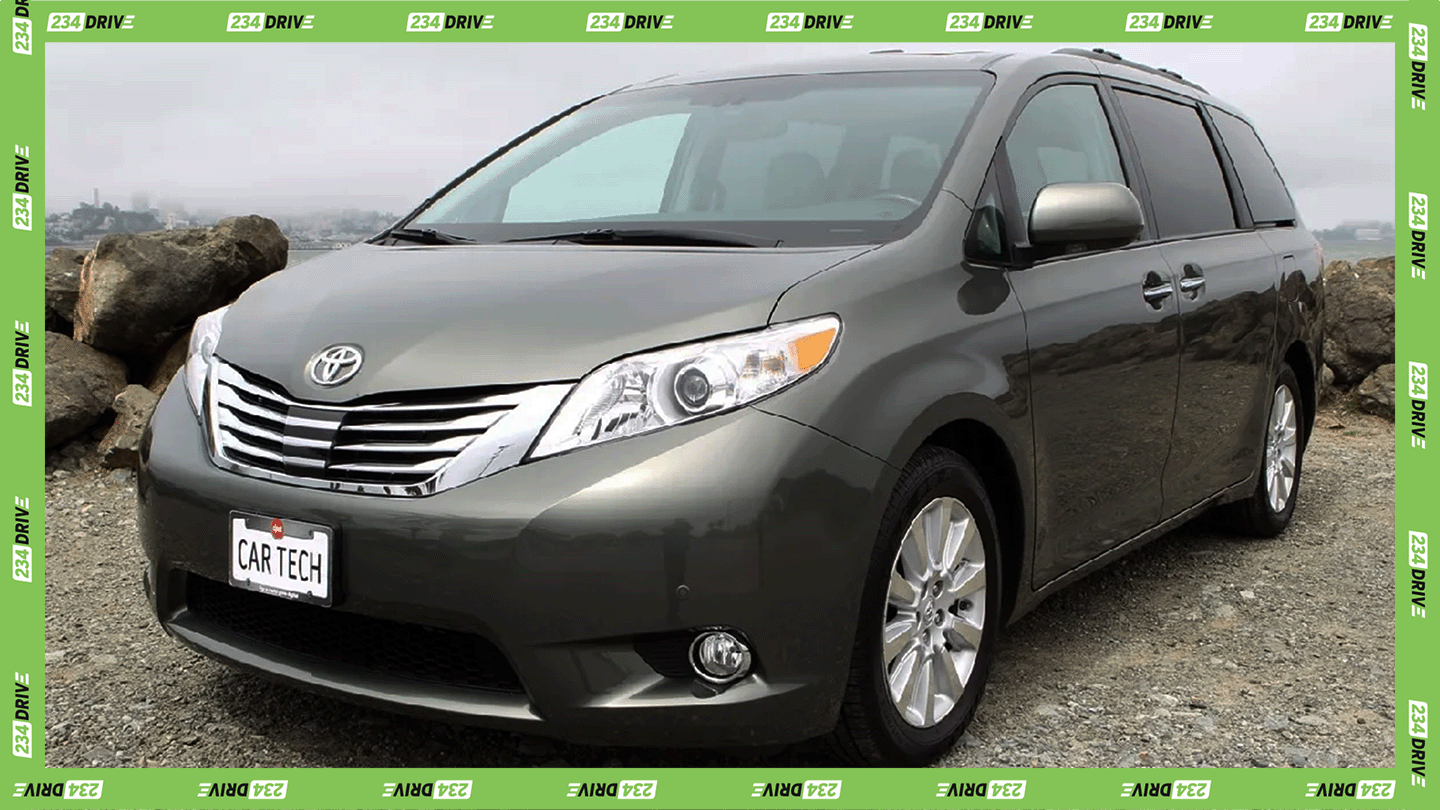


The Nigerian e-hailing and urban mobility sector is undergoing a quiet shift. For over a decade, the Toyota Corolla has held the undisputed crown as the default commuter vehicle. However, the 2012 to 2014 Toyota Camry is rapidly emerging as the heir apparent. Driven by its exceptional reliability, spacious cabin and accessible aftermarket parts, it is transitioning from a mid-level corporate asset to the ultimate pragmatic investment for Nigerian drivers.
Buying a vehicle in mid-2026 requires serious capital but the purchase price is merely the entry fee. The actual economics of mobility depend entirely on the total cost of ownership. Navigating the lifespan of this specific Camry generation requires understanding its trim levels, its mechanical vulnerabilities and exactly what it costs to keep it on the road.
As documented in our recent video breakdown of the 2012 to 2014 Toyota Camry, this is the definitive, data-backed guide to the true cost of owning one of the most reliable vehicles in Nigeria.
Market Acquisition and Trim Levels
Before pricing replacement parts, you must understand what you are buying. This Camry generation is powered by either the 2.5 -litre 2AR-FE four-cylinder engine or the robust 2GR V6. Both are historically significant powerplants renowned for surviving the harsh realities of Nigerian traffic and varying fuel quality.
The vehicle is segmented into three primary trims, each dictating a different aesthetic and replacement cost baseline:
- LE (Luxury Edition): The base model. It features standard fabric seats, a basic front bumper without a sporty spoiler and no factory fog lights.
- SE (Sport Edition): The most visually distinct variant. It is identifiable by its aggressive front grille, bumper spoilers, factory fog lights and an interior that mixes suede with leather.
- XLE (Executive Luxury Edition): The premium trim. It shares the standard bumper geometry of the LE but upgrades the interior to full leather and includes advanced cabin comforts.
In the mid-2026 market, acquiring a clean Tokunbo (foreign-used) 2012 to 2014 Toyota Camry demands between ₦13 million and ₦15 million depending on the specific year, trim and mileage. If your budget is restricted to Nigerian-used models, expect to pay between ₦8.5 million and ₦11 million. Occasionally, a locally used unit with exceptionally low mileage will command up to ₦13 million.
The Cost of Bodywork and Aesthetics
Traffic in cities like Lagos or Port Harcourt guarantees eventual bodywork damage. The Camry is a relatively large saloon car and panel replacements are a standard reality of urban ownership.
A frontal impact requires significant capital. Replacing the complete bonnet costs roughly ₦180,000. If the front bumper is destroyed, a complete replacement ranges from ₦200,000 to ₦300,000 depending on whether you are sourcing the standard LE bumper or the more complex SE variant.
The lighting systems carry their own premium. A pair of standard headlights will cost ₦200,000 (roughly ₦100,000 each) while the SE-specific fog lights demand ₦50,000 for a pair. The central grille adds another ₦40,000.
Side impacts are equally punishing. A single replacement door costs ₦200,000 and a bare fender sits at ₦60,000. Side mirrors are a frequent casualty of motorcycle-heavy traffic. A complete pair of side mirrors including the glass costs ₦200,000. If you only need the outer housing with the integrated indicator lights, expect to pay ₦75,000 each. The standard housings without lights cost ₦60,000 each.
At the rear, a complete set of taillights—comprising the two outer body-mounted units and the two inner boot-mounted units—ranges from ₦200,000 to ₦250,000. Replacing a damaged boot lid or the rear bumper will cost ₦200,000 respectively.
Managing the Underbody and Suspension
The Nigerian road network is brutal on suspension geometry. While the Camry is durable, the physical assault of potholes and untarred roads eventually degrades critical underbody components.
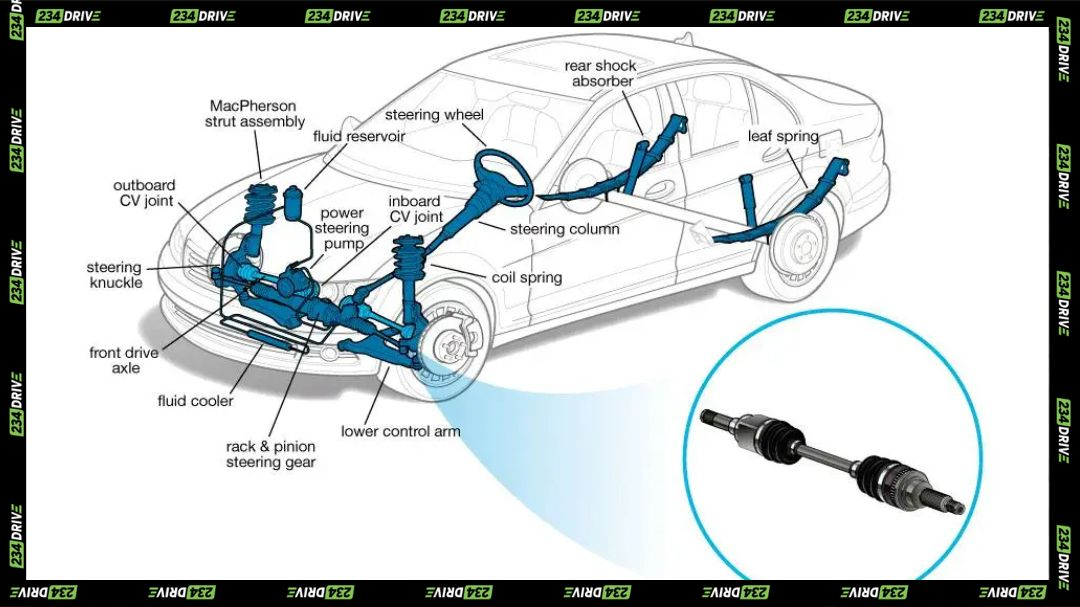
The most notorious mechanical quirk of this specific generation is drive shaft failure. When the shaft begins to wear, you will hear a distinct, repetitive clicking noise (a ‘ka-ka-ka’ sound) when turning the steering wheel fully while in motion. Replacing the drive shafts costs between ₦100,000 and ₦150,000 for the pair.
Routine suspension wear requires periodic investment. A pair of ball joints costs between ₦15,000 and ₦20,000 while suspension linkages sit between ₦10,000 and ₦15,000 per pair.
Braking systems must never be compromised. If you experience steering wheel vibration while braking at highway speeds, your brake discs are likely warped and require replacement at ₦60,000 each. High-quality brake pads cost roughly ₦25,000.
Rubber is your only contact with the tarmac. Replacing tyres with standard Tokunbo units costs roughly ₦50,000 per tyre. However, for drivers investing in absolute safety, brand new tyres range from ₦150,000 to ₦280,000 each. If you hit a crater hard enough to shatter an alloy wheel, a complete replacement set of four factory wheels demands between ₦500,000 and ₦600,000.
Engine, Electronics and the Catalyst Crisis
The mechanical heart of the Camry is highly reliable but catastrophic failures or targeted theft can incur massive bills.
If you suffer total engine failure due to overheating or hydrostatic lock from a flood, sourcing a replacement four-cylinder 2AR-FE engine will cost between ₦1.5 million and ₦1.8 million for a high-grade unit.
A critical vulnerability for Nigerian owners is the theft of the catalytic converter. Dubious mechanics frequently hollow out the catalyst to sell the precious metals inside, leaving the owner with a loud exhaust and a permanent Check Engine Light. Replacing a stolen catalytic converter with a genuine original part costs ₦300,000. While substandard alternatives exist for ₦150,000, they frequently fail to clear the ECU error codes.
Electrical and cooling component replacements follow a predictable pricing structure. The alternator costs ₦80,000, a new battery is ₦65,000 and the radiator fan assembly demands ₦150,000. The air conditioning system relies on an automatic compressor that costs ₦250,000 to replace when it fails.
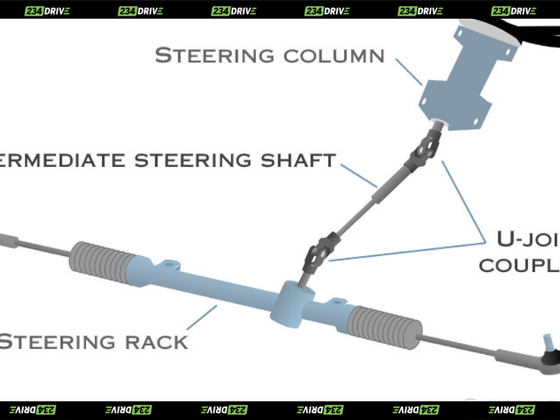
Modern steering systems are divided. The mechanical steering rack itself costs ₦55,000 but the critical Electric Power Steering (EPS) module mounted on the steering column costs ₦150,000. Finally, the Engine Control Unit (ECU)—the brain box of the vehicle—costs ₦80,000.
The Reality of Routine Maintenance
The true advantage of the 2012 to 2014 Toyota Camry lies in its routine maintenance cycle. It is an incredibly predictable machine to service.
The standard four-cylinder engine requires 5L of high-quality engine oil. Factoring in the cost of premium synthetic oil, a new oil filter and the mechanic’s labour, a comprehensive routine service costs roughly ₦75,000. Executing this service every three months ensures the engine internals remain pristine and vastly extends the lifespan of the vehicle.
Ultimately, the ubiquity of this Camry generation is its greatest economic defence. Spare parts are available in every major automotive market in the country from Ladipo to Apo. Mechanics do not have to guess how to fix it because the engineering is universally understood. While acquiring one requires significant capital, the mathematical predictability of its maintenance makes it one of the safest mobility investments on Nigerian roads today.