
The journey to owning a car in Nigeria often begins not in Lagos, but in a high-stakes online auction room thousands of miles away. At 5:47am in Atlanta, Georgia, Tunde Ayinde is not reaching for coffee. He is staring at a countdown timer on his laptop screen, his finger hovering over the ‘Bid’ button on a Copart auction page. On his screen is a 2021 Honda CR-V—a clean-title vehicle he hopes will be his mother’s 65th birthday gift in Ibadan. Tunde is part of a growing movement of Nigerians abroad who are bypassing local dealerships to manage the entire supply chain themselves. He represents the Diaspora Economy in motion, where every dollar sent home is a calculated investment in mobility. To succeed, he must navigate a process that is increasingly technical, especially since the Federal Government approved sweeping changes to automotive tariffs.
Learning how to import a car from US hubs is no longer just about finding a good deal; it is about mastering the 2026 regulatory floor. If Tunde wins this bid, he enters a 12-week pipeline of inspections, certifications and logistics.
Step 1: Sourcing—Where to Find Vehicles
The sourcing phase is where most importers either secure a bargain or inherit a headache. For Tunde, the choice was between the transparency of retail and the high-risk, high-reward environment of auctions. While sites like Autotrader or Cars.com are excellent for clean-title vehicles from private sellers, the majority of Nigerians learning how to import a car from America gravitate toward Copart and IAAI. These insurance-fed auctions provide a massive inventory, but they require a level of caution that retail buyers often overlook.
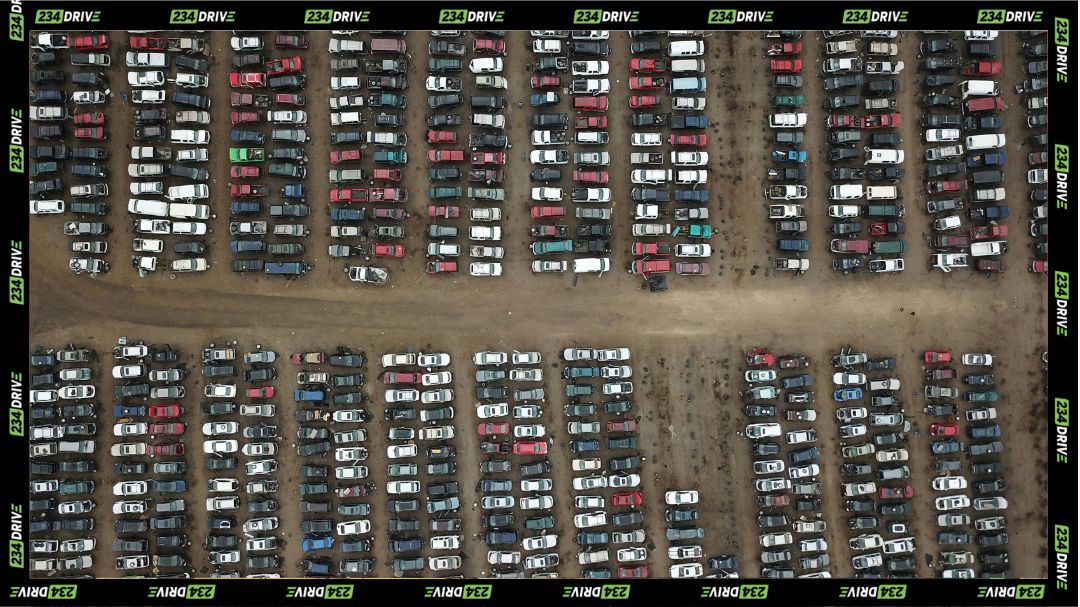
‘You cannot bid with your eyes alone,’ Tunde warns as he refreshes the CR-V’s VIN history. He has already paid for a comprehensive Carfax report to ensure the vehicle hasn’t been submerged in a Florida hurricane or suffered structural frame damage. In the diaspora context, sourcing is an exercise in risk mitigation. Professional importers look for lease returns or minor fender-benders where the repair cost in the US is too high for insurance companies, but perfectly manageable in a Lagos mechanic workshop. This arbitrage is the engine of the used car market.
Step 2: Purchase and the Critical Inspection
Once the auction hammer falls, the real work begins. Tunde’s first move was to commission a Pre-Purchase Inspection (PPI). Even though the auction photos looked pristine, he hired an independent mechanic to visit the yard. This step is non-negotiable—a $200 inspection can identify a blown head gasket or deployed airbags that were cleverly hidden in photos. In 2026, the Nigerian government has tightened standards, making it harder to clear vehicles that do not meet basic safety thresholds.
Payment must be swift. Most US auctions require a wire transfer within three business days. For Tunde, this meant coordinating with his domiciliary account, ensuring that the Bill of Sale was issued in his name to match his Nigerian Tax Identification Number (TIN). Any discrepancy in the paperwork at this stage can create a domino effect of delays. It was also the moment where he had to verify that his car complied with the latest car age limit, as vehicles manufactured before 2014 are now strictly prohibited from entry.
Step 3: Shipping Options and Real-World Costs
With the title in hand, Tunde had to choose between Roll-on/Roll-off (RoRo) and container shipping. For a single Honda CR-V, RoRo is the logical choice—it is effectively a massive car park on a ship. The vehicle is driven onto the vessel in a US port like Baltimore and driven off at Tin Can Island. As of May 2026, getting an accurate quote for shipping a mid-sized SUV via RoRo ranges between $1,400 and $1,900.
However, if Tunde were shipping high-value electronics or spare parts alongside the car, he would have opted for a container. Container shipping offers a ‘Fort Knox’ level of security, protecting the car from the salty Atlantic air and potential pilferage. Regardless of the method, he had to organise inland transport to get the car from the auction yard to the port—a cost that varies depending on the distance but usually adds another $300 to $800 to the budget. This logistics chain is the literal bridge of the remittance economy.
Step 4: Mandatory Documentation and Pre-Shipment Rules
The most significant hurdle in 2026 is the SON-NADDC Vehicle Conformity Assessment Programme (VehCAP). Tunde could not ship the car until it had been inspected and certified for safety and emissions standards. This pre-shipment rule is a ‘gatekeeper’ designed to stop the influx of unsafe vehicles into Nigerian cities. Without a VehCAP certificate, the car will not even be assigned a space on a vessel heading to West Africa.
Simultaneously, Tunde had to open an e-Form M through his bank in Nigeria. This document is the official declaration of intent to import and is tied directly to the PAAR (Pre-Arrival Assessment Report) process. ‘The paperwork is where the stress lives,’ Tunde admits. He had to ensure that the engine capacity, VIN and manufacturing year were perfectly mirrored across his Bill of Lading and his Form M. A single typo in the engine size could lead to a ‘query’ from Nigeria Customs, potentially doubling his time at the port.
Step 5: Customs Clearance in Nigeria
When the ship berths at the Lagos port, the administrative clock starts ticking. The Nigerian clearing process is governed by the PAAR, which Nigeria Customs generates based on the values provided in the export documents. In April 2026, the effective tariff was slashed to 40%, but many experts observe that the new tariff slash is often offset by the volatile exchange rate used by Customs. Tunde’s agent had to be ready the moment the ship arrived to avoid demurrage—daily storage fees that can quickly reach ₦60,000.
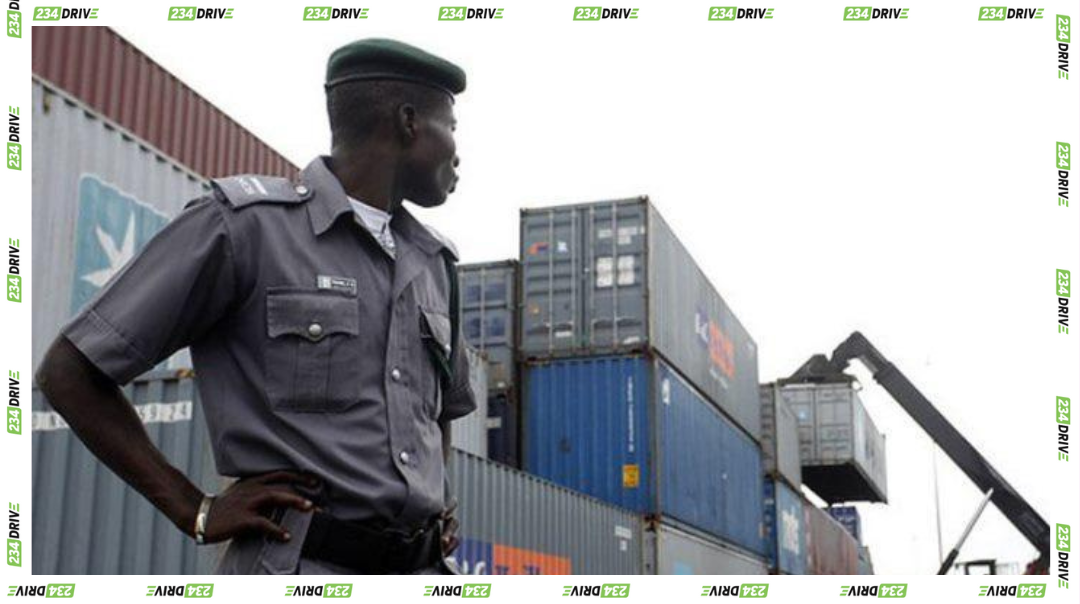
To navigate Step 5 successfully, Tunde relied on a licensed clearing agent. A professional step-by-step clearance guide is essential for understanding how to handle the physical examination of the vehicle. Customs officers will check the VIN against their database to confirm the car’s valuation. If they decide Tunde’s $12,000 purchase price is ‘undervalued’ compared to their internal charts, they can issue a ‘Debit Note’, requiring him to pay extra before the car is released.
Step 6: Timeline and Realistic Costs
To bring a car to Nigeria is to engage in a high-stakes math problem. For Tunde’s $12,000 Honda CR-V, the final bill was nearly double the auction price. Once he added the $1,600 shipping fee, the 40% Customs duty (plus VAT and levies), and the clearing agent’s commission, his ‘landed’ cost was approximately $22,500. Using the May 2026 exchange rate of ₦1,450 to $1, that car represents a ₦32.6 million investment.
The timeline is equally sobering. From the moment Tunde clicked ‘Bid’ in Atlanta to the moment the car was driven out of the Tin Can Island gates, 11 weeks had passed. This includes the time taken for US title processing, sea transit and the often-unpredictable Lagos port queues. For the diaspora, this is the reality of remittance: it is a long-term play that requires patience, capital and a deep understanding of the regulatory environment.
Six weeks after the clearing agent delivered the keys, Tunde receives a video on WhatsApp. It is his mother in Ibadan, dancing next to a silver CR-V with a large red ribbon on the bonnet. The ‘intention-reality gap’ has been bridged. But as Tunde closes his laptop in Atlanta to start his workday, he is already thinking about the next project. Was the 40% duty slash enough to make this a sustainable business model, or is the volatility of the Naira still the biggest barrier to African mobility?