

At the Mile 12 Market in Lagos, a flatbed truck arrives carrying hundreds of traditional raffia baskets stacked five-high. Under the afternoon sun, the bottom layers of tomatoes are already crushed into a hot, fermenting paste. This is the reality of agricultural logistics in Nigeria, where post-harvest losses for perishables routinely reach 30%-50%. For highly delicate crops like tomatoes, the loss is even more severe, frequently hitting 33%-50%.
With less than 10% of fresh food in Nigeria moving through a formal cold chain, transporters, farmers and traders must rely on low-cost, high-utility protocols to preserve crop quality during long-distance transit.
How Should Perishables Be Handled at the Harvest Stage?
Preserving fresh produce begins long before the transport vehicle is loaded. Perishables are living tissues that continue to respire, lose water and generate heat after harvest. Higher ambient temperatures accelerate this respiration rate, leading to rapid wilting, ripening and microbial decay.
To minimise these biological processes, harvesting must be restricted to the coolest parts of the day—either early morning before sunrise or late evening. Any physical damage sustained during harvest acts as an entry point for mould and bacteria. Produce must be sorted immediately at the farm gate to isolate bruised or diseased units, which release high concentrations of ethylene gas. This hormone accelerates the ripening and eventual rot of neighbouring healthy crops.
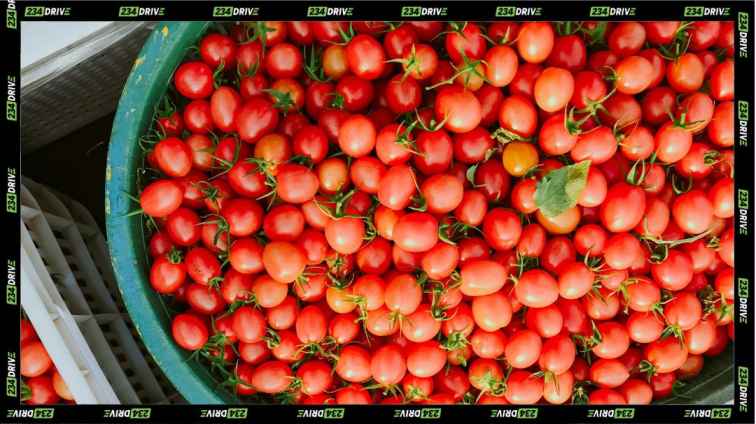
Once sorted, crops must undergo immediate pre-cooling. Moving harvested produce directly into deep shade or utilising clay pot-in-pot evaporative cooling systems (Zeer pots) can lower the internal temperature of the crops by several degrees. This simple, off-grid step significantly extends shelf life before the logistics phase begins.
Which Packaging Options Prevent Crushing On Potholed Roads?
The traditional reliance on woven raffia baskets and jute bags is a primary driver of transit spoilage. Woven baskets lack structural rigidity; when stacked on flatbed trucks, the weight of the upper layers directly compresses the bottom produce. Additionally, the sharp, irregular inner surfaces of raffia baskets pierce the skin of crops like tomatoes, mangoes and papayas during transit.
Transitioning to Reusable Plastic Crates (RPCs) represents the most effective intervention for long-distance transport. RPCs are rigid, stackable and designed with built-in ventilation slots that allow heat to escape. Case studies across agricultural corridors in Nigeria show that replacing raffia baskets with RPCs reduces tomato transport losses from roughly 40% to less than 5%.
While an RPC carries a higher upfront capital cost—typically averaging ₦1,000 to ₦1,500 per crate for a 20-25 kg capacity—the long-term return on investment is achieved within a few transit cycles by preserving sellable volume. To manage the cost of empty crates returning from southern markets to northern farm clusters, farmers and transporters can utilise shared crate pools or reverse-logistics cooperatives.
How Can Transporters Cool Produce Without Expensive Refrigeration?
With the national cold-chain market valued at ₦160 billion but heavily underdeveloped, fewer than 1,000 active refrigerated trucks (reefers) serve a domestic agricultural sector that requires an estimated 25,000 units. Consequently, low-cost passive cooling methods are critical.
Charcoal-lined transit boxes and reflective silver tarpaulins are highly viable, off-grid solutions. Wetting the charcoal walls of a makeshift container allows evaporative cooling to drop internal temperatures by 3-8°C in drier northern climates, though this method is less effective in the humid south. Reflective tarpaulins draped over open-air wooden trucks block direct thermal radiation from the sun while allowing air to flow through the open rear of the bed.
For temporary storage at key transit junctions or aggregation markets, decentralised, solar-powered cold hubs such as the ColdHubs network provide pay-as-you-store cooling stations. Storing produce in these hubs before final loading ensures the crop’s core temperature is stable, preventing early-stage thermal decay during transit.
How Do Timing and Seasonality Affect Transport Schedules?
Agricultural logistics in Nigeria are divided by distinct seasonal shifts that alter road accessibility and spoilage rates:
- The Rainy Season (May to November): Flooded secondary and tertiary roads in rural farming hubs significantly delay transit times. High humidity during this period accelerates fungal growth and rot. Transporters must secure loads with waterproof, ventilated covers and allow extra travel time to avoid water logging. Peak crop gluts during this season also lower market prices, making on-farm evaporative storage essential to delay transit until markets stabilise.
- The Dry Season (November to April): Roads are generally dry and more accessible, but high ambient temperatures (frequently exceeding 35°C) accelerate dehydration and ripening. Shading and passive cooling must be prioritised. In northern corridors, the dusty Harmattan wind requires protective netting to prevent dust accumulation on fresh produce.
To mitigate both seasonal heat and daytime traffic gridlock, transporters should schedule long-distance movements during the night or early morning. Moving crops during these cooler hours preserves moisture and reduces thermal stress on the vehicle’s cooling system.
What Route Optimisation Tactics Avoid Spoilage on Long Corridor Journeys
The dominant agricultural trade routes in Nigeria rely on the North-South corridors, transporting tomatoes, onions and peppers from northern production hubs (such as Kano, Kaduna, Katsina and Jos) to southern consumption centres (such as Lagos, Ibadan and Port Harcourt). These journeys often cover over 800 km and can stretch to 2-3 days due to checkpoints and infrastructure deficits.
To reduce transit times and physical damage along these routes, transporters must implement structured route planning:
- Pothole and Vibration Mitigation: High-amplitude road vibrations cause cell-wall rupture in delicate produce. Loads must be tightly secured using heavy-duty ratchet straps and rubber cushioning sheets between crate stacks to prevent shifting.
- Real-Time Data Integration: Drivers must utilise navigation apps alongside local transporter networks to monitor traffic jams, flooded road segments and security situations.
- Alternative Corridors: While the classic Kano-Kaduna-Jebba-Ilorin-Ogbomoso-Ibadan-Lagos route is the standard, keeping alternative bypass routes (such as Abuja-Lokoja-Kabba pathways) mapped out allows drivers to pivot if major bottlenecks arise.
Reducing the transit timeline by even 12 hours directly translates to a significant reduction in microbial decay, preserving the market value of the consignment at the destination depot.
What Cost Management Steps Minimise Spoilage Expenses
In agricultural transport, the most substantial hidden cost is not fuel but the volume of spoiled, unsellable cargo discarded at the market gate. Minimising these losses is the highest-leverage way to protect profit margins.
To optimise operational expenditures, smallholder farmers and local traders should aggregate their harvests to fill larger, shared vehicles, spreading the fixed costs of fuel and driver fees across a higher volume of produce. Regular preventive maintenance of transport vehicles—particularly tyre pressure, suspension bushings and cooling systems—prevents catastrophic breakdowns in isolated areas where fresh produce will spoil within hours.
Tracking the total landed cost per kilogram of produce, including packaging wear and transit losses, allows operators to make calculated investments in reusable crates and solar storage access, turning waste reduction directly into cash flow.