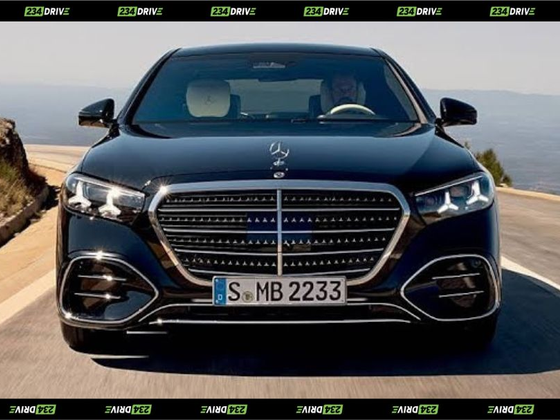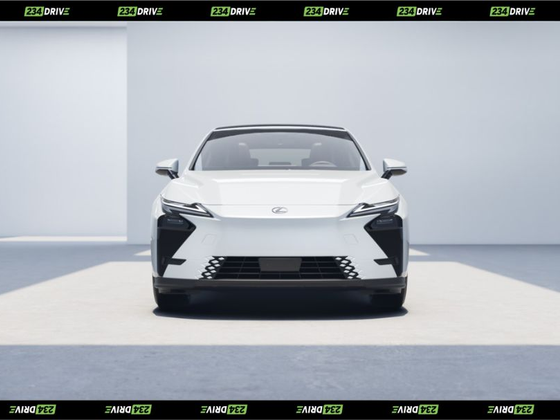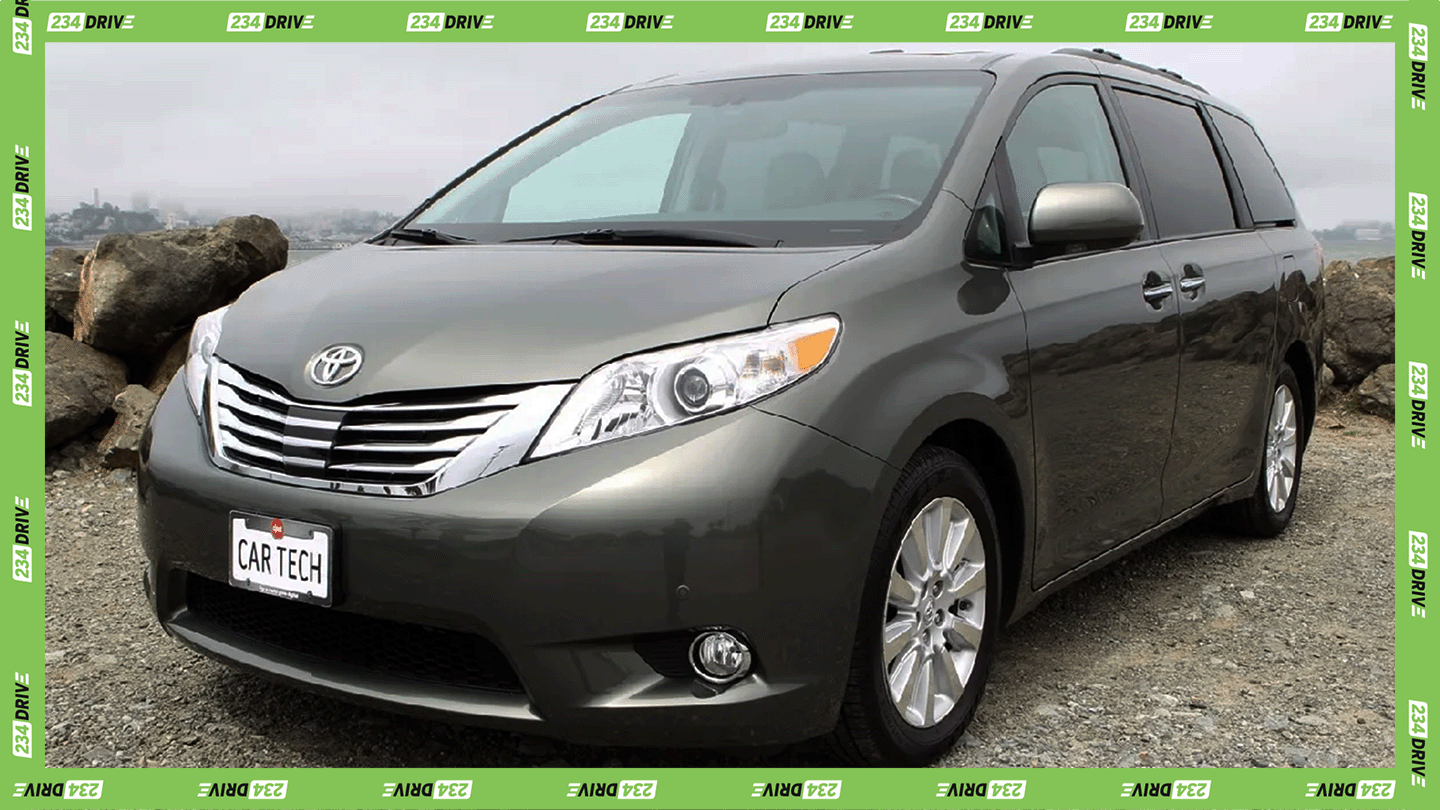

The journey of importing a vehicle from the UK to Nigeria often begins with a single, significant transaction, driven by both personal and economic ambition. Kola Ayinde is standing in a rain-slicked car park in Croydon, his boots caked in the grey mud typical of South London auction yards. He isn’t there to buy a car for the school run or a commute to the City. He is staring at a silver 2021 Mercedes-Benz GLC, calculating the exact cost of moving this piece of British engineering to a driveway in Ibadan. To Kola, this vehicle represents the backbone of the Diaspora Economy—a tangible transfer of wealth that serves his family better than any wire transfer ever could.
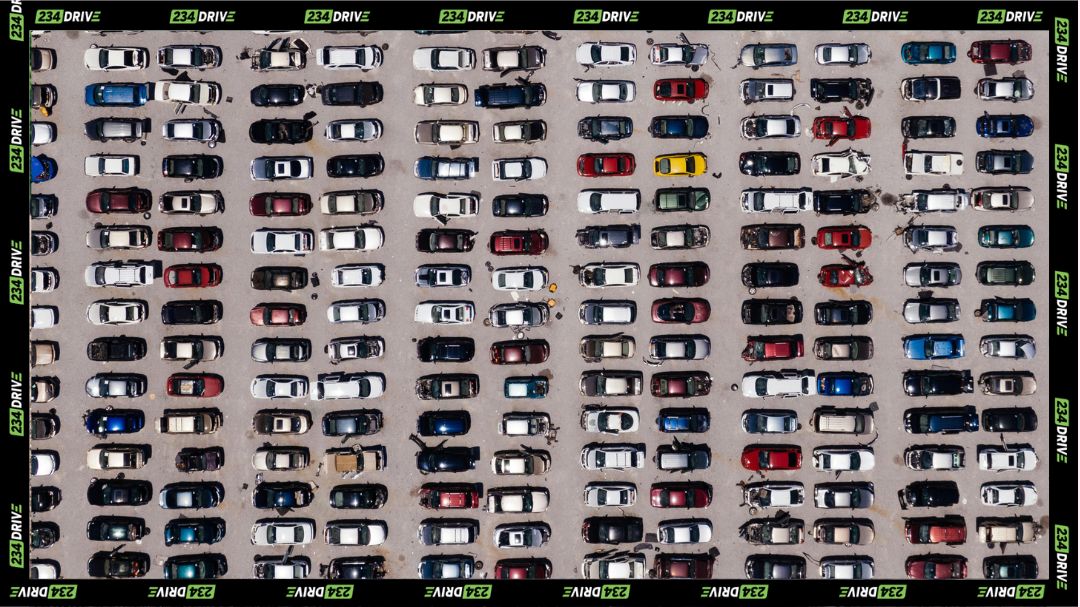
While his counterparts in Houston are often asking how to import a car from America to ensure easy Left-Hand Drive (LHD) compliance, Kola is betting on the ‘British standard’. He knows that the UK’s strict MOT history and maintenance culture produce vehicles that can survive the rigours of Nigerian roads for a decade longer than their auction counterparts in the States. However, the path from a London auction to a Lagos port is a six-step gauntlet of risk, regulation and remittance.
Policy and Perspective
The landscape for the diaspora changed significantly when the Federal Government approved sweeping changes to automotive tariffs. In the past, the staggering 70% combined duty and levy acted as a barrier, forcing many to send home older, less reliable vehicles. The current 40% effective tariff is a bridge over the ‘intention-reality gap’, allowing Nigerians abroad to fund safer, newer mobility assets.
Yet, as Kola notes while scrolling through his phone, this new tariff slash is a double-edged sword. While the duty is lower, the volatility of the Naira and the introduction of stricter safety certifications mean that an importer cannot afford to be casual. ‘You have to be a project manager, not just a buyer,’ Kola remarks. ‘If you miss one document or ignore the age limit, the port will swallow your investment.’
Step 1: Sourcing and the Left-Hand Drive Dilemma
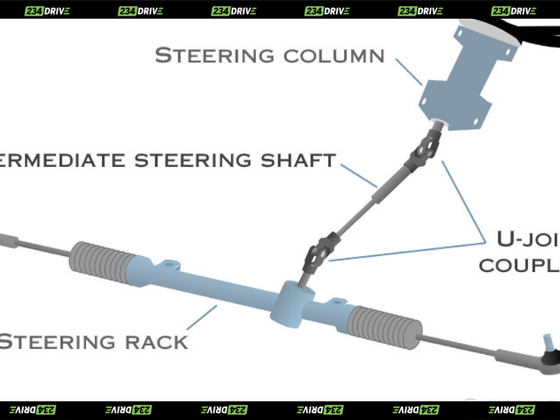
The most significant hurdle for any UK-based importer is the steering wheel. Nigeria strictly mandates LHD vehicles for safety and registration. Because the UK is a Right-Hand Drive (RHD) market, Kola has to make a strategic choice. He can either source a rare LHD European import already in the UK or factor in the significant cost of a professional LHD conversion before the car leaves British soil.
He spends his mornings on Autotrader.co.uk and British Car Auctions (BCA), looking for vehicles with a ‘Clean Title’ and a documented service history. He avoids ‘Category S’ or ‘Category N’ write-offs, despite their tempting prices. Kola understands that while many people researching how to import a car from US hubs find the LHD requirement easier to satisfy, the mechanical longevity of a car that has passed consecutive UK MOTs is a premium worth the extra sourcing effort.
Step 2: The Critical Inspection and Purchase
Kola does not rely on the high-resolution photos provided by the auction house. He knows that in the world of used cars, ‘looking good’ is a low bar. He commissions a Pre-Purchase Inspection (PPI), usually through the AA or RAC. For a fee of roughly £200, a certified mechanic provides a granular report on everything from brake pad wear to the health of the turbocharger. This is a non-negotiable step; a hidden rust issue or a failing transmission could cost five times the inspection fee once the car reaches Tin Can Island.
Once the report clears, the financial transaction must be swift. Auctions typically require payment via bank transfer within three business days. Kola ensures the Bill of Sale is issued in his name and matches his Nigerian Tax Identification Number (TIN) perfectly. He also double-checks the latest car age limit to confirm his 2021 model is well within the 12-year window. In 2026, importing a car manufactured before 2014 is a recipe for immediate seizure at the port.
Step 3: Shipping Options and Real-World Costs
With the V5C logbook in hand, Kola must choose his vessel. For a single Mercedes SUV, Roll-on/Roll-off (RoRo) is the most logical choice. The car is driven onto a specialised vessel at ports like Tilbury or Sheerness and parked in a massive floating garage. As of May 2026, getting an accurate quote for shipping from the UK to Lagos ranges between $1,100 and $1,500, which is often slightly more affordable than the $1,400 to $2,000 range for those shipping from the US East Coast.
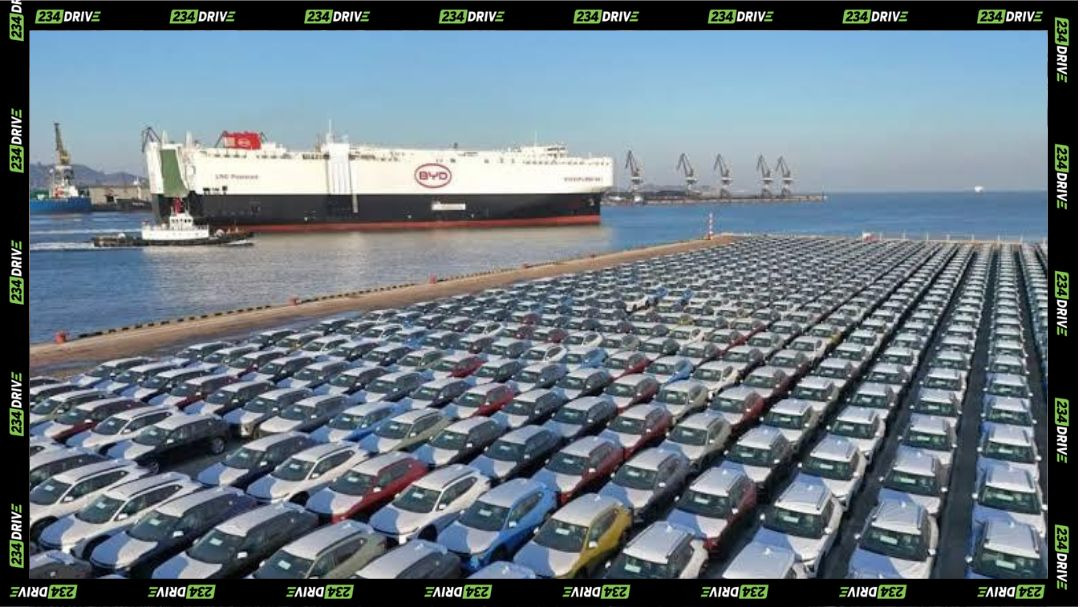
However, Kola considers container shipping for the added security. A 20 ft container offers ‘Fort Knox’ protection against the salty Atlantic air and potential pilferage at the port. More importantly, it allows Kola to pack the car with high-quality engine oils and spare parts—items that are often expensive or counterfeit in the local Nigerian market. Regardless of the method, he ensures he has marine insurance covering 110% of the vehicle’s value, a small premium for peace of mind during the 20-to-30-day voyage.
Step 4: Mandatory Documentation and VehCAP Rules
The most technical phase of the 2026 process is the SON-NADDC Vehicle Conformity Assessment Programme (VehCAP). Kola cannot ship the car until it has been inspected and certified for safety and emissions standards by an approved agency in the UK. This pre-shipment rule is the ‘gatekeeper’ designed to stop the influx of unsafe vehicles into Nigerian cities. Simultaneously, Kola’s brother in Lagos opens an e-Form M through a commercial bank, the official declaration of intent to import.
‘The paperwork is where the stress lives,’ Kola admits. He knows that a single typo in the engine capacity or a mismatch in the VIN (Vehicle Identification Number) across the Bill of Lading and the Form M will trigger a ‘query’ from Nigeria Customs. Such queries can lead to weeks of delays and mounting ‘demurrage’—storage fees at the port that can reach ₦60,000 per day. Precision at this stage is the difference between a smooth delivery and a financial disaster.
Step 5: Customs Clearance in Nigeria
When the ship finally berths at Apapa or Tin Can Island, the administrative clock starts ticking. Kola relies on a licensed clearing agent to handle the physical examination and valuation. He instructs his agent to follow a step-by-step clearance guide to ensure every levy is accounted for. Customs officers will check the car against their internal VIN database to confirm its valuation; if they decide Kola’s £15,000 purchase price is ‘undervalued’, they can issue a ‘Debit Note’, requiring extra payment before release.
The math for 2026 is rigorous. Beyond the 40% effective tariff, Kola must pay the 7.5% VAT, the 0.5% ECOWAS levy and port development charges. If the Mercedes had an engine larger than 2.0 litres, he would also face the new ‘Green Tax’ surcharge. The agent’s commission and the terminal handling fees add another layer to the bill, making the clearing process nearly as expensive as the original purchase.
Step 6: Realistic Timeline and Landed Costs
The final calculation for Kola’s Mercedes is a sobering reminder of the cost of mobility. For his £15,000 car, the final landed cost in Nigeria was approximately £27,800. This includes the £1,200 shipping fee, the various customs duties and levies, and the agent’s fees. From the moment he stood in that Croydon car park to the moment the car was driven out of the port gates in Lagos, 10 weeks had passed.
The timeline is a test of patience: two weeks for sourcing and inspection, four weeks for the sea voyage and another four weeks for the often-unpredictable clearing and registration process. For Kola, this is the reality of the ‘Remittance Economy’. It is a long-term play that requires patience, significant capital and a deep understanding of the regulatory environment.
Six weeks after the car cleared the port, Kola receives a video on WhatsApp. It is his father in Ibadan, smiling broadly and waving from the driver’s seat of the silver GLC. The red ribbon on the bonnet is a flash of colour against the dusty driveway. As Kola closes his laptop in London to begin his workday, he is already thinking about the next project. The 40% duty slash has made the process more viable, but it is the quality of the British import that ensures his family stays mobile for years to come.