
With petrol prices currently sitting at ₦1,313 per litre, the math of Nigerian mobility has shifted from luxury to survival. A standard 50-litre tank now costs roughly ₦65,650 to fill. For the average commuter, the question isn’t just about the purchase price of a car anymore—it’s about the ‘Total Cost of Ownership.’ Do you want to spend ₦65,000 twice a week or twice a month?
Practicality in this market is the intersection of fuel economy, interior space and Nigerian road-worthiness. A car that saves fuel but breaks its suspension on the first pothole in Mowe isn’t practical.
Here is the detailed breakdown of the 10 most fuel-efficient and practical cars in Nigeria for 2026.
10. Hyundai Elantra (2012–2015): The Stylish Saver
This generation of the Elantra features a 1.6-litre 4-cylinder Gamma engine, which strikes a balance between highway power and city efficiency.
- Fuel Consumption: 34 MPG (~7 L/100 km).
- Engineering Edge: The ‘Active ECO’ system in this model actually remaps the transmission shift points and throttles the engine response to prioritise savings. Unlike some cars where the ECO button is just a light on the dash, this one actively manages engine load.
- Practicality Factor: It offers one of the largest cabins in its class, often rivaling the Toyota Corolla for rear-seat legroom. It’s a stylish sedan that fits a family of five without feeling cramped or underpowered on the expressway.
9. Peugeot 206 & 307: The Rugged Workhorses
Commonly found in the North, these French workhorses are legendary for their simplicity and aerodynamic efficiency.
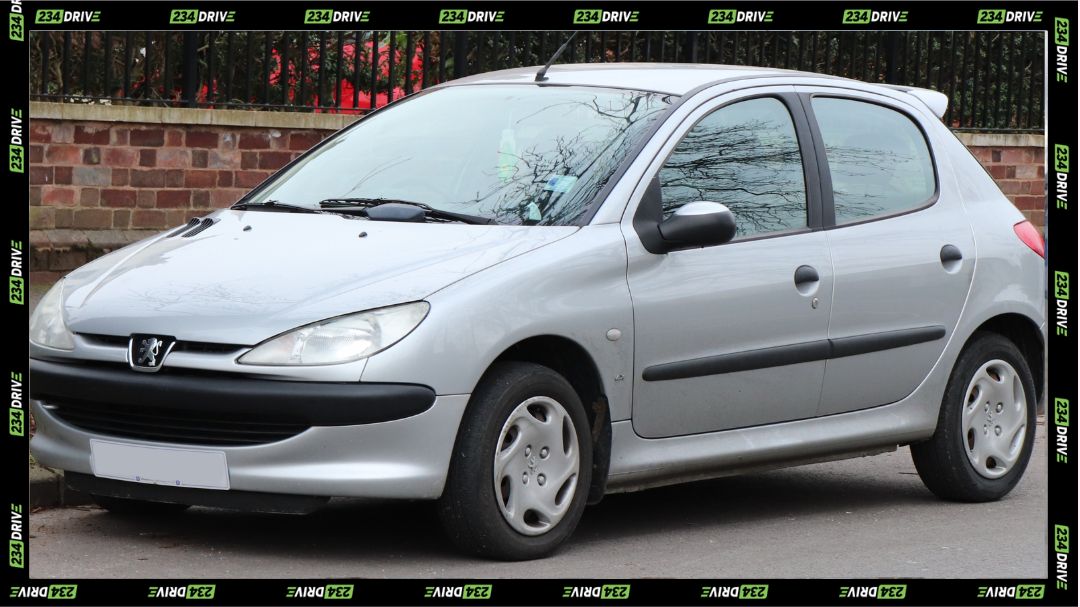
- Fuel Consumption: 37 MPG combined (~6.4 L/100 km) for the 1.4L manual.
- Engineering Edge: If you can find the manual transmission version, you unlock even more efficiency. The 206 is particularly light, meaning the engine doesn’t have to work hard to get the car moving—the highest fuel-burning moment for any vehicle.
- Maintenance Tip: These cars are affordable to buy but require a technician who understands French engineering. Using the wrong coolant or a ‘trial-and-error’ mechanic will end your ownership experience very quickly.
8. Toyota Prius (2nd & 3rd Gen): The Hybrid Pioneer
The Prius is a mobile power plant designed from the ground up for maximum MPG. It isn’t a ‘regular’ car—it’s a technology-driven solution to high fuel prices.
- Fuel Consumption: 50 MPG (~4.7 L/100 km).
- Engineering Edge: In stop-and-go traffic—think Third Mainland Bridge at 5 PM—the Prius often runs entirely on its electric motor. The petrol engine only kicks in when you need to accelerate hard or when the battery needs a top-up.
- Reality Check: A trip from Lagos to Ibadan (approx. 130km) would use less than 7 litres of fuel. Ensure you scan the Hybrid battery health before buying; a weak battery will force the engine to run constantly, ruining your MPG.
7. Honda City & Honda Jazz: The Space Magicians
These two share the same 1.5-litre i-VTEC engine, which is a masterclass in valve-timing efficiency, allowing the engine to ‘breathe’ better under different loads.
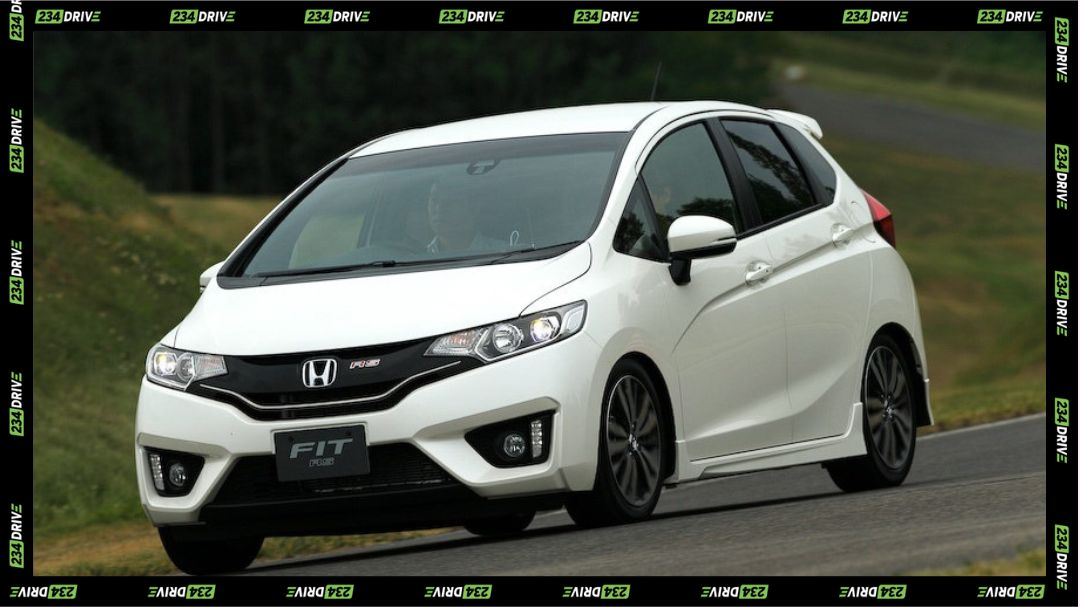
- Fuel Consumption: 35 MPG (~6.7 L/100 km).
- Engineering Edge: The Honda Jazz (known as the Fit in some markets) is famous for its ‘Magic Seats.’ You can fold the rear seats completely flat or flip the cushions up to carry tall items like a fridge or a large flat-screen TV.
- Practicality Factor: The City offers the sedan silhouette preferred by many Nigerian professionals, while the Jazz offers hatchback versatility that punches way above its weight class.
6. Toyota Yaris (2014+ Hatchback): The Reliable Minimalist
The Yaris is the ‘no-nonsense’ king of this list, stripped of unnecessary weight to keep the fuel needle still.
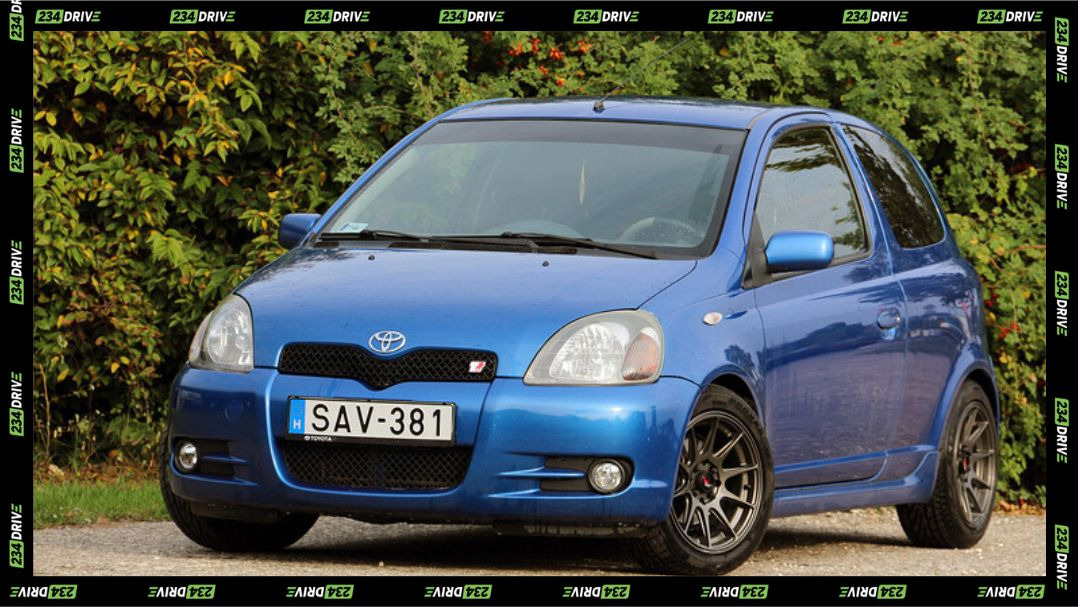
- Fuel Consumption: 40 MPG (~5.9 L/100 km).
- Engineering Edge: While some European specs come with a 1.0L 3-cylinder engine, the 1.5L 4-cylinder found in most Nigerian units is the better balance. It provides enough torque for Nigerian expressways while remaining incredibly sip-efficient.
- Practicality Factor: It uses many parts common with the Corolla. It’s small enough to park easily in congested areas like Balogun Market but has enough ground clearance to handle standard road bumps.
5. Hyundai Accent (2012–2014): The Budget Champion
The Accent is the ‘Toyota Corolla alternative’ for buyers who don’t want to pay the inflated ‘Toyota Tax’ of the used car market.
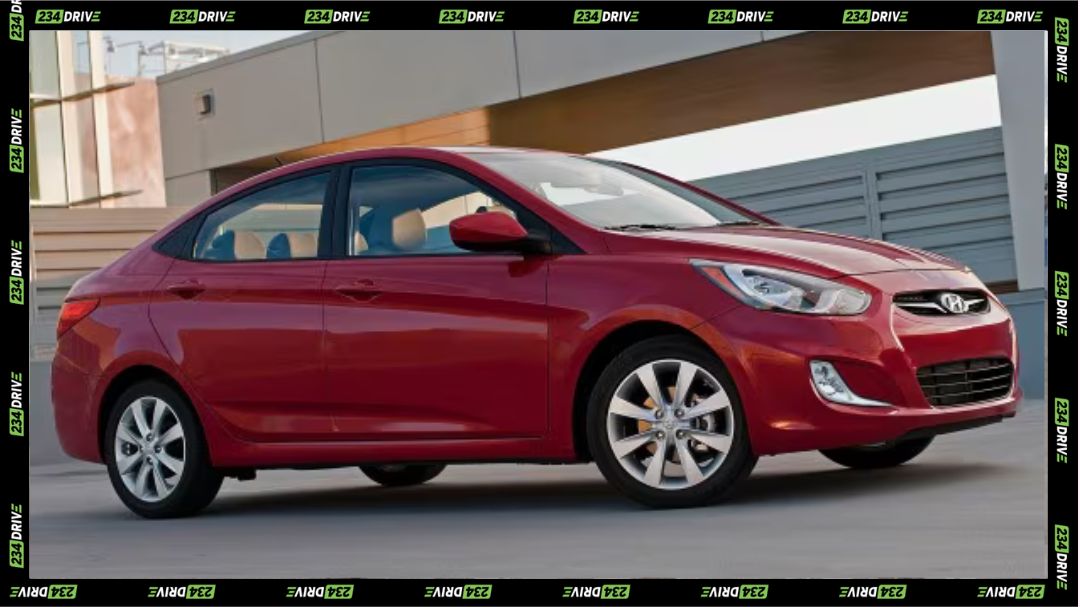
- Fuel Consumption: 33 MPG (~8.6 L/100 km) average; higher in highway conditions.
- Engineering Edge: It’s a very lightweight car, which helps its 1.4L engine stay efficient even when the AC is running on full blast.
- Maintenance Tip: Transmissions on this generation can be sensitive. Regular fluid changes are non-negotiable. If you find one with a documented service history, it is a solid buy.
4. GAC GS4 (1st & 2nd Gen): The Turbocharged SUV
This is the only SUV on this list, proving that high ground clearance doesn’t have to mean high fuel bills.

- Fuel Consumption: 30 MPG (~7.8 L/100 km).
- Engineering Edge: GAC uses a 1.5-litre turbocharged engine here. The turbo provides the torque needed to move an SUV body without needing the massive displacement and fuel gulping of a traditional V6 or 2.5L engine.
- Practicality Factor: You get the high seating position and the ability to navigate flooded roads during the rainy season, all while consuming the same amount of fuel as a small sedan.
3. Toyota Camry ‘Muscle’ (Hybrid): The Executive Economiser
Imagine the comfort and prestige of a Camry Muscle but with the fuel bill of a small hatchback. That is the magic of the Camry Hybrid.
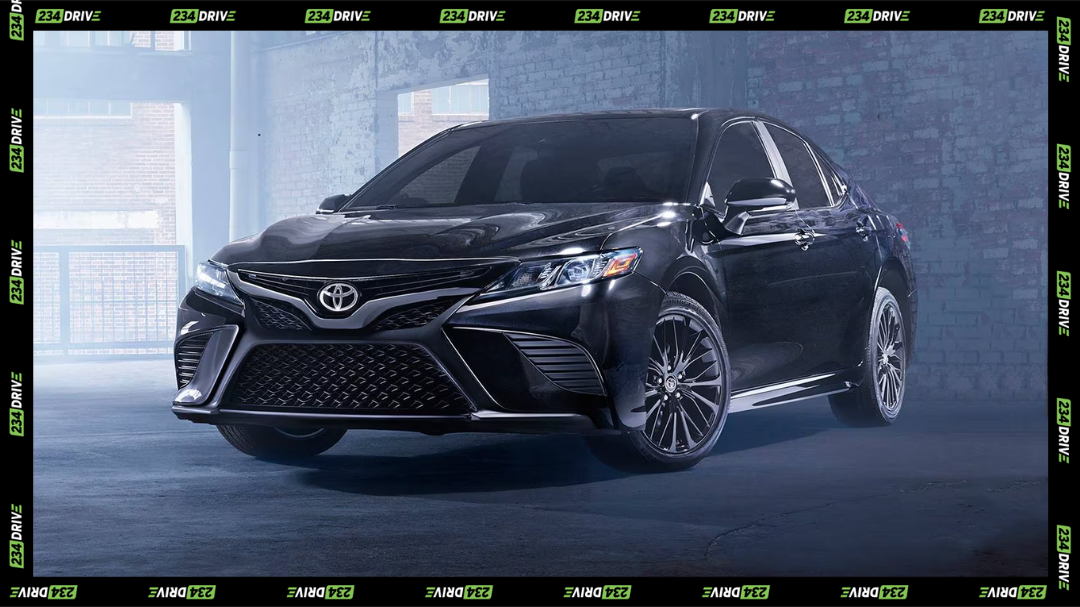
- Fuel Consumption: ~45-50 MPG.
- Engineering Edge: It uses Hybrid Synergy Drive technology paired with a 2.4L engine. When the electric motor assists, the load on the petrol engine drops significantly, especially during the initial take-off where fuel consumption is usually highest.
- Practicality Factor: It’s the perfect executive car. You can attend high-level meetings in a car that looks the part, while secretly saving ₦40,000 every time you fill your tank compared to a standard V6 variant.
2. Honda CR-V (4th Gen) & HR-V: The ‘Earth Dreams’ Duo
Specifically, the 2015+ models with the ‘Earth Dreams’ engine and CVT.
- Fuel Consumption: 28 MPG (CR-V) / 32 MPG (HR-V).
- Engineering Edge: The Earth Dreams technology focuses on reducing internal friction within the engine. When paired with a Continuously Variable Transmission (CVT), the engine can always stay in its most efficient ‘sweet spot’ rather than jumping between gears.
- Practicality Factor: The CR-V is arguably the most reliable family SUV in Nigeria. It is spacious, has excellent safety ratings, and the parts are locally abundant.
1. The People’s Choice
Every car list needs a reality check. There are cars out there—perhaps a Suzuki Swift or a Kia Rio—that have served drivers faithfully at the pump.
What is the most economical car you’ve ever used in Nigeria? Based on current petrol prices, which car do you trust to keep your bank account safe? Share your experience below and let us know which car deserves the top spot for 2026.