
The automotive world witnessed a landmark shift on 18 March 2026, as BMW officially pulled the wrap off the all-new BMW i3. This vehicle, codenamed NA0, is the second model in the ambitious Neue Klasse line-up and serves as the spiritual and technical successor to the brand’s most iconic volume seller, the 3 Series. It is essential to distinguish this new iteration from the quirky, carbon-fibre city car of the previous decade; the 2027 i3 is a clean-sheet, midsize executive sedan designed to define the “Ultimate Driving Machine” for the electric era. By reviving the i3 nameplate for its core model, BMW is signalling a total commitment to electrification while ensuring the DNA of its heritage remains intact.
Visually, the i3 Neue Klasse introduces a modern 2.5-box sedan silhouette that prioritises aerodynamics without sacrificing the classic BMW stance. Measuring 4,760 mm in length, roughly 55 mm longer than the current internal combustion 3 Series, it features a significantly stretched wheelbase and remarkably short overhangs. The front end is dominated by a “four-eyed” illuminated kidney grille that merges seamlessly into the headlight units, creating a digital face that animates as the driver approaches. This minimalist yet aggressive design language, characterised by flared arches and a sleek sloping greenhouse, provides a clear preview of how the entire BMW range will evolve, including upcoming refreshes for the petrol-powered variants.
The interior represents perhaps the most radical departure from tradition in BMW’s century-long history. In a bold move, designers have removed the conventional instrument cluster entirely. In its place sits BMW Panoramic Vision, a full-width light band at the base of the windscreen that projects vital information directly into the driver’s line of sight. This is paired with a massive 17.9-inch touchscreen tilted toward the driver, running the latest Operating System X. The cabin experience is further defined by “Shy Tech”, haptic controls and illuminating surfaces that remain invisible until needed, creating a “Cyberpunk” aesthetic that remains functional and uncluttered.
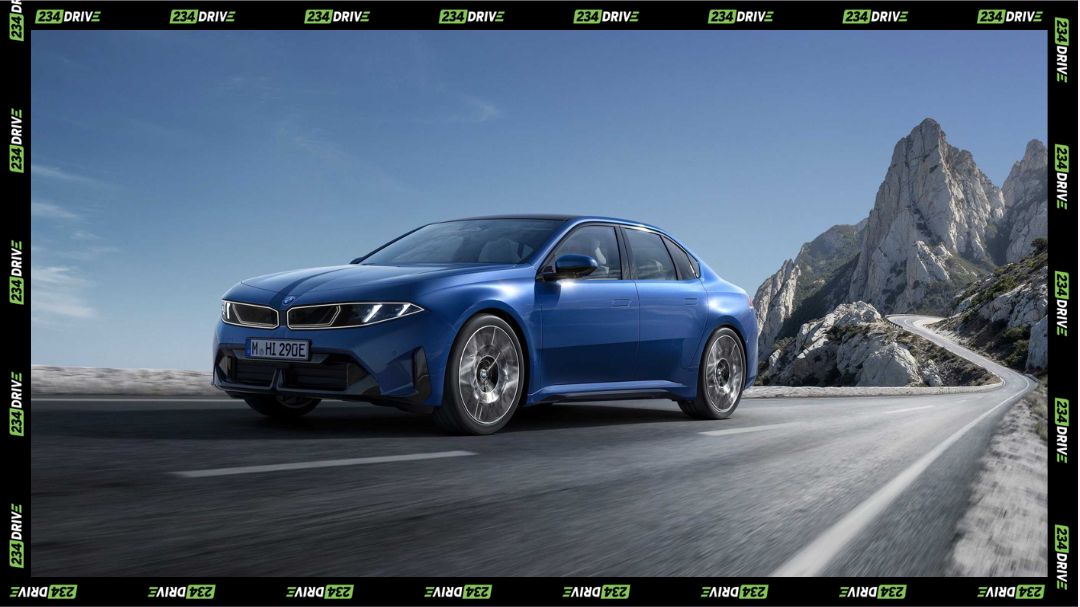
Performance and efficiency figures for the launch-spec i3 50 xDrive are nothing short of industry-leading. Powered by the sixth-generation eDrive system and a sophisticated 800-volt architecture, the dual-motor all-wheel-drive system delivers approximately 345 kW (469 hp) and 645 Nm of torque. Most impressively, the i3 boasts a provisional WLTP range of up to 900 kilometres, effectively making it one of the longest-range production electric vehicles on the planet. This extraordinary range is supported by a 400 kW DC charging capacity, which can replenish 400 kilometres of range in a mere ten minutes, effectively eliminating the “range anxiety” often associated with long-distance travel in regions like South Africa.
Underpinning these figures is a central processing unit BMW calls the “Heart of Joy.” This super-computer integrates the vehicle’s driving dynamics, steering and braking logic into a single hub that operates ten times faster than previous systems. By managing the weight of the battery, which exceeds two tonnes, through advanced software rather than just physical actuators, BMW aims to preserve the agile handling characteristics that 3 Series owners expect. This is complemented by a sophisticated suite of automated driving features, including a motorway assistant capable of hands-free lane changes initiated by a simple glance into the wing mirror.
Sustainability is a core pillar of the Neue Klasse philosophy, and this approach to sustainability is evident in the vehicle’s construction, which uses approximately 30% recycled materials. From front bumpers made of 30% recycled plastic to an engine cover fashioned from reclaimed fishing nets, the car is designed for “circularity,” making it easier to dismantle and recycle at the end of its life. Furthermore, the battery cells use significantly reduced amounts of cobalt and lithium, with production in Munich powered entirely by renewable energy. This holistic approach ensures that the vehicle’s carbon footprint is substantially lower than a comparable petrol-powered model after only a year or two of regular use.
For the South African market, the arrival of the electric i3 in the first quarter of 2027 marks a pivotal moment for the premium segment. While the Munich plant has already produced the first pre-series vehicles ahead of full series production in August 2026, the local launch will provide a high-tech alternative for buyers looking to future-proof their mobility. With the ability to comfortably handle the long-distance trek between Johannesburg and Cape Town on a single charge, the i3 addresses the specific infrastructure challenges of the region. As the 3 Series has always been the heartbeat of the BMW brand, its successful transition to the Neue Klasse platform ensures that the driving pleasure associated with the blue-and-white roundel will endure well into the electric age.