
The BMW i8, produced between 2014 and 2020, represents a pivotal moment in automotive history as one of the first mainstream hybrid supercars. Designed under the “i” sub-brand, it was envisioned as a sustainable performance vehicle that could offer the aesthetics of a concept car with the efficiency of a compact city runabout. Over its six-year production run, the i8 transitioned from a bold experiment to a verified status symbol, particularly among tech-forward enthusiasts and high-net-worth individuals who value innovation as much as raw speed.
In the Nigerian context, the i8 has cultivated a public image of exclusivity and forward-thinking luxury. While most high-end imports in Lagos or Abuja lean towards heavy V8 engines and high-displacement SUVs, the i8 stands out for its intellectual approach to performance. It is a vehicle that signals a transition towards green mobility in a nation heavily reliant on fossil fuels. Buyers drawn to the i8 typically possess a taste for avant-garde design and are willing to navigate the unique challenges of hybrid ownership to make a distinctive statement on the road.
The BMW i8 Coupe (2014–2020)
The exterior design of the BMW i8 Coupe remains one of the most striking sights on modern roads, even years after its discontinuation. Its low-slung profile is defined by a carbon-fibre-reinforced plastic (CFRP) chassis, which allows for complex, aerodynamic shapes that would be impossible with traditional steel. The signature “layered” design language features floating roof pillars and dramatic “scissor” doors that swing upwards, ensuring a theatrical arrival at any destination. Engineering focus on the car’s aerodynamic drag coefficient ensures that every curve from the U-shaped LED headlights to the integrated rear wing is sculpted to slice through the air with minimal resistance.
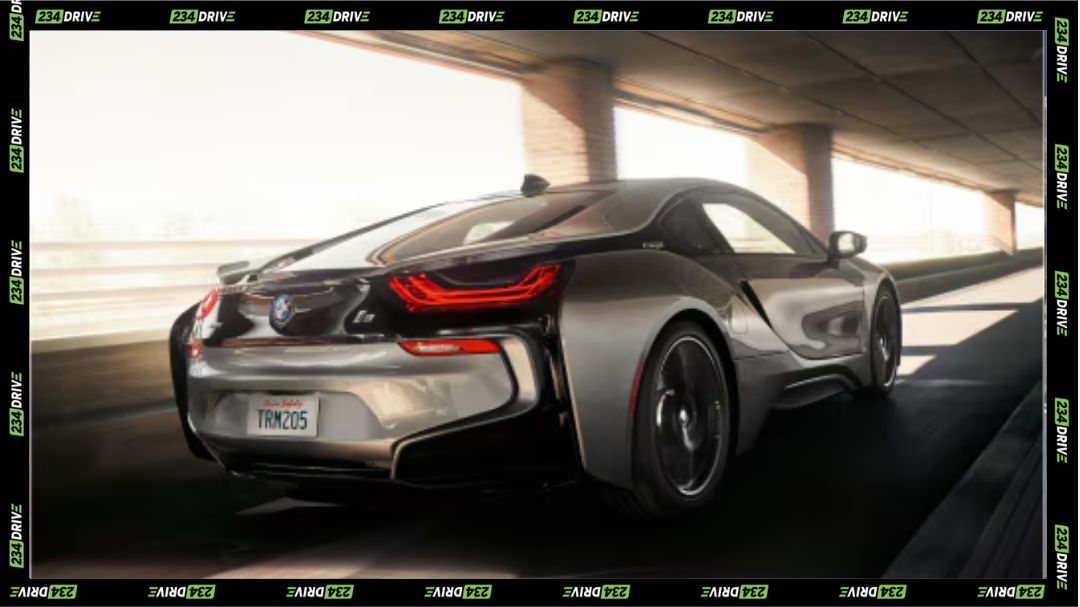
Inside, the i8 Coupe offers a driver-centric cockpit that balances eco-consciousness with premium comfort. The cabin utilises recycled materials and naturally tanned leather, reflecting its sustainable ethos without sacrificing the luxury expected of a BMW. Under the skin, the i8 is powered by a mid-mounted 1.5-litre turbocharged three-cylinder engine paired with a front-axle electric motor, producing a combined 369 hp. This setup enables the car to sprint from 0 to 100 km/h in approximately 4.4 seconds. While the acceleration is brisk and immediate, reviewers often describe the overall driving dynamics as leaning more towards a comfortable grand tourer than a hardcore track machine. In Nigeria, used models range in price from approximately ₦59.5 million for early units to ₦148 million for late-model facelifts.
The BMW i8 Roadster (2018–2020)
Introduced with the 2018 facelift, the BMW i8 Roadster adds an open-air dimension to the hybrid experience. The Roadster retains the striking scissor doors of the Coupe but introduces a sophisticated fabric soft-top that can be retracted or deployed in just 15 seconds at speeds up to 31 mph. To accommodate the roof mechanism, the Roadster loses the cramped rear jump seats of the Coupe, making it a dedicated two-seater. The styling is further enhanced by unique 20-inch alloy wheels and “Roadster” badging on the C-pillars, maintaining a commanding road presence that is arguably even more head-turning than its hardtop sibling.
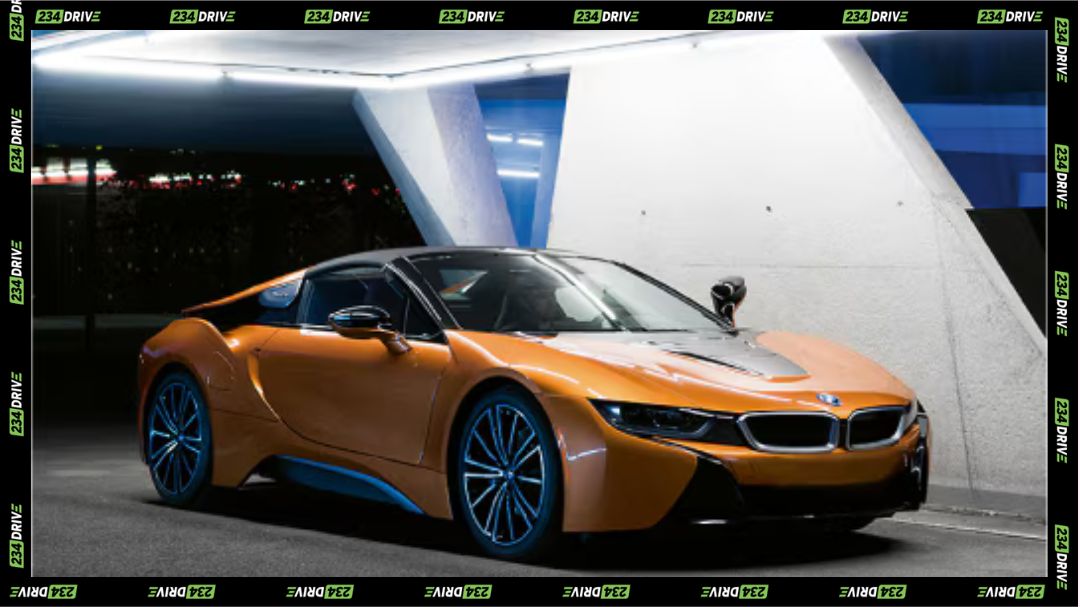
Performance-wise, the Roadster shares the upgraded 11.6 kWh battery pack found in the facelifted Coupe, providing an electric-only range of roughly 35 km. The powertrain remains the same 369 hp hybrid system, though the Roadster’s slightly higher kerb weight means it is a fraction slower to 100 km/h. Despite this, the sensation of near-silent electric cruising with the roof down provides a unique luxury experience. The interior technology is headlined by a 10.25-inch iDrive infotainment system and a Harman Kardon surround-sound system. As detailed in the model’s historical records, the Roadster typically commands a premium of around ₦10 million over the equivalent Coupe on the used market.
How it Fits in the Nigerian Scene
Owning a BMW i8 in Nigeria presents a unique set of practical considerations, primarily regarding the country’s diverse road conditions and climate. With a ground clearance of only 117 mm, the i8 is susceptible to damage from large potholes and high speed bumps commonly found in residential areas. Consequently, its use is best restricted to well-paved urban corridors like Victoria Island, Ikoyi, or the central districts of Abuja. Furthermore, Nigeria’s high ambient temperatures can place additional stress on the lithium-ion battery and cooling systems; owners must ensure that the vehicle’s intricate cooling ducts are kept clear of debris to maintain optimal battery health.
From a lifestyle perspective, the i8 is a prestigious choice that aligns with the growing global trend towards green energy, yet it faces infrastructure hurdles locally. Recent studies on electric vehicle infrastructure suggest that with only about 180 public charging stations nationwide, most Nigerian owners will rely heavily on the petrol engine or home-based solar charging solutions. However, the hybrid nature of the car serves as an excellent hedge against local fuel scarcity; when petrol is in short supply, the electric range provides a vital buffer for short urban commutes. While maintenance requires specialised technicians, the i8 remains a viable daily driver for the affluent urbanite who wants to blend high-fashion aesthetics with the relative fuel economy of a hybrid system.
Comparative Analysis and Market Positioning
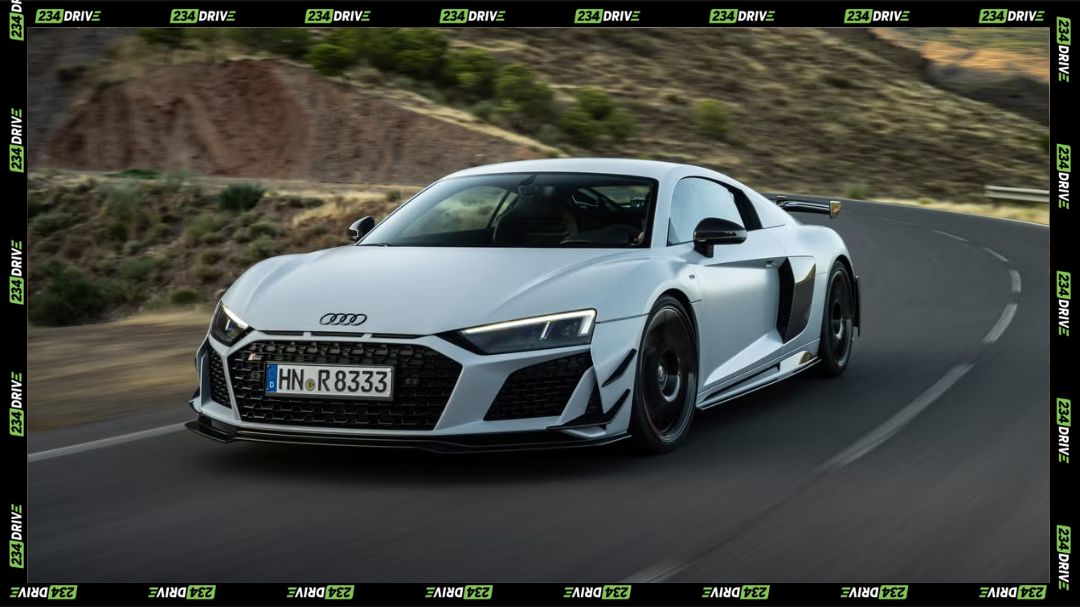
When compared to its segment rivals, the BMW i8 occupies a niche that balances efficiency with supercar styling. Against traditional internal combustion rivals like the Porsche 911 or the Audi R8, the i8 is significantly more fuel-efficient, especially in heavy Lagos traffic where the electric motor can take over. However, the Porsche 911 generally offers superior mechanical durability and a more engaging driving experience, making it a more popular choice for those who prioritise performance over technology. In terms of cost, a used i8 is often more affordable to purchase than a mid-tier 911, though estimates for annual upkeep and repairs indicate that the complexity of the hybrid system means that long-term maintenance can be unpredictable.
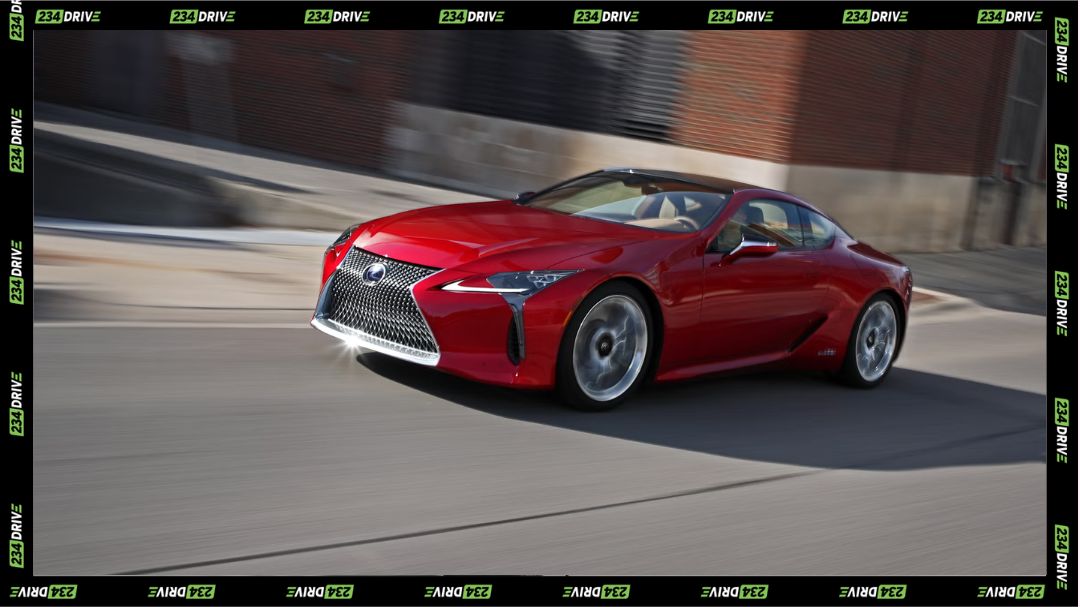
Another strong competitor in the Nigerian luxury market is the Lexus LC 500h. The Lexus offers a similarly striking design and a hybrid powertrain, but with the added benefit of Toyota’s legendary reputation for reliability and a more robust service network within Nigeria. While the i8 has a higher “wow factor” due to its butterfly doors and futuristic CFRP construction, the Lexus LC 500h typically holds its resale value better and is easier to maintain at independent garages. For the Nigerian buyer, choosing the i8 is an emotional decision driven by a desire for the most futuristic vehicle available, whereas the Lexus or Porsche are often seen as more pragmatic long-term investments.
Conclusion
The BMW i8 remains a remarkable achievement in automotive engineering, successfully proving that eco-friendly technology can be packaged in a heart-stoppingly beautiful form. Its key strengths lie in its dramatic design, the instant torque provided by its hybrid powertrain, and its surprisingly civilised ride quality. For the Nigerian buyer, it offers a unique blend of prestige and efficiency, provided one is mindful of the low ground clearance and the need for specialised servicing.
Whether you are looking for a futuristic cruiser for the streets of Lagos or a piece of automotive history to add to a collection, the i8 makes a compelling case for itself. It is a car that refuses to be ignored and continues to look like it arrived from the future. We would love to hear your thoughts, would you choose the efficiency of the i8 over the raw power of a traditional V8 supercar?