
Dongfeng Motor Corporation has established itself as a significant player in Nigeria’s automotive market, offering a diverse range of vehicles from rugged pickup trucks to cutting-edge electric SUVs. The Chinese automaker’s strategic partnerships with local assemblers like Dana Motors Limited, SAGLEV Electromobility, and Innoson Vehicles Manufacturing have enabled the brand to deliver affordable, feature-rich vehicles tailored to Nigerian drivers’ needs. Through local assembly initiatives supported by the National Automotive Industry Development Plan, Dongfeng has managed to reduce costs by 20-30% compared to full imports, making premium features accessible to a broader market segment.
With official distributors in major cities including Lagos and Abuja, Dongfeng’s portfolio spans commercial pickups, family-oriented MPVs, stylish sedans, and groundbreaking electric vehicles. The brand’s commitment to addressing Nigeria’s unique driving conditions characterized by challenging road infrastructure and tropical climate has resulted in vehicles equipped with robust suspension systems, powerful engines, and practical features. As the automotive landscape evolves toward sustainable mobility, Dongfeng’s electric vehicle offerings, including the locally-assembled luxury EVs, position the brand at the forefront of Nigeria’s green transportation future.
Dongfeng Rich 6 Pickup Truck
The Dongfeng Rich 6 commands attention on Nigerian roads with its bold, muscular exterior that communicates capability and strength. The pickup’s high ground clearance and aggressive front grille design give it a commanding road presence, while chrome accents and LED lighting elements add contemporary sophistication. Available in both single and double-cab configurations, the Rich 6 features a reinforced cargo bed capable of handling loads from 1 to 10 tons, with protective bed liners and secure tie-down points. The vehicle’s rugged body-on-frame construction and flared wheel arches accommodate all-terrain tires, making it equally at home on Lagos expressways or rural construction sites across the country.
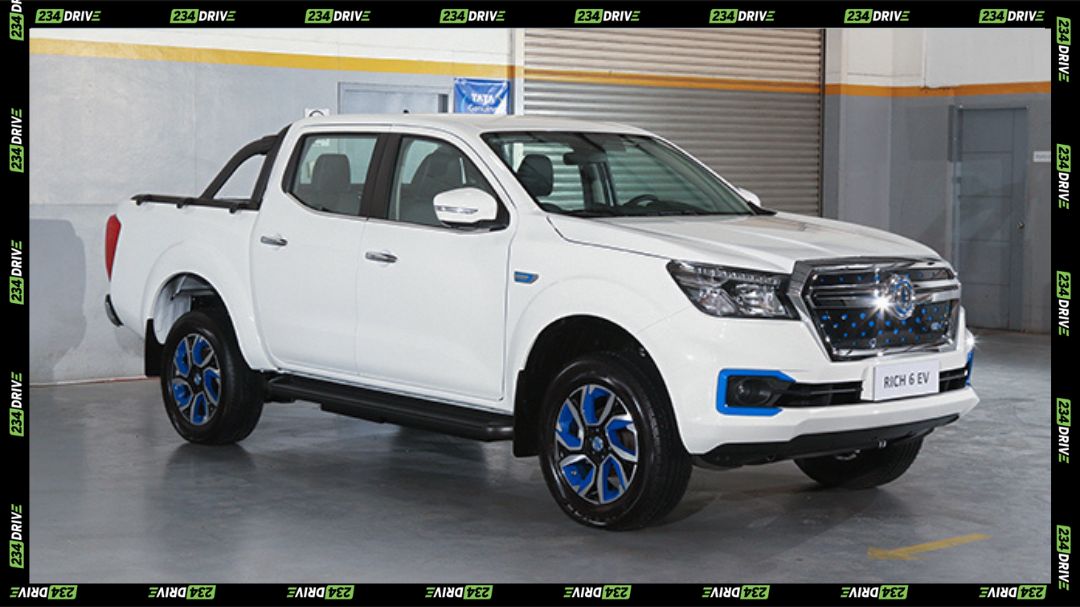
Inside the cabin, the Rich 6 balances utilitarian functionality with modern comfort, offering air conditioning essential for Nigeria’s tropical climate and a straightforward dashboard layout with intuitive controls. The seats are upholstered in durable materials designed to withstand heavy commercial use while providing adequate support for long-distance driving. Under the hood, buyers can choose between petrol and diesel engine options, both engineered to deliver reliable power across varied terrain. The 4×4 capability ensures confident handling on unpaved roads and during rainy seasons when flooding becomes a concern. Manual transmission options keep maintenance costs manageable, while the suspension system absorbs impacts from pothole-riddled roads with remarkable efficiency. Priced between ₦35 million and ₦55 million for 2025 models, the Rich 6 represents a significant investment that’s justified by its versatility for both commercial logistics and personal transportation needs.
Dongfeng Aeolus Mage SUV
The Dongfeng Aeolus Mage showcases contemporary automotive design with flowing lines, sculpted body panels, and a sophisticated front fascia featuring sleek LED headlamps. Whether configured as an SUV or sedan variant, the Mage exudes urban elegance with its chrome trim accents, aerodynamic profile, and premium wheel designs. The vehicle’s paint quality and panel gaps reflect improved manufacturing standards that challenge preconceptions about Chinese automotive brands. Large windows provide excellent visibility, crucial for navigating congested Nigerian city traffic, while the elevated stance of the SUV variant offers drivers a commanding view of road conditions ahead.
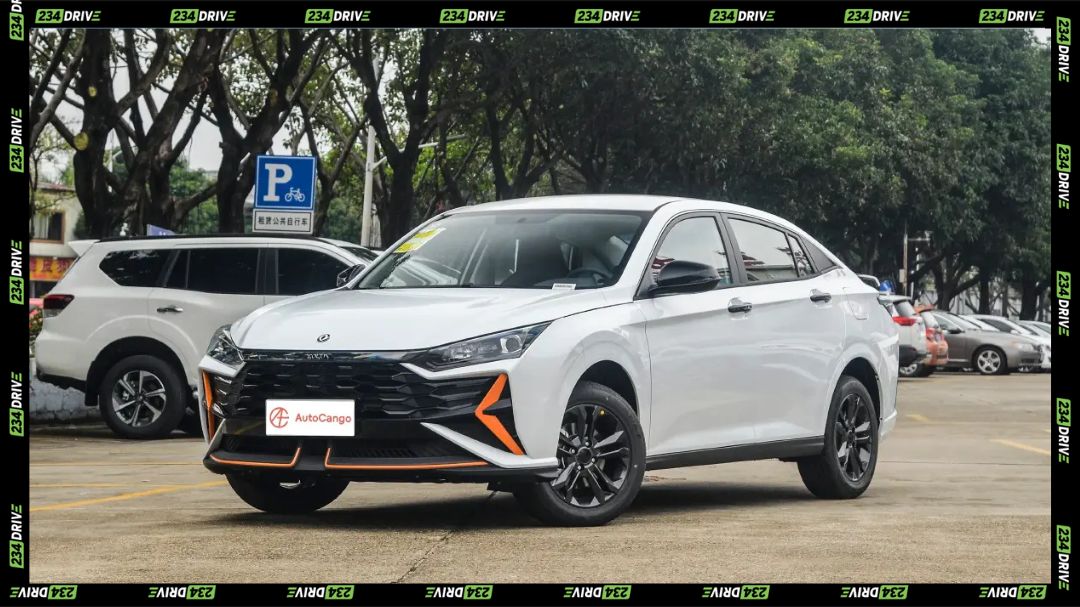
The Aeolus Mage’s interior represents a significant leap forward in technology integration, featuring a high-tech cockpit with touchscreen infotainment systems, digital instrument clusters, and smartphone connectivity. Climate control systems work efficiently to combat Nigeria’s heat, while sound insulation ensures a quiet cabin environment even on noisy urban roads. Spacious seating accommodations for five passengers include comfortable bolstering and adjustable configurations. The engine delivers responsive acceleration suitable for both city commuting and highway cruising, with power output calibrated to balance performance and fuel efficiency—an important consideration given Nigeria’s fluctuating fuel prices. The suspension tuning successfully manages the transition between smooth expressways and deteriorated secondary roads, maintaining composure and passenger comfort. With pricing ranging from ₦33 million to ₦50 million, the Aeolus Mage positions itself as an aspirational vehicle for Nigeria’s growing middle class, offering premium features at a fraction of the cost demanded by established Western brands.
Dongfeng Nammi Box Electric Vehicle
The Dongfeng Nammi Box, also rebadged as the Innoson IVM EX02, presents a compact, modern design philosophy that prioritizes efficiency and urban maneuverability. Its boxy silhouette maximizes interior space while minimizing the vehicle’s footprint, making it ideal for navigating tight parking situations in Lagos or Abuja. The EV’s contemporary styling features smooth surfaces, distinctive LED lighting signatures, and aerodynamic elements that enhance range efficiency. Available in multiple color options, the Nammi Box appeals to environmentally conscious Nigerian drivers seeking to reduce fuel expenses while making a statement about sustainability.
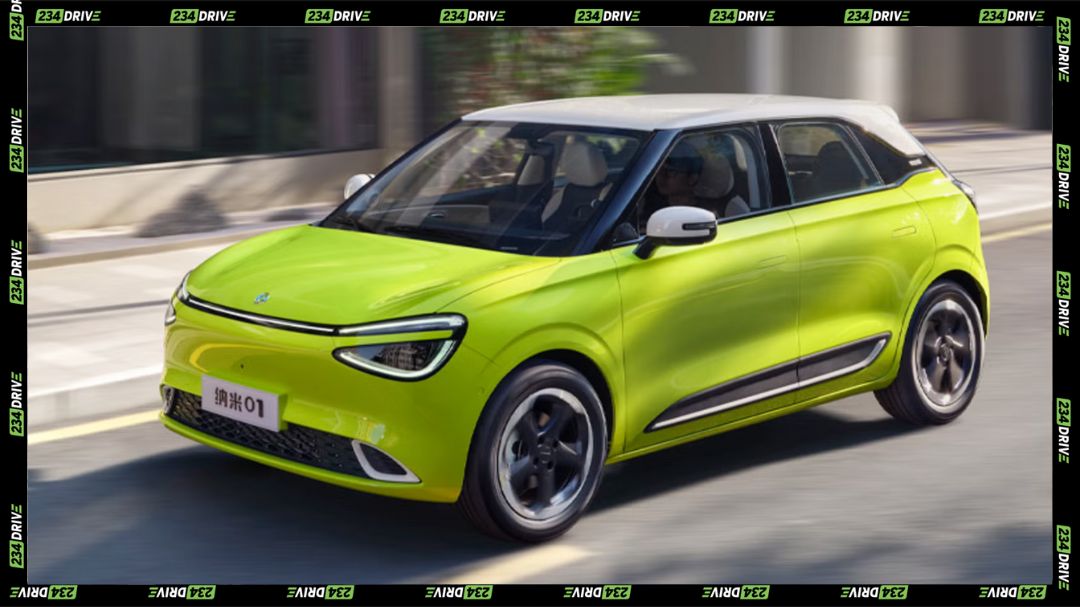
The cabin design emphasizes simplicity and functionality, with digital displays providing real-time information about battery status, range estimates, and energy consumption. The 42.3 kWh battery pack delivers an impressive 310-430 km range on a single charge, sufficient for most daily commuting needs within Nigerian cities where average daily driving distances rarely exceed 50 km. The electric powertrain offers instant torque delivery, providing brisk acceleration up to its top speed of 140 km/h, while regenerative braking systems help extend range in stop-and-go traffic conditions. The vehicle’s compact dimensions don’t compromise interior space, with thoughtful storage solutions and comfortable seating for four adults. However, potential buyers must consider Nigeria’s developing charging infrastructure, though home charging solutions can be installed for overnight replenishment. Priced between ₦17 million and ₦38 million, the Nammi Box benefits from duty-free import status for electric vehicles, making it one of the most accessible EVs in the Nigerian market and offering substantial long-term savings on fuel costs despite the higher initial purchase price compared to entry-level petrol vehicles.
M-Hero 917 Luxury Electric SUV
The M-Hero 917 represents the pinnacle of Dongfeng’s engineering capabilities, featuring a bold, imposing exterior design that blends luxury SUV aesthetics with serious off-road capability. Its distinctive grille design, muscular body lines, and substantial dimensions create an unmistakable road presence that commands respect on Nigerian streets. The vehicle’s advanced lighting systems, including adaptive LED headlamps and signature daytime running lights, combine functionality with striking visual impact. Premium paint finishes and meticulous attention to detail in panel alignment reflect its status as a luxury offering, while protective cladding and high ground clearance signal its ability to venture beyond paved roads.
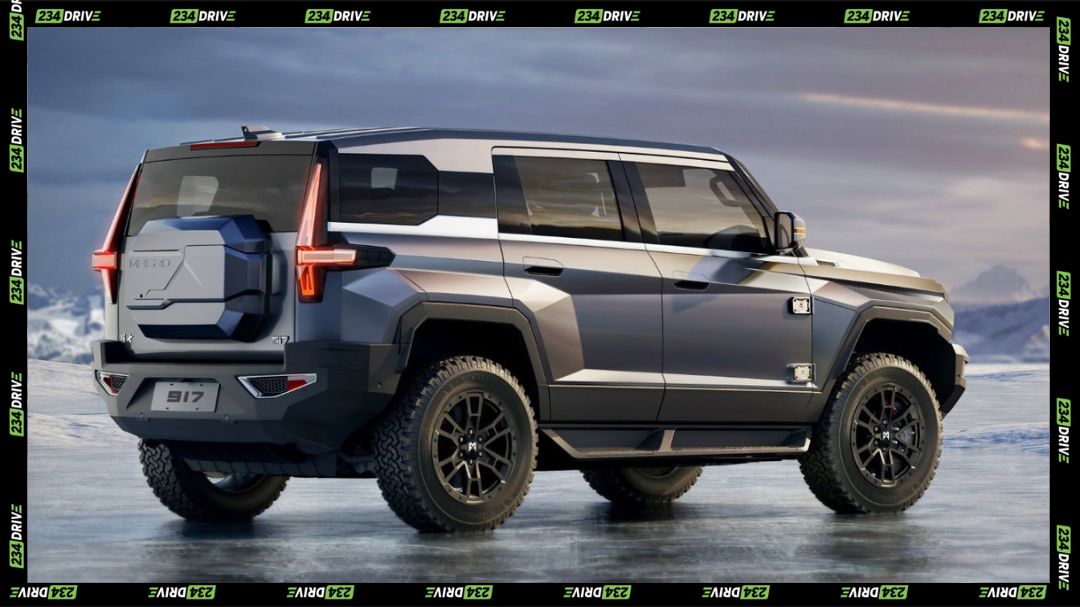
Inside, the M-Hero 917’s cabin represents automotive opulence with Nappa leather upholstery, a three-screen cockpit configuration providing comprehensive information and entertainment options, and premium materials throughout. Advanced climate control systems ensure occupant comfort regardless of Nigeria’s tropical heat, while sophisticated sound systems deliver concert-quality audio. The technological tour de force continues with the quad-motor electric powertrain generating over 1,000 horsepower, enabling acceleration from 0-100 km/h in just 4.2 seconds—performance figures that rival exotic sports cars. The innovative “crab-walk” feature allows diagonal movement, useful for tight parking situations or navigating challenging terrain. Assembled at SAGLEV’s Imota facility, this represents Africa’s first locally-made luxury off-road EV, with annual production capped at 1,000 units globally, ensuring exclusivity. The sophisticated suspension system adapts to varying road conditions, providing both comfort on highways and capability on unpaved roads. At ₦220 million, the M-Hero 917 targets Nigeria’s ultra-wealthy segment, offering a unique combination of environmental consciousness, cutting-edge technology, and status symbol appeal that’s unmatched in the domestic market.
Dongfeng Lingzhi M3 MPV
The Dongfeng Lingzhi M3 presents a practical, van-like exterior with sliding doors that facilitate easy access in tight parking spaces, a common scenario in Nigerian commercial areas. Available in colors including blue and white, the M3’s boxy design prioritizes interior volume over aerodynamic styling, resulting in one of the most spacious cabins in its segment. The vehicle’s large windows provide excellent visibility from all seating positions, while the upright windscreen offers drivers clear sightlines crucial for navigating crowded streets. Robust construction and protective side moldings help the M3 withstand the inevitable scrapes and bumps of commercial or family use.
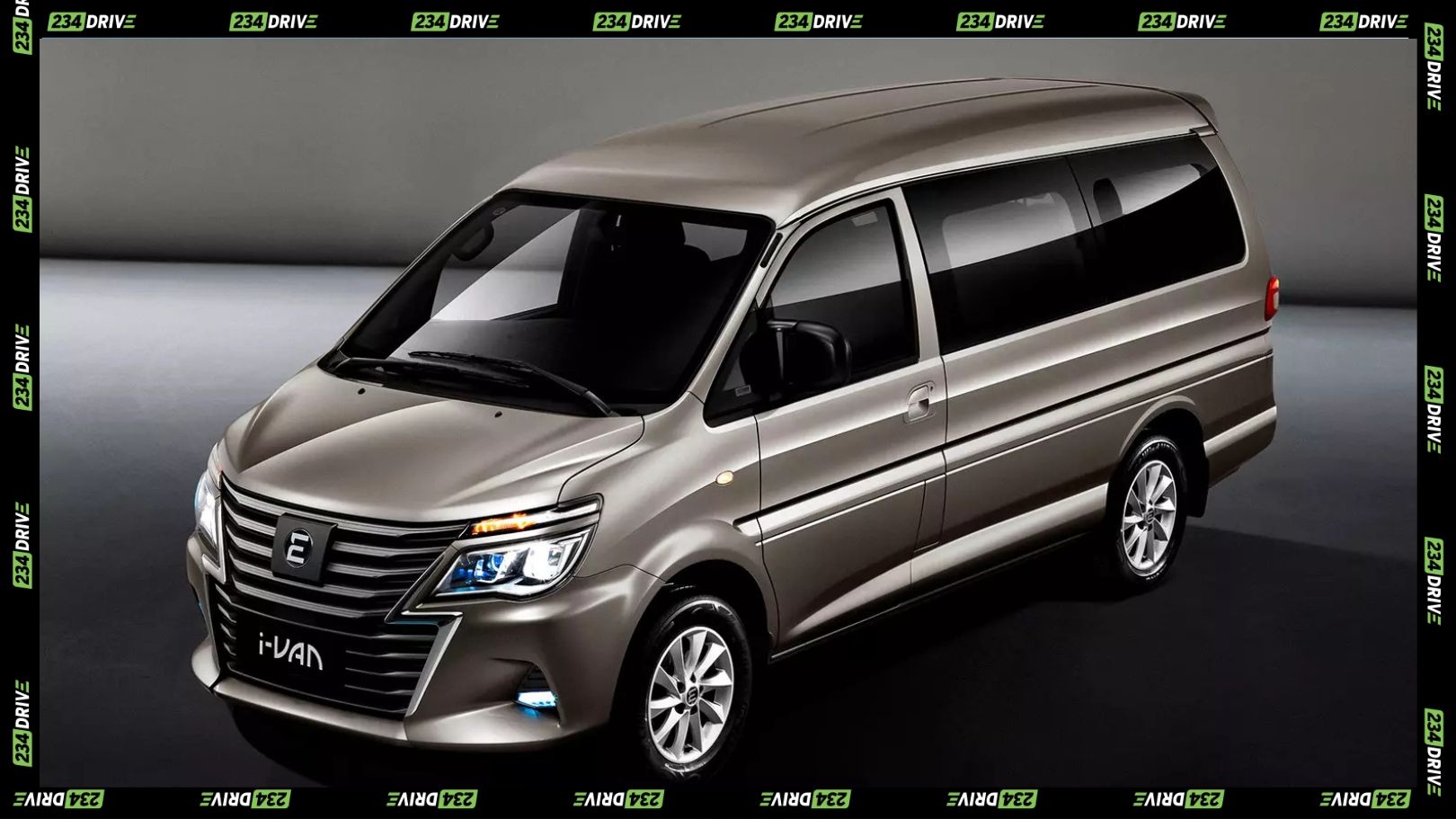
The interior’s configurable seating arrangements accommodate up to eight passengers or can be adjusted to prioritize cargo capacity, making the M3 versatile for family transportation, small business operations, or shuttle services. Air conditioning throughout the cabin ensures passenger comfort during Nigeria’s hot seasons, while multiple access points allow quick entry and exit. The engine provides adequate power for both urban driving and highway trips, with emphasis on reliability rather than sporty performance. The suspension system manages the transition between loaded and unloaded states effectively, maintaining ride quality whether carrying passengers or cargo. With prices starting around ₦37.5 million for newer models, the Lingzhi M3 serves Nigerian families and small business owners seeking maximum utility and reliability from their vehicle investment, offering a compelling alternative to aging imported minivans that dominate the commercial transport sector.
Performance on Nigerian Roads
Operating Dongfeng vehicles in Nigeria requires consideration of the country’s unique infrastructure challenges and environmental conditions. The nation’s road network varies dramatically from well-maintained expressways in Lagos and Abuja to severely deteriorated secondary roads in rural areas, where potholes, erosion, and unpaved surfaces test vehicle durability. Dongfeng’s engineering emphasis on robust suspension systems, high ground clearance, and sturdy construction proves particularly relevant, as models like the Rich 6 and M-Hero 917 navigate these conditions with confidence. The tropical climate, characterized by intense heat, high humidity, and seasonal heavy rainfall, demands reliable air conditioning systems and corrosion-resistant materials areas where Dongfeng’s specifications address local needs. During rainy seasons, flooding in urban areas requires vehicles with adequate wading capabilities, making the higher-riding SUVs and pickups practical choices.
The ownership experience also reflects practical considerations around maintenance and parts availability, areas where Dongfeng’s local assembly partnerships with Dana Motors Limited and authorized service networks aim to build trust. The establishment of showrooms in strategic locations like Victoria Island and Ikeja ensures accessible after-sales support, while warranty offerings of 3-5 years provide buyers with confidence in their investments. For electric vehicles like the Nammi Box and M-Hero 917, the developing charging infrastructure presents both challenges and opportunities, as early adopters must plan around limited public charging stations while potentially benefiting from home installation options and government incentives supporting clean energy adoption. The prestige factor varies across Dongfeng’s range—while the M-Hero 917 serves as a status symbol comparable to established luxury brands, more affordable models like the Rich 6 appeal to pragmatic buyers prioritizing value and capability over badge recognition, gradually reshaping perceptions about Chinese automotive quality in the Nigerian market.
Where It Stands in the Market
When compared to segment rivals, Dongfeng vehicles offer compelling value propositions that challenge established competitors across multiple categories. The Rich 6 pickup truck competes directly with offerings from Ford Ranger, Toyota Hilux, and Mitsubishi L200, typically priced ₦20-40 million higher for equivalent specifications. While Toyota’s reputation for legendary reliability commands premium pricing, Dongfeng counters with comparable build quality, modern features, and significantly lower acquisition costs, making commercial fleet purchases more feasible for Nigerian businesses. The Aeolus Mage faces competition from mid-range SUVs like the Hyundai Tucson and Nissan X-Trail, both priced in the ₦45-60 million range, where Dongfeng’s lower pricing and generous equipment levels provide clear advantages for budget-conscious buyers seeking premium features. However, resale values remain an uncertainty, as the brand’s relative newness in Nigeria means limited historical data on depreciation patterns compared to established Japanese and Korean competitors whose strong resale performance is well-documented.
In the electric vehicle segment, the Nammi Box and M-Hero 917 occupy unique positions with minimal direct competition in Nigeria’s nascent EV market. The Nammi Box’s ₦17-38 million price range undercuts virtually all other EVs available domestically, making electric mobility accessible to middle-income buyers who previously couldn’t consider such technology. Traditional EV competitors like Tesla or European electric models carry import duties and premium positioning that place them well above ₦50 million, creating a substantial price gap that Dongfeng exploits through duty-free advantages and local assembly cost savings. Maintenance costs for Dongfeng vehicles generally trend lower than premium Western brands due to simpler mechanical systems and growing parts availability through authorized networks, though specialized service requirements for advanced EVs like the M-Hero 917 may present challenges. The durability question remains partially unanswered, as Dongfeng’s expanded presence in Nigeria only dates back to the mid-2010s, providing limited long-term ownership data compared to brands like Toyota or Honda with decades of proven performance in harsh African conditions—a factor that conservative buyers rightfully consider when making purchase decisions.
Conclusion
Dongfeng Motor Corporation’s expanding portfolio in Nigeria demonstrates a strategic understanding of local market needs, offering vehicles that balance affordability, modern features, and practical capability for challenging driving conditions. From the workhorse Rich 6 pickup serving commercial operators to the groundbreaking M-Hero 917 luxury EV targeting wealthy early adopters, the brand spans diverse segments while maintaining consistent value positioning. The commitment to local assembly through partnerships with established Nigerian firms not only reduces costs but also contributes to employment generation and technology transfer, aligning with national automotive industry development goals. While questions about long-term reliability and resale values persist due to the brand’s relative newness in the market, Dongfeng’s global reputation, comprehensive warranties, and growing service network provide reassurance to potential buyers.
The brand’s particular strength lies in democratizing advanced automotive technology—making features like electric powertrains, sophisticated infotainment systems, and premium comfort available at price points well below traditional luxury brands. As Nigeria’s automotive landscape evolves and infrastructure gradually improves, Dongfeng appears well-positioned to capture market share from established competitors, especially among younger, value-conscious buyers less bound by brand loyalty to Japanese or European manufacturers. What’s your take on Chinese automotive brands in Nigeria—do Dongfeng’s competitive prices and modern features make them a smart choice, or would you prefer sticking with established brands despite higher costs? Share your thoughts and experiences with Dongfeng vehicles in the comments below.