
The elusive holy grail of electric vehicle technology has reportedly been discovered, not within the heavily funded research and development laboratories of a global automotive conglomerate, but by a tenacious Finnish startup determined to rewrite the rules of energy storage. In a revelation that has sent shockwaves through the consumer electronics and automotive sectors, Donut Lab officially unveiled what they describe as the world’s first production-ready all-solid-state battery at CES 2026 in Las Vegas. This announcement, made on 5th of January, marks a potential pivotal moment in the transition away from fossil fuels, promising to shatter the current limitations of lithium-ion technology. The startup has joined forces with high-performance electric superbike manufacturer Verge Motorcycles to bring this technology to market immediately, signalling that the era of solid-state mobility may have arrived years earlier than industry analysts predicted.
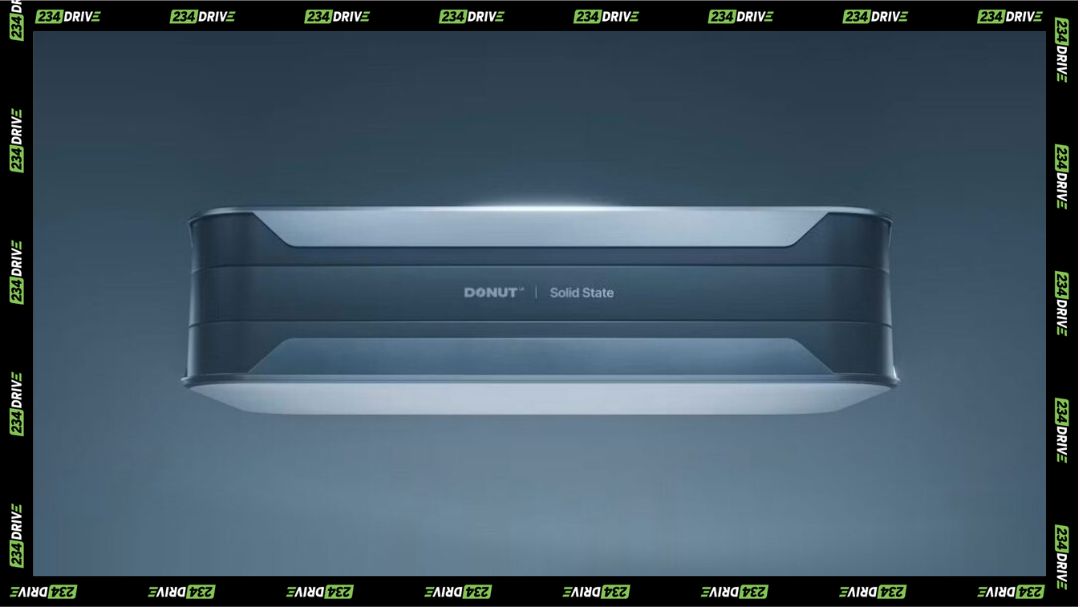
The core of this breakthrough involves a strategic collaboration between Helsinki-based Donut Lab and Verge Motorcycles, two companies that share more than just a Nordic heritage. The partnership aims to integrate the newly branded “Donut Battery” into Verge’s flagship electric motorcycles, specifically the Verge TS Pro and Ultra models, with deliveries slated for the first quarter of 2026. This timeline is aggressively ambitious, bypassing the typical years-long validation phases that plague battery innovations. The initiative is not merely a prototype display; the companies assert that the technology is ready for mass production and immediate road use, intending to replace flammable liquid electrolytes with robust solid materials. This shift is designed to deliver a powertrain that is lighter, safer, and significantly more efficient than anything currently available on the mass market.
Technologically, the claims surrounding the Donut Battery are nothing short of revolutionary, positioning it as a disruptive force in the EV sector. The specifications released at the launch detail a power source that achieves an energy density of 400 Wh/kg at the cell level, a figure that nearly doubles the capacity of standard commercial batteries. This density allows for a range of up to 600 kilometres (approximately 370 miles) on a single charge for the motorcycle, effectively eliminating range anxiety for two-wheeled travellers. Perhaps most strikingly, the battery supports five minute charging for a complete cycle, or the ability to add 300 kilometres of range in under ten minutes. Furthermore, the company touts an operational lifespan of up to 100,000 cycles without significant degradation, a metric that, if verified, would mean the battery could theoretically outlast the vehicle itself by decades.
The division of labour in this Nordic alliance is clear-cut yet deeply integrated, leveraging the strengths of both entities to accelerate deployment. Donut Lab, founded by experts in electric mobility and supported by heavyweights like former Nokia CEO Risto Siilasmaa, serves as the engine of innovation, developing the chemical architecture and manufacturing processes for the production-ready all-solid-state battery. Their role focuses on the complex materials science required to stabilise the solid electrolyte and scale production using abundant, non-volatile materials. Conversely, Verge Motorcycles acts as the real-world application platform, engineering the chassis and software required to harness this immense power. This symbiotic relationship allows Donut Lab to bypass the slow-moving automotive supply chain and prove their technology in a high-performance, low-volume segment before scaling up to larger vehicles.
This move signals a dramatic shift in business strategy within the battery sector, moving away from the incremental improvements of established giants towards agile, leapfrog innovations from smaller players. By targeting the motorcycle niche first, Donut Lab avoids the massive capital requirements of supplying millions of car batteries, instead securing a premium beachhead market where performance is paramount. This strategy aligns with a broader industry push to secure supply chains that are less reliant on geopolitically sensitive materials; the Donut Battery reportedly avoids rare earth elements, utilising abundant alternatives that could eventually drive costs below those of traditional lithium-ion packs. It is a calculated gamble that prioritises speed and vertical integration, as Verge switches to in-house tech capabilities to gain a competitive edge over rivals still tethered to conventional battery suppliers.
When viewed against the global backdrop, the pace of Donut Lab’s execution stands in stark contrast to the sluggish timelines of major competitors. Automotive titans like Toyota and battery specialists like QuantumScape have spent over a decade and billions of dollars pursuing solid-state batteries, with mass-market targets frequently pushed back to 2027 or 2030. While these giants struggle with the complexities of scaling up for millions of passenger cars, Donut Lab claims to have solved the manufacturing puzzle using existing roll-to-roll processes. This divergence highlights a potential disruption where smaller, more nimble European startups could redefine electric motorcycles and eventually broader mobility sectors, beating established Asian and American incumbents to the punch. The sheer audacity of launching a commercially available product while competitors are still showcasing lab samples suggests a potential changing of the guard in cleantech leadership.
However, the execution details of the Donut Battery have drawn intense scrutiny from industry experts and physicists alike. The claimed performance metrics—operating flawlessly in temperatures ranging from -30°C to 100°C and enduring 100,000 charge cycles—defy the known degradation curves of current electrochemical systems. Skeptics point out that achieving such high energy density usually requires lithium-metal anodes, which historically struggle with “dendrite” formation that causes short circuits. Donut Lab asserts their ceramic or polymer-composite electrolyte prevents this, but the absence of independent third-party validation from bodies like UL or independent automotive labs leaves a gap in credibility. Furthermore, no physical battery cells were dissected for public viewing at CES; only 3D-printed models were on display, leading some to question whether the “solid-state” label is being applied to a semi-solid or hybrid polymer technology rather than the pure ceramic breakthrough implied.
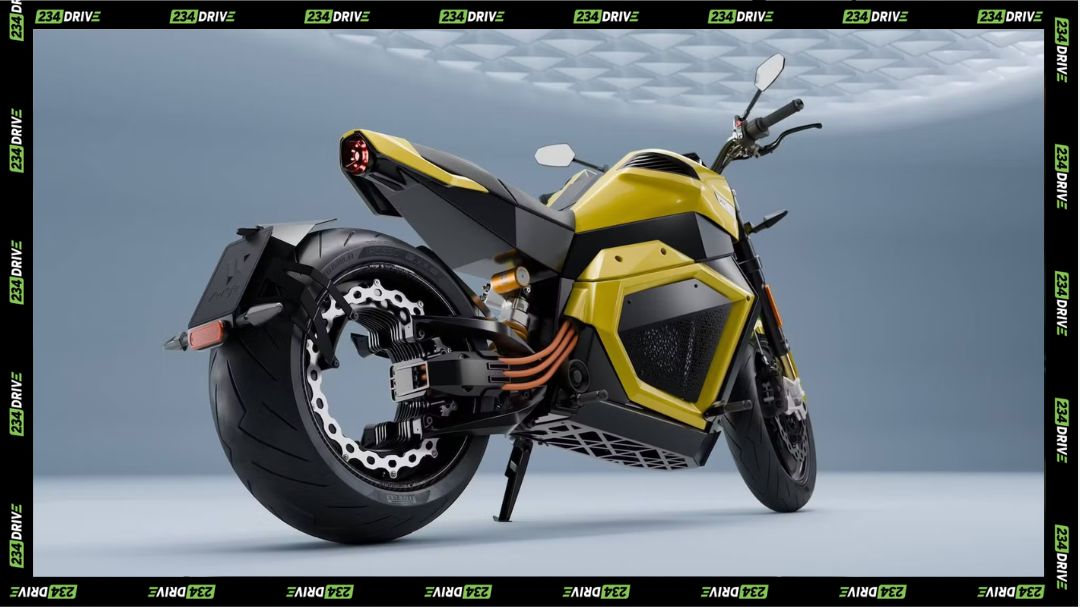
Despite the skepticism, the track record of the individuals involved lends some weight to the project’s legitimacy. The startup has raised nearly $30 million in seed funding and boasts a leadership team with deep roots in the technology sector. The familial connection between the CEOs of Donut Lab and Verge—they are brothers—has been cited by some as a conflict of interest regarding validation, but by others as a streamlined decision-making advantage that facilitated this rapid rollout. If the Verge TS Pro hits the roads in Q1 2026 as promised, delivering real-world data that matches the spec sheet, it would serve as undeniable proof of concept. The motorcycle’s hubless rim motor design already proved Verge’s ability to innovate; adding a groundbreaking battery would cement their status as a technological pioneer.
Ultimately, this announcement forces the industry to confront a critical question: is the future of energy storage being held back by the caution of incumbents, or are the physical limits of chemistry being oversold by ambitious newcomers? As Donut Lab prepares to ship its first units, the transition from hype to fleet-scale operations faces its final test. If successful, the Donut Battery could render current EV infrastructure obsolete overnight, shifting the focus from building more chargers to building better batteries. But until independent data confirms the miracle numbers, the industry will watch with a mixture of hope and heavy skepticism.