
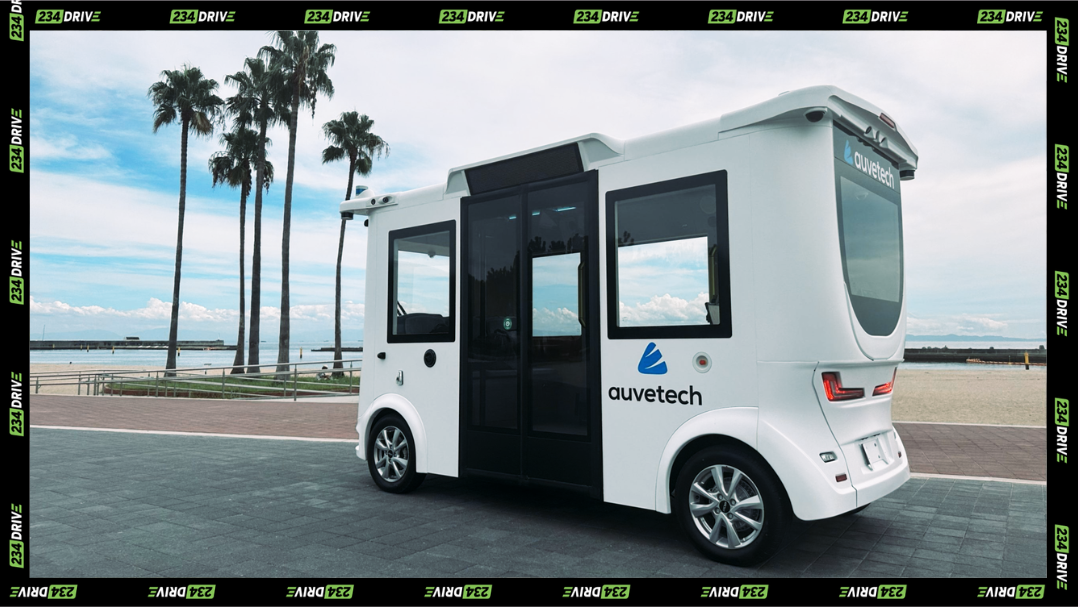
An Auve Tech MiCa autonomous shuttle parked by the roadside. | Source: Invest in Estonia
The autonomous shuttle, developed and manufactured in Estonia by Auve Tech OÜ, is already operating in 17 countries. Its biggest opportunities so far are, however, in Japan, the Middle East, and the United States—with the European Union lagging behind.
What Is Slowing Down Self-Driving Vehicles in Europe?
The MiCa is a small, eight-seater shuttle that drives itself at speeds of up to 25 km/h and can run for about 20 hours a day. It uses LiDAR, cameras and sensors to “see” the road, spot objects, detect crossings, and map out its next move in real time. During recent trials at Tallinn Airport, the vehicle covered more than 2,150 kilometres and transported more than 200 passengers. The technology works. The testing phase is no longer theoretical.
What makes the situation more striking is that everything is built in Europe and often completed within a week. The company keeps manufacturing in-house to manage quality and reduce risk.
Company leaders argue that the issue is not the technology but the system around it. Funding for autonomous vehicles in Europe does not match what is happening in China or the US. At the same time, regulations differ across the EU’s 27 member states. Even though Europe operates as a single market, companies must navigate separate approval processes in each country.
Japan offers a contrast. The government has set clear goals for rolling out autonomous vehicles and actively supports deployment. Some Japanese cities already rely on autonomous buses as part of their regular public transport systems. Clear targets, strong funding and coordinated regulation have helped move projects from the test phase to daily use.
European executives say they spend too much time dealing with paperwork and too little time refining the product. They warn that without stronger political backing and unified rules, Europe could lose ground in a sector expected to grow rapidly over the next decade. They also point to a growing driver shortage across Europe—something autonomous shuttles could help address in airports, campuses, and controlled routes.
How Autonomous Vehicles Could Fit into Africa’s Urban Transport Systems
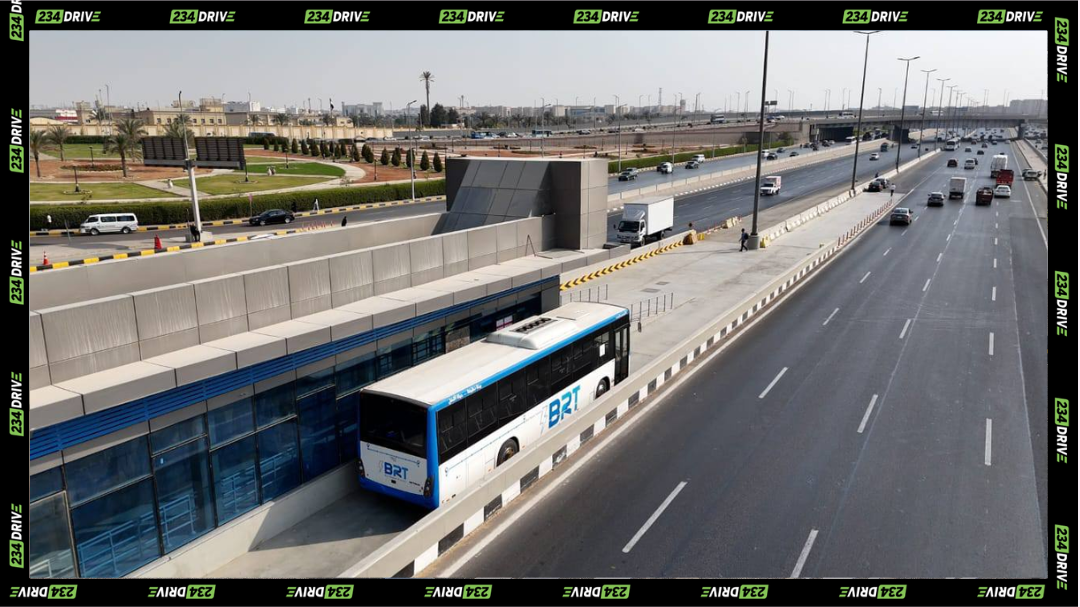
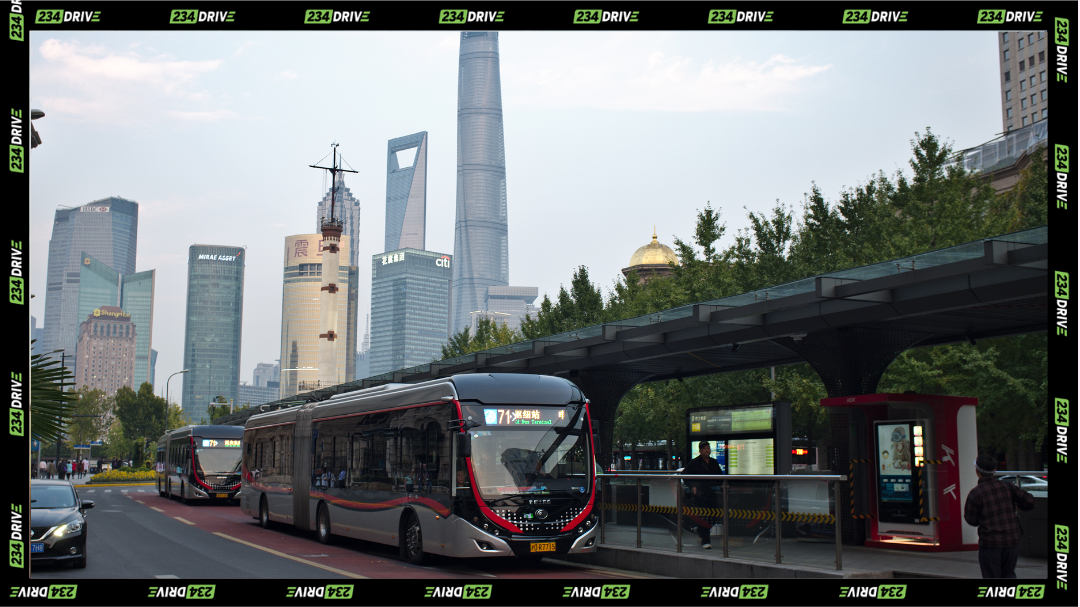
Around the world, autonomous vehicles are moving beyond experiments. Robotaxis already operates in parts of the United States, China, and the Middle East. Autonomous buses are supporting public transport in selected cities. Governments increasingly see the technology as part of long-term mobility planning.
In Africa, the opportunity may also emerge through the ride-hailing industry. Urban centers already rely heavily on app-based transport services. If autonomous vehicles become commercially viable, AV taxi fleets could operate in busy cities, reducing labour costs while running almost continuously.
Tanzania presents an interesting example. After Uber exited the Tanzanian market, space opened up in key urban areas like Dar es Salaam. That gap could, in theory, create room for new mobility models. A company operating autonomous fleets—or even groups of individuals pooling resources to own AVs and run them as ride-hail units—could step into that opening if regulation and infrastructure allow.
Instead of individual drivers working long hours, the focus would shift to asset ownership and fleet management. Earnings would come from vehicle utilisation rather than driver labour. For growing cities with rising transport demand, that model could be attractive.
Still, real-world rollout would depend on strong digital infrastructure, reliable road networks, regulatory clarity and government support. Autonomous vehicles look appealing on paper. But as Europe’s experience shows, technology alone does not drive adoption. Policies and practical planning determine whether innovation actually reaches the streets.