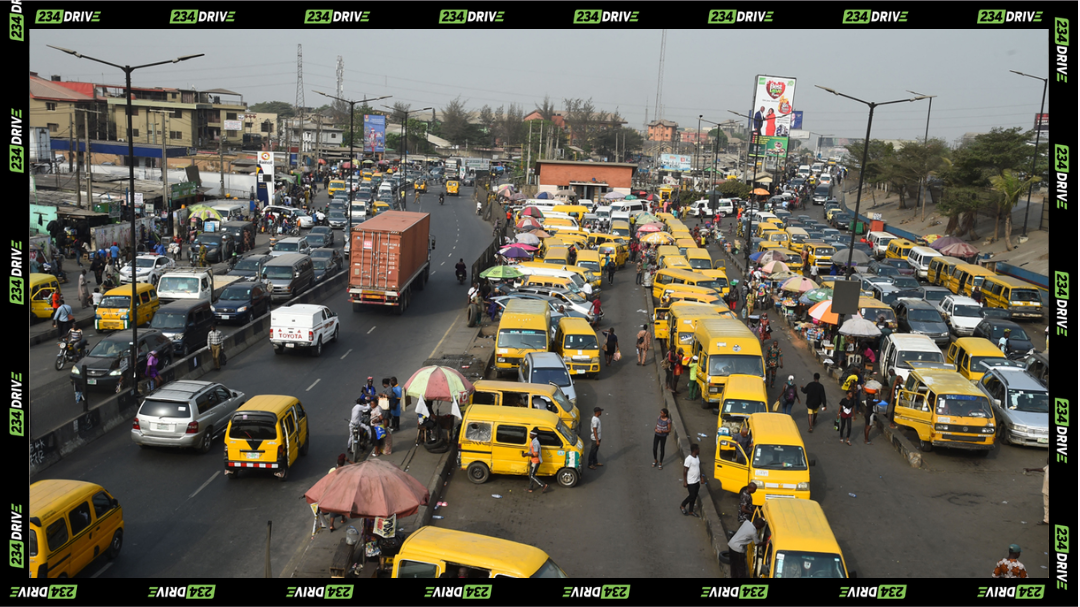

George Kimutai Ruto, the youngest son of Kenyan President William Ruto, has carved a unique niche for himself within the country’s high-octane automotive landscape. While many children of political elites gravitate towards a purely private collection of supercars, George has focused his attention on Kenya’s vibrant ‘matatu’ culture, the backbone of Nairobi’s public transport. As a licensed pilot with a background in actuarial science, his foray into the transport sector is less about traditional luxury and more about strategic business investment. His public image is that of a hands-on entrepreneur who blends street-level ‘Nganya’ aesthetics with premium, high-tech features that target the youth demographic.
Despite his family’s prominence, George maintains a relatively low profile, with his automotive choices reflecting a mix of business savvy and occasional personal luxury. His fleet, operating under the ‘Raptor Family’ brand, serves busy Nairobi routes like Rongai and Embakasi, bridging the gap between utilitarian transit and mobile entertainment hubs. While rumours of hyper-exclusive personal hypercars frequently circulate on social media, his verified holdings suggest a pragmatic yet high-budget approach to vehicles. His collection is a statement of intent, proving that in the Kenyan context, prestige can be found as much on a public bus route as it can behind the wheel of a private SUV.
Mercedes-Benz G-Wagon (2019)
The 2019 Mercedes-Benz G-Wagon is perhaps the most recognisable personal vehicle in George Ruto’s possession, often spotted in Nairobi’s Central Business District. The exterior maintains the iconic, boxy silhouette that has defined the G-Class for decades, exuding a sense of military-grade toughness paired with urban sophistication. Finished in a sleek palette that highlights its rugged fender flares and signature round LED headlights, the G-Wagon commands an undeniable presence on Kenyan roads. Its high ground clearance and robust stance make it a status symbol that is as capable as it is visually striking.
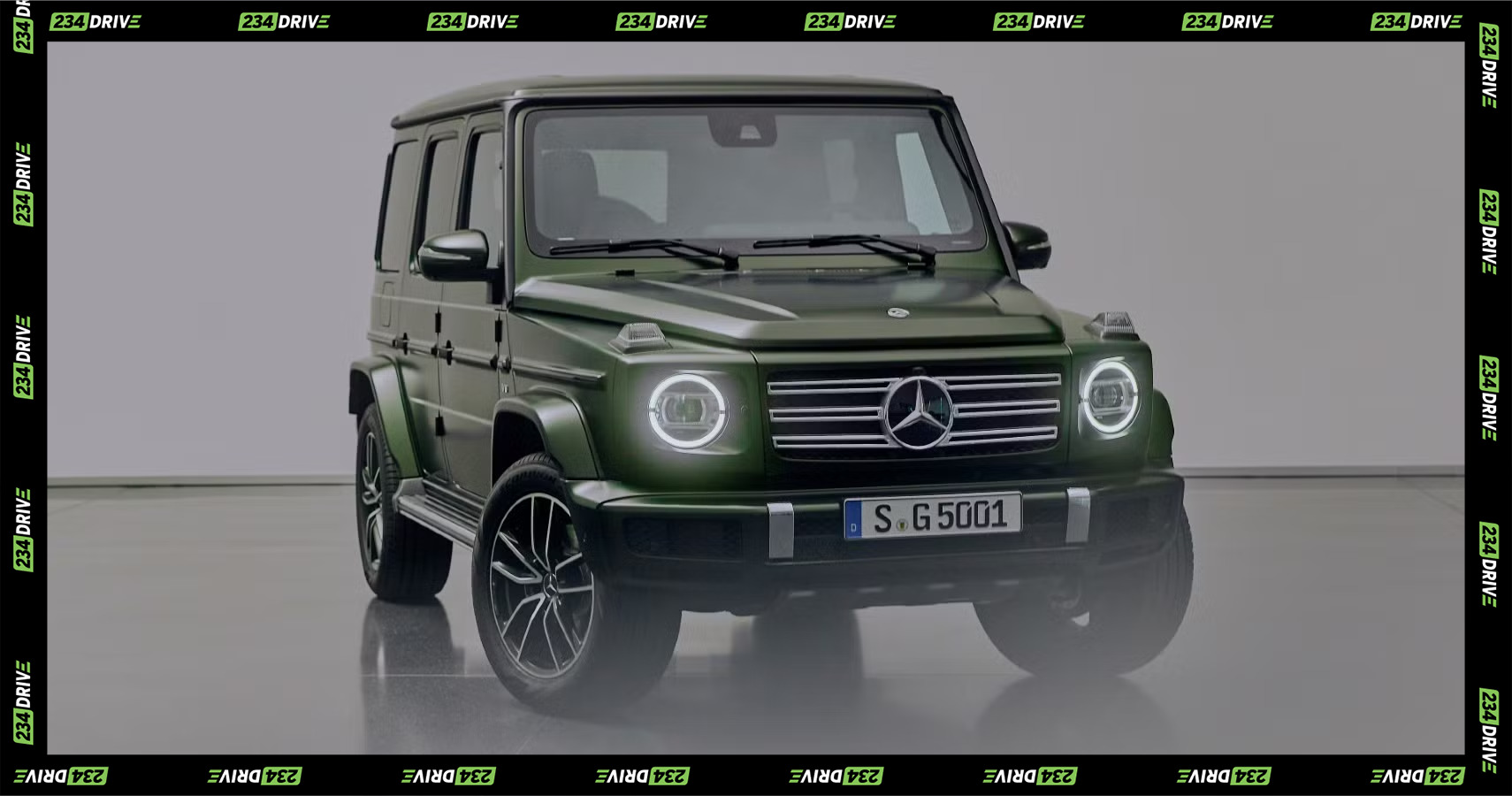
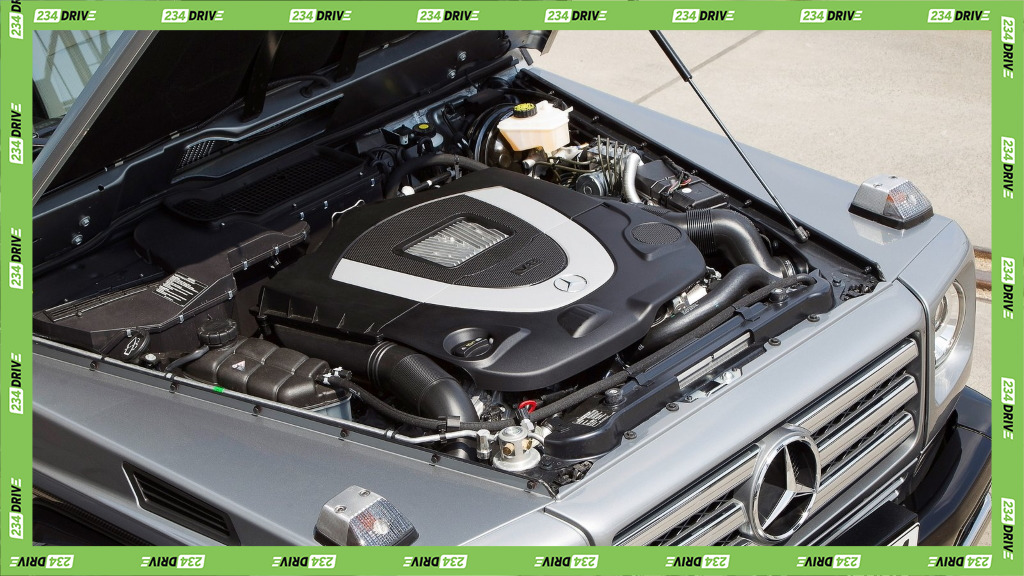
Under the bonnet, this SUV typically houses a 4.0-litre V8 biturbo engine, producing upwards of 416 horsepower, ensuring that it moves with surprising agility despite its heavy-duty frame. As automotive enthusiasts often discuss the G-Wagon V8 legacy, this 2019 model represents a pinnacle of internal combustion performance before the shift toward electrification. The interior is a masterclass in German engineering, featuring the MBUX infotainment system with dual widescreen displays and premium leather upholstery. Estimated at approximately KSh 30 million, the Mercedes-Benz G-Wagon serves as George’s primary personal transport, offering a blend of performance and prestige.
Scania Marcopolo Luxury Bus
Expanding beyond the urban sprawl of Nairobi, George Ruto invested in a Scania Marcopolo luxury bus for the high-demand Nairobi–Mombasa corridor. The exterior of the Scania Marcopolo is sleek and aerodynamic, designed for fuel efficiency and stability at cruising speeds. Its large panoramic windows and streamlined profile represent a shift from the flashy graffiti of the urban matatus to a more professional, corporate travel aesthetic. This multi-million shilling investment reflects a diversification into long-distance logistics, where durability and brand reliability are paramount.
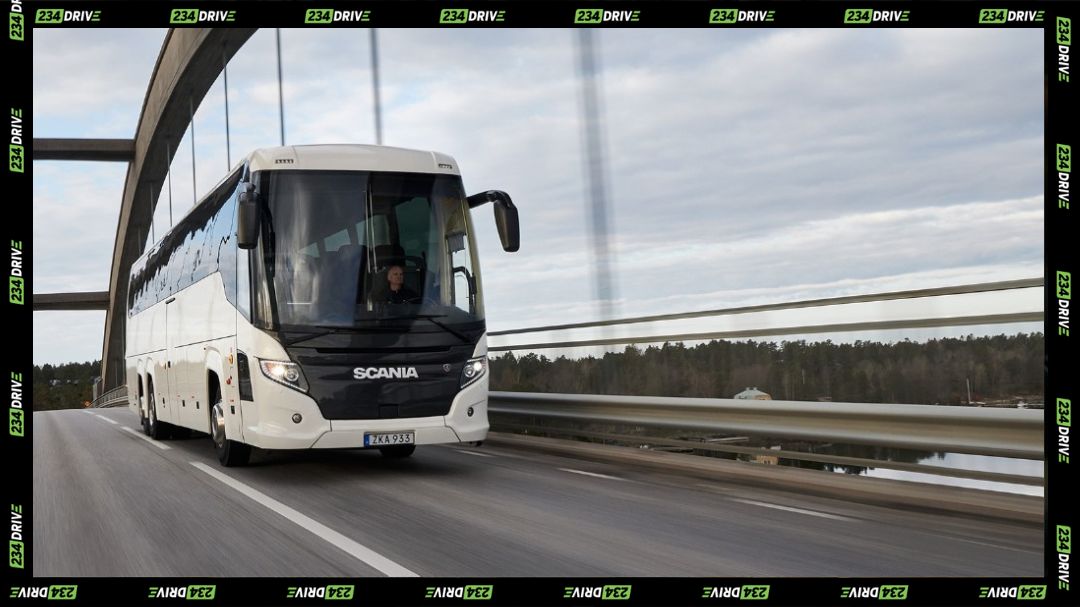
The interior is tailored for the “VIP” traveller, featuring reclining seats with ample legroom, on-board entertainment, and climate control optimised for the coastal heat. The Scania K-chassis provides a smooth, air-suspended ride, powered by a robust 9-litre or 13-litre engine that delivers consistent torque for the long haul. This bus allows George to leverage his actuarial background by tapping into a more stable, predictable revenue stream compared to the volatile urban matatu market. It positions his transport empire as a serious player in Kenya’s inter-city travel industry.
Regional Relevance and Lifestyle Fit
George Ruto’s vehicle collection is perfectly calibrated for Kenya’s unique driving environment. In a country where road conditions can vary from smooth highways to pot-holed urban lanes, the choice of a G-Wagon for personal use and Scania/Isuzu chassis for business is highly practical. The G-Wagon’s four-wheel-drive capabilities are essential for navigating both Nairobi’s flash floods and rural terrain, while the customisation of his matatus addresses the specific lifestyle demands of Kenyan youth.
This blend of business and personal luxury is common among Kenya’s upper class, who often choose the Range Rover for its off-road prowess and executive appeal. Furthermore, the integration of solar power in his latest matatus shows an awareness of operational costs and the need for reliability in a region where battery drain from high-end audio systems is a common issue. The prestige of these vehicles also plays a role in his business success; in the matatu industry, the ‘flashiest’ bus attracts the most passengers.
Comparative Market Analysis
When compared to rivals in the luxury SUV segment, George’s G-Wagon holds its value exceptionally well in the Kenyan market. Compared to the Range Rover Autobiography or the popular Lexus SUVs, the G-Wagon is often perceived as more durable and easier to maintain due to the availability of specialised Mercedes-Benz technicians in Nairobi. While the initial cost of KSh 30 million is steep, its resale value remains high, making it a sounder financial asset than many of its Italian or British competitors that suffer from faster depreciation.
In the commercial sector, the “Mood” and “Manifest” matatus face competition from other “Nganya” kings like the “Matrix” or “Brain Freeze.” However, Ruto’s fleet sets itself apart through the sheer scale of technological integration, specifically the air conditioning and bucket seats which are often skipped by competitors to save on costs. While a standard 33-seater matatu might cost KSh 7–9 million to put on the road, George’s KSh 14–20 million investments position him at the very top of the “First Class” matatu segment.
Reports suggesting the purchase of a Lexus LX 800H for KSh 100 million have been debunked as false, underscoring the level of public interest and occasional misinformation surrounding the family’s assets.
Conclusion
George Ruto’s vehicle collection is a fascinating reflection of modern Kenyan entrepreneurship, blending the high-status world of political families with the grassroots energy of the matatu industry. From the rugged luxury of the G-Wagon to the party-on-wheels atmosphere of the “Mood” matatu, his fleet prioritises innovation, comfort, and street presence. While his ventures have faced regulatory hurdles, they have undoubtedly raised the bar for public transport standards in Nairobi.
What do you think of George Ruto’s approach to his vehicle collection? Is the “Mood” matatu the future of Kenyan public transport, or is it an extravagant luxury?