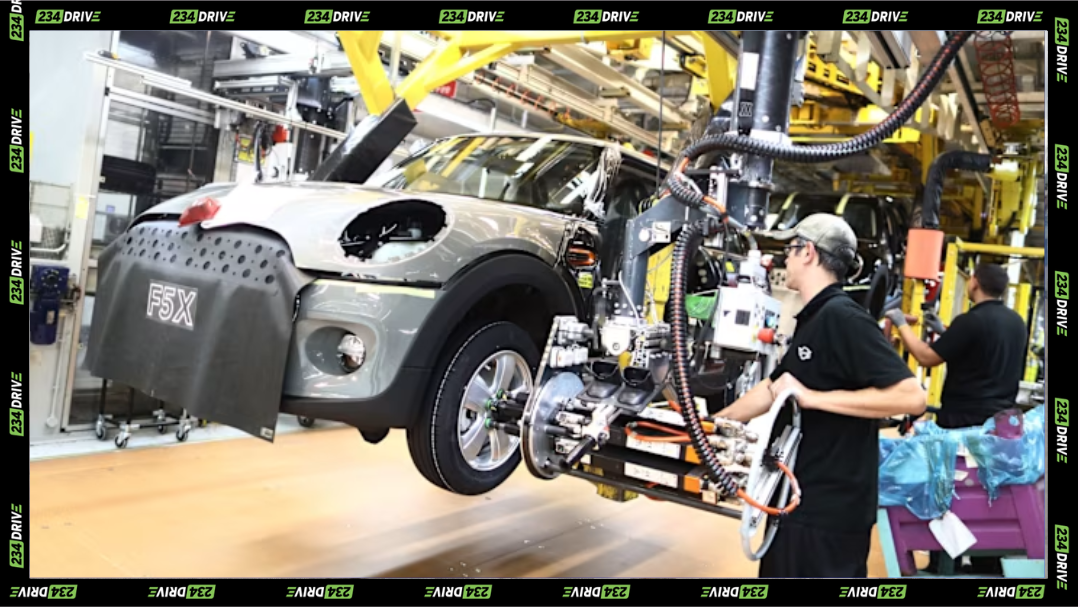


A nurse drives an electric tricycle across rough rural roads, carrying a mother and child to essential care. | Source: Nigeria Health Watch
It is a project that has given both mother and child a better chance at survival, but more can be done to take those numbers to a higher level.
In the Wedza District, roughly 130 kilometres south of Harare, the capital of Zimbabwe, rechargeable tricycles locally known as ‘Hambas’ now provide regular transport for pregnant women and new mothers to reach clinics. Before their provision, many women had no option but to walk long distances while heavily pregnant or rely on being pushed on wheelbarrows; sometimes, they just delay care altogether, with a sizeable number of these delays turning into life-threatening emergencies.
Mobility for Africa, a non-profit organisation, introduced the tricycles to Wedza in early 2019 to address transport shortages in rural communities. The vehicles run on rechargeable lithium batteries supported by renewable energy. Each tricycle can cover close to 50 kilometres on a full charge and handle rough rural roads that conventional vehicles struggle to navigate. Their low height makes them easier for pregnant women to get in and out of without assistance.
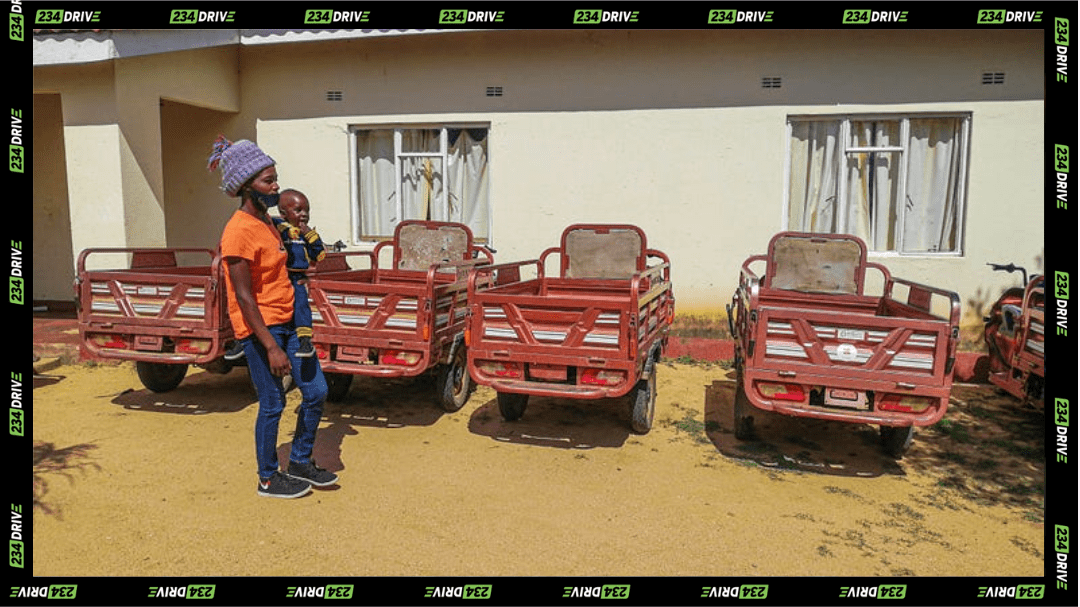
Health workers prepare electric tricycles outside a rural clinic, ready to transport pregnant women and new mothers safely. | Source: Nigeria Health Watch
The need for such transport remains urgent. Zimbabwe’s ongoing economic crisis has driven fuel prices far beyond what most rural families can afford, leaving many ambulances idle even where clinics have them. In addition, poor road conditions slowed emergency response. These factors had combined to create a wall, which contributed to Zimbabwe’s high maternal mortality rate, estimated at 651 deaths per 100,000 live births in 2019; However, measures like the Hambas have helped bring down the numbers to around 212 deaths per 100,000 live births.
Health workers in Wedza say the tricycles have reduced home deliveries and births occurring on the way to clinics. Nurses and village health workers now use them to ensure women attend antenatal visits, deliver at health facilities, and return for postnatal care. Since 2019, the tricycles have transported more than 200 pregnant women and mothers with newborns to clinics across the Wedza district.
Tricycles Are Not the Ideal for Medical Transport, But They Help Prevent Avoidable Deaths
The model still has clear constraints. The tricycles are open, offering limited privacy and exposure to the elements, which can be uncomfortable for newborns during postnatal visits. Battery shortages also interrupt service when replacements are not immediately available. Health workers have encouraged the need for enclosed designs and additional backup units to keep services running without interruption. Some nursing unions recognise that these tricycles cannot substitute ambulances for complicated births, though they acknowledge their value where no formal emergency transport exists.
Electrifying Last-Mile Transport Is Becoming Africa’s Practical Mobility Solution
Electric last-mile transport is increasingly proving its value across Africa, particularly where roads, fuel access, and formal transit fall short. Ride-hailing firms like Bolt have expanded electric mobility pilots in Lagos, Uber has supported motorcycle and low-cost transport options in Kenya, and Spiro now operates electric two-wheelers across multiple African countries. Together, these efforts show that electric last-mile transport is no longer experimental but a practical tool for daily access and essential services.
Mobility for Africa plans to expand its programme to other districts in Zimbabwe, including Chipinge, using a larger, better-supported fleet model. For many women in Wedza, dependable transport has already turned clinic visits and safer deliveries into something they can plan and prepare for.