Buying a car in Nigeria is often a huge milestone. Whether you are navigating the organised dealerships of Victoria Island, the bustling car lots of Abuja, or the specialised “Tokunbo” markets like Berger in Lagos, the excitement of a new set of wheels is palpable. However, beneath the polished exterior of a used import or a locally refurbished vehicle lies a history that the seller might not always disclose.
In a market where an estimated 70% of vehicles are imported used cars, the risk of falling victim to fraud, ranging from odometer tampering to buying a stolen vehicle is high. This is where the Vehicle Identification Number (VIN) becomes your most powerful tool. This guide provides a deep dive into everything a Nigerian car buyer needs to know about VIN checks, ensuring that your hard-earned Naira goes toward a safe, legal, and reliable vehicle.
What is a VIN? The “DNA” of Your Car
Every vehicle manufactured after 1981 is assigned a unique 17-character alphanumeric code known as the Vehicle Identification Number (VIN). Think of it as the car’s fingerprint or DNA. Standardised globally under ISO 3779, the VIN ensures that no two cars in the world share the same identity.
Decoding the 17 Characters
The VIN isn’t just a random string of letters and numbers; it is a coded summary of the vehicle’s origin and specifications. To see how these standards apply to specific manufacturers, you can use a NHTSA VIN Decoder to break down the technical details:
- Characters 1-3 (World Manufacturer Identifier – WMI): These tell you where the car was made and by whom. For example, a VIN starting with “J” indicates Japan (common for the Toyotas Nigerians love), while “1”, “4”, or “5” represents the USA.
- Characters 4-8 (Vehicle Descriptor Section – VDS): This section describes the model, body style, engine type, and transmission. If the VIN says the car is a 4-cylinder sedan but you are looking at a V6 SUV, you’ve spotted a “cloned” vehicle.
- Character 9 (Check Digit): A security feature used to verify the authenticity of the VIN itself using a mathematical formula.
- Characters 10-17 (Vehicle Identifier Section – VIS): This tracks the specific unit, including the model year (Character 10), the assembly plant, and the production sequence number.
Why VIN Checks are Non-Negotiable in Nigeria
Nigeria’s automotive landscape is unique, characterised by a massive influx of “Tokunbo” (foreign-used) vehicles. While these cars offer affordability, they also come with “hidden baggage.”
Preventing Fraud and Odometer Rollbacks
Research suggests that 20-30% of used cars in Nigeria have discrepancies in their documentation or mileage. “Odometer rolling” —the practice of reducing the mileage on the dashboard to make a car seem less used— is a common trick. A VIN check provides a digital paper trail of the car’s last recorded mileage before it left its country of origin.
Avoiding “Salvage” and Flood-Damaged Cars
Many vehicles imported from the US or Europe were written off as “salvage” due to accidents or floods (particularly after major hurricanes). These cars are often cheaply repaired and shipped to Nigeria. To get the most accurate background on American imports, many buyers rely on Carfax Vehicle History reports to uncover hidden damage.
Legal Compliance and Customs Clearance
Under the National Road Traffic Regulations 2012, the Federal Road Safety Corps (FRSC) requires a verifiable VIN for registration. Furthermore, the Nigeria Customs Service (NCS) uses the VIN to verify if the correct import duties were paid. Buying a car with “dodgy” customs papers can lead to your vehicle being impounded or you being forced to pay heavy penalties later.
How to Locate the VIN on Your Vehicle
Before you can run a check, you need to find the number. Manufacturers place the VIN in several locations to make it harder for thieves to “wipe” a car’s identity.
- The Dashboard: Look through the bottom corner of the windshield on the driver’s side.
- Driver’s Door Jamb: Open the driver’s door and look at the frame where the door latches. There is usually a sticker or metal plate here.
- Under the Hood: Check the front of the engine block or the firewall (the metal wall separating the engine from the cabin).
- Chassis/Frame: On SUVs and trucks, the VIN is often stamped on the inner frame rail near the front wheel.
- Spare Tire Well: Sometimes, it is located under the spare tire in the trunk.
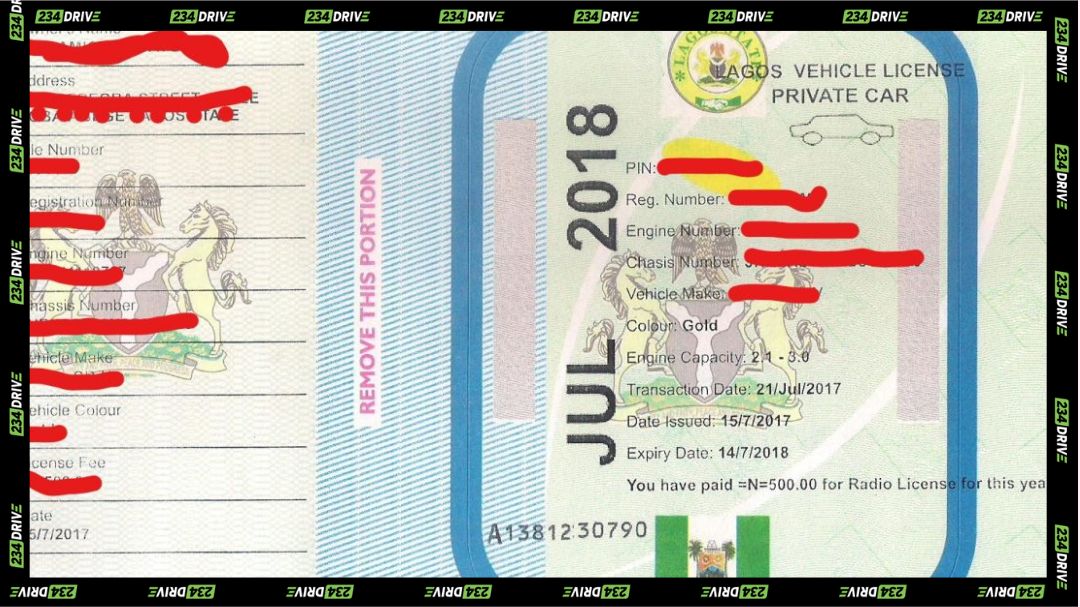
Pro Tip: Always compare the VIN in at least two different physical locations on the car and match them against the Logbook (V5), Customs papers, and the Bill of Lading. If they don’t match, walk away.
Step-by-Step: Performing a VIN Check in Nigeria
Gone are the days when you had to rely solely on the seller’s word. Today, several digital tools allow you to verify a vehicle’s history from your smartphone.
Step 1: Basic Free Decoding
Start with free tools like VINDecoderz or VehicleHistory.com. These will confirm the basics: Does this VIN actually belong to a 2015 Toyota Camry? This helps catch basic cloning attempts.
Step 2: Check Local Registration via FRSC
The FRSC offers a Vehicle Identification System (VIS) portal. By inputting the VIN or plate number, you can check if the vehicle is already registered in Nigeria and who the legal owner is. This is crucial to ensure you aren’t buying a stolen vehicle. In cases involving international crimes, authorities may even consult the Interpol SMV database to track cross-border movement.
Step 3: Verify Customs Duty
The Nigeria Customs Service portal allows you to verify if the car was legally cleared. Given the high prevalence of smuggled vehicles, this step is essential to avoid future legal headaches with “Customs on the highway.”
Step 4: Get a Comprehensive History Report
For imported cars, it is worth spending a bit of money (usually $15–$40 or ₦5,000–₦15,000) for a full report:
- Carfax / AutoCheck: The gold standard for US-spec vehicles. It shows accident history, service records, and title status.
- AutoDNA / EpicVIN: Excellent for cars coming from Europe or Asia.
EVs and Local Assembly
The Nigerian automotive market is evolving beyond traditional imports. As infrastructure improves, we are seeing a significant shift toward sustainable mobility and domestic manufacturing.
The Rise of Electric Vehicles (EVs)
Electric vehicles are no longer a distant dream in Nigeria. Companies like MAX are leading the charge to expand EV fleets for commercial use, while brands like FAW have begun to debut luxury EVs for the premium market. These vehicles still require VIN checks, particularly to verify battery warranties and software versions. In fact, the feasibility of these vehicles is already being proven through milestones like long-distance road trips across the country.
Support for Local Brands
Government adoption is also playing a role in stabilizing the market. A notable example is how the Nord Demir SUV was recently adopted by the Trade Minister, signaling a move toward supporting locally assembled vehicles. For these cars, the VIN serves to verify that the parts and assembly meet national standards.
Common VIN Scams in Nigeria and How to Spot Them
The Nigerian car market has its fair share of “smart” players who use deceptive tactics to sell compromised vehicles. Awareness is your best defense against these common scams:
- VIN Cloning: This occurs when a stolen vehicle is assigned the VIN of a clean, legally registered car of the same make and model to hide its origins. To spot this, check for physical signs of tampering on the VIN plate, such as scratches, excessive glue, or mismatched rivets.
- Salvage Hiding: In this scam, a vehicle that was totaled or declared “salvage” abroad (often due to accidents or floods) is imported and sold as a “clean” car in Nigeria. Running a digital VIN report is the best way to uncover a hidden “Salvage” or “Junk” title history that isn’t visible on the surface.
- Customs Forgery: Unscrupulous sellers may provide fake clearance documents to suggest that import duties have been fully paid. Always verify the VIN on the official Nigeria Customs Service portal to ensure the paperwork matches the government’s records.
- The “Paper” Swap: This involves a seller providing legitimate documents, but for a completely different vehicle usually a newer or better-maintained version of the car you are inspecting. You can prevent this by manually matching the VIN found on the engine block, dashboard, and door jamb with the characters printed on the papers provided.
Why a VIN Check Isn’t Enough
While the VIN is a powerful tool, it is not a magic wand. In Nigeria, there are a few limitations to keep in mind:
- Data Gaps: If a car has been in Nigeria for 10 years and had an accident in Onitsha, that accident likely won’t show up on a US-based Carfax report. Local records are still being digitised.
- Unregistered Repairs: Many “roadside” mechanics in Nigeria do not report repairs to any central database.
- The Physical Factor: A VIN check won’t tell you if the engine is currently knocking or if the suspension is shot due to Nigerian potholes.
The Golden Rule: Always combine a digital VIN check with a physical inspection by a trusted mechanic.
Best Practices for Smart Buyers
To wrap up, here are the essential habits for any car buyer in Lagos, Abuja, Port Harcourt, or anywhere in Nigeria:
- Request the VIN Early: If a seller refuses to give you the VIN before you meet, consider it a red flag.
- Use Multiple Sources: Don’t rely on just one free website. Cross-reference 2-3 tools.
- Check the “Check Digit”: Use an online “VIN Validator” to ensure the number itself isn’t a fake.
- Join the Community: Use platforms like Nairaland or specialised Facebook car groups to ask about specific dealers or common issues with certain models.
- Keep Records: Once you buy the car, keep a copy of your VIN report. It will add value when you decide to resell the car in the future.
Drive with Confidence
In the Nigerian car market, information is the difference between a dream ride and a financial nightmare. A VIN check is a small investment of time and money that pays massive dividends in peace of mind. By understanding the code, utilising the right tools, and staying vigilant against common frauds, you can navigate the market like a pro.
Remember: Don’t just look at the paint; look at the VIN. Happy (and safe) car hunting!