
Hyundai’s latest US sales figures suggest a decisive shift in the automotive landscape, where the “electric revolution” is being led not by battery-only power, but by the pragmatic rise of the hybrid engine. The South Korean carmaker started 2026 with its strongest January on record, delivering 55,624 units and marking a 2% increase over the previous year. This milestone was almost entirely fuelled by a 60% surge in hybrid demand, a trend that underscores a growing consumer preference for vehicles that offer the fuel efficiency of an electric motor without the logistical hurdles of a full electric vehicle (EV).
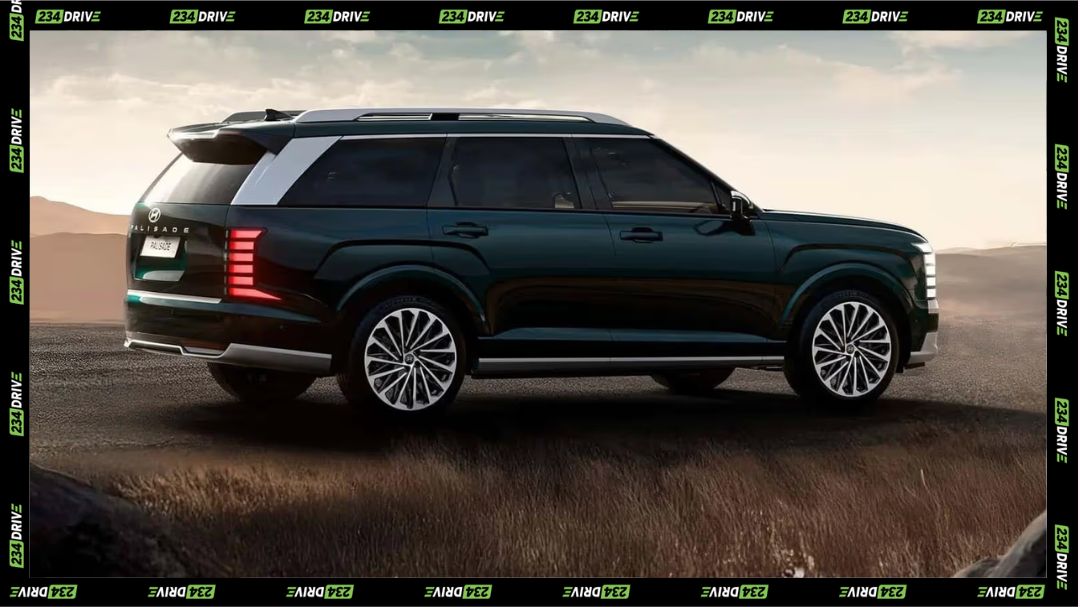
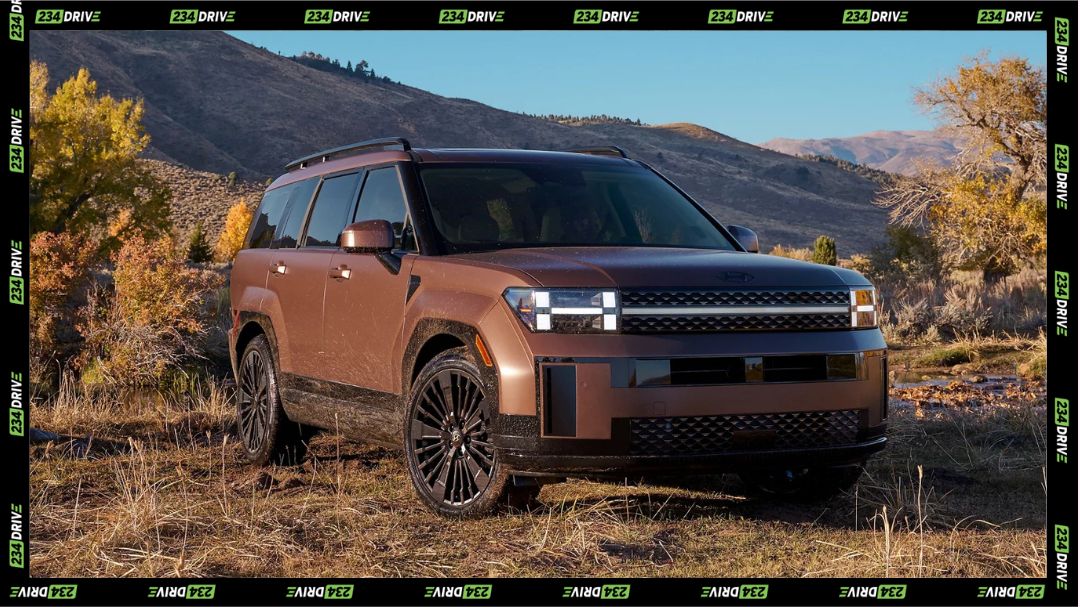
The core of this achievement lies in Hyundai’s strategic focus on its SUV lineup, which now accounts for 77% of its total US volume. The all-new Palisade Hybrid was the standout performer of the month, with sales jumping 29% to over 8,600 units as families increasingly favour its blend of three-row spaciousness and 329-horsepower gas-electric efficiency. Similarly, the Santa Fe family saw a 9% overall increase, though its hybrid variant specifically surged by 43%, reflecting a market where buyers are willing to pay a modest premium for a smart middle ground that eliminates range anxiety and provides a superior 619-mile total driving range.
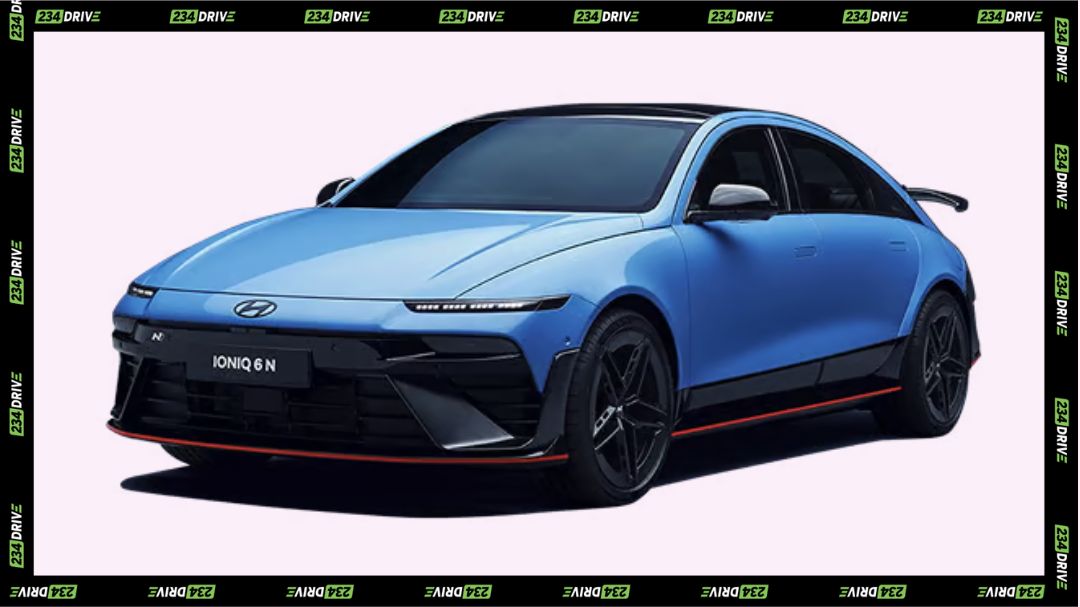
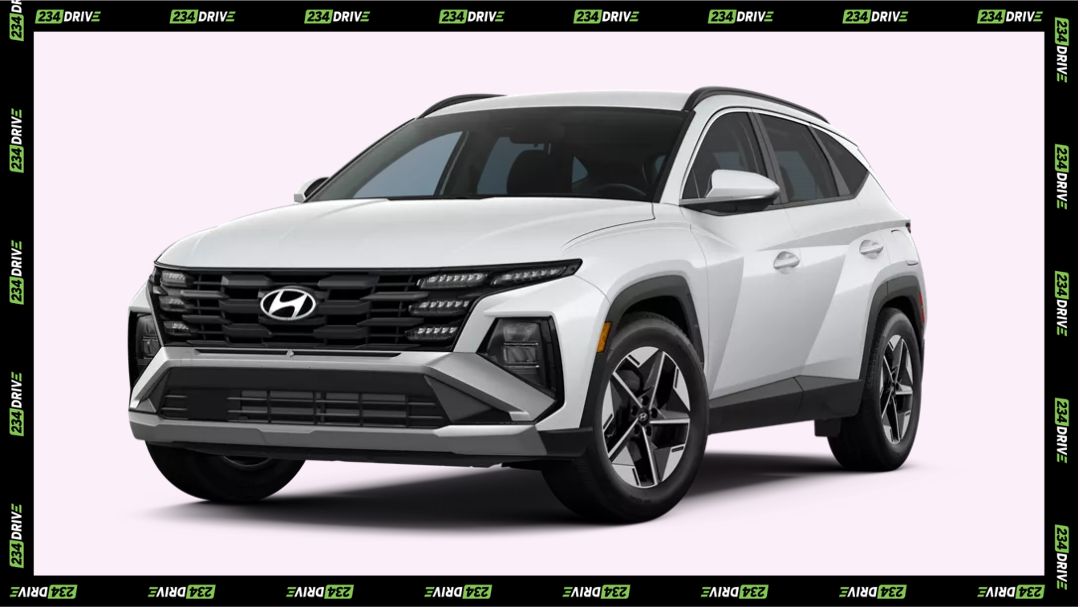
This shift signals a significant business pivot for Hyundai, which is increasingly positioning hybrids as its primary volume drivers. For the 2026 model year, the company has even moved to a hybrid-only strategy for certain models, such as the Sonata sedan, while the Tucson remains a top seller largely due to its versatile electrified options. By contrast, pure EV models like the Ioniq 6 saw a sharp 61% decline in sales, following the expiration of federal tax credits in late 2025. This divergence highlights a broader market reality: while EVs offer long-term sustainability, hybrids are being embraced as the immediate, scalable solution for the masses.
The trend observed at Hyundai mirrors a wider American preference for versatile gas-electric options over fully electric models, a shift driven by rising consumer interest in transitional technology. Recent data suggests that the hybrid market share in the US has nearly doubled that of EVs, with hybrids capturing approximately 14.7% of new-vehicle sales compared to just 6.6% for pure electrics. Consumers cite lower upfront costs typically only £1,200 to £1,500 more than traditional petrol models and superior reliability as key motivators. Surveys indicate that hybrids often experience fewer mechanical issues than both petrol and pure electric vehicles, making them the most practical choice for those in suburban or rural areas where charging infrastructure remains sparse.
While global competitors like Toyota have long dominated the hybrid space, Hyundai is rapidly closing the gap through aggressive investment in its North American manufacturing and R&D facilities. The company’s ability to pivot its production lines to meet this “hybrid-first” demand has allowed it to maintain growth even as other manufacturers struggle with cooling EV interest as owners are switching back to petrol-electric power. This strategy has transformed hybrids from a niche “bridge technology” into a permanent fixture of the modern fleet, offering a reduction in emissions that is more accessible to the average household budget.
Ultimately, Hyundai’s record-breaking January suggests that the transition to zero-emission driving will be more gradual than initial industry hype predicted. By delivering the technology consumers want most namely, efficient SUVs that don’t require a lifestyle change Hyundai has secured a powerful springboard for the rest of 2026. This performance marks a clear transition from experimental electrification to fleet-scale operations, raising a critical question for the industry: will regulators and infrastructure providers catch up to the pace of consumer demand, or will the hybrid remain the dominant choice for the foreseeable future?