
These days, when Nigerians think of Suzuki, younger generations might picture the Moove-powered Uber vehicles they see daily on the road, while older audiences think of legacy: the Jimny, the early workhorses, and years of dependable mobility. Neither perspective is wrong. Together, they form the full picture of what Suzuki represents.
Our time at Suzuki by CFAO was spent understanding how the brand works behind the scenes and how it continues to resonate with Nigerians.
THERE’S A SUZUKI FOR EVERYONE
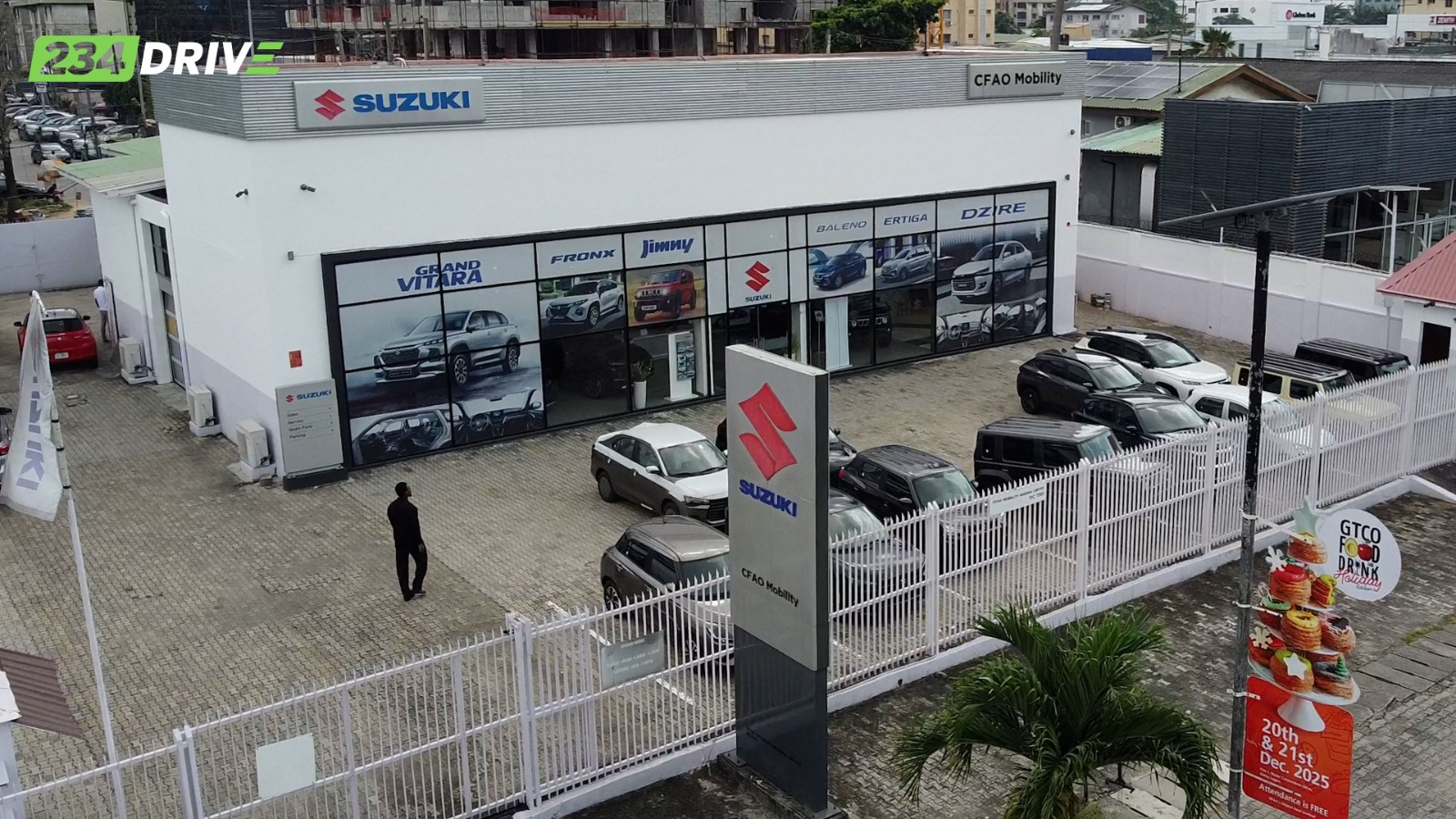
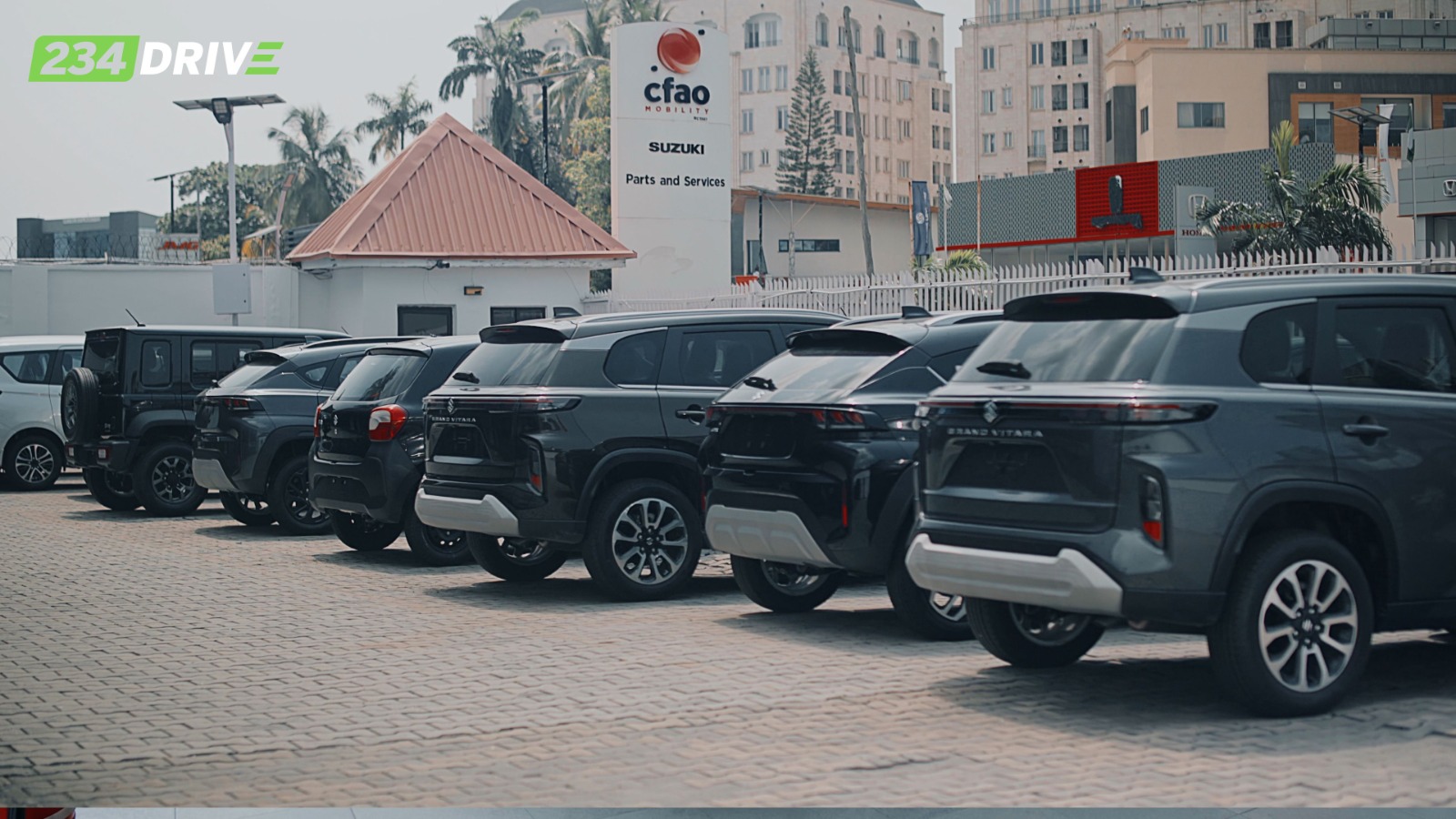
Walking into the Suzuki showroom, you’re immediately greeted by a full lineup of the brand’s vehicles. Located at 13A Akin Adesola, Victoria Island, Lagos, the showroom featured a range of models including the Grand Vitara, Fronx, and Ertiga, with the Jimny positioned on the other side of the floor as a statement of Suzuki’s heritage.
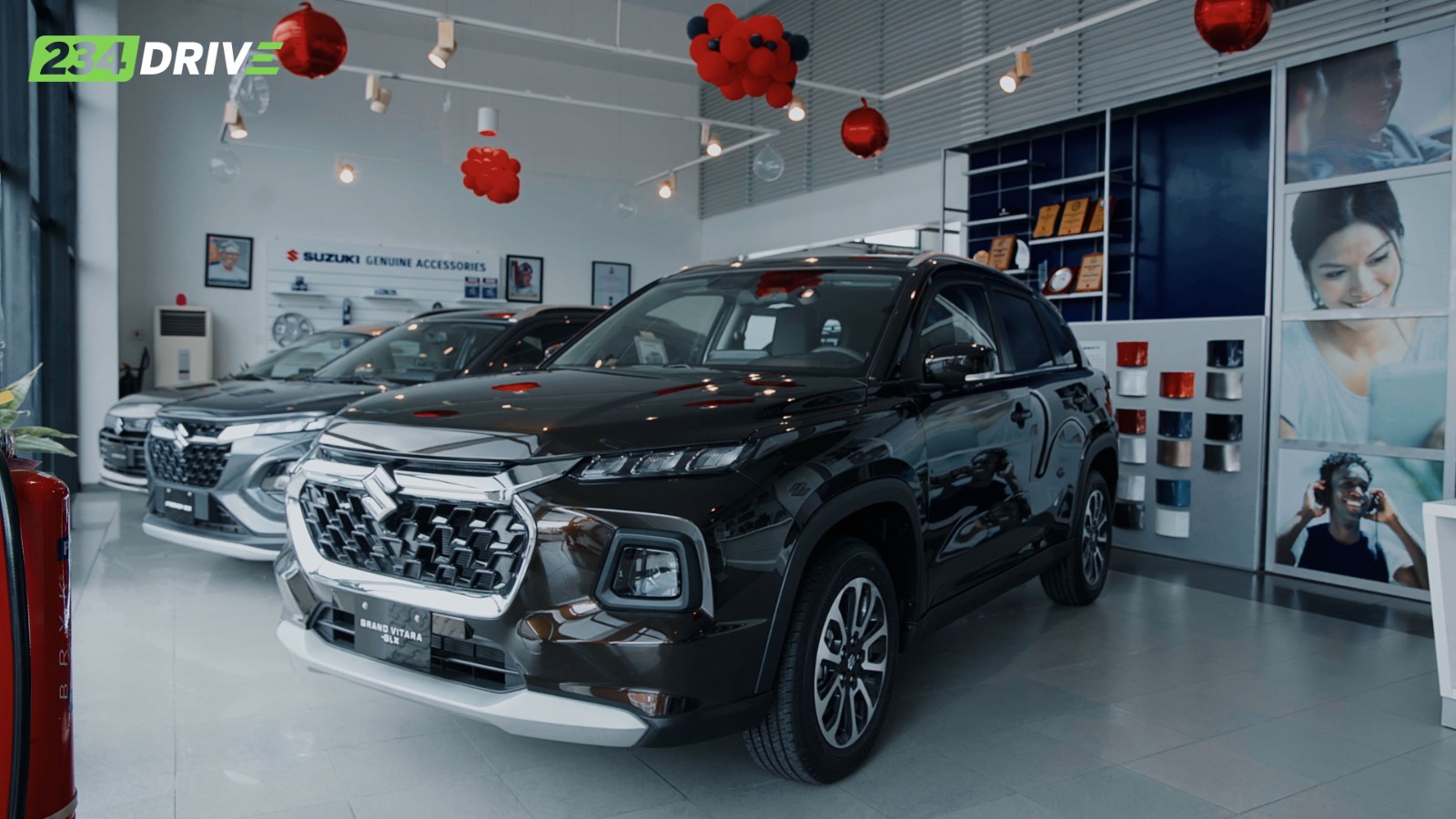

A guided tour with the Sales Manager offered deeper insight into Suzuki’s approach to engineering, particularly the 1.5-litre engines across much of the lineup. The emphasis was clear: In a market like Nigeria, fuel efficiency is a necessity, not a luxury.
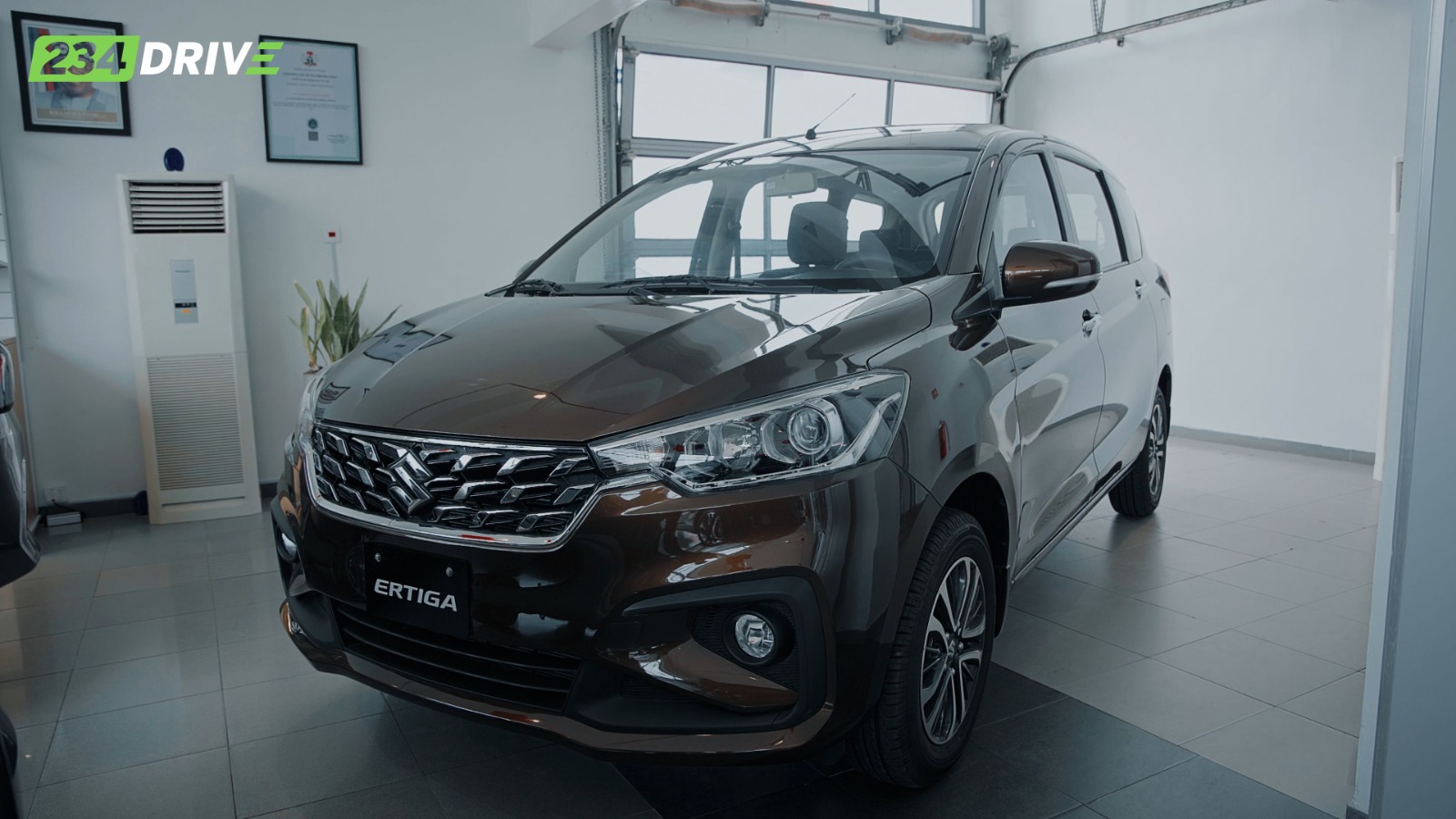
From larger SUVs to compact crossovers and practical family vehicles like the Ertiga, the lineup reflected Suzuki’s focus on building cars that balance size, performance, and running costs for everyday Nigerian use.
WHY SUZUKI?
In a brief conversation with the General Manager, Aissatou Diouf, we gained deeper insight into the motivation behind Suzuki by CFAO operating in a diverse market like Nigeria. She explained that Suzuki’s goal is to give more Nigerians access to new car ownership, made possible through a reduced cost of acquisition, low maintenance requirements, fuel efficiency, and the reliability of proven Japanese engineering.

In a market where affordability and long-term running costs matter just as much as purchase price, she reiterated that Suzuki is uniquely positioned as an ideal brand for Nigeria.
But beyond acquisition, the real question is: what comes next?
AFTERSALES: THE WORK CONTINUES
One of the most important parts of our visit was seeing Suzuki’s aftersales operations because at the end of the day, in Nigeria, buying a car is only half of the story.
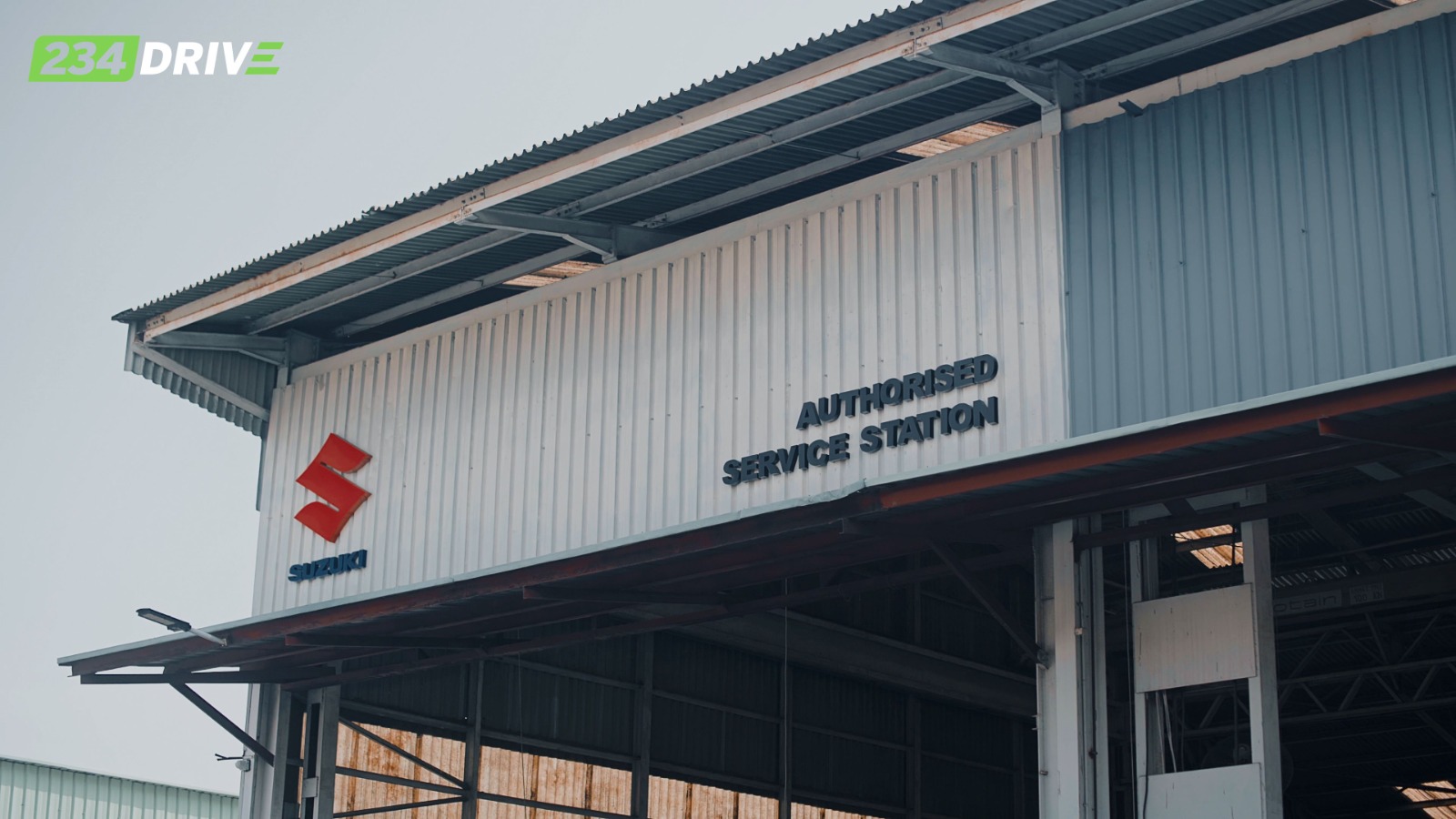
The Suzuki service centre, located at Block D, Industrial Layout, Amuwo Odofin Industrial Scheme, spans a large operational space that houses multiple sections — including mechanical servicing, bodywork, and full electrical and mechanical repair support. One particularly interesting discovery was Suzuki’s “Workshop on Wheels”, a mobile service solution designed to take maintenance directly to customers.
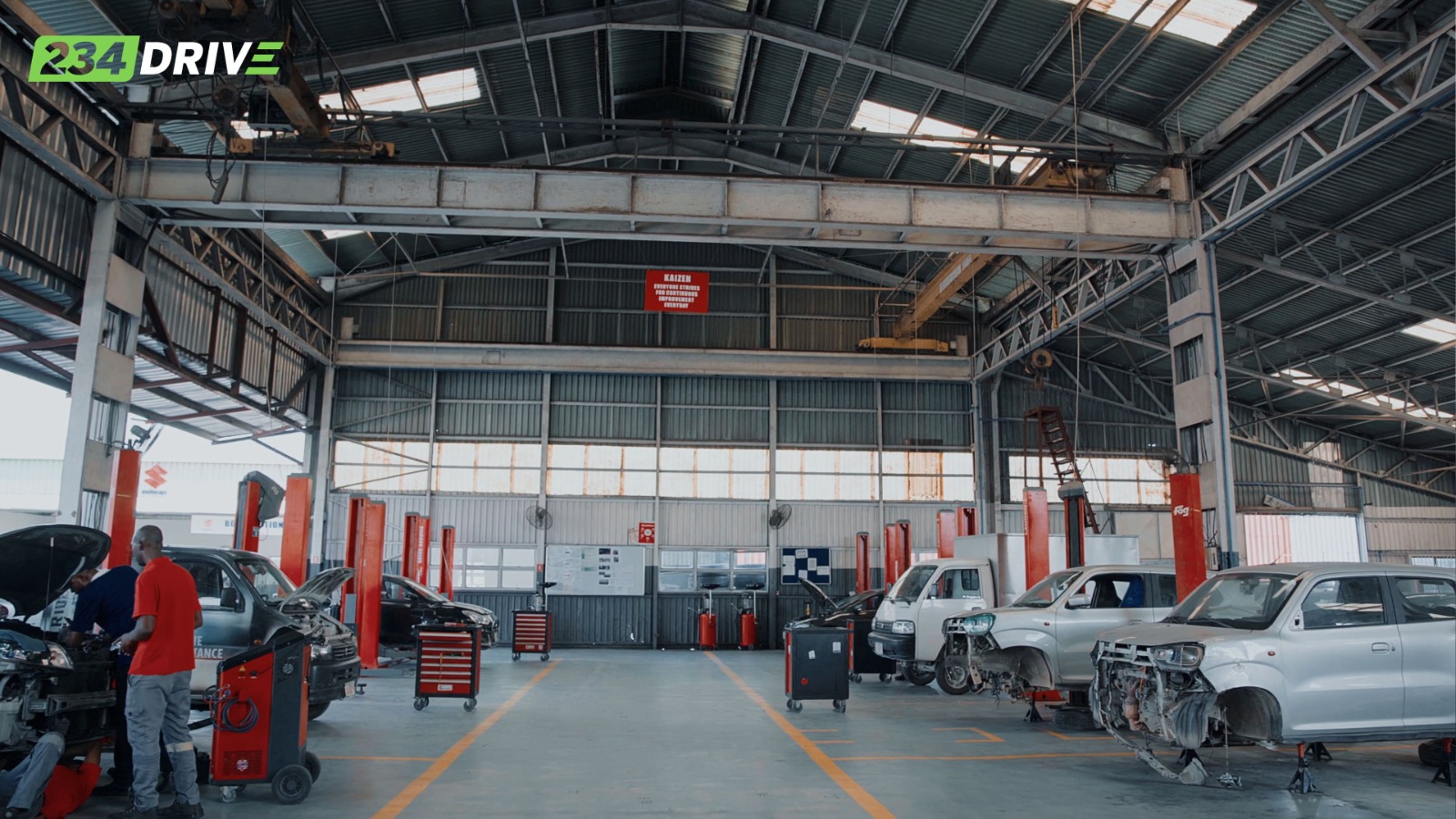
What stood out immediately was the level of organisation and workflow across all sections of the facility. Despite the scale of operations, everything felt structured and deliberate.
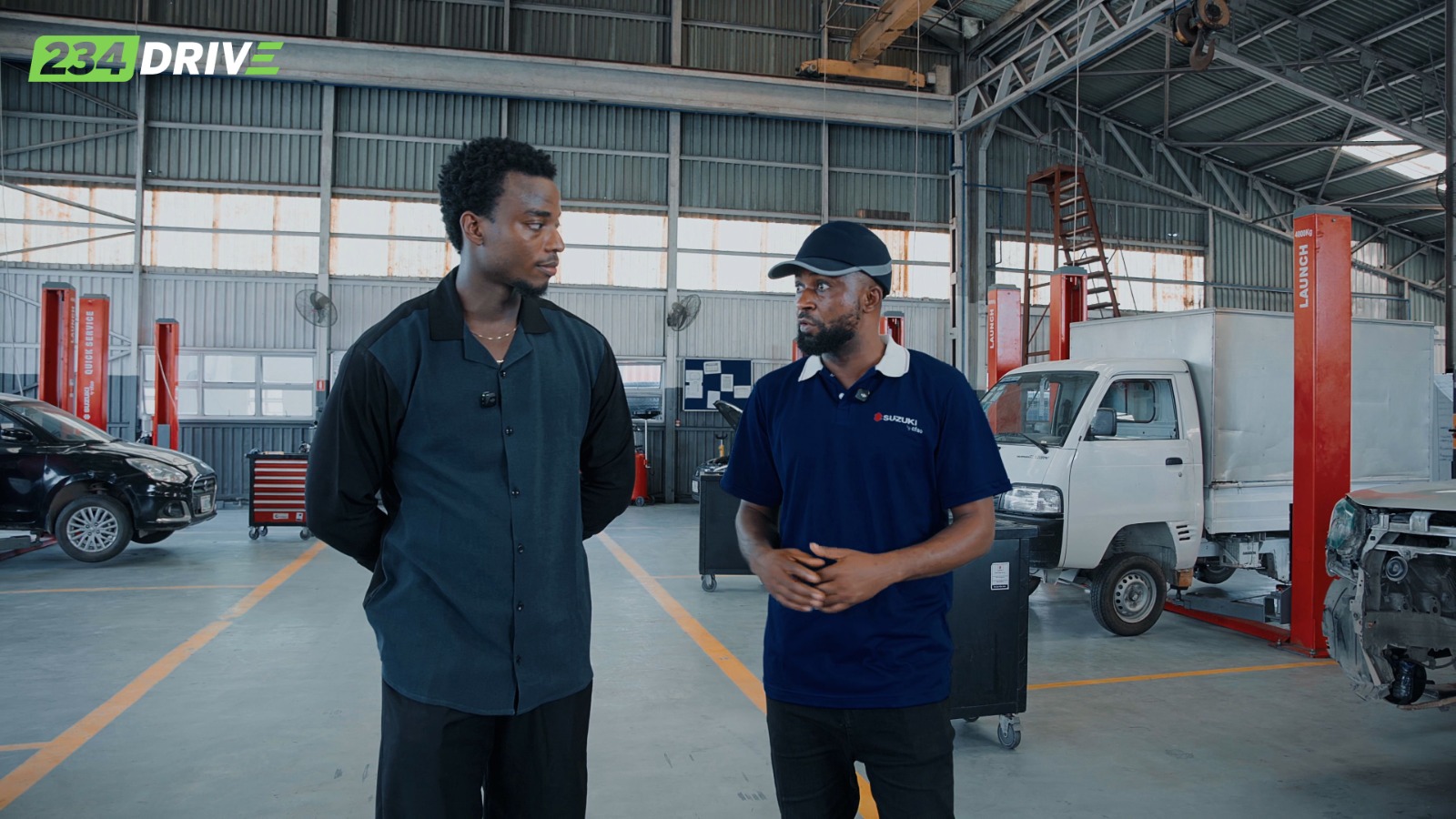
Mr. Ubi, the Service Manager, walked us through the service process step by step. It begins when a customer brings in their vehicle and a detailed record of complaints is taken. An initial inspection follows, after which a job order is generated. The vehicle is then assigned to a technician for further checks, and a service quote is prepared. Once approved by the customer, repairs are carried out and the vehicle is sent in for washing before handover.
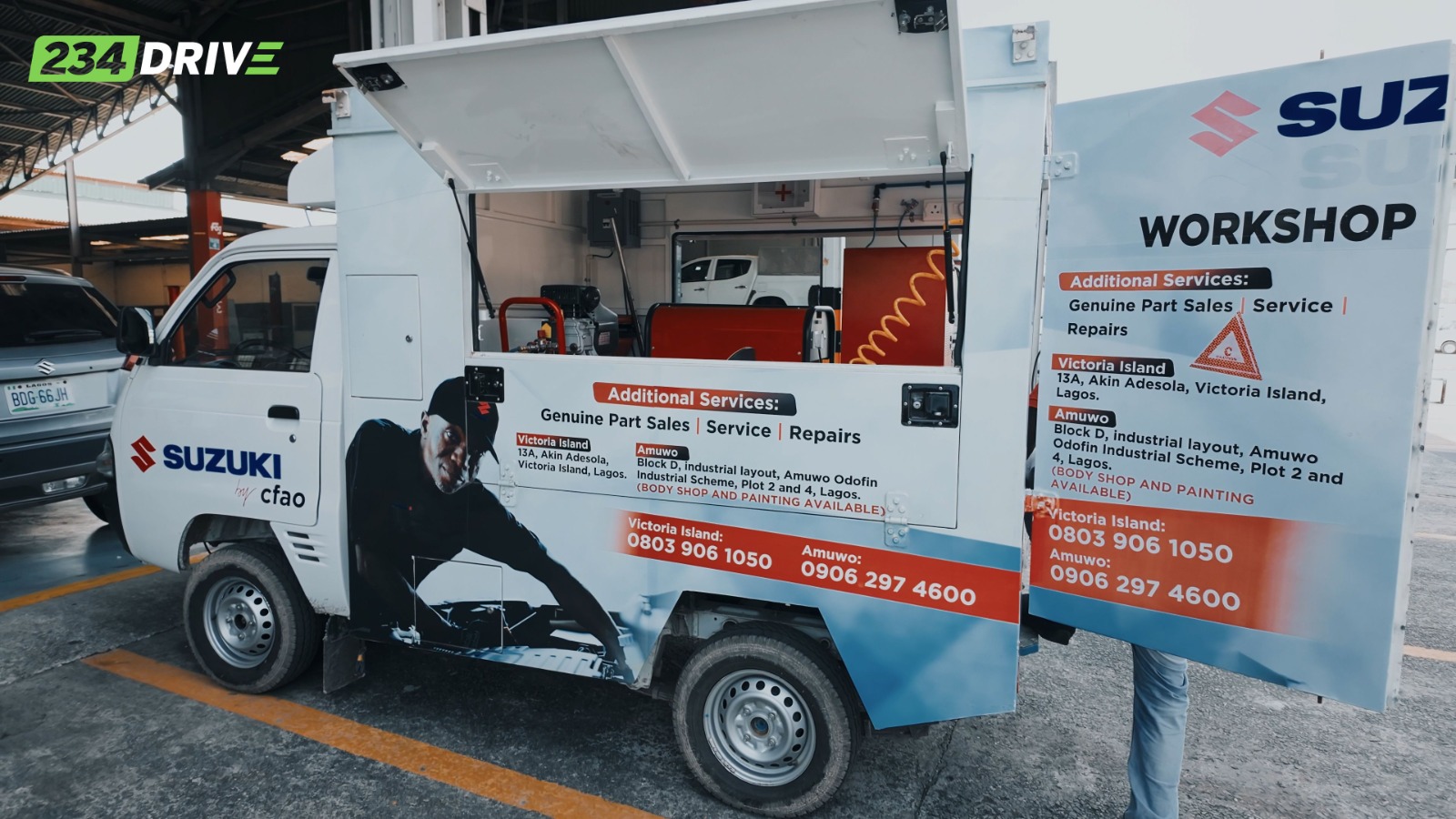
According to him, routine servicing typically takes about one hour, while more extensive work may take up to two hours, unless otherwise recommended. Additionally, the Workshop on Wheels service allows Suzuki to carry out certain repairs and maintenance at the customer’s location, a practical solution for busy owners.
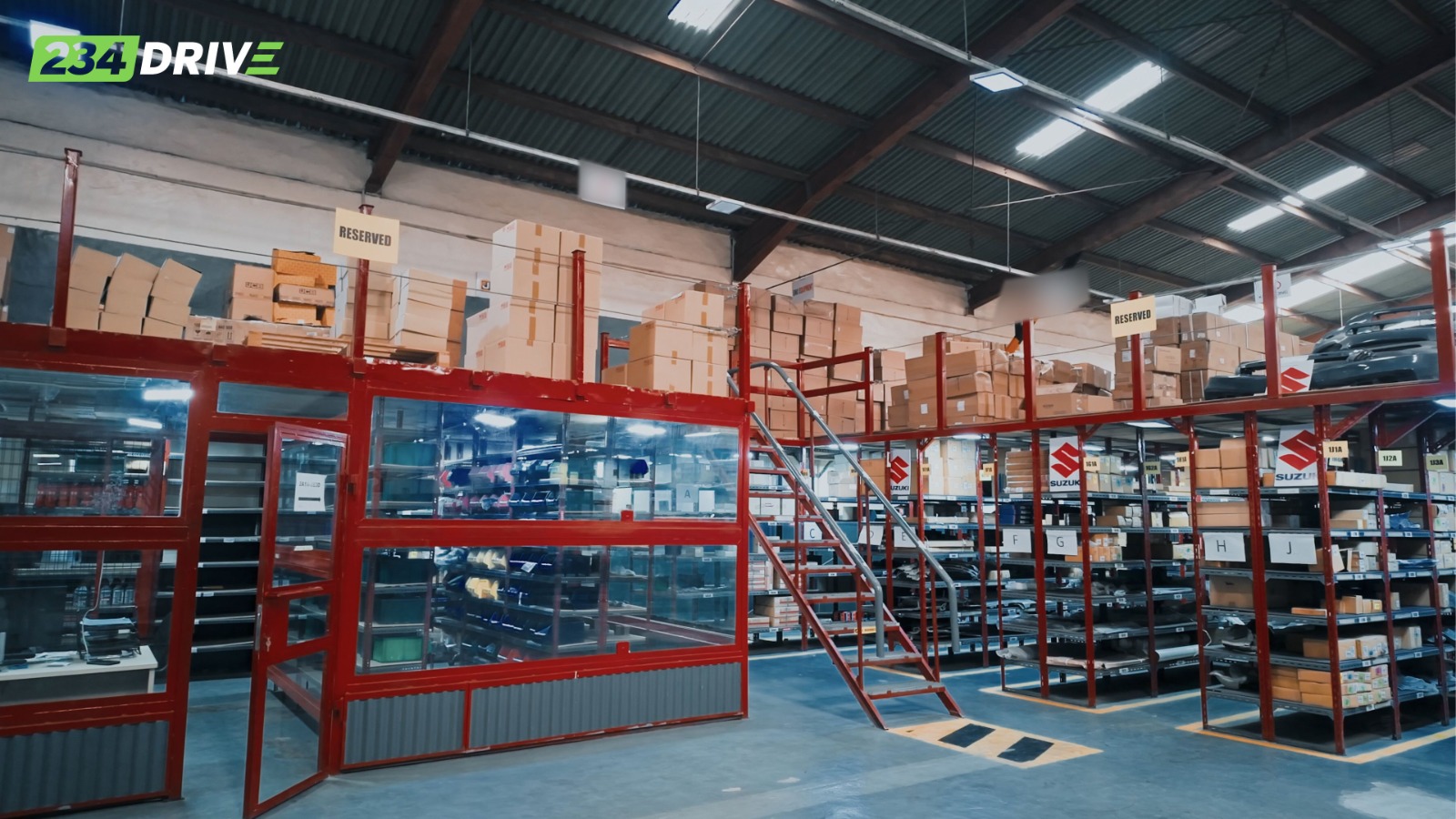
We also explored the spare parts section, which stocks genuine Suzuki components. This integration ensures a seamless link between diagnostics, servicing, and part replacement, further reinforcing Suzuki’s focus on efficiency and long-term ownership support.
A BRAND FOR MADE FOR NIGERIA
What our time at Suzuki Nigeria made clear is that the brand’s global philosophy aligns naturally with emerging markets. Suzuki doesn’t try to be everything to everyone. Instead, it focuses on:
- Efficiency over excess
- Reliability over flash
- Practical engineering over trends
That approach feels especially relevant in Nigeria, where durability, running costs, and service support matter more than headline features.
You can watch the full youtube video here