

China and Kenya continue to rebuild for regional mobility.
Kenya has launched a US $1.5 billion road expansion with two major Chinese construction firms, marking one of the country’s biggest recent transport investments. The project covers more than 170 kilometres of highway along a key corridor that connects Nairobi, western Kenya and several landlocked neighbours to the port of Mombasa.
China Road and Bridge Corporation will expand about 139 km of the project, while Shandong Hi-Speed Road and Bridge International Engineering Company will build roughly 94 km. Kenya expects the upgraded corridor to ease congestion along the Northern Corridor, a route that handles a significant share of the country’s trade traffic.
Is Kenya Avoiding New Debt or Deepening Its Reliance on China?
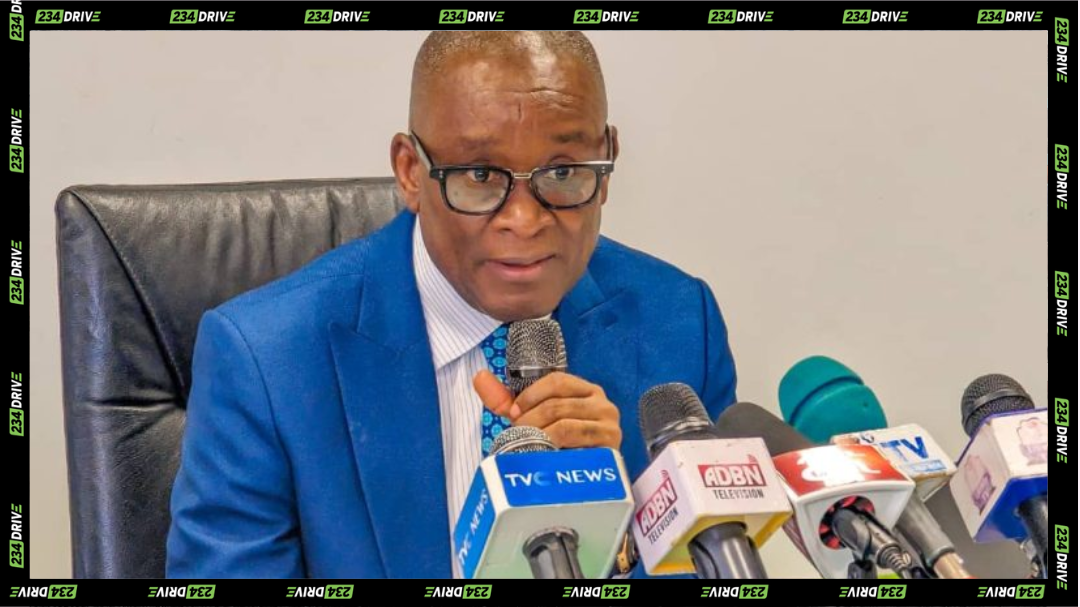
President William Ruto described the project as a practical step for a country trying to meet urgent infrastructure needs while managing tight public finances. Kenya currently holds more than US$92 billion in public debt, with China among its largest creditors—making cost-efficient delivery models increasingly important.
To achieve this, the work will rely on a public–private partnership in which the Chinese companies recover their investment through toll fees under a 30-year concession. This approach allows Kenya to proceed with a major road upgrade without taking on additional heavy debt.
How Is China Expanding Its Influence in Africa’s Mobility and Infrastructure?
In recent years, China has taken a leading role in shaping Africa’s mobility landscape—not only through major road projects, but across the entire transport and industrial chain. A partnership that stretches well beyond a single Kenyan highway.
In Nigeria, CCECC (China Civil Engineering Construction Corporation) built key standard-gauge rail projects—including the Lagos–Ibadan Railway and Lagos Red Line—giving millions access to faster and safer travel. These rail lines have even hosted cultural moments, such as the widely publicised wedding of actor Shawn Faqua and Sharon Ifunanya Maduekwe aboard a Lagos–Ibadan train—Nigeria’s first ceremony of its kind.
Across East, West and Southern Africa, similar partnerships continue to emerge. Kenya and China previously worked together on the Mombasa–Nairobi–Naivasha railway, now one of the region’s most significant transport assets. In Egypt, Chinese firms remain deeply involved in large automotive and tyre-manufacturing projects that support the country’s role as a regional mobility hub. In South Africa, Chinese automakers are expanding sales and distribution networks as more consumers explore hybrid and electric options.
Looking at all these developments together, they show China expanding its role as a key mobility partner for African economies. The impact varies by country, but one thing is clear, which is that Chinese investment is helping expand infrastructure and introduce new vehicle technologies that match the realities across the continent.
If both sides continue to build these partnerships with transparency and balanced interests, the benefits can grow—supporting Kenya, China and Africa more broadly as the continent reshapes its mobility future.