
The asphalt of Nairobi, the dusty tracks of the Rift Valley, and the coastal roads of Mombasa all tell the same story: the Kenyan automotive market is one of pragmatism, resilience, and unyielding Japanese dominance. In 2025, the sector is experiencing a significant evolution, driven by economic growth, urbanisation, and a growing consumer focus on value and efficiency. With the national vehicle population soaring towards five million units—a dramatic increase from figures recorded two decades ago—the market is as dynamic as ever. Yet, when it comes to the top five brands driving this nation, the list remains rooted in a fundamental pursuit of durability and low cost of ownership.
This landscape is defined by the colossal used car segment, which accounts for a staggering 85 per cent of all vehicle purchases, valued at approximately USD 1.28 billion this year and projected to grow further. This market vitality is overwhelmingly sustained by imports, primarily from Japan, and consumer choices are dictated by four non-negotiable factors: reliability on often rough or potholed roads, readily available and affordable spare parts, high fuel economy, and strong resale value.
The five brands that have expertly navigated this environment and secured the top spots are Toyota, Nissan, Honda, Subaru, and Mazda. Their success is not merely anecdotal; it is a structural pillar of Kenyan transport, blending global engineering excellence with local necessity.
An Import-Driven Economy and Regulatory Hurdles
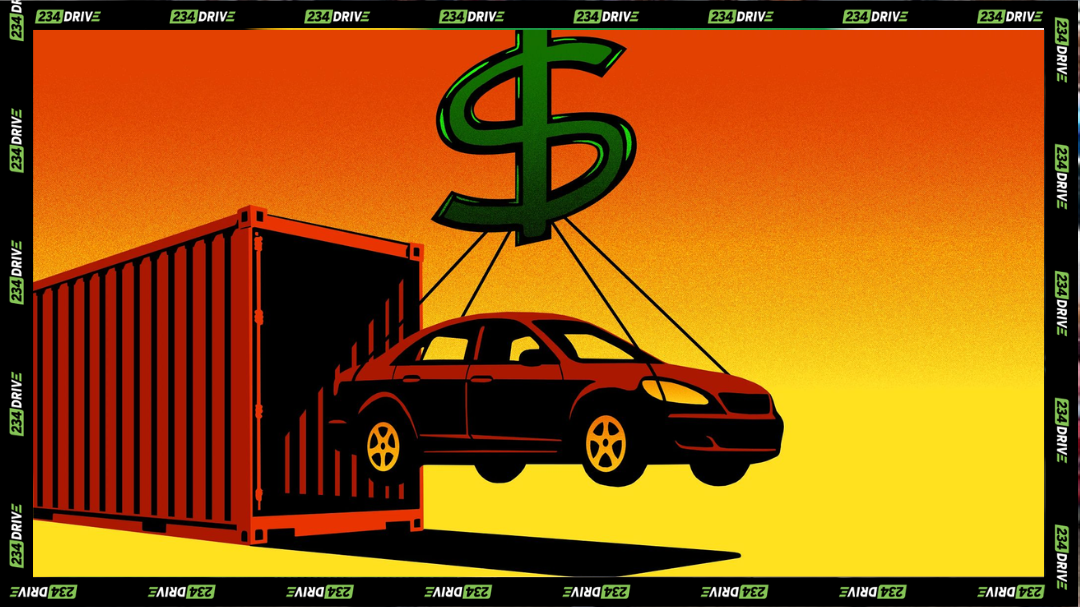
The flow of cars into Kenya is heavily regulated, notably by the enduring eight-year age limit on imported used vehicles. This rule, enforced stringently, is now pushing buyers and importers towards newer stock. Market data shows the segment of vehicles aged 0–3 years is projected to expand significantly, as the restriction forces a move towards pricier, younger imports.
Furthermore, the process of importation was made more complex in 2025 by the Kenya Revenue Authority’s (KRA) revised Current Retail Selling Price (CRSP) schedule, effective from July. This change aims to align tax valuations with real market prices, but the practical effect for many popular models, such as the Toyota Vitz Hybrid or Mazda CX-5, has been a substantial increase in import duty and, consequently, higher final prices for Kenyan motorists. This environment of rising costs only further solidifies the favouritism towards brands that promise long-term reliability and minimal repair expenditure.
1. Toyota: The Unyielding Monarch
Toyota’s market position in Kenya is less of a competition and more of a total hegemony. Informally cited as controlling anywhere from 40 to 60 per cent of the used car market, Toyota is the default choice for the city commuter, the rural farmer, and the executive alike.
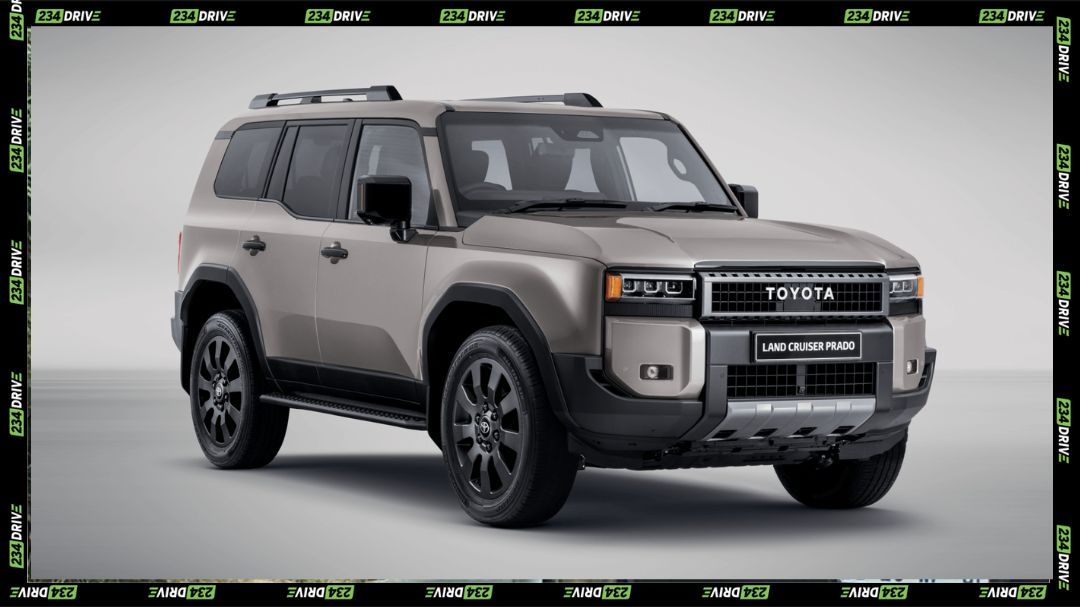
Its dominance stems from a peerless reputation for durability. Models like the iconic Land Cruiser Prado are prized for their off-road capability and ability to withstand the harshest of Kenyan terrains, retaining phenomenal resale value years after import. For commercial and family use, the versatile Corolla Touring (the hybrid successor to the ubiquitous Fielder) offers class-leading fuel efficiency, often achieving up to 30 kilometres per litre, making it a favourite in Nairobi’s burgeoning ride-hailing sector.
Crucially, Toyota’s aftermarket ecosystem is second to none. Its spare parts, known locally as ‘spares’, are ubiquitous, affordable, and easily accessible from every corner of the country. This means that if a component fails—whether a tyre or a gearbox—the downtime and repair cost are dramatically lower than for almost any other brand. For the average Kenyan, this blend of durability and affordability solidifies Toyota’s unchallenged position as the country’s most sensible and reliable investment.
2. Nissan: The Affordable All-Rounder
Positioned as the primary competitor to Toyota, Nissan excels in offering a compelling balance of comfort, performance, and, crucially, affordability. Models like the Nissan X-Trail are exceptionally popular, serving well for both family transport and occasional off-road excursions. Its success is built on offering a substantial, comfortable vehicle—often an SUV—at a lower purchase price point than its direct Toyota rivals.
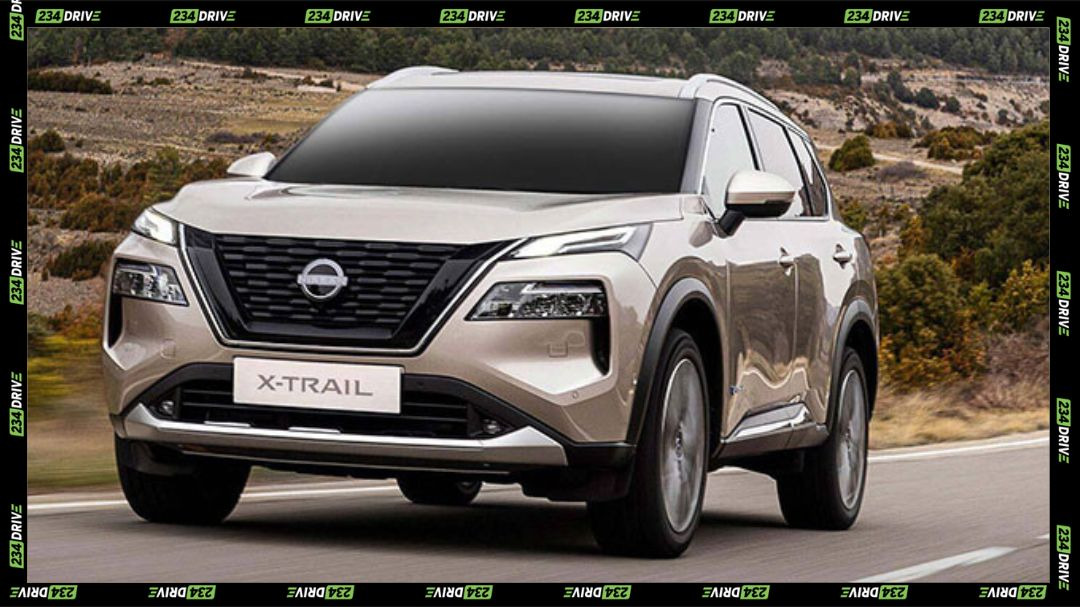
While Nissan provides good fuel efficiency, particularly with models like the Note and Tiida, the brand faces mild controversy concerning the long-term durability of its electronics in newer imports, sometimes requiring higher repair expenses than Toyota. Nevertheless, its models are robust and versatile, perfectly fitting the needs of the price-sensitive middle-class motorist seeking a vehicle capable of handling both urban congestion and upcountry roads. Its presence solidifies its rank, accounting for a solid 15–20 per cent of the used import segment.
3. Honda: The Efficiency Champion
Honda has cemented its spot in the top five by specialising in exceptional fuel economy, making it the champion for the fuel-conscious urban driver. The Honda Fit Hybrid (often sold as the Jazz in other markets) is a particular standout, known for its compact footprint, surprisingly spacious interior, and fuel consumption figures that can reach an impressive 27–30 kilometres per litre.
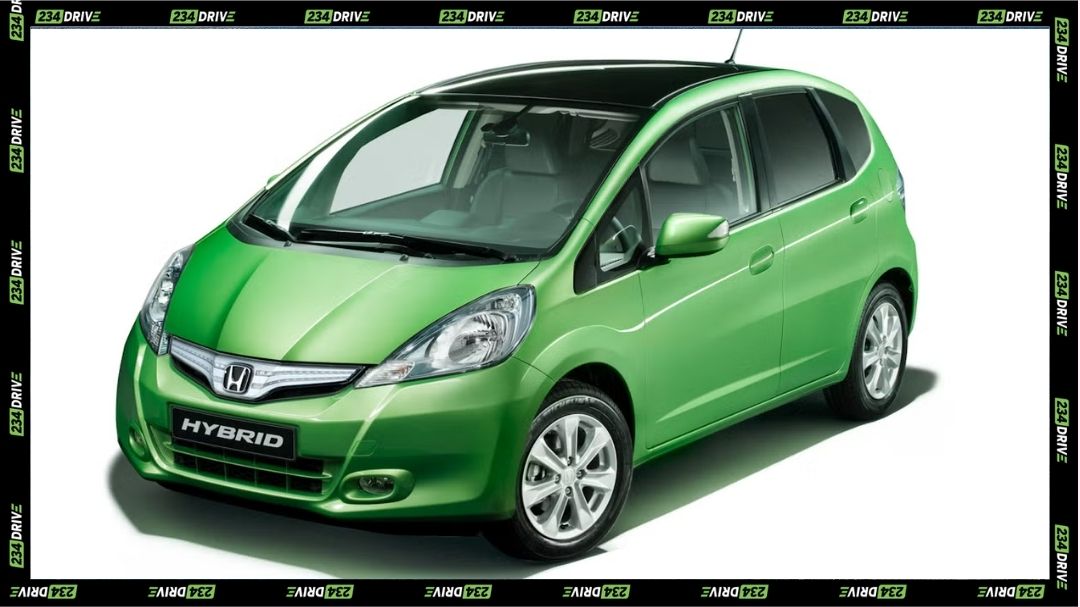
The brand’s robust engines and reliable hybrid systems offer long-term financial benefits, reducing the running costs that are so critical in a nation with high petrol prices. Models like the CR-V and Civic also offer a premium, reliable feel, appealing strongly to young professionals and those utilising ride-hailing platforms who prioritise minimal visits to the fuel pump and excellent build quality. Honda’s focus on efficiency and engineering quality secures its position as a trusted alternative to the two market leaders.
4. Subaru: Performance and All-Wheel-Drive Prowess
Subaru maintains a dedicated and loyal following in Kenya, dominating the niche of performance and all-weather capability. For motorists who frequently traverse varied terrain, from slick city roads during the rainy season to muddy upcountry paths, the brand’s Symmetrical All-Wheel Drive (AWD) system is the key selling point.
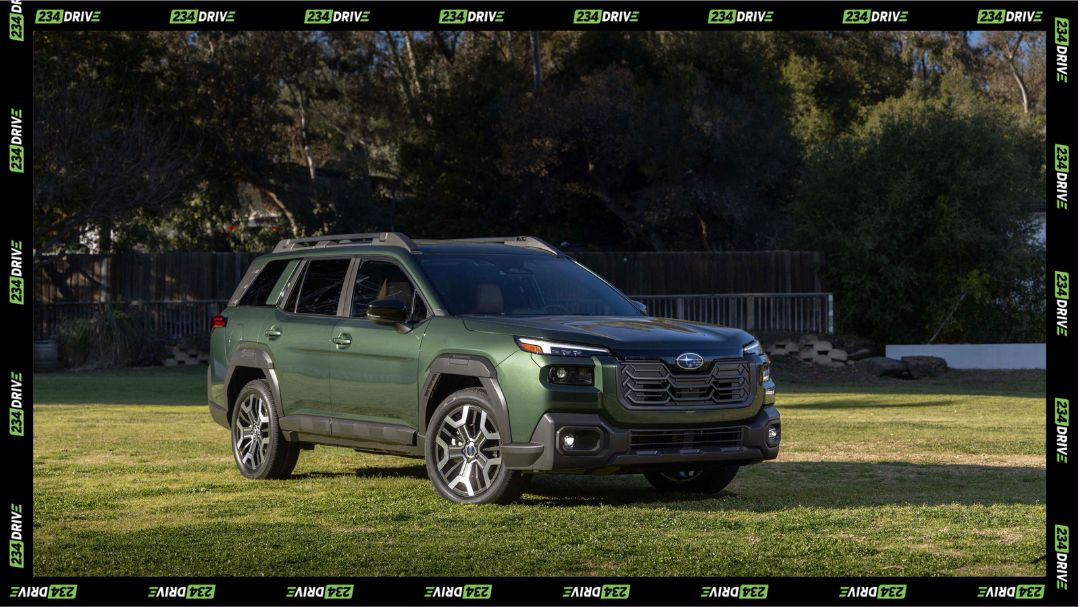
The Forester and Impreza models, with their famous Boxer engine, are praised for their secure handling and powerful drive. This makes Subaru a favourite among adventure seekers and those living outside major urban centres. However, this specialised engineering comes with a caveat. Subaru’s engines and complex AWD systems typically require more diligent and expensive servicing than their Japanese counterparts. While the initial purchase price is attractive, the higher maintenance needs can be a point of contention for budget-conscious owners. Despite this, the brand’s unique value proposition keeps it firmly within the top tier.
5. Mazda: Style Meets SkyActiv Efficiency
Rounding out the top five, Mazda appeals to the motorist who values stylish design and engaging handling without sacrificing efficiency. Models like the Demio (Mazda2) and the popular crossover CX-5, featuring the fuel-saving SkyActiv technology, attract a demographic of younger, style-conscious buyers looking for their first car or an upgrade that feels modern and sporty.
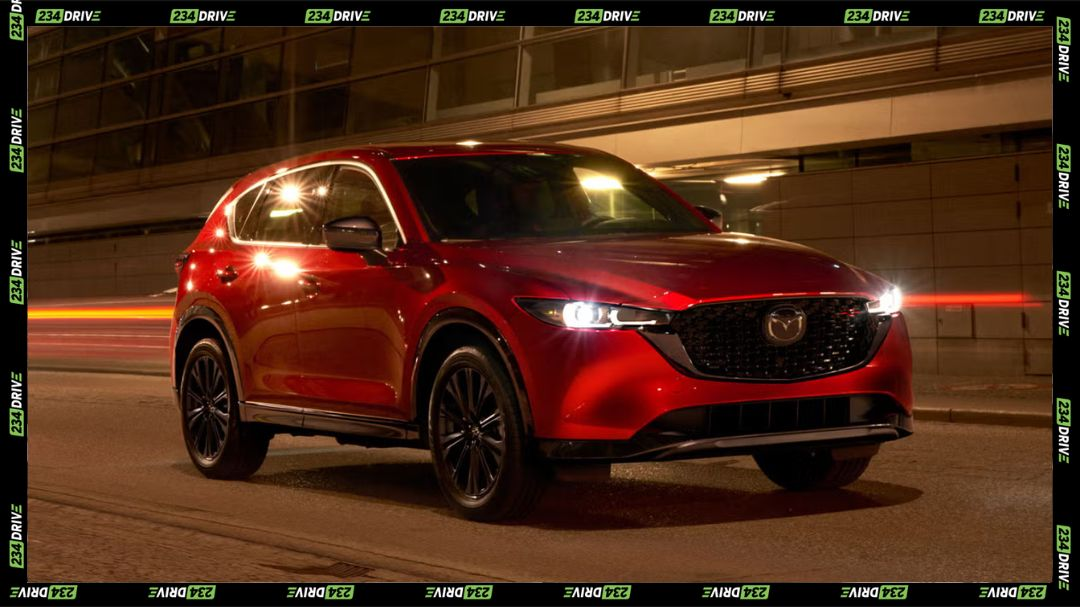
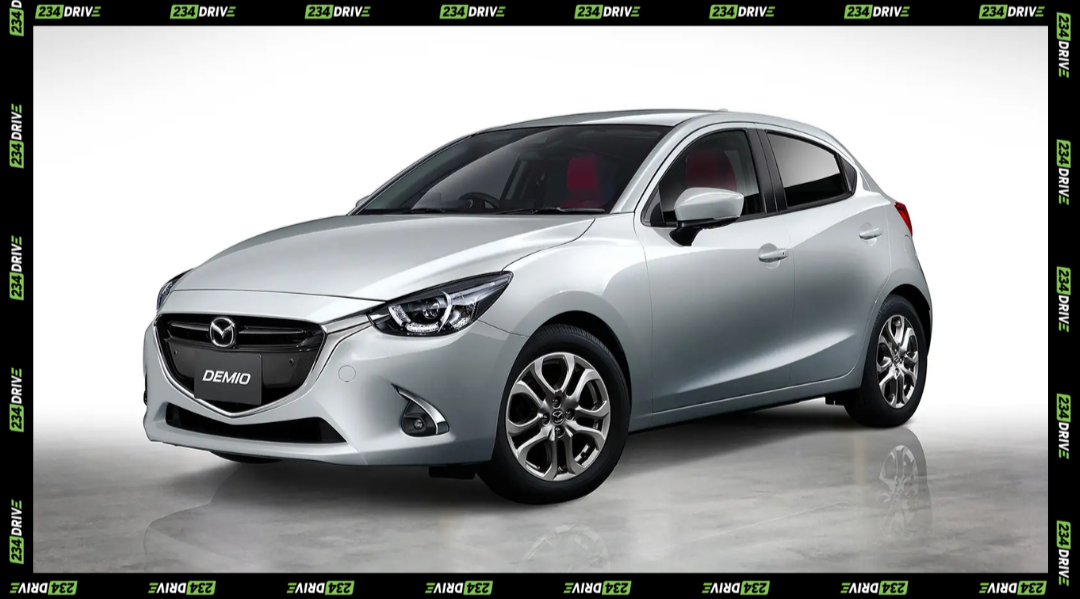
Mazda offers a refined driving experience and aesthetically pleasing colour options and interiors. However, the brand faces a crucial challenge that prevents it from climbing higher: the availability of spare parts. While ubiquitous in cities like Nairobi and Mombasa, the scarcity of specific Mazda spares in more remote regions remains a drawback, which often pushes rural users towards the safer, more accessible Toyota ecosystem. Nevertheless, Mazda’s combination of design and efficiency keeps its sales robust within the used car segment.
The Road Ahead: Electrification and New Entrants
Looking beyond the current top five, the Kenyan automotive landscape is beginning to shift, influenced by global trends and the local need for even greater efficiency. The rise of hybrid imports is notable, with models like the Toyota Harrier Hybrid becoming increasingly popular among executives seeking luxury coupled with fuel savings.
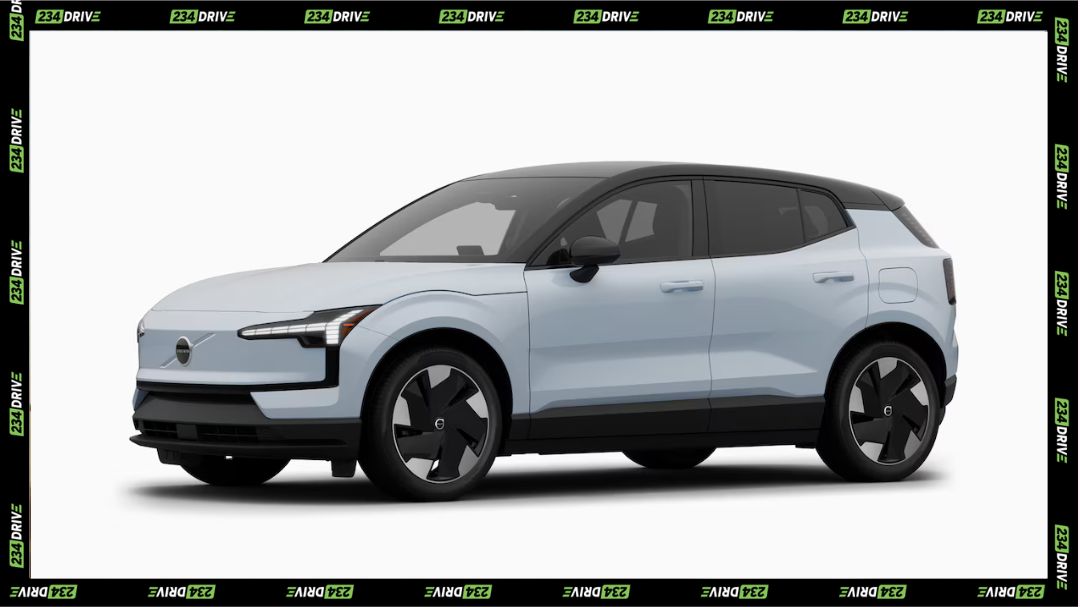
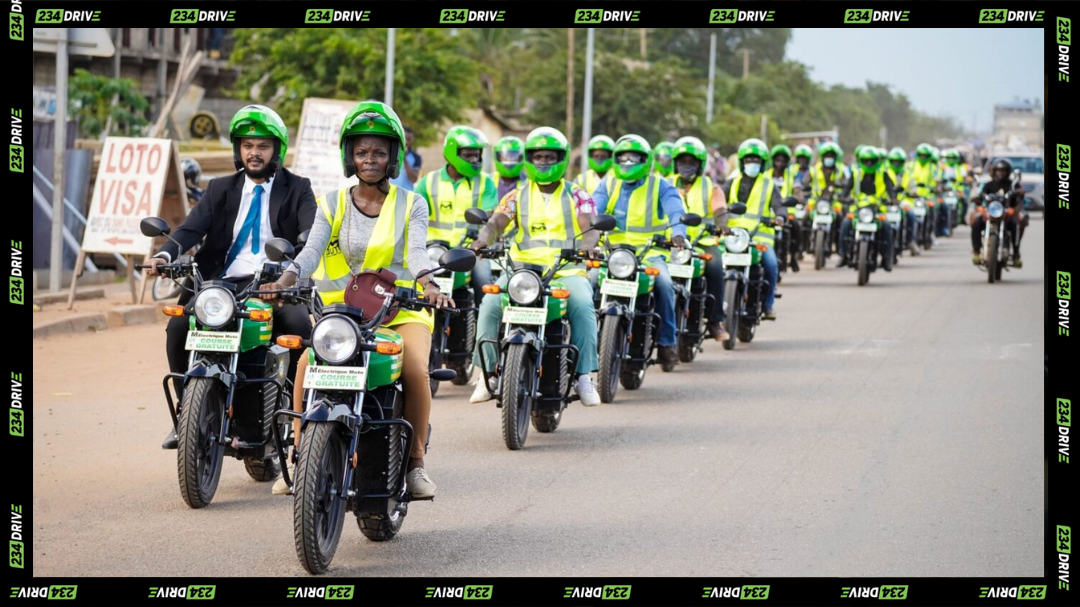
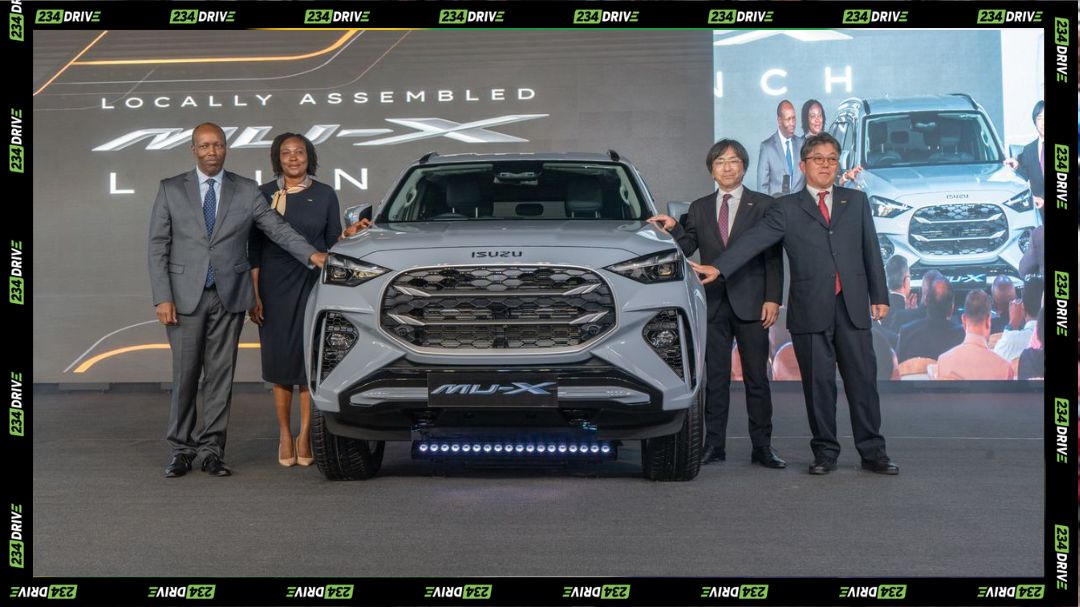
Furthermore, 2025 has seen a deliberate push towards Electric Vehicles (EVs). Brands like China’s BYD and even Tesla are gaining traction in imports, though high duties and limited charging infrastructure still temper mass adoption. The Draft Electric Mobility Policy, introduced in March 2025, signals governmental support by targeting a five per cent EV share. In the new vehicle segment, where sales remain modest (around 11,000–12,000 units year-to-date), local assembly and commercial vehicle demand favour brands like Isuzu (lorries and pick-ups) and emerging Chinese manufacturers such as Sinotruk and Foton.
Ultimately, Kenya’s market reflects a dynamic blend of necessity and aspiration. The reigning champions are those that solve real-world problems—potholes, high fuel costs, and maintenance longevity—most effectively. While new regulatory changes and the march of electrification threaten to raise costs and complicate repairs, the Kenyan driver’s pragmatic reliance on the durability and accessibility of Japanese engineering ensures that this dominant top five will continue to define mobility for the foreseeable future.