
The Kenyan road network is expanding at an unprecedented rate, and with it, the number of vehicles navigating our highways is surging. Whether you are manoeuvring through the gridlock of Nairobi’s Uhuru Highway, negotiating the winding, fog-covered roads of Kisii, or cruising along the coastal highways of Mombasa, one reality remains constant: the absolute necessity of reliable car insurance. In 2025, the conversation among Kenyan motorists has shifted dramatically. It is no longer just about “having a sticker” to avoid police harassment; it is about finding an insurer that actually pays claims, pays them on time, and treats the policyholder with dignity.

With Kenya’s insurance penetration hovering stubbornly around 2.3% of GDP, the sector is fighting a fierce battle for consumer trust. This year, the battleground for market share is defined by digital innovation, claims efficiency, and financial flexibility. Based on the latest verifiable data from the Insurance Regulatory Authority (IRA), shifting customer sentiment, and Q3 2025 financial performance reports, five companies have risen to the top of the pile. If you are looking to insure your vehicle this year, this comprehensive analysis of APA, Jubilee, GA, Britam, and CIC Insurance will guide you to the right choice.
1. APA Insurance
APA Insurance continues to be a dominant force in 2025, particularly for the urban driver who prioritises a seamless digital experience above all else. Born from the strategic merger of Apollo and Pan Africa Insurance, APA has successfully repositioned itself as the “modern” insurer for the digital age. Their recent recognition as the Most Convenient General Insurance Provider in consumer choice awards highlights their successful pivot to tech-first solutions that resonate with millennials and Gen Z motorists.

Why They Stand Out:
For the tech-savvy driver, APA’s app-based policy management is nothing short of a game-changer. The days of queuing at a broker’s office are gone; APA allows you to renew policies, file accident reports, and track claims progress directly from your smartphone. This feature appeals heavily to Kenya’s younger demographic who demand instant gratification. Furthermore, their AI-driven fraud prevention systems have allowed them to keep premiums competitive by reducing leakage savings they pass on to the consumer. Perhaps their most notable social impact is the SHEild program, which has seen impressive growth, with a reported 64% increase in premiums from women drivers between 2022 and 2024. This product acknowledges that women are statistically safer drivers and rewards them accordingly.
The Catch:
However, convenience does not always equal total satisfaction. While APA ranks incredibly high for ease of acquisition, recent market feedback suggests a “mixed picture” regarding complex claims. Industry data points to a disparity between their liability and non-liability claims ratios. While they are excellent at issuing policies, some customers have reported bureaucratic hurdles when final payouts are due for third-party injuries. If you choose APA, you are buying into a superior user experience and competitive pricing, but you may need patience during the settlement of non-standard claims.
2. Jubilee Insurance
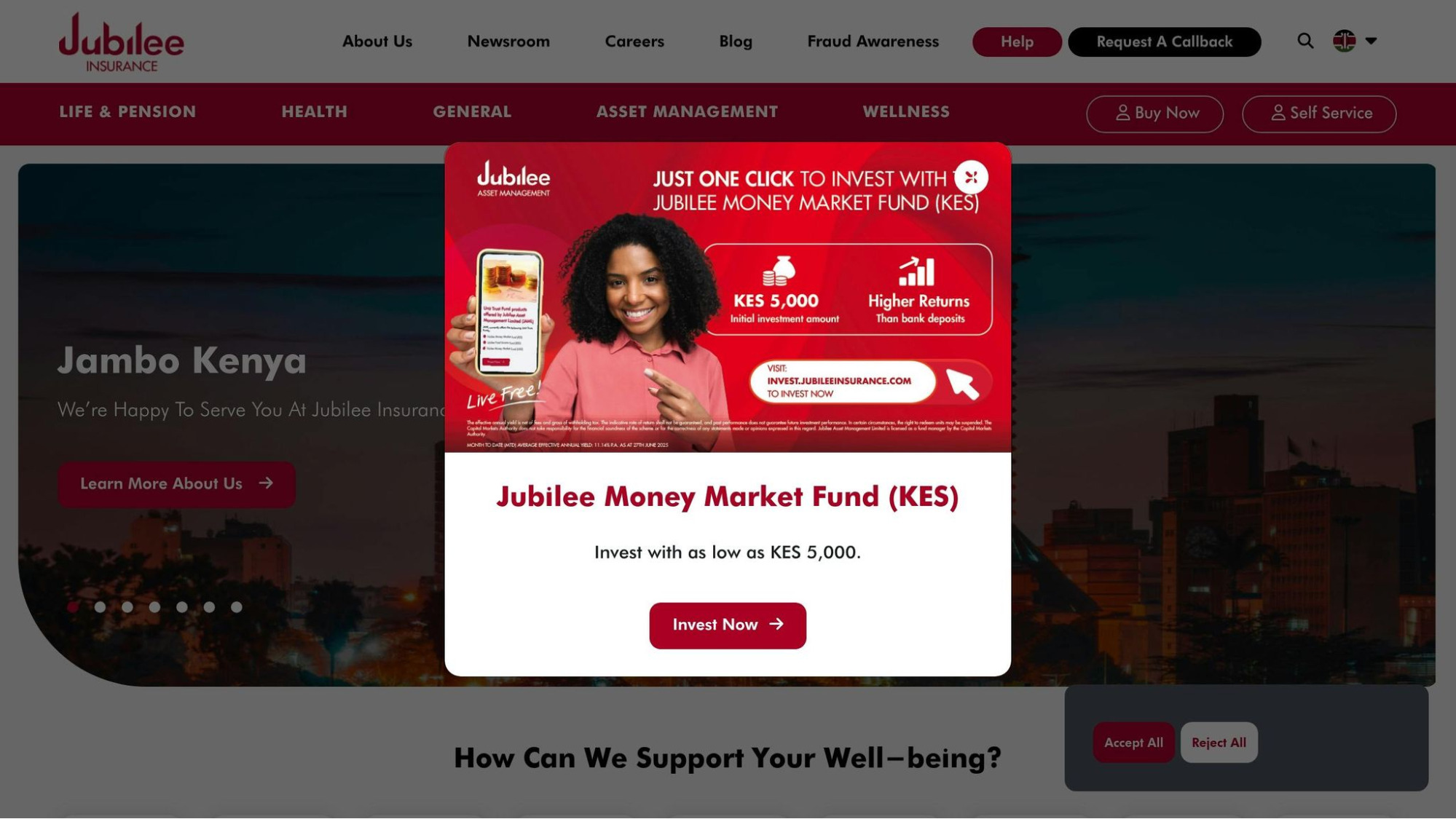
If stability had a name in the Kenyan insurance market, it would undoubtedly be Jubilee. With a rich history dating back to 1937, Jubilee Insurance utilises its massive regional presence across East Africa to offer a level of reliability that few can match. In 2025, they have cemented their position as the second-largest player by market share, commanding roughly 9.7% of the entire sector.
Why They Stand Out:
Jubilee excels in “peace of mind.” Their financial health is robust, with H1 2025 profits surging by 22% to KES 3.1 billion. This deep capital reserve means they can settle large claims such as total write-offs of high-end luxury vehicles without flinching. This makes them a favourite for corporate fleets and high-net-worth individuals who drive expensive machinery. Their J-Force digital platform has also empowered an army of agents to provide personalised service on the ground, bridging the gap between digital convenience and human touch. Additionally, their garage network is arguably the most extensive in the region, ensuring that if you get into an accident, whether in Eldoret or Machakos, an approved repairer is likely nearby.
The Catch:
The downside to being a giant is a lack of agility. Some retail customers feel that Jubilee’s processes can be overly formal, rigid, and slow compared to nimbler competitors. While you are almost guaranteed to be paid, the timeline might stretch longer than expected due to rigorous internal vetting processes designed to protect those massive reserves.
3. GA Insurance
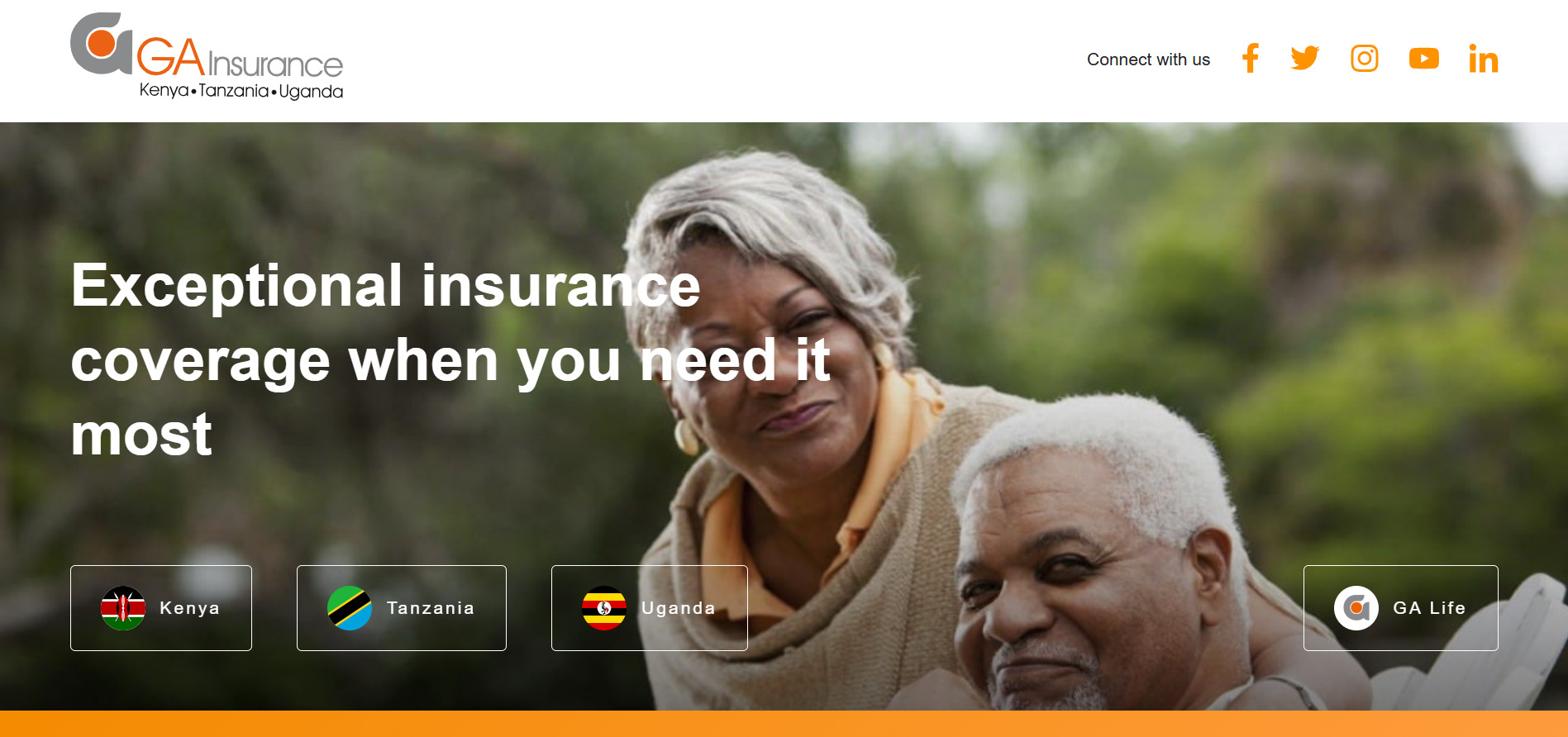
GA Insurance might not make the loudest noise in marketing billboards or television commercials, but their performance speaks volumes to those in the know. Often described as the “insurer’s insurer,” GA has built a reputation on technical excellence, underwriting discipline, and consistency. Holding steady with an 8.1% market share, they are the go-to choice for drivers who understand insurance metrics and prioritise the actual payout over flashy advertising.
Why They Stand Out:
The crown jewel of GA’s offering is their claims payment consistency. In Q2 and Q3 of 2025, GA emerged as a top performer with the highest claim payment ratios, particularly for motor accidents. Unlike some competitors who struggle with liquidity during economic downturns, GA’s conservative underwriting and low default probability (0.222% as of late 2025) mean they have the cash ready when you need it most. They are particularly strong in comprehensive coverage for private vehicles, offering incredibly fast response times for theft and fire claims, which are unfortunately common risks in major urban centers.
The Catch:
GA’s weakness lies in its user interface. Compared to Britam or APA, their digital tools feel slightly dated. They rely heavily on traditional broker channels, which can be a distinct advantage if you like human interaction and personalised advice, but a disadvantage if you prefer buying a policy at 2:00 AM on your phone without speaking to a soul. They are a “traditional” insurer in the best and worst senses of the word.
4. Britam Insurance
Britam has arguably had the most exciting trajectory in 2025. By focusing intensely on product innovation and addressing the economic pain points of Kenyans, they have captured 8.2% of the market and the hearts of the modern consumer. Their 18th consecutive win as Life Insurer of the Year spills over into their general insurance reputation, signaling a company that deeply understands client lifecycle management.
Why They Stand Out:
Britam is leading the charge on two major fronts: payment flexibility and environmental sustainability. Their Motiflex product is a standout innovation, allowing drivers to pay premiums in monthly installments rather than a painful lump sum. In an economy where cash flow is tight, this flexibility is a massive selling point. Furthermore, Britam is the pioneer in Electric Vehicle (EV) insurance in Kenya, launching specialised covers that account for the unique risks of EVs, such as battery degradation and charging cable theft. Their claims process is also highly digitised, with many minor claims being settled in record time through mobile image uploads.
The Catch:
Innovation can sometimes breed complexity. Some users have found Britam’s tiered products and terms slightly confusing, especially first-time car owners who may not understand the nuances of the policy. Furthermore, the terms for their monthly payment plans require strict adherence; a missed payment can lead to immediate policy lapses, leaving undisciplined payers exposed on the road.
5. CIC Insurance Group
Rounding out the top five is CIC Insurance, the largest provider by pure market share at 8.4%. With deep roots in the cooperative movement, CIC has maintained a philosophy of affordability and grassroots access that resonates deeply with the average Kenyan driver. They are the insurer of the “wananchi.”
Why They Stand Out:
CIC is synonymous with affordability. Their Easy Bima product has democratised access to comprehensive cover, making it accessible to young drivers, owners of older vehicles, and small business owners who might otherwise opt for Third Party Only (TPO) covers. They are also aggressive in the Public Service Vehicle (PSV) sector, a high-risk category that many other insurers shun entirely. Their “claims payment ratio” for liability claims is often higher than the industry average, reflecting a willingness to settle third-party disputes that other insurers might drag through the courts for years.
The Catch:
Being the “people’s choice” brings volume challenges. CIC’s branch network, while vast, faces complaints about varying service quality. A customer in a Nairobi branch might get VIP treatment, while one in a rural outpost might face delays due to overwhelmed staff. Additionally, their aggressive pricing has squeezed margins, with H1 2025 profits down 10%, raising valid questions about how long they can maintain such low premiums without compromising on service quality.
Conclusion
The car insurance landscape in Kenya has matured significantly. The days of chasing insurers for months just to get a repair authority letter are fading, replaced by a competitive market where service delivery is the main differentiator.
For 2025, the “best” company is subjective to your needs. However, evidence suggests that Britam is currently edging out the competition for the average private motorist due to the winning combination of monthly payments and digital efficiency. Meanwhile, GA Insurance remains the unshakeable choice for those who want guaranteed claims performance above all else. Before signing on the dotted line, remember to look at the claims settlement ratio the percentage of claims an insurer actually pays versus what they reject. In a market recovering from trust issues, that number tells you more than any billboard ever could.